


If you have been seeing the word Bilieter lately, you are not alone. Based on currently indexed descriptions, Bilieter appears to be used around the idea of digital ticketing, event access, online booking, and secure ticket management. The clearest recurring theme is simple: it points to a modern, digital-first way to issue, store, validate, and manage event tickets more safely and efficiently than older paper-based systems.
- What Bilieter Means in a Modern Ticketing Context
- Why Secure Ticket Management Matters More Than Ever
- How Bilieter Supports Event Access
- Key Features That Make Bilieter Valuable
- Bilieter vs Traditional Ticketing
- Real-World Benefits for Organizers
- Real-World Benefits for Attendees
- Common Ticketing Problems Bilieter Helps Solve
- What to Look for in a Secure Ticket Management Platform
- The Future of Bilieter and Digital Access
- Conclusion
That matters because ticketing is no longer just about sending someone a pass and scanning it at the gate. Today, event organizers need better fraud control, smoother check-in, real-time attendance visibility, mobile access, and stronger trust between organizers and attendees. Consumers also expect fast checkout, secure payment, instant delivery, and a ticket that lives on their phone instead of getting lost in email chaos. Those shifts are a big reason digital ticketing platforms keep gaining attention across entertainment, conferences, sports, travel, and local events.
In practical terms, Bilieter can be understood as a digital ticket access model built around convenience, verification, and control. Instead of a loose system where tickets can be duplicated, shared carelessly, or resold without oversight, a more modern setup links purchase records, digital delivery, QR validation, and access rules into a single process. That does not just protect revenue. It improves the guest experience from the moment someone buys a ticket to the moment they walk through the entrance.
What Bilieter Means in a Modern Ticketing Context
Bilieter is best understood as part of the broader move toward secure digital event access. In many current descriptions, it is associated with online ticket purchase, digital delivery, mobile storage, fast scanning, and event-side validation. Some sources frame it as a platform, while others treat it more like a modern ticketing method or system. The exact branding is still somewhat sparse across authoritative public sources, so the safest interpretation is to treat Bilieter as a digital access and ticket management concept centered on secure, electronic ticket handling.
That distinction is important. A ticket is not only a proof of purchase. It is also an access credential. Once you look at it that way, the whole conversation changes. A secure ticketing system has to manage identity signals, timing, entry rights, transfers, payments, capacity, fraud checks, and attendee data in a way that feels invisible to the user but dependable to the organizer.
This is why event access platforms are moving away from static workflows. Organizers want systems that can respond in real time. They want to know how many people have checked in, which entrances are busiest, whether duplicate scans are happening, and whether late buyers are receiving valid tickets instantly. Digital ticketing makes that possible in a way paper systems never really could.
Why Secure Ticket Management Matters More Than Ever
Ticketing sits at the intersection of trust and money. When that breaks, everything around the event gets harder. Organizers lose revenue, attendees lose confidence, staff face delays at entry points, and customer support teams get flooded with complaints.
Fraud risk is one of the biggest reasons secure ticket management matters. PwC reported that 51% of surveyed organizations experienced fraud in the previous two years, highlighting how platform and digital transaction risks have become a serious business issue. While that figure is not ticketing-specific, it reflects the wider environment in which digital access platforms now operate.
Consumer protection concerns are also growing around the ticket sector itself. In the United States, the FTC moved to require clearer upfront pricing for ticket sellers, aiming to reduce hidden fees and deceptive pricing practices. In the UK, regulators have continued pushing for tighter oversight of resale practices and stronger consumer protection in ticket markets.
For event organizers, secure ticket management is not a nice bonus. It is part of the business model. It protects inventory, supports smoother operations, reduces losses from duplication and abuse, and improves the credibility of the event brand. For attendees, it lowers the chance of fake tickets, unclear fees, and entry problems at the venue.
How Bilieter Supports Event Access
A Bilieter-style ticketing workflow typically begins before the event day. The attendee finds the event online, selects a pass or seat, pays through a digital checkout, and receives a confirmation and digital ticket. That ticket may be stored in email, an app, a mobile wallet, or another digital record.
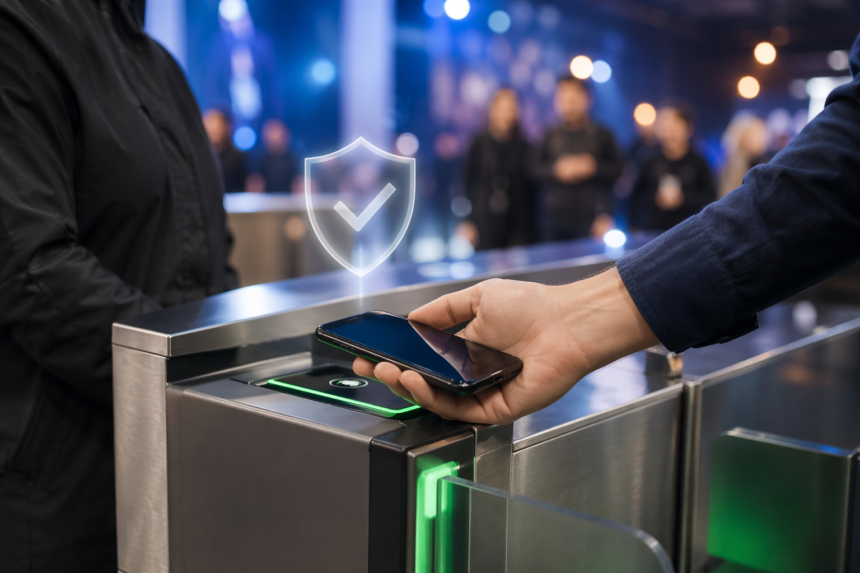
On event day, access happens through a scan or validation step. This is where digital ticketing becomes more powerful than a static PDF. A QR-based or app-based workflow can confirm whether the ticket is valid, whether it has already been used, and whether it matches the event rules. Eventbrite’s check-in documentation describes this kind of process clearly, with ticket scanning through a mobile organizer app and instant confirmation when a code is valid.
From the organizer side, the same system can do much more than open the gate. It can track attendance live, identify bottlenecks, verify capacity, and help staff resolve ticket issues quickly. That transforms entry from a manual checkpoint into an operational dashboard.
A secure access model also helps with event segmentation. VIP passes, timed entry, staff credentials, multi-day access, backstage permissions, and partner admissions can all be handled within one controlled system. That reduces confusion and lowers the chance of the wrong person getting the wrong level of access.
Key Features That Make Bilieter Valuable
The real appeal of Bilieter is not a flashy label. It is the feature set behind secure digital access. A useful modern ticketing system usually brings together several core capabilities.
Digital Ticket Delivery
Instant digital delivery is one of the biggest upgrades over traditional ticketing. Buyers expect confirmation within seconds. That reduces anxiety, cuts support requests, and gives organizers a cleaner fulfillment process.
QR Code or Mobile Validation
QR-based check-in is now a widely accepted part of modern events. Eventbrite highlights QR codes as a way to make registration and check-in faster and easier, while event-focused QR resources report that strong implementation can significantly reduce check-in time.
Duplicate Entry Protection
One of the simplest but most important security benefits of digital ticket validation is preventing the same ticket from being used multiple times. Systems that log each scan instantly can flag reused or copied tickets and stop them at the entrance.
Centralized Event Control
Organizers need one place to monitor sales, scans, attendance, and exceptions. Without a centralized dashboard, secure ticketing falls apart operationally.
Payment and Booking Integration
A ticketing system works best when booking, payment, confirmation, and access all live in one flow. That lowers friction for buyers and helps reduce mismatches between sales records and valid entry credentials.
Access Rules and Transfer Policies
Not every event wants open transferability. Some organizers need stricter resale rules, capped transfers, timed release windows, or ID-linked access for high-demand entries. A modern system can enforce those rules more effectively than paper tickets or manually emailed PDFs. Discussions around dynamic or non-transferable digital tickets show how the industry increasingly treats ticket security as a rules engine, not just a barcode problem.
Bilieter vs Traditional Ticketing
The easiest way to understand Bilieter is to compare it with older ticketing methods.
| Area | Traditional Ticketing | Bilieter-Style Digital Ticketing |
|---|---|---|
| Delivery | Printed ticket or static PDF | Instant mobile delivery |
| Entry control | Manual check or simple scan | Real-time validation |
| Fraud protection | Easier to duplicate or resell informally | Stronger verification and scan logging |
| Organizer visibility | Limited live data | Attendance and check-in insight |
| Customer convenience | Easy to lose or forget | Stored digitally on phone or email |
| Rule enforcement | Hard to control after sale | Better transfer and access controls |
That difference becomes especially important at scale. A small community event can sometimes survive with a loose process. A high-demand concert, conference, sports event, or multi-entry venue usually cannot.
Real-World Benefits for Organizers
For organizers, Bilieter is not just about security. It is also about efficiency and decision-making.
A digital ticketing workflow can reduce staffing pressure at entry points because scanning is faster than manual verification. It can improve forecasting because organizers can see purchasing and check-in data in real time. It can also simplify customer support because each ticket has a traceable transaction history.
There is also a brand effect. When attendees move smoothly from purchase to entry, they perceive the event as professional and trustworthy. That matters more than many organizers realize. A poor access experience can damage the event before the first session, performance, or match even begins.
Secure ticket management also helps with post-event learning. Organizers can review attendance patterns, no-show rates, peak entry times, and demand by ticket tier. QR-based event analytics are often used for exactly this kind of feedback loop.
Real-World Benefits for Attendees
The attendee side is just as important. People want fewer steps, clearer confirmation, and less risk.
With Bilieter-style access, the buyer usually gets immediate proof that the booking is complete. They do not need to print anything. They can retrieve their ticket on mobile. At the venue, they can move through entry faster, especially when the organizer has enough scanning lanes and trained staff.
Security also feels personal to the attendee. Nobody wants to discover at the gate that their ticket was fake, duplicated, or invalid. Stronger digital control reduces that risk.
Another benefit is clarity. Secure ticket systems can display event details, time windows, seat information, venue instructions, and updates in one place. That lowers confusion and cuts the number of support emails before the event.
Common Ticketing Problems Bilieter Helps Solve
Even a good event can be undermined by weak ticket operations. Bilieter-style systems help address several common issues:
- Counterfeit or duplicated tickets
- Confusing confirmation emails
- Slow venue entry
- Unclear access levels
- Overselling and capacity errors
- Poor resale control
- Hidden fee frustration
- Lack of live attendance visibility
Not every platform solves all of these equally well, but secure digital ticket management is designed to make these problems less common and easier to control.
What to Look for in a Secure Ticket Management Platform
If you are evaluating Bilieter or a similar event access platform, focus on practical performance rather than marketing language.
Look for fast digital ticket delivery, mobile-friendly ticket storage, real-time scan validation, visible transaction records, secure payment handling, flexible access rules, and clean reporting. Also check whether the platform supports refunds, transfer policies, timed entry, and support workflows when a ticket holder has an issue at the gate.
For larger events, test the entry experience before launch. A platform may look great in demo mode but struggle in a live environment with weak connectivity, high scan volume, or poorly trained staff. Real security includes operational readiness.
It is also wise to review fee transparency and resale policies carefully. Regulators have become more focused on these areas, and audiences are less tolerant of surprise costs than they used to be.
The Future of Bilieter and Digital Access
The future of ticketing is moving toward smarter credentials rather than simple files. That means more dynamic validation, better fraud detection, richer event analytics, and more control over how access is issued or transferred.
Some current public discussions of Bilieter describe it as part of that broader evolution, where ticketing blends with digital identity, mobile convenience, and event intelligence. Even if the branding around Bilieter is still emerging, the direction is clear. Digital access is becoming more flexible for organizers and more seamless for attendees.
That does not mean every event needs a highly restrictive system. The best approach depends on the event type. A local workshop may prioritize ease and low cost. A stadium event may prioritize strict validation and anti-fraud controls. A conference may need layered permissions across sessions, sponsors, networking areas, and staff zones.
What matters is alignment. A secure ticket management system should fit the scale, risk level, and audience expectations of the event it supports.
Conclusion
Bilieter reflects a growing shift toward smarter event access and more secure ticket management. At its core, the value is simple: give attendees a smooth way to buy, store, and use tickets, while giving organizers better protection, clearer oversight, and stronger control over entry.
As events become more digital, the ticket itself becomes more than a receipt. It becomes a secure access credential tied to operations, trust, and customer experience. That is why Bilieter matters. It speaks to a modern ticketing model where convenience and security are no longer separate goals.
For anyone working in events, admissions, bookings, or venue operations, Bilieter is a useful lens for understanding where ticketing is headed next. A reliable system should reduce fraud risk, improve check-in, support transparent sales, and create a better experience on both sides of the gate. In the end, better ticketing is really about better access, better trust, and better events. If you want a broader sense of how electronic ticketing fits into this shift, it helps to see Bilieter as part of that larger digital transition.