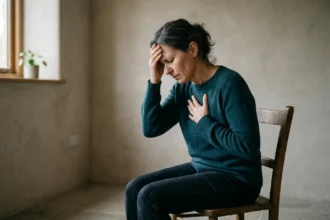



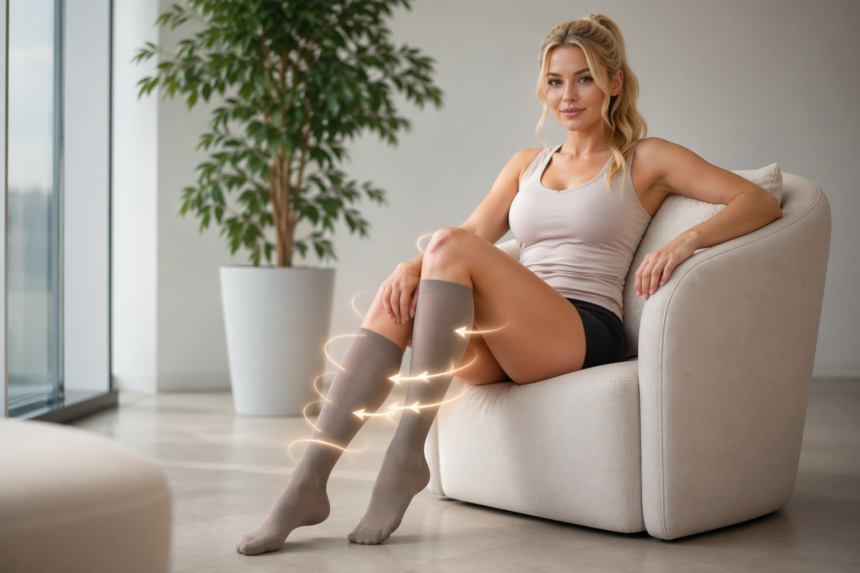
If you have ever noticed your legs feeling heavy after a long day, swelling around the ankles after travel, or lingering discomfort from standing or sitting too long, Meia de Compressão may be worth your attention. These specialized socks are designed to apply gentle pressure to the legs, helping blood move more efficiently back toward the heart. That sounds simple, but the effect can be meaningful for comfort, recovery, and in some cases, medical support.
- What Is Meia de Compressão?
- How Meias de Compressão Work
- Benefits of Meia de Compressão
- Common Uses for Meia de Compressão
- When to Wear Meia de Compressão
- How to Choose the Right Meias de Compressão
- Who Should Be Careful Before Wearing Meia de Compressão
- Practical Tips for Everyday Use
- Real-World Example
- Conclusion
A lot of people assume Meias de Compressão are only for older adults or people with serious vein problems. That is not true. They are commonly used by travelers, office workers, retail staff, runners, pregnant women, and people recovering from long hours on their feet. The real question is not whether they are only “medical.” It is whether they fit your needs, your routine, and your health situation.
The reason they work comes down to graduated pressure. Most compression socks are tighter around the ankle and gradually less tight as they go up the leg. That design supports venous return, which means it helps blood avoid pooling in the lower legs. For people with swelling, varicose veins, chronic venous insufficiency, or long periods of immobility, this can make a noticeable difference in how the legs feel by the end of the day.
What Is Meia de Compressão?
Meia de Compressão refers to compression stockings or compression socks that are made to improve circulation in the legs through controlled pressure. Unlike regular socks, they are designed with a medical or performance purpose in mind. Some are light enough for everyday comfort, while others are stronger and may be recommended by a doctor for specific vein or swelling issues.
There are different lengths and compression levels. You will find ankle socks, calf-length options, knee-high styles, thigh-high versions, and full-length compression garments. The right choice depends on why you are wearing them. A runner may want a performance-focused calf sleeve or sock, while someone with ongoing venous symptoms may need properly fitted knee-high or prescription-grade hosiery.
How Meias de Compressão Work
The main purpose of Meias de Compressão is to support circulation. Veins in the legs already work against gravity, and that job gets harder when you remain in one position for long stretches. Sitting on a flight, standing at work, or even reduced movement during recovery can allow blood and fluid to collect in the lower legs. Compression helps reduce that pooling by giving the veins external support.
This is why many people describe the feeling as “lighter legs.” The socks do not magically fix every problem, but they can reduce swelling, lessen discomfort, and help some people feel less fatigued after long days. In medical settings, compression therapy is also a recognized tool in managing chronic venous insufficiency and related symptoms.
Benefits of Meia de Compressão
One of the biggest benefits is relief from swelling. If your ankles puff up after work or travel, compression may help limit fluid buildup. This is especially relevant for people who sit or stand for hours, as well as some pregnant travelers and people with circulation-related discomfort.
Another major benefit is support for vein health. Healthcare providers often recommend compression therapy for chronic venous insufficiency and varicose veins because it can help ease pain, aching, and heaviness in the legs. It may also help keep symptoms from worsening when used appropriately as part of a broader care plan.
For some people, Meia de Compressão is also useful during travel. The CDC notes that long periods of sitting during travel can raise the risk of blood clots, and people with additional risk factors may benefit from talking to a doctor about compression stockings before departure. Compression is not a universal fix, but it can be part of a prevention strategy for higher-risk travelers.
Athletes and active adults often wear Meias de Compressão for a different reason. They may use them for comfort, muscle support, or to reduce that heavy-leg feeling after demanding sessions. While performance claims can sometimes be overstated in marketing, many people still find them useful for recovery routines and long training days. The practical value is often less about dramatic athletic gains and more about comfort and consistent leg support.
There is also evidence supporting compression stockings in some venous ulcer and chronic venous disease contexts. Research reviews have found high-quality evidence for their use in chronic venous insufficiency, especially in people with ulcers, and other reviews suggest benefit in preventing venous leg ulcer recurrence.
Common Uses for Meia de Compressão
People wear Meia de Compressão for many reasons, and understanding those situations makes it easier to know whether they are right for you.
Travel
Long flights, bus rides, and car trips reduce movement. That can leave your calves inactive for hours, which is not ideal for circulation. If you already have risk factors for blood clots, swelling, pregnancy-related circulation concerns, or a history of vein issues, compression stockings may be part of a doctor-approved travel plan.
Work That Keeps You Standing
Retail workers, teachers, nurses, warehouse staff, salon professionals, and hospitality workers often end the day with tired, sore legs. In these situations, Meias de Compressão can provide daily support that makes long shifts feel more manageable. They are especially popular among workers who notice swelling around the ankle or calf by evening.
Desk Jobs and Sedentary Routines
A standing job is not the only issue. Sitting for long periods also slows things down. People who work at a computer all day, take few movement breaks, or spend hours commuting may find compression socks helpful, especially when paired with walking breaks and hydration.
Varicose Veins and Chronic Venous Insufficiency
This is one of the most common medical reasons for wearing Meia de Compressão. If blood does not move efficiently back up the leg, veins can become enlarged, symptoms can worsen, and swelling can become a regular part of life. Compression therapy is widely recommended in these cases because it supports circulation and can improve day-to-day comfort.
Pregnancy
Some pregnant women experience swelling, leg heaviness, or travel-related concerns. Compression socks can be a practical way to improve comfort, especially during long periods of sitting or standing. Still, pregnancy changes the body in many ways, so it is wise to ask a clinician which compression level is appropriate.
Post-Activity Recovery
Walkers, runners, gym-goers, and people who spend a lot of time moving often try Meias de Compressão as part of a recovery routine. The effect varies from person to person, but many users appreciate the snug, supported feel, especially after a strenuous session or during long event days.
When to Wear Meia de Compressão
A lot of people ask the same thing: should you wear compression socks all day or only at certain times? The answer depends on why you are using them.
If you wear Meia de Compressão for work, put them on in the morning before swelling starts. That usually gives the best result because the legs are less swollen early in the day, making the socks easier to put on and more effective for prevention. Many medical sources also recommend proper fitting and measuring, since the benefit depends a lot on size and correct use.
If you wear them for travel, put them on before the trip begins and keep them on during the period of prolonged sitting. They work best when combined with movement breaks, calf exercises, and good hydration habits. The CDC also advises travelers to move their legs regularly and not rely on aspirin alone for travel clot prevention.
If you use Meias de Compressão for exercise recovery or after long hours on your feet, wear them during the period when your legs usually feel most tired or swollen. Some people prefer them during activity, while others like them afterward. In practice, comfort and consistency matter more than hype.
If they were prescribed for a medical reason, follow your clinician’s instructions closely. Stronger levels are not always better. In fact, the wrong level or poor fit can be uncomfortable and may not be appropriate for every person.
How to Choose the Right Meias de Compressão
Choosing the right pair is not just about color or style. You need to think about compression level, fit, fabric, and purpose.
A lighter compression level is often enough for everyday comfort, travel, or mild fatigue. Medical-grade compression may be needed for venous disease, significant swelling, or post-treatment care. Because stronger compression is more technical, it is often best selected with professional guidance. Cleveland Clinic notes that some tighter stockings require a prescription.
Fit matters just as much as pressure. If the sock bunches, slips, digs in, or feels painfully tight, it may be the wrong size or wrong product. Proper measurement is emphasized in clinical guidance because poor fit reduces effectiveness and can create problems.
Breathable fabric matters too, especially if you plan to wear Meia de Compressão daily. Today’s options range from athletic styles to office-friendly designs that look close to normal socks. That is good news for people who want the benefits without feeling like they are wearing something obviously medical.
Who Should Be Careful Before Wearing Meia de Compressão
Compression socks are useful, but they are not for everyone. That is an important part of the conversation.
Some people with arterial disease, certain skin conditions, severe leg ulcers, or poorly fitted stockings may need to avoid them or only use them under medical supervision. NHS-based guidance highlights that some patients should not be fitted with stockings without expert assessment, especially when arterial problems are suspected.
There have also been case reports of skin injury and pressure ulcers linked to prolonged or improper use, especially when fit and skin checks were poor. That does not mean compression socks are dangerous for most users. It means correct sizing, correct wear, and attention to comfort matter. If your toes become numb, your skin changes color, or the sock causes pain rather than support, stop using it and seek medical advice.
This is especially important if you have diabetes, nerve issues, circulation disease, or a history of foot wounds. In those cases, self-prescribing strong compression is not the smartest move. A quick medical check can save you from using the wrong product.
Practical Tips for Everyday Use
If you want the best results from Meias de Compressão, a few habits make a real difference.
Put them on when your legs are least swollen, usually in the morning. Smooth the fabric rather than twisting or bunching it. Keep the material flat against the skin so it applies even pressure.
Wash them regularly and replace them when they lose elasticity. Compression socks do not last forever. Once the pressure fades, they may still look fine but stop doing their job well.
Also remember that compression works best with other healthy habits. Movement, hydration, regular walking breaks, and avoiding long periods in one position all support circulation. The socks help, but they are not meant to replace basic leg health habits.
Real-World Example
Imagine someone who works in retail and spends eight to ten hours a day on hard floors. By the evening, their ankles are swollen, their calves feel tight, and their legs seem unusually tired. They start wearing Meia de Compressão in the morning before work, choose the right size, and combine that with short walking and stretching breaks. Within a couple of weeks, they notice less swelling and less end-of-day heaviness.
Now imagine a traveler taking a long international flight. They already have a few risk factors for clotting and their clinician recommends graduated compression stockings for the journey. They also stay hydrated, flex their calves during the flight, and walk the aisle whenever possible. That combination makes much more sense than relying on a single product alone.
Conclusion
Meia de Compressão can be a simple but effective tool for people who deal with swelling, tired legs, prolonged sitting, standing-heavy jobs, travel, varicose veins, or circulation-related discomfort. The biggest benefits usually come from choosing the right compression level, getting a proper fit, and wearing them at the right time. Used well, Meias de Compressão can improve comfort, support vein health, and make daily life easier for many people.
They are not a cure-all, and they are not right for every person. But for the right user, they are one of those small changes that can make a noticeable difference. If you have ongoing swelling, pain, vein symptoms, or any underlying circulation issue, it is worth speaking with a healthcare professional before choosing a stronger option. In the end, the best results come from matching the sock to the reason you need it, then wearing it consistently and correctly. For broader background on compression stockings, this term is often used interchangeably with Meia de Compressão in everyday health discussions.