


If you search for BVD Treatment, you quickly run into a confusing problem. In veterinary medicine, BVD usually means bovine viral diarrhea, a viral disease that affects cattle and other ruminants. In human health conversations, people sometimes use “BVD” when they actually mean bacterial vaginosis, which is a completely different condition with different causes, different treatments, and very different outcomes. That difference matters, because the right treatment plan depends entirely on which illness you are talking about.
- What does BVD mean in animals and humans?
- BVD Treatment in animals: what actually works?
- The biggest part of animal BVD Treatment is herd control
- BVD Treatment in humans: this usually means bacterial vaginosis
- Human BVD Treatment and recovery timeline
- BVD Control: prevention tips for animals
- BVD Control: prevention tips for humans
- Animal vs human BVD Treatment at a glance
- Common mistakes people make when searching BVD Treatment
- Conclusion
This article breaks down BVD Treatment in a simple, practical way. You will learn what treatment looks like in animals, what treatment looks like in humans, why prevention is such a major part of Treatment for BVD, and what recovery usually involves in both settings. If you are a livestock owner, a student, a pet and farm animal reader, or simply someone trying to understand the term, this side by side comparison makes the topic much easier to follow.
What does BVD mean in animals and humans?
In animals, BVD Treatment refers to the management of bovine viral diarrhea virus, commonly called BVDV. It is a contagious viral disease best known for causing diarrhea, immune suppression, reproductive losses, poor growth, and sometimes fatal mucosal disease in cattle. One of the biggest problems is that some animals become persistently infected, meaning they shed virus continuously and keep the disease circulating in the herd.
In humans, the term is often used informally for bacterial vaginosis, usually shortened to BV in medical settings. BV is not the same as bovine viral diarrhea in any way. It is a vaginal condition caused by an imbalance in the normal vaginal bacteria, and it is usually treated with antibiotics such as metronidazole or clindamycin. That is why any article about BVD Treatment needs to define the term clearly before giving advice.
BVD Treatment in animals: what actually works?
When people ask about BVD Treatment in cattle, the honest answer is that there is no direct antiviral cure that eliminates bovine viral diarrhea virus from an infected animal the way people often expect. Standard veterinary references state that treatment is mainly supportive care. That means the goal is to stabilize the animal, reduce stress on the body, manage dehydration, support recovery, and prevent or treat secondary bacterial complications.
In real farm practice, Treatment for BVD may include:
- Oral or intravenous fluids for dehydration
- Electrolyte support
- Nutritional support
- Anti inflammatory care when appropriate under veterinary supervision
- Antibiotics only when secondary bacterial infections, such as pneumonia, are a concern
- Isolation of affected or suspect animals to reduce spread
This is one reason BVD Control is often more important than treatment alone. By the time clinical signs become obvious, the virus may already have spread through a group, and persistently infected animals may still be silently exposing others. In herd medicine, successful BVD Recovery depends not just on caring for the sick animal in front of you, but on identifying the infection source and protecting the rest of the cattle.
Why supportive care matters in animal BVD
Supportive care may sound basic, but it is the backbone of BVD Treatment in animals. Viral disease can leave cattle dehydrated, weak, off feed, and vulnerable to respiratory or digestive complications. Rehydration, correcting electrolyte imbalances, and maintaining nutrition can make a major difference in survivability, especially in younger animals. In respiratory cases linked to BVDV, veterinary guidance also notes that antimicrobials may be used to prevent or treat secondary bacterial pneumonia.
Severely affected animals need rapid veterinary attention. Mucosal disease, which occurs in persistently infected cattle, is typically fatal. In those cases, BVD Treatment is often unrewarding, and herd level decisions become even more important than individual care.
The biggest part of animal BVD Treatment is herd control
This is where many readers miss the real story. In cattle, Treatment for BVD is never just about medicine. It is about testing, biosecurity, vaccination, and removal of persistently infected animals. Veterinary and government sources repeatedly describe identification and elimination of PI cattle as a key element of any control or eradication program.
Here is the practical herd level approach:
| Herd management step | Why it matters |
|---|---|
| Test suspect animals | Helps confirm infection and identify PI cattle |
| Retest positives when needed | Distinguishes temporary infection from persistent infection |
| Isolate positive animals | Reduces transmission inside the herd |
| Remove PI animals | Stops long term virus shedding |
| Strengthen biosecurity | Reduces introduction from purchased stock or contaminated movement |
| Use vaccination strategically | Lowers risk and supports herd protection, especially reproductive protection |
These measures are not optional extras. They are the center of effective BVD Control. USDA and Merck Veterinary Manual sources emphasize that surveillance, targeted vaccination, management, and prevention of PI animal spread are essential parts of controlling the disease.
What does recovery look like in animals?
BVD Recovery depends on the form of disease. Some transient infections may be mild, and animals can recover with supportive care. Others can lead to abortions, birth defects, chronic poor performance, respiratory complications, or death. Persistently infected animals do not clear the virus and remain a constant source of infection. That is why recovery at the herd level often means improving the health of the group by finding the carriers, rather than expecting every infected animal to recover normally.
BVD Treatment in humans: this usually means bacterial vaginosis
When a person searches for BVD Treatment in a human context, the discussion usually turns to bacterial vaginosis. This is a common vaginal condition caused by an imbalance in vaginal flora, not by the bovine viral diarrhea virus. It can cause symptoms such as thin discharge, odor, and discomfort, although some people have no symptoms at all. The CDC states that symptomatic BV should be evaluated and treated by a healthcare provider.
The CDC’s recommended regimens for BV include:
- Metronidazole 500 mg orally twice daily for 7 days
- Metronidazole gel 0.75% intravaginally once daily for 5 days
- Clindamycin cream 2% intravaginally at bedtime for 7 days
Alternative regimens also exist, and treatment choice depends on symptoms, medical history, pregnancy considerations, recurrence, and clinician judgment. ACOG patient information also notes that vaginitis treatment may be given as a pill, cream, or gel depending on the cause.
How human treatment is different from animal treatment
This is the clearest contrast in the entire BVD Treatment discussion.
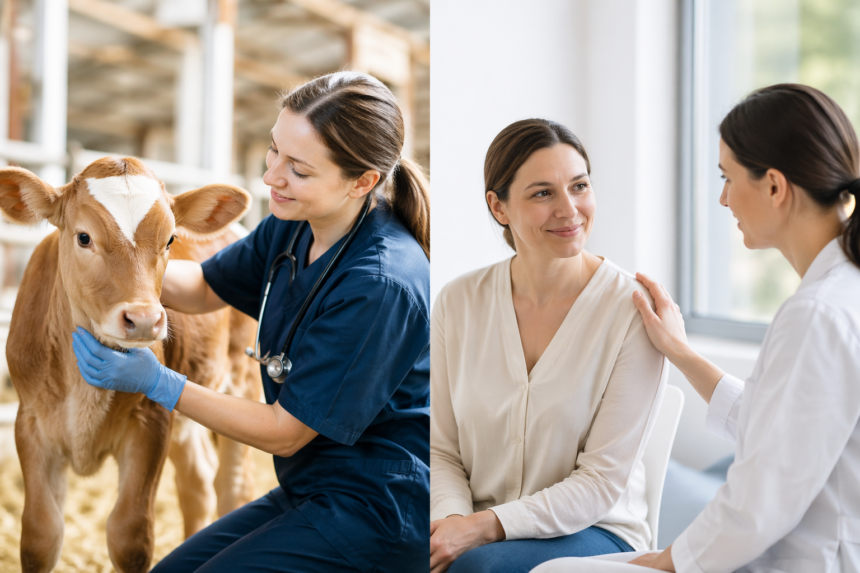
In animals with bovine viral diarrhea, there is no standard direct antiviral cure, so care focuses on support, biosecurity, testing, and herd management. In humans with bacterial vaginosis, treatment is usually targeted antibiotic therapy. That means the human version of Treatment for BVD is often short course medication, while the animal version is much more about disease management and outbreak control.
Another key difference is recurrence. The CDC notes that BV can return even after treatment, which is frustrating for many patients. That does not mean the antibiotics failed in every case. It means the bacterial balance can shift again, and follow up care may be needed.
Human BVD Treatment and recovery timeline
For bacterial vaginosis, symptoms often begin improving during or soon after the treatment course, but finishing the full prescribed medication is important even if symptoms fade early. That is one of the most practical points in BVD Recovery for humans. Stopping treatment too soon can increase the chance that symptoms return or that the infection was not fully managed.
Patients should also know a few practical facts:
- Do not self diagnose based only on internet searches
- Similar symptoms can come from yeast infections, trichomoniasis, or other causes
- Recurrent symptoms should be reassessed, not simply guessed at
- Partner treatment is not routinely recommended for male partners, though BV can spread between female sex partners according to the CDC
That makes proper diagnosis a major part of Treatment for BVD in humans. The label may sound simple, but the treatment only works well when the diagnosis is right.
BVD Control: prevention tips for animals
Because bovine viral diarrhea can create major herd losses, prevention is where the biggest wins happen. Producers and farm managers who treat BVD Control seriously often save far more money than those who wait until obvious illness appears.
Helpful prevention steps include:
- Buy cattle from low risk or tested sources
- Quarantine additions before mixing them into the herd
- Test animals when advised by a veterinarian
- Investigate reproductive losses and weak calves promptly
- Remove PI animals from the breeding and production cycle
- Follow a veterinarian designed vaccination plan
- Keep visitor, vehicle, and equipment biosecurity tight
This is where a lot of successful BVD Treatment really happens. Good control prevents future treatment crises.
BVD Control: prevention tips for humans
For bacterial vaginosis, prevention is more about lowering the risk of imbalance and getting proper care early. Public health sources stress medical evaluation when symptoms appear, especially because other infections can look similar.
Smart everyday steps include:
- Seek BVD diagnosis instead of guessing
- Complete the full medication course
- Return for reassessment if symptoms keep coming back
- Avoid practices that may disrupt normal vaginal balance, especially if advised by a clinician
- Take pregnancy related symptoms seriously and get medical care promptly when needed
Animal vs human BVD Treatment at a glance
| Topic | Animals | Humans |
|---|---|---|
| What BVD usually means | Bovine viral diarrhea | Usually bacterial vaginosis in casual search language |
| Cause | Viral infection from BVDV | Bacterial imbalance in the vagina |
| Main treatment | Supportive care and herd management | Antibiotics such as metronidazole or clindamycin |
| Key control strategy | Test and remove PI animals, vaccination, biosecurity | Proper diagnosis, prescribed treatment, follow up if recurrent |
| Recovery pattern | Variable, depends on severity and PI status | Often improves with treatment, but recurrence can happen |
This side by side view makes one thing clear. BVD Treatment is not one topic. It is really two unrelated medical discussions that only share an abbreviation.
Common mistakes people make when searching BVD Treatment
A lot of confusion comes from using the same abbreviation for different conditions. Here are the most common mistakes:
- Assuming animal and human BVD are the same illness
- Expecting cattle to have a simple one drug cure
- Thinking antibiotics treat bovine viral diarrhea virus
- Treating human vaginal symptoms without a proper diagnosis
- Ignoring recurrence or herd level disease sources
Avoiding those mistakes makes Treatment for BVD more effective from the start.
Conclusion
The term BVD Treatment can be misleading unless you know which condition is being discussed. In animals, it usually means bovine viral diarrhea, where treatment focuses on supportive care, management of complications, and strong herd level BVD Control through testing, biosecurity, vaccination, and removal of persistently infected animals. In humans, it usually points to bacterial vaginosis, where treatment is based on targeted antibiotics and proper follow up if symptoms return.
The biggest takeaway is simple. BVD Recovery depends on correct identification first. If the case involves cattle, think veterinary diagnosis, herd protection, and long term control. If the case involves humans, think clinical diagnosis, the right medicine, and completion of treatment. For readers wanting broader background on bovine viral diarrhea, understanding the name itself helps make the treatment differences much easier to follow.