



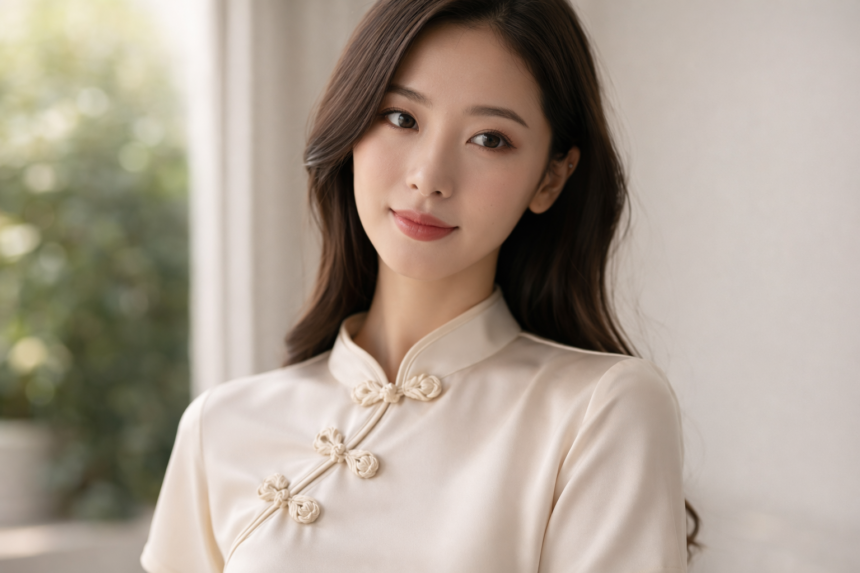
Some design details never really disappear. They simply wait for the right moment to feel fresh again. Kancing Shanghai is one of those details. Known for its elegant looped structure and ornamental look, this classic closure brings together function, craftsmanship, and visual character in a way that ordinary buttons rarely do. In modern fashion, where many outfits lean on minimal lines and clean tailoring, Kancing Shanghai adds a refined accent that feels thoughtful rather than excessive.
- What Is Kancing Shanghai?
- The History Behind This Classic Closure
- Why Kancing Shanghai Still Looks Stylish Today
- How Kancing Shanghai Changes the Look of an Outfit
- Kancing Shanghai in Modern Fashion Design
- Fabrics and Garments That Work Best With Kancing Shanghai
- Styling Kancing Shanghai for Everyday Wear
- Cultural Value and Design Respect
- Buying Tips: What to Look for in Quality Kancing Shanghai Pieces
- Common Questions About Kancing Shanghai
- Final Thoughts on Kancing Shanghai in Modern Outfits
At its core, Kancing Shanghai refers to the decorative Chinese-style knot closure often associated with cheongsam, qipao, and other garments influenced by traditional Chinese dress. In English, these are commonly called frog closures or pankou. They are made from looped fabric, cord, or braided material and are designed to fasten a garment while also acting as an important style feature. Historically, this type of fastening has been part of Chinese clothing for centuries, and in modern fashion it remains closely linked to the visual identity of cheongsam and similar garments.
What makes Kancing Shanghai so interesting today is that it does not feel trapped in the past. Designers keep returning to it because it instantly gives clothing a more polished and intentional appearance. A plain blouse becomes more distinctive. A tailored jacket gains character. A dress that might otherwise look simple suddenly feels graceful, artistic, and memorable.
What Is Kancing Shanghai?
Kancing Shanghai is best understood as a decorative fabric closure built from two main parts: a knot or button-like element on one side and a loop on the other. When fastened, the closure keeps the garment shut while creating a visually attractive focal point. Unlike standard plastic or metal buttons, this closure is integrated into the design language of the garment itself. It does not merely hold fabric together. It becomes part of the garment’s personality.
These closures are most often seen on garments with mandarin collars, side-fastened tops, cheongsam dresses, Tang-style jackets, and occasion wear influenced by East Asian tailoring traditions. On some pieces, the closures are simple and understated. On others, they are intricate, floral, symmetrical, and highly decorative. That range is one reason they continue to appeal to both traditional and modern fashion makers.
In practical terms, Kancing Shanghai sits at the intersection of utility and ornament. That dual role is exactly why it has endured.
The History Behind This Classic Closure
The broader fastening style behind Kancing Shanghai is widely known as the Chinese frog closure or pankou. Historical references place the development of similar braided fabric fasteners in China centuries ago, with roots linked to traditional knotting techniques and early garment fastening methods. Sources discussing pankou trace its use back at least to the Song dynasty, while later Chinese fashion developments expanded both the functional and decorative possibilities of these closures.
Its cultural visibility grew even more through garments such as the qipao, also called the cheongsam. The modern qipao emerged in Shanghai in the early twentieth century and became one of the most recognizable silhouettes in Chinese fashion history. The standing collar, asymmetrical opening, and decorative fasteners all worked together to create a look that felt both modern and unmistakably rooted in Chinese dress aesthetics. Shanghai played a major role in transforming the qipao into a fashion icon during the 1920s and 1930s, which helps explain why closures associated with that visual tradition are often connected with the name “Shanghai” in popular usage.
Museum collections at The Metropolitan Museum of Art include cheongsam examples from the 1930s, showing how firmly the style had entered the fashion record by that time. Those garments remain valuable evidence that these closures were not minor trims. They were central to the garment’s identity.
Why Kancing Shanghai Still Looks Stylish Today
Fashion changes quickly, but certain details survive because they offer something beyond trend value. Kancing Shanghai continues to matter because it adds dimension, texture, and cultural richness without demanding loud styling.
The first reason is visual elegance. The curved lines and handcrafted look soften the hard edges of structured clothing. Modern outfits can sometimes feel overly sleek or impersonal. A fabric knot closure introduces warmth and artistry.
The second reason is uniqueness. Standard buttons are everywhere. Kancing Shanghai feels special. Even on a simple linen top or monochrome dress, it gives the eye somewhere to pause. That small detail often becomes the element people remember most.
The third reason is versatility. While many people associate it with formal Chinese dress, contemporary fashion uses similar closures on tops, jackets, cardigans, coats, bridalwear, occasion outfits, and even fusion streetwear. A 2026 report from the South China Morning Post highlighted renewed public interest in Chinese-style frog buttons after they appeared on a viral Adidas Tang-style jacket, showing that the closure still resonates in modern fashion culture.
How Kancing Shanghai Changes the Look of an Outfit
A garment fastener usually disappears into the outfit. Kancing Shanghai does the opposite. It shapes the overall mood of the piece.
On a fitted dress, it creates elegance. On a cropped jacket, it adds heritage character. On a loose blouse, it gives softness and movement. On eveningwear, it feels refined and artistic rather than purely decorative. Because the closure is often made from fabric or cord rather than hard material, it blends with the garment while still standing out.
This balance is what makes it so effective. It can be eye-catching without looking flashy.
There is also a rhythm to repeated closures placed along the neckline, chest, or side opening. That repeated pattern draws attention vertically and can subtly influence how the garment is perceived on the body. A line of closures can make an outfit appear more elongated, more tailored, or more deliberate in construction.
Kancing Shanghai in Modern Fashion Design
Today’s designers often borrow traditional elements and reinterpret them for modern wardrobes. Kancing Shanghai fits naturally into that process. It pairs especially well with the current interest in slow fashion, visible craftsmanship, and heritage-inspired details.
You can now see this classic closure used in several ways:
- On minimalist dresses as a single statement fastening near the collar
- On blazers and lightweight jackets as a decorative front closure
- On occasion wear to create a sophisticated East-meets-modern aesthetic
- On casual tops to add texture and personality
- On modest fashion pieces where elegant closure details are especially valued
What matters is placement and proportion. When used carefully, Kancing Shanghai elevates a piece. When overused without purpose, it can make a garment look costume-like. The best modern designs respect the closure’s history while adapting it to contemporary silhouettes.
That is why styling discipline matters. A sleek cut, quality fabric, and thoughtful spacing allow the closure to feel current.
Fabrics and Garments That Work Best With Kancing Shanghai
Not every fabric handles this detail equally well. The most successful results usually come from materials that have enough structure to support the closure while still allowing some softness.
Silk and satin offer a polished finish and are common in formal garments. Linen and cotton work beautifully for relaxed, breathable tops and dresses. Brocade gives a more traditional and ceremonial look. Wool blends can make the closure feel sophisticated on outerwear and tailored jackets.
The closure works especially well on these garment types:
| Garment Type | Why Kancing Shanghai Works Well |
|---|---|
| Cheongsam or qipao dresses | Preserves the classic visual language of the garment |
| Mandarin-collar blouses | Enhances the neckline and creates a clean focal point |
| Cropped jackets | Adds heritage detail to structured pieces |
| Occasion dresses | Brings elegance and handcrafted charm |
| Long tunics | Creates vertical interest and a refined finish |
The key is harmony. The closure should look like it belongs to the garment, not like it was added at the last minute.
Styling Kancing Shanghai for Everyday Wear
One reason this closure is returning to broader fashion conversation is that it can be styled more casually than many people assume.
A plain black blouse with one or two Kancing Shanghai fastenings can work with straight-leg trousers for a smart everyday look. A neutral-toned linen top with frog closures pairs well with wide-leg pants and flat sandals. A structured jacket with matching closures can be worn over a simple dress for a polished office-to-dinner outfit.
For people who want to wear the detail without leaning too formal, the best approach is balance. Let the closure be the special element and keep the rest of the outfit simple. Clean lines, solid colors, and understated accessories usually work best.
This is also where modern tailoring helps. When the cut is contemporary, the classic closure feels fresh rather than old-fashioned.
Cultural Value and Design Respect
Because Kancing Shanghai is connected to traditional Chinese clothing practices, it deserves thoughtful use. Fashion has always borrowed across regions and cultures, but there is a difference between respectful adaptation and careless imitation.
Respect begins with understanding what the closure is and where it comes from. It is not just an exotic embellishment. It is part of a long design tradition tied to Chinese garment construction, craftsmanship, and symbolism. Historical descriptions of pankou note not only their practical function but also the decorative meanings attached to shapes and motifs across Chinese dress history.
For brands and designers, respectful use means good research, thoughtful design integration, and clear acknowledgment of inspiration. For everyday wearers, it means appreciating the detail as part of a real cultural tradition rather than treating it as a novelty.
That awareness often leads to better styling choices anyway. Clothes look better when worn with understanding.
Buying Tips: What to Look for in Quality Kancing Shanghai Pieces
If you are shopping for a garment that features Kancing Shanghai, look closely at construction.
First, check alignment. The closure should sit evenly and fasten smoothly. If it pulls awkwardly, the garment may be poorly made.
Second, inspect stitching. Because these closures are both functional and decorative, weak stitching is a bad sign. The area around the closure should feel secure and cleanly finished.
Third, consider material harmony. High-quality pieces usually match the closure fabric or cord to the garment in a deliberate way. The closure should complement the texture and weight of the clothing.
Fourth, think about use. If you want everyday wear, choose simpler closures on easy fabrics like cotton or linen. If you want occasionwear, more elaborate shapes and richer fabrics can work beautifully.
Finally, pay attention to comfort. Decorative clothing should still be wearable. A closure that looks stunning but feels stiff or impractical may not become a favorite piece in your wardrobe.
Common Questions About Kancing Shanghai
Is Kancing Shanghai only for traditional clothing?
No. While it is strongly associated with traditional Chinese-inspired garments, modern designers use similar closures on blouses, jackets, dresses, and fusion fashion pieces. Its appeal today comes from how well it adapts to contemporary cuts.
Is Kancing Shanghai functional or decorative?
It is both. Historically and today, these closures fasten garments while also serving as visual design elements. That dual purpose is one of the reasons they remain relevant.
Does Kancing Shanghai suit minimalist fashion?
Yes, especially when used sparingly. One or two closures on a clean silhouette can add just enough texture and distinction without overwhelming a minimalist look.
Can men wear garments with Kancing Shanghai?
Absolutely. Similar closures appear on jackets and garments inspired by traditional Chinese menswear as well. Modern fashion increasingly treats the detail as a design feature rather than something limited by gender.
Final Thoughts on Kancing Shanghai in Modern Outfits
Kancing Shanghai proves that a small detail can completely change how clothing feels. It adds grace, cultural depth, and handcrafted beauty to garments that might otherwise look ordinary. More importantly, it does this without sacrificing practicality.
That is why the detail continues to endure. It is timeless, but not stuck in time. It is traditional, but still adaptable. In a fashion landscape full of fast trends and forgettable finishes, Kancing Shanghai offers something richer: design with memory, shape, and meaning.
When used well, it does more than close a garment. It creates identity. That is the real reason this classic closure still adds style to modern outfits.
In many ways, its continuing appeal reflects the lasting influence of Chinese clothing traditions on contemporary design, especially when heritage details are reinterpreted with care and modern styling.