


There is something instantly appealing about the phrase Arti Delicious. It sounds warm, personal, and inviting, the kind of name people associate with food made at home rather than food made for a catalog. Public mentions of the term online mostly connect it with recipe sharing, home cooking, and delicious everyday dishes, which makes it a strong fit for an article centered on homemade food ideas people genuinely want to cook and eat.
- Why Arti Delicious Fits Today’s Homemade Food Culture
- What People Usually Expect From Arti Delicious Food Ideas
- The Core Ingredients Behind an Arti Delicious Kitchen
- Homemade Food Ideas That Everyone Wants to Try
- What Makes a Homemade Dish Truly Memorable
- How Arti Delicious Can Be Healthier Without Losing Flavor
- Budget-Friendly Cooking Is Part of the Appeal
- Food Safety Still Matters in Every Homemade Kitchen
- Arti Delicious as a Personal Cooking Identity
- Why Readers Keep Coming Back to Homemade Food Content
- Final Thoughts on Arti Delicious
That is exactly why Arti Delicious works so well as a food concept. It suggests meals that feel approachable, flavorful, and made with care. In a time when more people are paying attention to cost, health, and the quality of what they eat, homemade food has become more attractive again. Recent reporting and consumer research show many adults expect to cook as much as or more than before, often because of health goals and budget concerns.
So when people come across a phrase like Arti Delicious, they are likely looking for inspiration that feels practical. They want dishes that taste special without requiring restaurant-level skill. They want meals they can actually make on a weeknight, serve to family, or post proudly after getting the recipe just right.
Why Arti Delicious Fits Today’s Homemade Food Culture
Homemade food is no longer seen as old-fashioned or time-consuming in a negative way. For many people, it represents control, comfort, and creativity. Cooking at home gives you more say over ingredients, portion sizes, seasoning, and overall balance. Research has linked home-cooked meals with better alignment to dietary guidelines, while trusted health sources also note that people who eat at home more often often show better weight, cholesterol, and blood sugar patterns than frequent eat-out diners.
That wider shift is what makes Arti Delicious feel relevant. It speaks to a style of cooking that is not just about eating, but about choosing better ingredients, getting more value from groceries, and turning everyday meals into something memorable. Even simple dishes can feel elevated when they are cooked with intention.
Another reason the idea works is emotional connection. Homemade meals carry meaning that takeout rarely does. A lentil curry made from a family method, a tray of roasted vegetables with fresh herbs, or a weekend dessert that fills the kitchen with a familiar smell can become part of a household routine. That emotional layer matters because food is rarely just fuel. It is memory, hospitality, culture, and rhythm.
What People Usually Expect From Arti Delicious Food Ideas
When readers land on a topic like Arti Delicious, they are usually not searching for complicated culinary theory. They want food ideas that are realistic and satisfying. They want something that feels achievable.
Most of the time, that means recipes with a few clear traits. The dish should use ingredients people can actually find. The steps should be manageable even for a home cook who is busy. The final result should look and taste good enough to repeat. And ideally, the recipe should offer some room for flexibility, because real kitchens are not perfect and most people cook with substitutions at least some of the time.
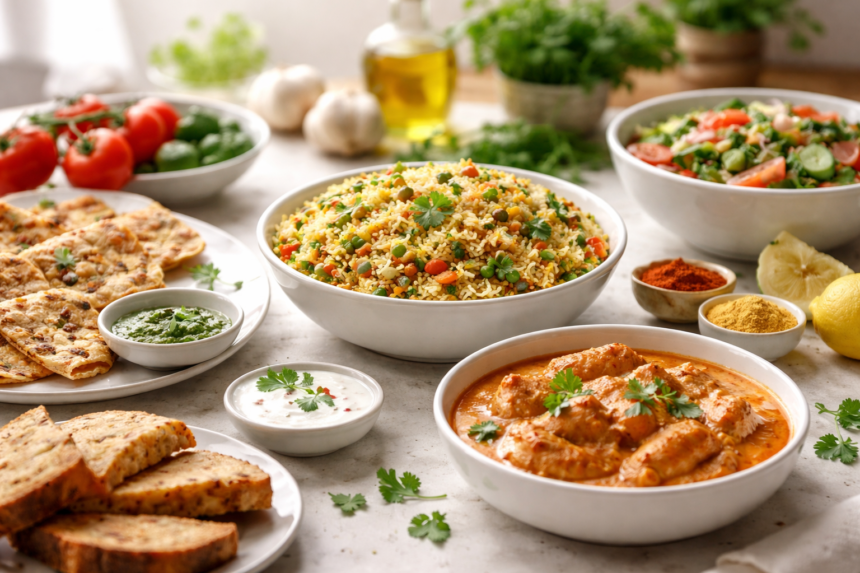
This is why the most successful homemade food content tends to center on meals like spiced rice bowls, creamy pasta with vegetables, quick skillet chicken, stuffed flatbreads, baked snacks, yogurt-based breakfasts, and simple desserts. These foods are familiar, but they still leave enough room for a personal touch.
The Core Ingredients Behind an Arti Delicious Kitchen
A kitchen built around Arti Delicious ideas does not need luxury ingredients. It needs smart staples. The real foundation of good homemade cooking is a pantry and fridge that make it easy to build flavor.
Fresh vegetables matter because they add texture, color, and nutrition. Whole grains, beans, lentils, eggs, yogurt, herbs, and spices make home meals feel complete without becoming expensive. Health authorities continue to emphasize patterns built around vegetables, legumes, whole grains, and healthy fats, which is one reason Mediterranean-style home cooking is often praised as both practical and beneficial.
The best part is that you do not need to cook in one strict style. Arti Delicious can include South Asian comfort food one day, a Mediterranean-inspired grain bowl the next day, and a cozy baked pasta on the weekend. The theme is not cuisine purity. The theme is homemade food that people enjoy enough to make again.
Homemade Food Ideas That Everyone Wants to Try
The easiest way to understand the appeal of Arti Delicious is to look at the kinds of dishes that naturally fit the name.
A masala omelet wrap is one of them. It is fast, affordable, and deeply satisfying. Eggs cook quickly, onions and herbs add freshness, and the wrap format makes it practical for breakfast or lunch. It feels homemade in the best possible way.
A one-pot chicken and rice meal also fits perfectly. People love meals that reduce cleanup and still deliver strong flavor. A dish like this can be built with garlic, onions, tomatoes, warm spices, and a finishing squeeze of lemon. It is the kind of dinner that works for both family meals and next-day leftovers.
Vegetable pulao with yogurt dip is another strong example. It is light enough for lunch but substantial enough for dinner. It also suits the way many people want to eat now, with more vegetables and fewer ultra-processed options.
Creamy tomato pasta with chili flakes and basil belongs in the same conversation. Even when the ingredients are simple, the result feels generous. Readers are drawn to recipes like this because they balance comfort and convenience.
Then there are the small treats that make homemade cooking feel joyful. Banana bread, semolina cake, baked potatoes with spiced yogurt, fruit parfaits, and homemade chutneys all give the kitchen a lived-in, creative energy. These are not only recipes. They are repeatable rituals.
What Makes a Homemade Dish Truly Memorable
The difference between an average home meal and one people crave again is rarely complexity. It usually comes down to a few details.
Seasoning matters more than many people think. Salt, acid, heat, and aroma need balance. A squeeze of lemon at the end can wake up a heavy dish. Fresh herbs can make something simple taste brighter. Toasted spices can add depth that feels restaurant-quality without much extra cost.
Texture matters too. A creamy curry is better with something crisp on the side. A soft rice dish benefits from roasted nuts or caramelized onions. A fresh salad next to a baked meal can completely change the eating experience.
Timing also plays a role. Overcooked vegetables lose character. Undercooked aromatics keep a dish from reaching its potential. Many of the best Arti Delicious meals are successful because they respect the small moments in cooking, not because they rely on fancy techniques.
How Arti Delicious Can Be Healthier Without Losing Flavor
A lot of people still assume healthy homemade food must be plain. That is one of the biggest myths in home cooking. The truth is that flavorful food and balanced food can easily belong together.
Home cooks have the advantage of control. They decide how much oil goes into the pan. They choose whether a sauce is built on cream, yogurt, tomatoes, or blended vegetables. They can add more beans, more greens, more fiber, and less sodium if needed. That freedom is one reason home cooking is so often connected with better dietary outcomes.
An Arti Delicious approach to healthier meals would not remove pleasure from the table. It would simply shift the balance. Grilled or baked proteins instead of heavily fried versions. Yogurt-based sauces in place of heavier alternatives when it makes sense. More lentils, chickpeas, beans, and vegetables worked naturally into meals. Whole grains used where they fit the dish instead of being forced into every recipe.
That is also more sustainable in real life. People stick with food habits when the meals still feel enjoyable.
Budget-Friendly Cooking Is Part of the Appeal
Homemade food is not only about health. It is also about value. Consumer surveys continue to show that cost is one of the strongest reasons people plan to cook at home more often.
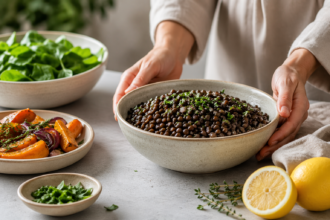
This budget angle gives Arti Delicious another layer of relevance. A good home cook knows how to stretch ingredients without making meals feel repetitive. One roast chicken can become dinner on day one, sandwiches or wraps on day two, and soup or broth after that. A pot of cooked lentils can become curry, salad, or a filling for stuffed flatbread. Rice can turn into fried rice, rice bowls, or lightly spiced patties the next day.
That kind of kitchen logic matters more than ever. It saves money, reduces waste, and makes homemade food feel smarter rather than harder.
Food Safety Still Matters in Every Homemade Kitchen
No homemade food discussion is complete without food safety. Delicious meals need safe handling from start to finish. The USDA advises refrigerating perishable foods within two hours, or within one hour if the temperature is above 90°F, and recommends reheating leftovers to 165°F. Properly handled leftovers are generally best used within about four days.
For a kitchen shaped by Arti Delicious, this is not a small detail. It is part of good cooking. Storing food well, cooling it promptly, and reheating it correctly protect both flavor and health. A beautiful homemade meal loses its value if leftovers are mishandled.
Arti Delicious as a Personal Cooking Identity
One reason the phrase has potential is that it sounds like more than a recipe label. It sounds like a cooking identity. People are drawn to names that feel human. They suggest that someone real is behind the food, someone who cooks with taste, instinct, and a bit of personality.
That matters in food publishing. Readers connect more deeply with food content when it feels lived-in. They do not just want ingredient lists. They want context. They want to know whether a dish is perfect for rainy evenings, summer lunches, family gatherings, or fast workday dinners.
This is where Arti Delicious becomes bigger than a title. It becomes a recognizable tone. Warm food. Practical methods. Reliable flavor. Meals that look inviting without feeling staged.
Why Readers Keep Coming Back to Homemade Food Content
People return to homemade food content for the same reason they return to favorite dishes. They want reliability with room for inspiration. A good recipe article does not just tell readers what to cook. It helps them imagine success before they start.
That is why publish-ready content around Arti Delicious should always speak to the real experience of cooking. Mention how the kitchen smells when onions and garlic hit the pan. Mention how a sauce thickens and changes color. Mention what can be prepped ahead and what tastes even better the next day. These details turn a recipe concept into a believable kitchen moment.
In many ways, the strongest homemade food articles succeed because they sound like they come from someone who actually cooks, not someone summarizing food from a distance.
Final Thoughts on Arti Delicious
At its heart, Arti Delicious represents what so many readers want right now: homemade food ideas that feel tasty, comforting, practical, and worth repeating. It fits the growing interest in cooking at home, eating with more intention, and turning ordinary ingredients into meals people genuinely look forward to. Public references to the term point toward recipe and food-sharing contexts, and that makes this homemade-food angle both natural and useful.
The beauty of the concept is that it does not need to be limited to one recipe style. It can include quick breakfasts, nourishing lunches, family dinners, comforting snacks, and desserts that feel personal rather than mass-produced. It belongs to the world of home cooking, where flavor and feeling matter equally.
And that is why Arti Delicious works so well as a modern food topic. It sounds like care. It sounds like appetite. It sounds like the kind of homemade cooking people still make time for because the result feels better on the table and better in everyday life. In the broader history of home cooking, that appeal has never really gone away. It has simply found new names, new audiences, and new kitchens.