



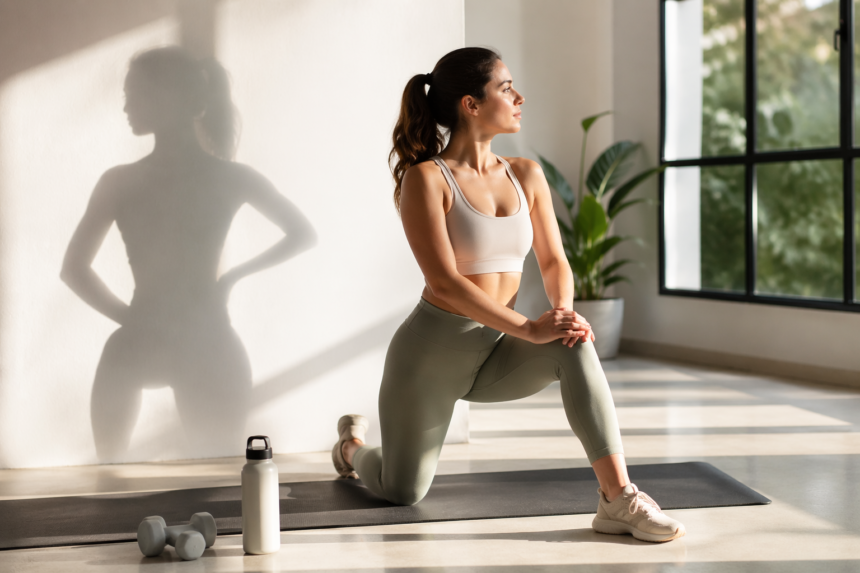
If you want to shape your body, you do not need a punishing routine, expensive equipment, or a perfect meal plan that falls apart after three days. What you need is consistency. The truth is that simple daily actions often do more for long-term results than short bursts of extreme motivation. When people talk about getting in shape or trying to shape slim muscles and a leaner frame, they usually imagine dramatic changes. In real life, the body responds best to repeated habits that are realistic enough to keep doing.
- Why simple habits work better than extreme plans
- What it really means to shape your body
- Habit 1: Walk every day, even if it is not perfect
- Habit 2: Strength train at least two to four times a week
- Habit 3: Eat enough protein and build meals around whole foods
- Habit 4: Stop chasing sweat and start chasing progression
- Habit 5: Protect your sleep like it is part of training
- Habit 6: Make movement part of your normal day
- Habit 7: Train the body you have, not the one social media sells
- A realistic weekly rhythm for body shaping
- Common mistakes that slow results
- What results should you expect?
That is why this article focuses on daily fitness habits you can actually live with. Not trends. Not fitness myths. Not a plan that expects you to train like an athlete while juggling work, family, stress, and lack of sleep. Just practical habits that help shape your body gradually, improve energy, and support better health over time.
A strong body is built in ordinary moments. It is built when you take the walk instead of staying planted in a chair. It is built when you do a short strength session even when you do not feel like it. It is built when you choose food that supports recovery and not just cravings. According to the CDC and WHO, adults should aim for at least 150 minutes of moderate activity each week and muscle-strengthening work on two or more days. That foundation alone can make a meaningful difference in body composition, energy, and health when done consistently.
Why simple habits work better than extreme plans
Most people fail not because they are lazy, but because their plan asks too much too soon. They go from zero movement to daily hard workouts, cut out every favorite food, and expect quick visible results. Then real life happens. Energy drops. Motivation fades. The routine becomes a burden.
Simple habits work because they lower resistance. A 20-minute walk feels doable. Ten minutes of bodyweight training feels manageable. Preparing a better breakfast feels easier than trying to overhaul every meal in one day. These actions may look small, but stacked together, they create momentum.
That momentum matters. Once your body starts moving more often, your appetite, sleep, mood, and strength begin to shift. You may not notice dramatic visual change in the first week, but your system is adapting. That is how sustainable transformation starts.
What it really means to shape your body
When most people say they want to shape their body, they usually mean one or more of these things:
- Reduce body fat
- Build or maintain lean muscle
- Improve posture and tone
- Feel lighter, stronger, and more confident
- Create a more balanced shape slim look without extreme dieting
Body shaping is not just about losing weight. You can lose weight and still feel weak, stiff, or unhappy with how your body looks. Real progress comes from improving body composition, which means the balance of fat mass and lean mass. Resistance training, regular movement, quality sleep, and a better diet all play a role here. Research reviews have found that exercise training, especially when done consistently, can improve body weight and body composition in adults with overweight or obesity, while resistance-based training is especially useful for lean mass and fat-related measures.
Habit 1: Walk every day, even if it is not perfect
Walking is underrated because it looks too simple. But it is one of the easiest ways to increase daily calorie burn, support cardiovascular health, reduce stress, and build consistency. It is also accessible for beginners.
You do not need to chase a trendy step count from day one. Start with what you can do now. If you currently walk very little, begin with 15 to 20 minutes a day. Once that feels normal, build up. A walk after meals can be especially helpful because it adds movement without making exercise feel like a separate burden.
Here is a practical way to build the habit:
- Week 1: 15 minutes daily
- Week 2: 20 minutes daily
- Week 3: 25 minutes daily
- Week 4: 30 minutes daily
That may not sound life-changing, but done regularly, it shifts your daily activity level in a major way.
Habit 2: Strength train at least two to four times a week
If your goal is to shape your body, strength training should be part of your routine. Cardio helps with fitness and calorie expenditure, but strength work helps sculpt the body by building muscle and improving how your frame looks and functions.
The good news is that you do not need a complex split routine. A simple full-body approach works very well for most people.
A beginner-friendly full-body structure
| Movement | Example |
|---|---|
| Lower body push | Squats or chair squats |
| Hip hinge | Glute bridges or Romanian deadlifts |
| Upper body push | Push-ups or incline push-ups |
| Upper body pull | Rows with bands or dumbbells |
| Core | Planks or dead bugs |
Start with two or three sessions a week. Focus on form first. Add reps or resistance gradually. You do not need to feel destroyed after every session. You need to feel challenged enough to improve and fresh enough to come back again.
This matters even more as you age. Loss of muscle mass and strength becomes more common over time, and regular resistance exercise is one of the best ways to push back against that decline.
Habit 3: Eat enough protein and build meals around whole foods
You cannot out-train a diet that leaves you undernourished, constantly hungry, or stuck in a cycle of cravings. If you want to shape slim muscle and support recovery, protein matters. It helps maintain lean mass, supports fullness, and makes your meals more effective.
You do not need to obsess over every gram, but you do need to take protein seriously. Good options include eggs, Greek yogurt, fish, chicken, beans, lentils, tofu, cottage cheese, and lean cuts of meat. MedlinePlus notes that protein is an essential part of the diet, and the recommended intake for healthy adults generally falls within 10 to 35 percent of total calories, depending on overall needs.
At the same time, your overall eating pattern matters more than one perfect meal. The Dietary Guidelines for Americans emphasize nutrient-dense foods while limiting excess added sugars, saturated fat, and sodium. That does not mean eating in a rigid way. It means building meals that give your body something useful to work with.
A simple plate method
- Half the plate: vegetables or fruit
- One quarter: protein
- One quarter: quality carbs such as rice, oats, potatoes, or whole grains
- Add healthy fats in reasonable portions
This is simple, flexible, and realistic enough for everyday life.
Habit 4: Stop chasing sweat and start chasing progression
A common mistake in fitness is thinking a workout only counts if it leaves you exhausted. Sweat is not the goal. Progress is.
Progress can look like:
- Doing 12 squats instead of 8
- Walking 30 minutes instead of 15
- Using better form than last week
- Recovering faster between sets
- Feeling more energetic during the day
- Sleeping better at night
These changes are not flashy, but they are real signs that your body is adapting. And once that happens, visual changes usually follow.
Habit 5: Protect your sleep like it is part of training
People often separate sleep from fitness, but that is a mistake. Poor sleep can make hunger feel harder to manage, recovery slower, and workouts weaker. Better sleep supports muscle repair, energy, mood, and better decision-making around food and activity.
You do not need a perfect routine, but a few daily actions help:
- Keep a consistent sleep and wake time
- Reduce screens late at night
- Avoid heavy meals right before bed
- Cut back on late caffeine
- Make your room darker and cooler
You may be surprised how much easier it becomes to shape your body when you stop trying to do it while chronically tired.
Habit 6: Make movement part of your normal day
Formal workouts matter, but everyday movement matters too. Many people exercise for 30 minutes and then sit for most of the rest of the day. That can slow progress more than they realize.
Try adding movement in ways that do not feel forced:
- Take calls while walking
- Use stairs when possible
- Park farther away
- Stand up every hour
- Stretch for five minutes in the morning
- Walk after lunch or dinner
WHO has repeatedly emphasized that physical inactivity remains a major global issue, with nearly one third of adults not meeting recommended activity levels. That is why ordinary movement matters so much. It fills the gap between workouts and real life.
Habit 7: Train the body you have, not the one social media sells
Comparison ruins consistency. Social media tends to reward extremes, edited visuals, and unrealistic timelines. But your body responds to your genetics, age, stress level, training history, hormones, and sleep quality. That means your progress should be measured against your own starting point, not someone else’s highlight reel.
A better mindset is this: focus on becoming stronger, more mobile, more energetic, and more consistent. When you do that, appearance changes usually become a result, not the only goal.
This shift is powerful because it takes the pressure off perfection. You stop trying to punish your body into changing and start supporting it instead.
A realistic weekly rhythm for body shaping
Here is a simple example of how to shape your body with habits that fit normal life:
Monday: 30-minute walk + 20-minute strength workout
Tuesday: Light walk + stretching
Wednesday: 30-minute walk + strength workout
Thursday: Recovery walk or gentle mobility work
Friday: 30-minute walk + strength workout
Saturday: Active lifestyle day, longer walk, cycling, or sports
Sunday: Easy movement and rest
This kind of week is enough for many people to see and feel progress, especially if nutrition and sleep improve alongside it.
Common mistakes that slow results
Doing too much too soon
You feel motivated, so you go all in. Then soreness, fatigue, or schedule pressure knocks you off track. Start smaller than your ego wants. Build slower than your impatience wants.
Undereating and calling it discipline
If you are always exhausted, hungry, and thinking about food, your plan is probably too aggressive. Fat loss should feel structured, not miserable.
Ignoring strength work
Cardio has value, but if you want a firmer and more defined body, strength training helps shape it far more effectively.
Quitting before adaptation happens
The body does not change on command. It changes with repeated input. Stay long enough for the habits to work.
What results should you expect?
In the first two weeks, you may notice more energy, better mood, less stiffness, and better sleep before you notice visual changes. In four to eight weeks, many people start seeing better posture, slight muscle tone, improved stamina, and a leaner look if their food habits are also improving.
The exact timeline varies, but the important thing is this: body shaping is not one giant breakthrough. It is a chain of small wins that build on each other.
If you stay consistent with walking, strength training, better food choices, and recovery, your body will respond. Maybe not overnight. But steadily, and in a way that lasts.
In the end, shape your body by respecting the basics. Walk often. Lift regularly. Eat with intention. Sleep enough. Move more than you sit. Be patient enough to let simple habits do their job. That is how real fitness works, and that is how people build results they can actually keep.
And if you want a broader overview of how healthy movement and conditioning fit into long-term wellness, the concept of physical fitness offers useful background. The goal is not perfection. The goal is to create a body that feels stronger, moves better, and supports the life you want to live.
A shape slim body is rarely built through shortcuts. It is usually built through repeatable choices that stop feeling like punishment and start feeling like part of who you are. Keep it simple, keep it consistent, and let daily habits carry the results.