

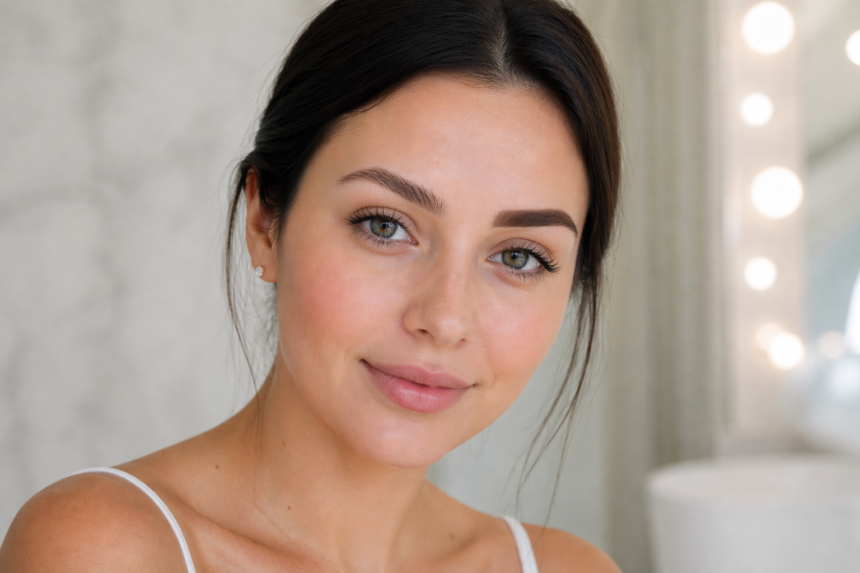
If you are torn between Mikrobleidingas and powder brows, you are not alone. Both treatments promise fuller, more polished eyebrows, but they create very different finishes on the skin. One is built around fine hair-like strokes, while the other leans into a softer shaded effect that can look more like makeup.
- What Is Mikrobleidingas?
- What Are Powder Brows?
- Mikrobleidingas vs Powder Brows at a Glance
- How the Final Look Differs
- Which One Looks More Natural?
- Skin Type Matters More Than Most People Realize
- Pain, Healing, and Downtime
- Which One Lasts Longer?
- Maintenance and Touch-Ups
- Safety and Risks You Should Not Ignore
- Real-World Example: Who Usually Chooses What?
- Common Myths That Confuse Buyers
- How to Decide Which Look Suits You Best
- Final Verdict
The tricky part is that the “best” option depends less on trends and more on your skin type, daily routine, makeup style, pain tolerance, and long-term expectations. A look that feels beautifully natural on one person can fade unevenly or feel too bold on someone else. That is why choosing between these two brow techniques should never come down to photos alone.
In simple terms, Mikrobleidingas usually suits people who want realistic hair-stroke detail and a more natural brow pattern, while powder brows often work better for those who prefer a soft filled-in finish with longer-lasting visible definition. The right choice depends on how you want your brows to look on bare-skin days, how oily or sensitive your skin is, and how much upkeep you are comfortable with.
This article breaks it all down in plain English so you can make a confident decision before booking an appointment.
What Is Mikrobleidingas?
Mikrobleidingas is a semi permanent brow technique that uses a hand tool with tiny needles to create crisp, hair-like strokes in the skin. The idea is to mimic the appearance of natural brow hairs, especially in sparse areas. The American Academy of Dermatology describes microblading as a semi permanent tattoo approach used to create natural-looking eyebrows, and notes that results are not permanent.
Because the pigment is placed more superficially than traditional tattooing, the result tends to fade over time. A review published in the National Library of Medicine also describes microblading as a form of semi permanent brow enhancement that requires careful aftercare and follow-up maintenance.
In real life, Mikrobleidingas is usually chosen by people who want brows that look like actual strands rather than makeup. If your ideal result is “better brows, but still believable up close,” this treatment often gets the closest to that effect.
What Are Powder Brows?
Powder brows, sometimes called ombré brows or microshading depending on the technique, create a soft, pixelated shading effect rather than individual hair strokes. Healthline describes microshading as a semipermanent cosmetic tattoo method that uses tiny dots of pigment to create fuller brows with a powdered finish.
Instead of trying to copy every hair, powder brows focus on shape, density, and softness. The result can be very subtle when done lightly, or more defined if you like a makeup-ready look.
Many people choose powder brows because they want their eyebrows to look neatly filled in from morning to night without using pencils, pomades, or powder. When healed properly, the finish can look airy and smooth rather than harsh.
Mikrobleidingas vs Powder Brows at a Glance
Here is the clearest side-by-side comparison:
| Feature | Mikrobleidingas | Powder Brows |
|---|---|---|
| Main look | Hair-like strokes | Soft shaded makeup effect |
| Best for | Sparse brows, natural look lovers | Fuller definition, soft glam look |
| Skin compatibility | Often better on normal to dry skin | Often better on oily or combination skin |
| Healed finish | Natural and textured | Smooth and filled-in |
| Maintenance feel | Strokes may need more careful upkeep | Shape often stays visible well |
| Makeup appearance | Less makeup-like | More polished and powdery |
| Good choice for mature skin | Depends on skin texture | Often preferred when strokes may blur |
| Customization | Stroke placement matters most | Density and gradient matter most |
That table gives the quick answer, but the real decision becomes easier when you understand how each treatment behaves on different skin types and lifestyles.
How the Final Look Differs
The biggest difference between Mikrobleidingas and powder brows is visual texture.
With Mikrobleidingas, the artist creates tiny strokes that imitate real brow hairs. When done well, the brow can look soft, feathery, and very natural. This is why people with gaps in the brow or overplucked tails often love it. It can rebuild the illusion of hair where there is little to none.
Powder brows look more diffused. Instead of seeing separate strokes, you see a gentle cloud of pigment that gives the impression of a fuller shape. Some clients describe it as “I woke up with my brows already done.” That is especially appealing if you regularly fill in your eyebrows anyway.
If you rarely wear makeup and want a barely-there improvement, Mikrobleidingas may feel more like your style. If you like a tidy, lifted, softly defined brow every day, powder brows may suit you better.
Which One Looks More Natural?
This depends on what “natural” means to you.
If you think natural means individual strands that resemble real brow hair, Mikrobleidingas usually wins. Hair-stroke work is designed for that exact effect.
If you think natural means a soft, even brow that flatters the face without needing a makeup bag, powder brows can still look natural too. Modern powder brow work is not always dark or blocky. Skilled artists can build a very airy gradient that heals softer than many people expect.
So the better question is not “Which is more natural?” It is “What kind of natural do I want?”
Skin Type Matters More Than Most People Realize
This is where many people make the wrong choice.
Mikrobleidingas on Oily Skin
Oily skin can be challenging for Mikrobleidingas because the crispness of the strokes may soften faster over time. When the skin produces more oil, those fine lines can blur or heal less sharply, especially if aftercare is poor or the artist works too deeply. Research literature on microblading complications also emphasizes that technique quality and skin response can affect results significantly.
That does not mean oily skin can never get microblading. It means expectations need to be realistic. You may need more frequent touch-ups or a blended approach.
Powder Brows on Oily Skin
Powder brows are often considered a better fit for oily or combination skin because the shaded effect tends to hold visually better than ultra-fine strokes. Since the design does not depend on every line staying crisp, the healed look can remain more even.
This is one reason many artists gently steer oily-skin clients toward powder brows or combo brows instead of pure Mikrobleidingas.
Dry, Normal, and Mature Skin
Dry to normal skin often supports beautiful hair-stroke healing, which is why Mikrobleidingas can look especially impressive on these skin types. Mature skin is more individual. Some mature clients still do well with delicate strokes, while others benefit more from the softness of powder shading because textured skin may not hold razor-sharp stroke work evenly.
A consultation with a skilled artist matters here more than social media inspiration photos.
Pain, Healing, and Downtime
Both procedures involve the skin barrier, so some tenderness, redness, and flaking are normal during healing. Healthline notes that the microblading healing process commonly takes around 25 to 30 days, with visible changes in color and texture during the first couple of weeks.
The aftercare period matters a lot. A peer-reviewed review on microblading notes that, especially in the first 48 hours, clients are typically told to avoid touching the brows, heavy workouts, and water exposure, with ongoing care over the following days. Healthline also advises avoiding makeup on the area, swimming, saunas, and picking at scabs during healing.
In everyday terms, here is what many clients notice:
- Mikrobleidingas may feel a bit more scratch-like during the procedure because strokes are being drawn into the skin.
- Powder brows are often described as a repetitive shading sensation.
- Both usually involve a numbing product, though comfort levels still vary from person to person.
- Neither result looks final on day one. Brows often appear darker at first, then soften as they heal.
If you hate the idea of visible flaking or short-term color shifts, it helps to plan your appointment well before weddings, holidays, vacations, or photo events.
Which One Lasts Longer?
This is one of the most common questions, and it deserves an honest answer.
The American Academy of Dermatology says microblading usually lasts about 6 months to 1 year. Some broader beauty references report that results may last longer in certain cases, but real longevity depends heavily on skin type, sun exposure, aftercare, exfoliating products, and how bold the initial work was.
Powder brows are often perceived as longer-lasting in visible definition because the technique relies on shading rather than crisp single strokes. In practice, many artists find that clients keep the look of powder brows longer before feeling the need for a refresh. That is especially true for oily skin clients.
So if your priority is the most delicate realism, Mikrobleidingas may be worth the extra upkeep. If your priority is staying polished with fewer concerns about blurred strokes, powder brows may feel easier to live with.
Maintenance and Touch-Ups
Neither option is fully “one and done.”
Most brow tattoo services include an initial touch-up after healing to reinforce areas where pigment softened. The exact timing varies by studio, but maintenance is part of the process, not a sign that something went wrong.
People are sometimes surprised by this. They expect one appointment to deliver perfect brows forever. In reality, lifestyle plays a huge role in fading. Sweat, skincare acids, sun exposure, and individual skin turnover all matter.
You may prefer Mikrobleidingas if:
- You do not mind occasional maintenance to preserve natural-looking strokes
- You want detail over density
- You are realistic about touch-ups
You may prefer powder brows if:
- You want a shape that stays visually fuller for longer
- You already like the look of softly filled brows
- You want less worry about stroke crispness
Safety and Risks You Should Not Ignore
Because both treatments involve pigment implanted into the skin, they carry real risks. The FDA warns that tattoo and permanent makeup procedures can lead to infections, allergic reactions, scarring, and other skin problems if products or practices are unsafe. The agency also notes past reports tied to contaminated inks and adverse reactions to permanent makeup pigments.
That does not mean you should panic. It means you should choose carefully.
Here is what smart clients look for before booking:
- Proper licensing or compliance with local rules
- Clean, professional workspace
- Single-use needles and strong hygiene practices
- Clear healing instructions
- Honest portfolio with healed results, not just fresh brows
- A patch test or thoughtful allergy discussion where appropriate
A bad brow decision is not always about shape. Sometimes it is about sanitation, poor pigment choice, or an artist promising a result your skin type cannot support.
Real-World Example: Who Usually Chooses What?
Imagine two different clients.
Client A has dry skin, naturally sparse brows, and rarely wears makeup. She wants friends to notice she looks better, not notice she had something done. She is usually a strong candidate for Mikrobleidingas because hair-like strokes match her goal.
Client B has combination skin, fills in her brows every morning, and likes a softly polished appearance. She does not want to worry about strokes blurring. Powder brows usually make more sense for her because the healed finish aligns with her daily style.
There is also Client C, who wants the best of both. That is where combo brows come in, using strokes in the front or sparse sections and shading through the arch and tail. For some people, that blended approach is the sweet spot.
Common Myths That Confuse Buyers
“Mikrobleidingas always looks better because it is more natural.”
Not always. It can look stunning, but only when the skin and technique support crisp healed strokes. On the wrong skin type, the result may not stay as sharp as expected.
“Powder brows are too dark and fake-looking.”
Not true when they are done well. A modern powder brow can heal soft, airy, and elegant.
“Both procedures are the same thing.”
They are related, but not the same. One relies on stroke realism, and the other relies on shaded density. That difference changes the healed finish, maintenance expectations, and skin compatibility.
How to Decide Which Look Suits You Best
If you are still unsure, ask yourself these questions:
- Do I want hair-like texture or a softly filled-in finish?
- Is my skin oily, combination, dry, or mature?
- Do I already fill in my brows every day?
- Am I okay with touch-ups to keep strokes crisp?
- Do I want my brows to be subtle up close or more polished from a distance?
- Do I prefer a no-makeup look or a put-together makeup look?
Your answers usually point in the right direction quickly.
Choose Mikrobleidingas if your dream brow is soft, realistic, and hair-like.
Choose powder brows if your dream brow is smooth, defined, and easy to maintain visually.
Choose combo brows if you love the idea of realism at the front and fullness through the body and tail.
Final Verdict
When comparing Mikrobleidingas vs powder brows, there is no universal winner. There is only the option that suits your face, your skin, and your beauty routine best.
If you want realistic detail and a brow that mimics natural hair, Mikrobleidingas is often the better fit, especially for normal to dry skin and a low-makeup aesthetic. If you want a softer shaded result that looks neat every day and often behaves more predictably on oily skin, powder brows may be the smarter choice.
The best appointment starts with honest expectations. Do not choose based on trend clips alone. Choose based on how you actually live, how your skin behaves, and what kind of brow you want to see in the mirror every morning. For background on the broader technique, you can read more about semi permanent makeup.
A well-done brow treatment should make your features feel balanced, not burden you with regret. That is why the right artist and the right technique matter just as much as the style itself.