

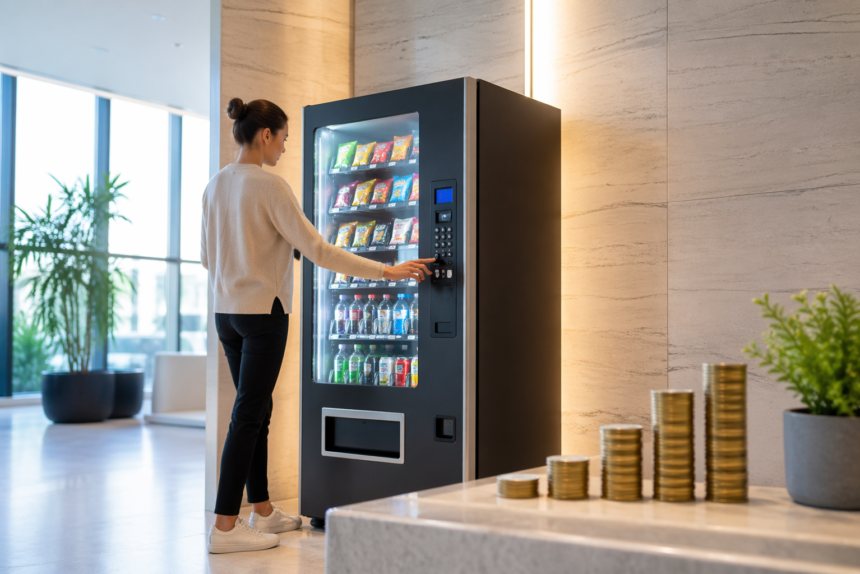
A vending machine business can look simple from the outside, but the operators who make real money usually treat it like a location-based retail business, not a side project they check once a month. That distinction matters. If you pick the right concept, place your machine where demand already exists, and keep products aligned with the people passing by, a vending machine setup can become a practical source of passive income with room to scale.
- Why a vending machine business still makes sense
- What makes a vending machine idea profitable
- Best vending machine business ideas for passive income
- Comparing vending machine ideas by opportunity
- How to choose the right vending machine business idea
- Real-world tips that improve vending machine income
- Common mistakes new vending machine owners make
- Is vending machine income really passive?
- Final thoughts
That is one reason the business still attracts first-time entrepreneurs. The U.S. government classifies vending machine operators as a distinct retail industry, and industry research continues to show strong consumer demand for self-service retail, cashless checkout, and convenient grab-and-go purchases. The NAMA industry census has also reported that cashless acceptance is already common across machines, which makes location quality and product mix even more important than they used to be.
The best vending machine opportunities are not always the biggest or the most expensive. Often, they are the ones built around a clear audience, a manageable operating model, and a location where people already expect convenience. If you want a business model that can start small and grow one machine at a time, these vending machine business ideas are worth serious attention.
Why a vending machine business still makes sense
A vending machine business works because it sits at the intersection of convenience, low staffing needs, and repeat purchases. People buy when the machine is in the right place at the right moment. They are in a hurry, they forgot something, or they want the fastest option available.
The broader retail environment supports that demand. Grand View Research estimates the U.S. retail vending machine market at billions of dollars, and its reports highlight growth drivers such as convenience, cashless payments, and smart machine features. At the same time, the Bureau of Labor Statistics shows food away from home and nonalcoholic beverage prices rising over the past year, which gives operators a real reason to watch pricing, margins, and replenishment costs closely.
That does not mean every vending machine business is easy money. Poor locations, weak inventory choices, and neglected machines can kill performance fast. But a smart operator can use data, local demand, and consistent service to build an income stream that feels far more stable than many trend-based side hustles.
What makes a vending machine idea profitable
Before getting into the best ideas, it helps to understand what actually drives profits. Most successful vending machine operators focus on five things.
First, they choose a location with reliable foot traffic, not random foot traffic. A busy office with 300 employees can outperform a much larger public space if those employees buy every weekday.
Second, they match products to context. Energy drinks may do well in gyms or auto shops, while healthy snacks may move faster in wellness centers, schools, and modern office buildings.
Third, they keep the machine working and clean. A vending machine that accepts cashless payments but has broken selection buttons or empty rows will lose trust quickly.
Fourth, they watch gross margin by item, not just total sales. A low-priced item that moves fast may still underperform a slower item with much better margin.
Fifth, they build systems. Once routes, restocking, remote monitoring, and product rotation become routine, passive income becomes more realistic.
Best vending machine business ideas for passive income
Snack vending machine in office buildings
This is still one of the strongest entry points for a beginner. Office workers want convenience, especially in buildings where the nearest store is a drive away or where employees prefer not to leave the site during short breaks.
A snack vending machine in an office setting can work well because demand is consistent. People buy mid-morning, after lunch, and late afternoon. The best product mix usually includes chips, protein bars, nuts, cookies, and a few healthier options instead of only traditional junk food.
The real advantage here is predictability. Office demand is easier to forecast than event-based demand, which helps with inventory planning and reduces spoilage.
Beverage vending machine in gyms and fitness centers
A beverage-focused vending machine can perform well in places where hydration is part of the routine. Gyms, indoor sports facilities, martial arts studios, and recreation centers often create repeat demand for water, electrolyte drinks, protein beverages, and sugar-free options.
This model works best when the machine reflects the audience. A high-end fitness center may respond well to premium drinks and wellness-oriented snacks, while a budget gym may need more mainstream pricing.
Because beverage machines can be heavy and restocking is more labor-intensive, margins depend heavily on route efficiency and sales volume. Still, in the right location, drink-focused machines can deliver strong weekly turnover.
Healthy vending machine for schools and wellness spaces
The healthy vending machine niche keeps growing because more property managers, employers, and institutions want better-for-you options. Industry research has also pointed to expanding demand for smart vending and category diversification beyond standard soda and candy.
This idea fits schools, colleges, clinics, hospitals, co-working spaces, and wellness centers. Products can include trail mix, granola bars, dried fruit, low-sugar drinks, sparkling water, and portion-controlled snacks.
The key is not to confuse healthy with boring. A healthy vending machine still needs recognizable, satisfying products. If the machine feels restrictive, customers will skip it.
Micro market style vending in apartment complexes
Apartment buildings are becoming one of the most interesting spaces for self-service retail. Residents want late-night access to essentials without leaving the property. A vending machine placed in a lobby, resident lounge, or mailroom area can serve drinks, snacks, frozen items, hygiene products, and even household basics.
This model works especially well in mid-size and upscale multifamily properties where convenience is part of the resident experience. Property managers may welcome the machine because it adds an amenity without increasing staffing.
If you build strong relationships with local apartment operators, one successful placement can lead to several more in the same network.
Specialty vending machine for beauty and personal care
A specialty vending machine can stand out because it solves more specific problems. In malls, airports, salons, hotels, and nightlife areas, people often need quick access to personal care items they forgot or ran out of.
That can include travel-size deodorant, razors, feminine hygiene products, phone chargers, lip balm, lotion, pain relief products where permitted, and grooming essentials. In beauty-focused spaces, lashes, cosmetics, and skincare minis may also sell.
The appeal of this idea is differentiation. Instead of competing directly with every snack machine in town, you create a vending machine offer tied to urgency and convenience.
Laundry room vending machine in multifamily housing
Laundry rooms are underrated. People spend idle time there, and many forget detergent, dryer sheets, stain remover, or small essentials. A vending machine serving laundry products can generate practical, repeat purchases with very little explanation needed.
This concept can also expand into apartment necessities such as trash bags, sponges, batteries, and cleaning wipes. The product mix is simple, the need is real, and the buying intent is strong because customers are already in the middle of a task.
It is not flashy, but it can be reliable. That matters in a passive income business.
School and campus vending machine business
A vending machine placed in a school-adjacent or campus environment can do well if the products and rules match the location. Demand often comes from students, faculty, staff, and visitors looking for speed between classes or during long days.
The operator must understand local policy, nutrition standards, and approval processes before placing equipment. That extra step is worth it because educational sites can provide steady repeat traffic.
A campus vending machine business is often strongest when the operator offers a balanced mix of beverages, quick snacks, and products suited to the age group and institutional standards.
Hotel and travel vending machine concept
Travelers buy for convenience, not perfection. Hotels, bus terminals, train stations, and waiting areas can be excellent locations for a vending machine that offers drinks, snacks, travel-size toiletries, charging accessories, and practical forgotten items.
This is one of the best ideas for higher-margin products because the purchase is often driven by urgency. A traveler arriving late may gladly pay extra for a toothbrush, bottled water, or headache relief item if it saves time.
The big factor here is placement. A machine hidden down a hallway will underperform. A machine near check-in, elevators, or lobby seating has a much better chance.
Smart vending machine for tech-forward locations
Smart vending machine concepts use touchscreen interfaces, remote inventory monitoring, cashless checkout, and in some cases dynamic pricing or product data. This is a higher-investment model, but it can appeal in airports, universities, hospitals, and newer commercial properties.
The reason this matters now is simple. Consumers increasingly expect digital payments and a smooth user experience. NAMA’s census has reported broad cashless adoption, and broader market research continues to tie vending growth to smarter technology and faster service.
A smart vending machine does not guarantee profit, but it can improve uptime, streamline route planning, and make the business easier to scale.
Comparing vending machine ideas by opportunity
Here is a simple view of how these ideas differ in practice.
| Vending Machine Idea | Best Location Type | Startup Complexity | Margin Potential | Restocking Demand |
|---|---|---|---|---|
| Snack vending machine | Offices, schools, break rooms | Low | Medium | Medium |
| Beverage vending machine | Gyms, recreation centers, transit spots | Medium | Medium | High |
| Healthy vending machine | Schools, clinics, wellness spaces | Medium | Medium to High | Medium |
| Apartment complex machine | Multifamily buildings | Medium | High | Medium |
| Beauty and personal care machine | Hotels, malls, salons, airports | Medium | High | Low to Medium |
| Laundry room essentials machine | Apartments, dorms | Low | Medium to High | Low |
| Campus vending machine | Colleges, training centers | Medium | Medium | Medium |
| Travel vending machine | Hotels, terminals, waiting areas | Medium | High | Medium |
| Smart vending machine | Airports, hospitals, universities | High | High | Medium |
How to choose the right vending machine business idea
The best vending machine concept is the one you can actually operate well. A lot of beginners choose based on what sounds exciting instead of what fits their market, budget, and schedule.
Start with locations you can access and service consistently. If you already have a connection with an office manager, gym owner, apartment operator, or local business landlord, that may be more valuable than chasing a flashy niche.
Then think about logistics. Heavy beverage restocking, perishable products, and long routes can turn a promising vending machine business into a stressful one. A simpler product mix with strong margins may suit a solo operator better.
Finally, look at buying behavior, not personal preference. Your favorite snacks do not matter. What matters is what people in that building buy every week.
Real-world tips that improve vending machine income
The operators who last in this business usually follow a few practical habits.
They visit machines often enough to avoid empty columns and payment issues.
They remove slow products instead of hoping sales improve.
They use local seasonality. Cold drinks surge in warmer months. Warm beverage opportunities may matter more in colder climates or office settings.
They test price points gradually rather than making dramatic jumps.
They treat location owners like partners, not gatekeepers. A landlord or property manager who trusts you is more likely to approve another machine later.
They keep records. Sales by SKU, route efficiency, service issues, and spoilage tell you whether a vending machine location is truly profitable.
Common mistakes new vending machine owners make
One of the biggest mistakes is assuming the machine itself is the business. It is not. The real business is product selection, placement, service, and consistency.
Another common mistake is overpaying for used equipment without verifying bill acceptors, refrigeration, card readers, or software support. A cheap vending machine can become expensive fast if it breaks repeatedly.
Some operators also stock too many low-margin items. Others chase low-rent locations with weak foot traffic and then wonder why the machine stays full.
The most expensive mistake, though, is poor placement. A great vending machine in a bad location will usually lose to an average machine in a well-matched one.
Is vending machine income really passive?
A vending machine business can become semi-passive, but it is rarely passive in the beginning. Early on, you are learning your customer, refining inventory, handling service issues, and building relationships with property owners.
Over time, it can feel much more passive if you standardize your route, automate payment reporting, use remote monitoring, and reduce emergency service calls. That is when one machine can become three, and three can become ten.
So yes, a vending machine business can boost passive income, but only after you build the systems that make it predictable.
Final thoughts
The smartest way to enter this space is to stop thinking about a vending machine as a generic box of snacks and start thinking about it as a small retail unit built for a specific audience. That mindset changes everything. It helps you choose better locations, stock smarter products, and avoid the lazy assumptions that keep many machines underperforming.
If you want a business model with flexible growth, modest entry points, and real demand, a vending machine business remains one of the more practical ideas in self-service retail. The opportunity is not in owning a machine. The opportunity is in owning the right machine, in the right place, with the right offer, and managing it with enough discipline to make the numbers work. In that sense, well-run vending machines are less about convenience alone and more about solving small, frequent buying needs better than the alternatives.
Conclusion: Vending Machine business ideas can absolutely boost passive income when the model is built around location quality, product fit, reliable maintenance, and smart scaling. The best Vending Machine strategy is not to copy what everyone else is doing, but to match your Vending Machine concept to a clear audience and operate it like a focused retail business.