



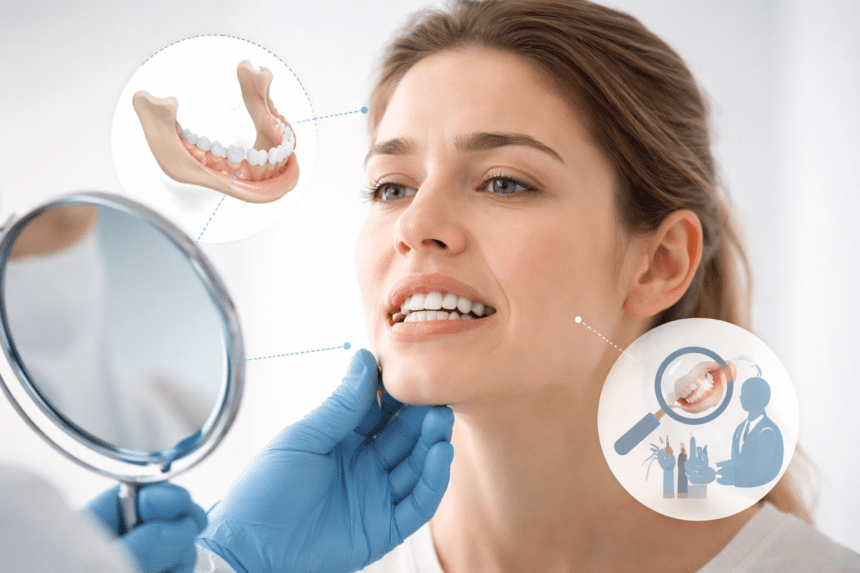
An Underbite is more than a cosmetic issue. It happens when the lower front teeth sit in front of the upper front teeth, often because the lower jaw grows farther forward or the upper jaw does not grow enough. In mild cases, an Underbite may not cause major problems, but moderate to severe cases can affect chewing, speech, tooth wear, gum health, and jaw comfort over time.
- What Is an Underbite?
- What Causes an Underbite?
- Common Underbite Symptoms
- Why an Underbite Should Not Be Ignored
- Underbite in Children vs Adults
- How Dentists and Orthodontists Diagnose an Underbite
- Underbite Treatment Options
- A Quick Comparison of Underbite Treatments
- How Long Does Underbite Treatment Take?
- Can an Underbite Be Fixed Without Surgery?
- Practical Tips for Living With an Underbite Before Treatment
- Final Thoughts on Underbite Treatment
If you have been wondering whether an Underbite needs treatment, the real answer depends on function as much as appearance. Some people live with a small Underbite and never need major correction. Others deal with headaches, uneven tooth wear, jaw strain, or daily difficulty biting into food. That is why dentists and orthodontists look at the whole picture, including tooth position, jaw growth, age, symptoms, and long term oral health.
What Is an Underbite?
An Underbite is a type of malocclusion, which simply means the teeth and jaws do not line up the way they should when the mouth closes. In this bite pattern, the lower front teeth project ahead of the upper front teeth. Orthodontists often classify it as a Class III malocclusion.
A small amount of tooth overlap is normal in a healthy bite. With an Underbite, that relationship reverses. Sometimes the issue is mainly dental, meaning the teeth are tipped into the wrong positions. In other cases, it is skeletal, meaning jaw growth is the main reason the bite is off. That difference matters because it affects which treatment options are realistic and how stable the result is likely to be.
What Causes an Underbite?
The most common cause of an Underbite is heredity. If jaw shape or bite problems run in the family, the chances of developing a similar pattern increase. Many Underbite cases happen because the upper and lower jaws grow at different rates, with the lower jaw growing more forward than the upper jaw.
That said, genetics is not the full story. Some childhood habits and developmental factors can make bite problems worse or contribute to them. Orthodontic sources note that prolonged thumb sucking, extended pacifier use, mouth breathing, and certain tongue posture patterns may influence how the jaws and teeth develop. While these factors do not cause every Underbite, they can push a developing bite in the wrong direction, especially in children who are already predisposed.
Another important point is that not every Underbite appears at the same age. Some are noticeable early in childhood, while others become clearer as permanent teeth erupt and the face continues to grow. That is one reason early orthodontic screening matters. The American Association of Orthodontists recommends that children have an orthodontic checkup by age 7, because by then an orthodontist can often spot developing jaw and bite problems even if they are still subtle.
Common Underbite Symptoms
A mild Underbite may not cause pain, which is why some people ignore it for years. But symptoms often become more obvious as stress on the teeth and jaw builds over time. The most common signs include trouble biting food cleanly, speech changes, tooth wear, and a visibly prominent lower jaw.
Here are some symptoms people with an Underbite may notice:
- Lower front teeth sitting ahead of upper front teeth
- Difficulty biting or chewing certain foods
- Jaw discomfort or facial tension
- Speech issues, including certain lisp like sounds
- Faster enamel wear or cracked teeth
- Gum irritation or recession around stressed teeth
- Self consciousness about facial profile or smile appearance
These problems are not just aesthetic. Cleveland Clinic and the AAO both note that untreated bite misalignment can increase the risk of tooth damage, gum disease, jaw pain, and other functional issues.
Why an Underbite Should Not Be Ignored
People often ask whether an Underbite is dangerous. Usually, it is not an emergency. But ignoring a meaningful Underbite can create slow, cumulative problems. Misaligned teeth do not spread biting forces evenly, so some teeth absorb more pressure than they were designed to handle. Over time, that can mean enamel wear, sensitivity, chipping, or gum stress.
Chewing can also become less efficient. If the front teeth do not meet properly, biting into foods like sandwiches, apples, or pizza can feel awkward. Some people compensate by moving the jaw in unusual ways, which can add strain to the jaw joints and surrounding muscles. In more severe cases, providers also consider the broader impact of malocclusion on nutrition, sleep, comfort, and quality of life.
There is also a mental and social side to it. Malocclusion can affect confidence, especially when the facial profile changes noticeably. That does not mean everyone with an Underbite feels bothered by appearance, but for many patients, the emotional impact is real and worth taking seriously as part of treatment planning.
Underbite in Children vs Adults
An Underbite is often easier to influence while a child is still growing. That does not mean every child needs treatment right away, but early assessment gives families more options. In a growing patient, an orthodontist may be able to guide jaw development, create space, or reduce the severity of a developing bite problem before it becomes harder to correct.
Adults can still get excellent Underbite treatment, but the strategy is different because jaw growth is mostly complete. Once growth has stopped, orthodontic movement can reposition teeth, but it cannot fundamentally change the size relationship between the upper and lower jaws. That is why some adult cases can be corrected with braces or clear aligners, while others need a combination of orthodontics and jaw surgery for the best functional result.
How Dentists and Orthodontists Diagnose an Underbite
Diagnosis starts with a clinical exam. A dentist or orthodontist looks at how the upper and lower teeth fit together, how the jaw moves, whether the bite is symmetrical, and whether there are signs of wear, gum stress, or muscle tenderness. Photos, dental X rays, impressions or digital scans, and sometimes cephalometric imaging help show whether the problem is dental, skeletal, or both.
This step matters because treatment should match the source of the Underbite. A tooth based issue may respond well to orthodontics alone. A skeletal Class III pattern, especially in a non growing adult, may require a more comprehensive plan. In other words, two patients can both have an Underbite but need completely different treatment paths.
Underbite Treatment Options
There is no single best treatment for every Underbite. The right approach depends on age, severity, jaw growth, dental crowding, and how much the bite affects daily life.
1. Monitoring Mild Cases
A very mild Underbite that causes no symptoms may only need observation, especially if the bite is stable and oral health is good. Dentists may simply monitor wear patterns, gum health, and jaw comfort over time.
2. Braces
Braces remain one of the most reliable ways to correct many bite problems. They can move teeth in precise ways, improve contact between upper and lower arches, and prepare more complex cases for additional treatment when needed. In some Underbite cases, braces alone can deliver a solid result, especially when the issue is more dental than skeletal.
3. Clear Aligners
Clear aligners can help some patients with an Underbite, particularly when the movements required are moderate and the case is carefully selected. The AAO notes that aligners can treat underbites, but they are not right for everyone. Some cases are treated more predictably with braces, and an orthodontist is the right person to decide which system offers the safest and most stable correction.
4. Early Interceptive Treatment for Children
When an Underbite shows up early, interceptive orthodontics may reduce future severity. The goal is not always to finish treatment in one phase. Sometimes it is about redirecting development while growth is still on your side. Early treatment can also lower the chance that the problem becomes more complicated later.
5. Jaw Surgery for Severe Skeletal Underbite
For severe adult Underbite cases caused by jaw structure, orthognathic surgery may be recommended along with braces. NHS guidance states that more severe orthodontic problems may involve fixed braces plus surgery to move the jaw. Cleveland Clinic also notes that jaw surgery corrects misaligned jaws and may be used when nonsurgical treatment is not enough.
Jaw surgery sounds intimidating, but it is a standard treatment pathway for selected patients with major skeletal discrepancies. Cleveland Clinic reports a jaw surgery success rate of nearly 94%, though recovery and downtime are significant and treatment planning is more complex than standard orthodontics.
A Quick Comparison of Underbite Treatments
| Treatment option | Best for | Main benefit | Limitation |
|---|---|---|---|
| Monitoring | Mild, symptom free Underbite | Avoids unnecessary treatment | Does not correct the bite |
| Braces | Dental or mixed Underbite cases | Precise tooth movement | May not fix major jaw mismatch alone |
| Clear aligners | Selected mild to moderate cases | More discreet appearance | Not ideal for every Underbite |
| Early interceptive care | Growing children | Can reduce severity early | Timing matters |
| Braces plus jaw surgery | Severe skeletal adult Underbite | Corrects jaw position and bite function | Longer recovery and higher complexity |
The key takeaway is simple: the best Underbite treatment is the one matched to the actual cause of the bite problem, not the one that sounds easiest online.
How Long Does Underbite Treatment Take?
Treatment time depends heavily on severity. A mild Underbite corrected with orthodontics alone may take a more typical braces or aligner timeline, while a severe skeletal case can take much longer. NHS related orthognathic treatment information indicates that combined orthodontic and jaw surgery treatment often extends over about 2.5 to 3 years, including pre surgical alignment, surgery, and finishing stages.
That is why it helps to think in phases instead of one finish line. First comes diagnosis and planning. Then active correction. Then retention, because once an Underbite is corrected, the new bite needs support to stay stable. Retainers are part of that long term plan.
Can an Underbite Be Fixed Without Surgery?
Sometimes yes, sometimes no. A mild to moderate Underbite that is mainly caused by tooth positioning may be improved with braces, aligners, elastics, or other orthodontic mechanics. But when the upper and lower jaws are significantly mismatched in a fully grown adult, orthodontics alone may camouflage the problem rather than truly correct it.
The goal is not just straighter teeth. It is a bite that works well, feels stable, and protects oral health. That is why the question should not only be, “Can I avoid surgery?” It should also be, “Will a non surgical plan actually solve the problem I have?” For some people, the answer is yes. For others, surgery provides the most complete and lasting functional improvement.
Practical Tips for Living With an Underbite Before Treatment
If you are waiting for treatment or still deciding what to do, a few habits can make life easier and help protect your teeth:
- Keep dental cleanings regular so plaque does not build up in harder to clean areas
- Use a soft brush and fluoride toothpaste to protect enamel
- Avoid chewing ice or biting hard objects if your front teeth are wearing down
- Pay attention to jaw pain, clicking, or recurring headaches
- Take your child for an orthodontic evaluation early if you notice a developing bite problem
These steps will not cure an Underbite, but they can reduce the risk of avoidable damage while you plan the next move.
Final Thoughts on Underbite Treatment
An Underbite can be mild and manageable, or it can become a real functional problem that affects chewing, speech, tooth wear, gum health, and self confidence. The good news is that modern orthodontics offers several treatment routes, from careful monitoring to braces, aligners, early interceptive care, and jaw surgery for complex skeletal cases. The right answer depends on age, severity, and whether the issue comes from the teeth, the jaws, or both.
If there is one smart takeaway, it is this: do not judge an Underbite only by appearance. A professional evaluation can reveal whether the bite is mostly cosmetic or whether it is setting you up for long term oral health issues. In severe cases, what people casually call an Underbite may overlap with broader jaw growth patterns often discussed under terms like mandibular prognathism. Seeing the bigger picture is what leads to better treatment decisions.
Choosing treatment for an Underbite is rarely about vanity alone. It is about protecting function, comfort, and long term dental health with a plan that fits the person in front of the clinician, not a generic internet promise. That is the difference between a temporary fix and a truly healthy bite.