



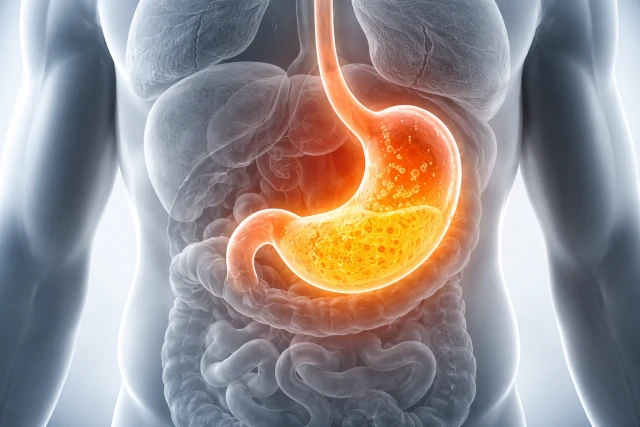
If you have ever wondered, What is the Role of Acid in Our Stomach, the short answer is that stomach acid is one of the body’s most important digestive tools. It helps break food down, supports protein digestion, activates key enzymes, and acts as part of your first line of defense against harmful microbes. Far from being “bad,” stomach acid is essential when it stays where it belongs and is produced in the right amount. Problems usually begin when acid travels upward into the esophagus, irritates the stomach lining, or becomes part of a bigger digestive issue.
- What is the Role of Acid in Our Stomach?
- Stomach acid starts the breakdown of food
- It creates the right environment for protein digestion
- It acts as a protective barrier against germs
- It helps the rest of digestion stay on schedule
- Why acid does not normally damage the stomach itself
- Common symptoms people blame on acid
- When stomach acid causes problems
- Signs that digestive symptoms need attention
- Everyday habits that support healthy acid balance
- A simple comparison table
- Frequently asked questions
- Final thoughts
Many people only think about stomach acid when they feel heartburn, but that narrow view misses the bigger picture. To really understand What is the Role of Acid in Our Stomach, it helps to think of the stomach as a controlled chemical chamber. It is not just holding food. It is actively preparing food for the rest of the digestive tract by combining muscular mixing, digestive juices, enzymes, and acid in a way that the body depends on every single day.
What is the Role of Acid in Our Stomach?
The acid in your stomach is mainly hydrochloric acid, produced by specialized cells called parietal cells. Its job is not simply to “dissolve” food. Instead, it creates the highly acidic environment needed for digestion to work properly. That low pH helps activate pepsin, an enzyme that starts breaking proteins into smaller pieces. It also supports gastric lipase activity and helps prepare food for later processing in the small intestine.
In simple terms, What is the Role of Acid in Our Stomach comes down to four major functions:
- It helps digest proteins.
- It activates digestive enzymes.
- It kills many swallowed germs.
- It signals the next stages of digestion.
That is why stomach acid is not an unnecessary irritation. It is a normal and necessary part of healthy digestion.
Stomach acid starts the breakdown of food
Your digestive system begins working before food even reaches your stomach. The sight, smell, and taste of food can trigger signals that prepare the stomach to release digestive juices. Once food arrives, the stomach churns it and mixes it with acid and enzymes, turning it into a semi-liquid substance called chyme. This step matters because the small intestine is far more efficient when food arrives already softened and chemically processed.
This is one of the clearest ways to understand What is the Role of Acid in Our Stomach. Acid does not work alone. It works with muscular contractions and digestive enzymes to make food easier to process. Without this acidic environment, your body would struggle to break down certain nutrients efficiently, especially proteins.
It creates the right environment for protein digestion
Protein digestion is one of the most important answers to the question, What is the Role of Acid in Our Stomach. Hydrochloric acid helps unfold, or denature, proteins so enzymes can work on them more effectively. It also converts pepsinogen into pepsin, the enzyme that begins protein digestion in the stomach. Without adequate acidity, this process is less effective.
Think about a piece of chicken, eggs, beans, or fish. Those foods are rich in protein, but your body cannot absorb whole proteins directly. They must be broken down into smaller components first. Stomach acid sets up the environment that allows this to happen. That early protein breakdown reduces the digestive burden on the rest of the gut.
It acts as a protective barrier against germs
Another major reason stomach acid matters is protection. The stomach’s high acidity helps kill many bacteria and other microorganisms that enter through food and drink. This is one reason the digestive tract can safely handle material that is not sterile. The acid creates a barrier that reduces the chance of certain pathogens moving deeper into the intestines.
This protective role often gets overlooked when people ask, What is the Role of Acid in Our Stomach. Digestion is only half the story. Defense matters too. Your stomach is not just processing lunch. It is also screening what enters the body. That does not mean acid kills every harmful organism, but it does provide important nonspecific protection.
It helps the rest of digestion stay on schedule
Stomach acid also helps coordinate the next stages of digestion. As acidic chyme moves into the duodenum, the first part of the small intestine, the body responds by releasing substances that help neutralize that acid and trigger pancreatic and biliary secretions. In other words, stomach acid helps “announce” that partially digested food is arriving and that the next digestive team should get ready.
So if someone asks, What is the Role of Acid in Our Stomach, a complete answer should include this signaling function. Acid is part of a chain reaction. It helps start digestion in the stomach, then indirectly supports what happens in the small intestine, where most nutrient absorption takes place.
Why acid does not normally damage the stomach itself
A fair question is this: if stomach acid is strong enough to break down food and kill many germs, why does it not digest the stomach? The answer is protection. The stomach has a specialized lining along with mucus and bicarbonate that help shield its tissues from acid and pepsin. When that protective barrier is disrupted, irritation, inflammation, or ulcers can develop.
That balance is the key. Healthy digestion depends on both acid production and mucosal protection. Acid itself is not automatically the villain. Trouble begins when the balance between acid, mucus, tissue repair, and digestive control breaks down.
Common symptoms people blame on acid
People often assume all upper digestive discomfort means “too much acid,” but that is not always true. Symptoms like heartburn, sour taste in the mouth, chest burning, regurgitation, bloating, nausea, or upper abdominal discomfort can have different causes. In many cases, the issue is not simply excess acid. It may be acid moving into the wrong place, such as the esophagus, or a separate condition like functional dyspepsia.
That is why the question What is the Role of Acid in Our Stomach should not be confused with “Is acid always harmful?” Acid is normal in the stomach. It becomes a problem when it escapes upward, irritates tissue, or contributes to diseases such as GERD or peptic ulcer disease.
When stomach acid causes problems
The most familiar acid-related condition is acid reflux. This happens when stomach contents flow back into the esophagus. Because the esophagus does not have the same protective lining as the stomach, even normal acid can cause irritation and the classic burning feeling of heartburn. If reflux becomes frequent or leads to complications, it may be diagnosed as GERD. Researchers estimate that about 20 percent of people in the United States have GERD, which shows how common acid-related symptoms can be.
Ulcers are another issue people connect with stomach acid. Acid contributes to the irritation of damaged tissue, but ulcers are often linked to factors such as H. pylori infection or certain medicines like NSAIDs, which weaken the stomach’s protective defenses. So again, the deeper answer to What is the Role of Acid in Our Stomach is that acid is necessary, but it can worsen problems when normal protective mechanisms fail.
Signs that digestive symptoms need attention
Not every episode of heartburn is serious, but some warning signs should not be ignored. Frequent reflux, trouble swallowing, vomiting, unexplained weight loss, black stools, chest pain, or symptoms that keep returning deserve medical evaluation. Persistent discomfort should not be self-diagnosed for months just because it feels familiar.
This matters because many people search What is the Role of Acid in Our Stomach after they start feeling symptoms. Learning the normal role of acid is useful, but it is just as important to know when symptoms point to something more than simple indigestion.
Everyday habits that support healthy acid balance
You do not need to fear stomach acid. In most cases, you need to support normal digestion and reduce behaviors that make reflux more likely. A few practical habits can help:
- Eat at a steady pace instead of rushing meals.
- Avoid lying down right after eating.
- Maintain a healthy body weight if reflux is an issue.
- Limit smoking and moderate alcohol intake.
- Pay attention to foods that repeatedly trigger symptoms for you personally.
These steps do not “remove” the need for acid. They help keep acid in the stomach, where it belongs. Lifestyle measures are also commonly recommended as first steps for managing reflux symptoms.
A simple comparison table
| Function of stomach acid | Why it matters |
|---|---|
| Creates a highly acidic environment | Helps digestion work efficiently |
| Activates pepsin | Starts protein breakdown |
| Helps denature proteins | Makes food easier to digest |
| Reduces many swallowed microbes | Supports defense against infection |
| Signals downstream digestion | Helps coordinate pancreatic and intestinal responses |
This table sums up the practical answer to What is the Role of Acid in Our Stomach. Acid is not there by accident. It is built into the design of digestion.
Frequently asked questions
Is stomach acid good or bad?
It is both useful and potentially irritating, depending on where it is. Inside the stomach, acid is essential for digestion and defense. In the esophagus, it can cause burning, inflammation, and reflux symptoms.
Does stomach acid digest everything we eat?
No. It helps process food and creates the right environment for enzymes, especially those involved in protein digestion. Most nutrient absorption happens later in the small intestine.
Can low stomach acid also be a problem?
Yes, inadequate acidity can interfere with normal digestion and enzyme activation. While excess acid gets more attention, normal digestive function still depends on having enough acid in the stomach environment to do its job.
Why does heartburn happen if acid is supposed to be normal?
Because acid is normal only inside the stomach. Heartburn usually happens when stomach contents move upward into the esophagus, which does not have the same protective lining.
Final thoughts
So, What is the Role of Acid in Our Stomach? It helps break food down, starts protein digestion, activates important enzymes, supports the body’s defense against microbes, and helps coordinate the next stages of digestion. In other words, stomach acid is not just a digestive detail. It is a central player in how the gastrointestinal system works every day.
The better way to think about stomach acid is not as an enemy, but as a tool that must stay balanced and properly contained. When it remains in the stomach and works with the body’s protective mechanisms, it is vital. When that balance is disturbed, symptoms and disease can follow. That is why understanding the digestive process in a broader sense makes this topic much easier to grasp.
For readers trying to understand digestive health, the biggest takeaway is simple: acid has a job, and it is an important one. The real goal is not to eliminate it, but to support healthy digestion, recognize abnormal symptoms early, and treat persistent problems appropriately. That is the most practical answer to What is the Role of Acid in Our Stomach for everyday life and long-term health.