

A few years ago, many businesses scheduled travel frequently without carefully measuring results. Today, I’ve noticed that organizations are more focused on purpose-driven travel. Every trip is expected to support business growth, improve relationships, or help employees perform more effectively. In my experience, a business trip has become much more than a simple work-related journey. In 2026, companies are approaching business travel with greater strategy, better planning, and clearer expectations.
At the same time, face to face communication remains extremely valuable. Even though technology has made remote work easier, there are still many situations where in-person interaction creates stronger results. That is why companies continue to invest in business travel while looking for smarter ways to manage it.
Why Business Travel Is Evolving
The business world has changed quickly over the last few years. Hybrid work models, global teams, and digital communication have transformed how employees connect. Despite these changes, I believe the need for a business trip has not disappeared. Instead, it has become more intentional.
Companies now approve travel when there is a clear business purpose, such as:
- Building client trust
- Closing important deals
- Attending major industry events
- Supporting international teams
- Delivering in-person training
- Strengthening internal collaboration
Businesses want every trip to create measurable value. This shift has made corporate travel more strategic and results-focused than ever before.
Face to Face Interaction Still Matters
Virtual meetings are efficient for daily communication, but they often lack the natural connection that happens in person. I’ve seen many professional relationships improve significantly after an in-person meeting. Conversations often flow more naturally, trust develops faster, and misunderstandings become less likely.
A business trip allows people to communicate beyond formal meeting agendas. Casual discussions during meals, airport transfers, or shared activities often lead to stronger working relationships. For companies building long-term partnerships, this human connection remains extremely important.
Employee Experience Plays a Bigger Role
One major change I’ve noticed in 2026 is how much companies now value traveler experience. In the past, many businesses treated travel comfort as a secondary concern. Today, organizations understand that stressful travel can reduce performance. If an employee arrives exhausted after delayed flights or poor accommodations, productivity often suffers.
That is why companies are placing more focus on:
- Practical travel schedules
- Comfortable hotels
- Organized booking systems
- Faster approval workflows
- Flexible travel support
When employees travel more comfortably, they are usually more focused and effective during meetings. This has become an important part of travel planning.
The Challenges of Organizing a Business Trip
Planning corporate travel can quickly become complicated, especially for growing companies. I’ve seen businesses struggle with disconnected booking systems, delayed communication, and limited visibility into travel expenses.
Common challenges often include:
- Tracking bookings across multiple platforms
- Managing travel policy compliance
- Handling schedule changes
- Monitoring company-wide travel costs
- Coordinating employee approvals
Manual processes often create delays and increase the chance of mistakes. This is why businesses are moving toward centralized travel management systems.
How Technology Makes Travel Simpler
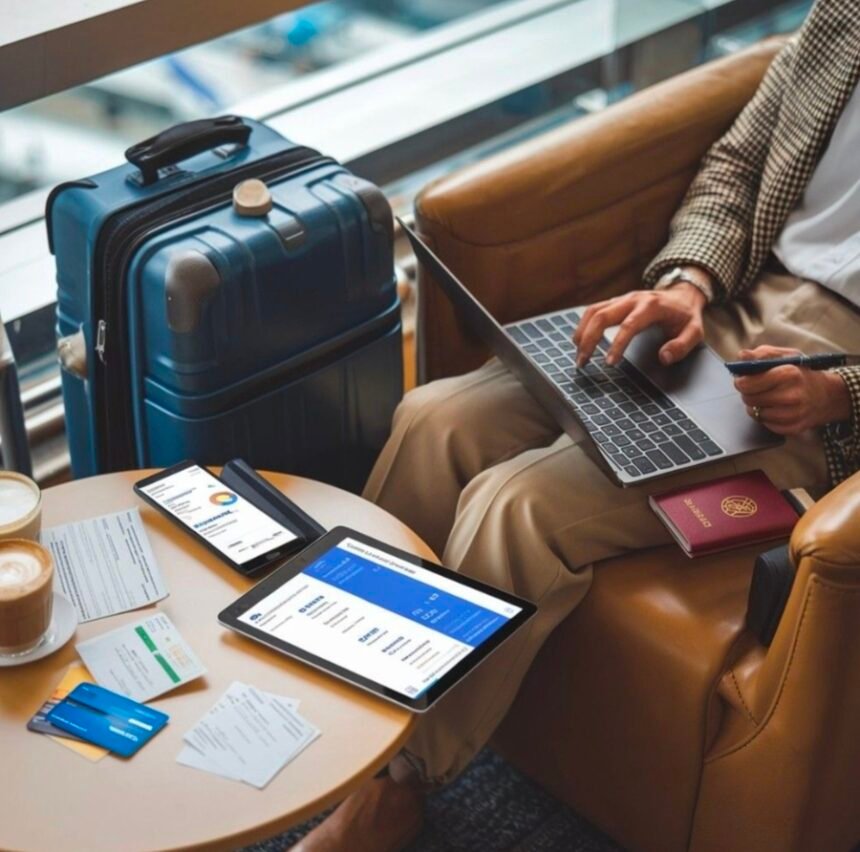
Technology has completely changed how companies organize business trips today. Platforms like Trip.Biz allow businesses to manage travel bookings, expenses, approvals, and travel policies through one connected system. In my opinion, this makes a major difference for companies with frequent travel needs.
Instead of relying on scattered tools and endless email approvals, businesses can simplify travel coordination through automation and centralized management. Employees also benefit because booking information becomes easier to access and travel changes can often be handled faster. Trip.Biz helps companies create smoother travel experiences while maintaining stronger oversight of spending and compliance.
Better Cost Management Leads to Better Decisions
Travel budgets are under more pressure than ever in 2026. Businesses want employees to travel effectively, but they also need to avoid wasteful spending. I’ve noticed that companies are becoming much more careful when evaluating travel decisions. They now review:
- Ticket pricing
- Route efficiency
- Hotel value
- Scheduling flexibility
- Overall trip purpose
This approach helps organizations balance comfort with financial responsibility. Digital solutions like Trip.Biz support this process by giving companies clearer visibility into travel spending patterns. That makes future planning smarter and more efficient.

Flexibility Is Essential in Modern Travel
Unexpected changes are common in corporate travel. Flight delays, canceled meetings, or schedule updates can quickly affect an employee’s trip. I believe flexibility is now one of the most valuable parts of travel management. Businesses need systems that allow fast changes without creating confusion or unnecessary stress. Travelers also expect booking experiences that adapt to shifting schedules. Platforms designed for flexibility help companies respond faster and keep travel running smoothly.
Final Thoughts
In my view, the modern business trip is no longer just about transportation. It is a carefully planned business tool designed to improve collaboration, strengthen relationships, and support growth. Companies are becoming more strategic about when employees travel and how those trips are managed. At the same time, digital platforms like Trip.Biz are making travel planning more organized, more efficient, and easier to control. As business travel continues evolving, companies that invest in smarter systems and better traveler experiences will gain stronger results from every trip. In 2026, success is not simply about traveling more. It is about traveling better.
FAQS
Why is a business trip still valuable today?
A business trip remains valuable because face-to-face interaction often improves communication, trust, and professional relationships.
How can companies simplify travel management?
Businesses can use tools like Trip.Biz to centralize bookings, manage approvals, monitor expenses, and improve coordination.
What are common business travel challenges?
Common issues include delayed approvals, budget control, itinerary changes, and managing travel policies across teams.
Why are companies paying more attention to employee travel comfort?
Comfortable travel often improves productivity and helps employees perform better during important meetings.
How does technology improve business travel?
Technology helps automate bookings, simplify expense tracking, improve flexibility, and provide better visibility into company travel operations.