

If you have been seeing the term Star Facial on salon menus, beauty pages, and social posts, you are not alone. It sounds luxurious, promises instant radiance, and often gets positioned as a premium treatment for dull, tired, or uneven-looking skin. The real question is whether a Star Facial is actually worth your money or just another beauty trend with smart branding.
- What Is a Star Facial?
- Why the Star Facial Trend Has Become So Popular
- What Benefits Can You Realistically Expect?
- Where the Hype Gets Overstated
- Is a Star Facial Good for Every Skin Type?
- What Happens During a Typical Star Facial Appointment?
- How Long Do the Results Last?
- What Are the Risks and Side Effects?
- How to Decide If a Star Facial Is Worth Trying
- Who Is Most Likely to Benefit From a Star Facial?
- Smart Aftercare Matters More Than Most People Think
- Final Verdict: Is Star Facial Worth Trying?
- FAQs
The honest answer is that it can be worth trying, but only when you know what is actually included in the treatment. “Star Facial” is not one universal medical procedure. In practice, it is often a branded or premium facial label used by salons and skincare clinics, and the exact steps can vary from one provider to another. Some versions focus on deep cleansing and exfoliation, while others emphasize hydration, massage, oxygenation, or serum infusion. That variation matters because results, downtime, and risks depend more on the ingredients and techniques used than on the name itself.
For many people, the appeal is simple. A Star Facial can leave skin looking fresher, smoother, and more luminous for a short period, especially before an event. But if you expect it to erase deep pigmentation, acne scars, or long-term texture issues in one session, the reality is usually more modest. Dermatology sources consistently show that exfoliating and resurfacing treatments can improve dullness and uneven texture, but they can also trigger redness, dryness, irritation, or post-inflammatory pigmentation when chosen badly or done too aggressively.
What Is a Star Facial?
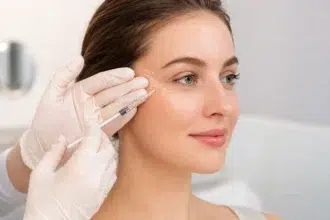
A Star Facial is best understood as a premium facial category rather than one fixed treatment. In many salons, the name is used for the “signature” facial, the one marketed as the most complete or results-driven option. One provider may use electrical or ionization-based delivery, another may build it around exfoliation and hydration, and another may combine massage, masks, and targeted serums for glow.
That is why asking the right questions before booking is so important. You are not really buying a name. You are buying a process. Two facials with the same label can be completely different in terms of ingredients, strength, suitability for sensitive skin, and aftercare.
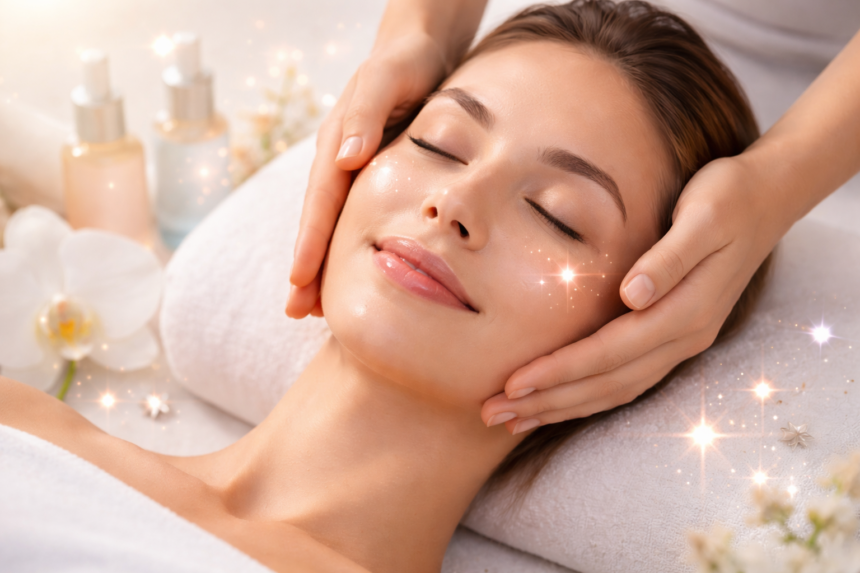
In plain language, a Star Facial often includes several of the following steps:
- cleansing to remove oil, sunscreen, and surface buildup
- exfoliation to lift dull, dead skin cells
- extractions in some cases
- massage to improve the overall refreshed look
- hydrating or brightening serums
- a mask designed for calming, purifying, or nourishing
- finishing products such as moisturizer and sunscreen
That combination is exactly why many people walk out with a visible glow. Skin looks cleaner, smoother, and more polished. Still, that immediate brightness should not be confused with deep structural change. A single session may refresh the surface, but long-term improvement usually comes from a steady routine and, when needed, a dermatologist-led plan.
Why the Star Facial Trend Has Become So Popular
Glow sells. Treatments that promise fast, camera-ready skin naturally get attention, especially when people want something for weddings, parties, vacations, or content creation. A Star Facial fits perfectly into that space because it sounds elevated without sounding intimidating.
Another reason for the trend is that many people want professional skincare without committing to injectables or more aggressive procedures. A salon facial feels like a lower-pressure step. It also gives people a sense of customization, and that matters. Consumers are no longer looking for one-size-fits-all beauty. They want treatments that claim to address dryness, congestion, sensitivity, or uneven tone in a more tailored way.
Still, popularity should not be mistaken for proof. The beauty industry often markets treatments around visible short-term results, while medical evidence is more cautious and focused on safety, indication, and long-term outcomes. That is why a glowing review online can be useful, but it should never replace ingredient transparency and a proper skin assessment.
What Benefits Can You Realistically Expect?
A well-matched Star Facial can absolutely make your skin look better in the short term. That part is not hype. The most realistic benefits include smoother texture, cleaner pores, temporary brightness, and a better hydrated look. If your skin has been looking tired, flaky, or rough, a good facial can create that “reset” effect people often notice immediately.
Hydration is another major reason people like these treatments. When skin is properly moisturized and the barrier is not irritated, it tends to reflect light better, which makes it appear brighter and healthier. Barrier-supportive care, gentle cleansing, and regular moisturization all contribute to that refreshed look.
Some Star Facial sessions may also help with clogged pores and mild roughness, especially when they include gentle exfoliation. Exfoliation can remove dead skin buildup that makes the complexion appear dull and splotchy. Cleveland Clinic notes that exfoliation can help whisk away dead skin cells that dull the complexion and contribute to clogged pores.
That said, here is the grounded version of the promise:
| Possible Benefit | What It Usually Means in Real Life |
|---|---|
| Instant glow | Skin looks fresher and more radiant for a few days |
| Smoother texture | Surface roughness may temporarily improve |
| Better hydration | Skin can feel plumper and less tight |
| Cleaner-looking pores | Congestion may appear reduced, not permanently removed |
| Relaxation | Massage and treatment time can reduce stress and tension |
These are worthwhile benefits. They are simply not miracle benefits.
Where the Hype Gets Overstated
The biggest mistake people make with a Star Facial is expecting one appointment to fix concerns that usually need consistent treatment over time. Deep acne scarring, melasma, long-standing pigmentation, rosacea, and significant texture changes rarely respond dramatically to a basic facial alone.
For example, chemical peels can improve fine lines, acne, scars, and uneven color, but even medically recognized peel procedures involve careful selection, healing time, and real risks. Mayo Clinic and Cleveland Clinic both note that resurfacing treatments can cause redness, irritation, swelling, and changes in pigmentation, depending on strength and skin response.
This matters because many premium facials borrow ideas from exfoliating treatments without always explaining where the line is between gentle maintenance and meaningful resurfacing. If a salon promises dramatic transformation in a single sitting, that is where you should slow down and ask for specifics.
A good rule is this: if the claim sounds like a dermatologist result, ask whether the treatment is actually delivering dermatologist-level intervention or simply a polished cosmetic service.
Is a Star Facial Good for Every Skin Type?
Not automatically. A Star Facial can be helpful for many skin types, but suitability depends on your triggers, your barrier health, and the exact actives being used.
If you have dry or dehydrated skin, a version focused on gentle cleansing, soothing massage, and hydration may work beautifully. If you have oily or congested skin, a carefully chosen facial with light exfoliation may help the skin look clearer and less dull.
But sensitive skin needs far more caution. The American Academy of Dermatology warns that products containing ingredients such as retinol and glycolic acid can irritate the skin, especially if it is already sensitive. They also recommend patch testing skincare products before wider use.
Rosacea-prone skin deserves special care as well. AAD advises that many skincare products and cosmetics can irritate rosacea-prone skin and specifically recommends avoiding rubbing, scrubbing, or massaging such skin aggressively.
If your skin is acne-prone, overly harsh treatment can backfire. AAD notes that irritating products and too many aggressive changes can worsen acne rather than calm it.
Skin Types That May Need Extra Caution Before a Star Facial
- very sensitive skin
- active rosacea
- eczema-prone skin
- recently sunburned skin
- skin using prescription retinoids or acne treatments
- darker skin tones with a history of post-inflammatory hyperpigmentation
- recently waxed, shaved, or exfoliated skin
Post-inflammatory hyperpigmentation can follow irritation or skin injury and tends to be more common and more noticeable in darker skin tones. That does not mean deeper skin tones should avoid facials. It means technique, strength, and provider judgment matter even more.
What Happens During a Typical Star Facial Appointment?
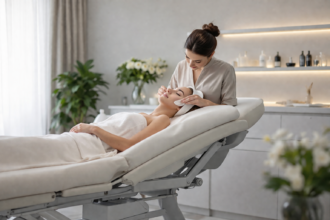
Most appointments begin with a consultation, and that consultation tells you a lot about the quality of the service. A good provider will ask about allergies, current skincare, recent procedures, active breakouts, sensitivity, and what you want to improve. A rushed consultation is usually a red flag.
After that, the treatment often follows a sequence like this:
First comes cleansing. This removes makeup, oil, dirt, and sunscreen from the surface.
Next comes exfoliation. This may be enzyme-based, acid-based, or manual. This is often the step that gives the face a brighter look, but it is also where irritation risk increases if the skin is already compromised.
Then there may be steam and extractions. Some people like the cleaner feel that comes after extractions, but aggressive extraction can leave skin red and inflamed, especially if the provider is forceful.
A serum, ampoule, or active treatment usually follows. This might target hydration, brightening, calming, or oil control.
Then comes a mask and moisturizer. Many facials finish with sunscreen, which should be non-negotiable if exfoliation was part of the process. Dermatologists recommend broad-spectrum, water-resistant sunscreen with SPF 30 or higher.
How Long Do the Results Last?
This is where expectations need to stay realistic. The visible glow from a Star Facial often lasts anywhere from a couple of days to around a week, sometimes longer if the main issue was dehydration and the treatment restored moisture effectively. But if your skin is stressed, over-exfoliated, or you go right back to poor habits, the effect fades quickly.
Longer-lasting improvement usually depends on what you do between appointments. Gentle cleansing, barrier support, daily sunscreen, and consistency matter far more than one luxury session every few months. Mayo Clinic’s general skin care guidance emphasizes gentle cleansing, moisturizing, and sun protection as foundational habits for healthy-looking skin.
So yes, a Star Facial can be a smart pre-event treatment. It is just not a replacement for routine skin care.
What Are the Risks and Side Effects?
This is the part beauty marketing tends to soften. Most facials are low risk when matched correctly to the skin, but “low risk” is not the same as “risk free.”
Potential side effects include:
- redness
- stinging
- dryness
- irritation
- temporary breakouts
- peeling or flaking
- contact dermatitis
- worsening of rosacea or acne in some people
- post-inflammatory hyperpigmentation after irritation or trauma
Medical sources on exfoliating treatments repeatedly mention redness, dryness, irritation, and swelling as common possibilities, especially when resurfacing is involved. NHS guidance on contact dermatitis also highlights moisturizers as a basic supportive measure when skin becomes irritated.
If your skin feels hot, raw, unusually itchy, or develops a rash after a facial, stop experimenting with more actives. Go back to a very simple routine and get medical advice if the reaction is significant.
How to Decide If a Star Facial Is Worth Trying
A Star Facial is worth trying when you want a temporary glow boost, enjoy professional skincare, and have a provider who explains the treatment clearly. It is much less worth it when the service is vague, the staff cannot tell you what acids or actives are being used, or the promises sound far bigger than the treatment itself.
Ask these questions before booking:
- What exact steps are included?
- Is there chemical exfoliation?
- Are extractions part of it?
- Is it safe for sensitive or acne-prone skin?
- What should I stop using beforehand?
- What aftercare is required?
- Is there any downtime?
These questions can save your skin from a bad match. They also help you compare value. Sometimes the premium facial is genuinely more thoughtful and customized. Sometimes it is just a more expensive basic facial with better branding.
Who Is Most Likely to Benefit From a Star Facial?
The people who usually enjoy a Star Facial the most are those who want visible freshness without committing to stronger procedures. It is especially appealing if you have mild dullness, dryness, rough texture, or an upcoming event.
It may be a good fit for:
- people preparing for weddings, parties, or photo-heavy occasions
- those with tired-looking or dehydrated skin
- people who want maintenance rather than correction
- skincare beginners who want a professional reset
It may be a poor fit for:
- people expecting scar or pigmentation removal in one session
- anyone with active facial irritation
- people in the middle of a strong retinoid or acne treatment without clearance
- those with a history of reacting badly to fragranced or active-heavy facials
Smart Aftercare Matters More Than Most People Think
A facial can only help if you do not undo it the next day. Aftercare is often where results are protected or ruined.
For the first 24 to 72 hours, keep things calm. Use a gentle cleanser, a plain moisturizer, and daily sunscreen. Avoid adding strong acids, retinoids, harsh scrubs, or too many new products. Dermatology guidance repeatedly supports gentle care and broad-spectrum SPF 30 or higher, especially when skin may be more sensitive after treatment.
If your provider recommends ten different products right after your appointment, that should raise questions. Freshly treated skin usually does better with less, not more.
Final Verdict: Is Star Facial Worth Trying?
For the right person, yes. A Star Facial can absolutely be worth trying if your goal is smoother, fresher, more radiant-looking skin for the short term. It can be relaxing, confidence-boosting, and genuinely useful before an event or during a period when your complexion feels flat and tired.
But the value depends on clarity and customization. Because Star Facial is not a standardized medical term, the name alone tells you very little. What matters is the actual method, the ingredients, the provider’s judgment, and how well the treatment matches your skin type.
The best way to think about it is this: a Star Facial is often a high-end maintenance treatment, not a miracle correction treatment. If you book it with that mindset, ask smart questions, and follow simple aftercare, you are much more likely to be happy with the result. In the bigger picture of skin care, glow is nice, but healthy skin usually comes from consistency, not just one premium appointment.
FAQs
Does a Star Facial really make skin glow?
Usually yes, at least temporarily. Most people notice smoother texture, better hydration, and a fresher look after a well-matched treatment. The effect is real, but it is usually short term rather than transformative.
Can a Star Facial help acne?
It may help mild congestion and surface dullness, but it can also irritate acne-prone skin if the treatment is too harsh. AAD advises avoiding irritating products and overly aggressive routines when managing acne.
Is a Star Facial safe for sensitive skin?
Sometimes, but only if the treatment is adjusted for sensitivity and avoids harsh exfoliation, strong fragrance, and unnecessary friction. Patch testing and a very clear consultation are important.
How often should you get a Star Facial?
That depends on your budget, goals, and skin tolerance. Many people treat it as occasional maintenance or pre-event prep rather than something they need constantly. Results usually last days, not months, so frequency should be driven by skin response rather than marketing.
Can darker skin tones get a Star Facial?
Yes, but care is important. Irritation can lead to post-inflammatory hyperpigmentation, which tends to be more common and more noticeable in darker skin tones. The provider should use conservative techniques and avoid triggering inflammation.