

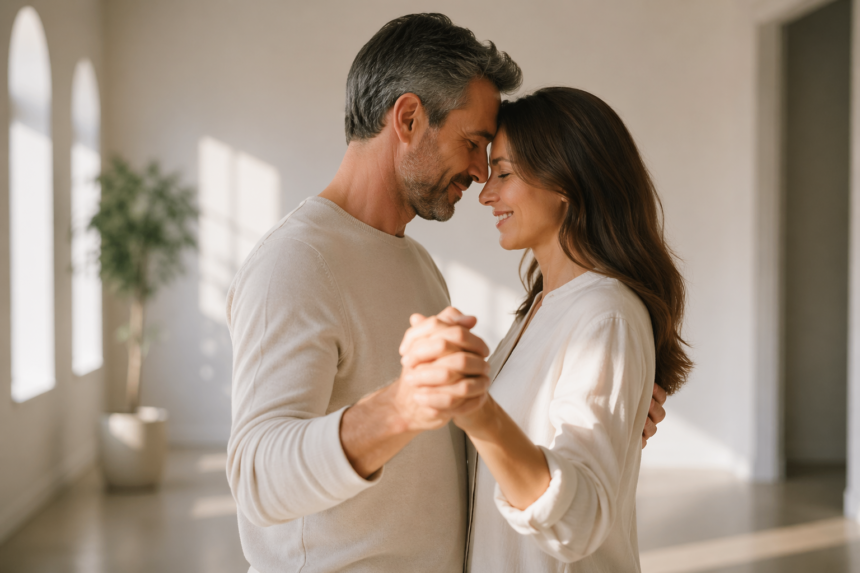
There is something quietly powerful about a One on One Dance. It is not only about movement, rhythm, or even music. It is about attention. In a world where people are constantly distracted by phones, deadlines, notifications, and stress, a One on One Dance gives two people a small space to pause and really notice each other again.
- What Is One on One Dance?
- Why a One on One Dance Feels So Personal
- One on One Dance and Everyday Connection
- The Emotional Benefits of One on One Dance
- Physical and Mental Health Value Beyond the Romance
- How One on One Dance Strengthens Romantic Relationships
- One on One Dance in Family Life
- Simple Ways to Make One on One Dance Part of Real Life
- Common Situations Where One on One Dance Creates Beautiful Memories
- What If You Feel Shy or Awkward?
- Why One on One Dance Still Matters in a Digital World
- Conclusion
That is one reason the idea feels so meaningful to many readers. A One on One Dance can be romantic, but it does not have to be limited to romance. It can be shared between spouses, partners, fiancés, parents and adult children, close friends, or even grandparents and grandchildren during a family celebration. What matters most is the feeling behind it. When two people move together, even awkwardly, they often create a moment that feels more personal than an ordinary conversation.
There is also a real reason this kind of experience matters. Research on dance has linked it with better emotional well being, improved social connection, and positive physical effects, while public health guidance continues to treat dancing as a valid form of physical activity. Shared leisure and affectionate touch in close relationships have also been associated with closeness, lower stress, and stronger relationship quality.
That does not mean every One on One Dance needs to become some deep emotional event. Sometimes it is simply a quick dance in the kitchen while dinner is cooking. Sometimes it is the slow song at a wedding. Sometimes it is a tired couple reconnecting after a long week. The beauty of a One on One Dance is that it does not ask for perfection. It only asks for presence.
What Is One on One Dance?
At its simplest, One on One Dance means two people sharing a dance together in a direct, personal, and focused way. It is not the same as performing in a group, following choreography for an audience, or trying to impress anyone. A One on One Dance is more intimate because the attention stays between the two people involved.
That intimacy can look different depending on the setting. In some situations, a One on One Dance may be a classic slow dance. In others, it may be playful and spontaneous, like dancing in the living room to a favorite song. It can happen at weddings, anniversaries, birthdays, family gatherings, date nights, or ordinary evenings at home.
What makes One on One Dance special is not the technique. It is the emotional atmosphere. Two people are sharing time, movement, eye contact, and often touch. Those details may seem small, but they can make a moment feel warm, memorable, and deeply human. Studies on synchronized movement and partner interaction suggest that moving together can strengthen feelings of social bonding and closeness.
Why a One on One Dance Feels So Personal
A lot of modern life pushes people into parallel routines. Couples wake up, work, manage errands, scroll through screens, and go to sleep without really having a moment that feels shared. Families often sit in the same room but remain mentally somewhere else. A One on One Dance interrupts that pattern.
When you dance with one person, you naturally pay attention to their pace, their body language, and their mood. You adjust. You respond. You become aware of each other in real time. That is part of what makes a One on One Dance feel emotionally rich even when it lasts only three minutes.
Touch plays a role too. In close relationships, affectionate touch has been linked to greater closeness and stress relief in the moment. Shared activities that feel enjoyable and responsive can also support relationship satisfaction over time.
This is why a One on One Dance can stay in memory long after the music stops. People often forget exactly what they talked about on a normal Tuesday. They do remember the moment someone held them close in the kitchen, laughed with them in the living room, or pulled them gently onto the dance floor when they least expected it.
One on One Dance and Everyday Connection
Many people assume dancing belongs to special events. Weddings, parties, formal nights, and planned celebrations all seem like the right setting. But the most meaningful One on One Dance moments often happen in ordinary life.
Think about how relationships are built. They are not usually built by grand gestures alone. They are built through repeated moments of warmth, familiarity, fun, and attention. A One on One Dance fits perfectly into that idea because it is simple enough to do often and meaningful enough to be remembered.
A couple does not need a ballroom. They need two square feet of space and a song they both enjoy. A parent does not need to be a trained dancer to share a One on One Dance with a child at home. A husband and wife do not need to wait for an anniversary dinner to create a moment that feels soft and personal.
In fact, shared habits matter. Research suggests that couples who engage in more joint health and leisure behaviors often report better outcomes in closeness and wellbeing. Dancing together can become one of those small, repeatable rituals that help relationships feel alive.
The Emotional Benefits of One on One Dance
One reason One on One Dance matters is emotional safety. Not every person feels comfortable expressing love or affection through long conversations. Some people open up more easily through activity. Dancing gives them another language.
A One on One Dance can communicate comfort, apology, celebration, longing, joy, reassurance, and tenderness without needing a perfect sentence. It gives people a way to connect when words feel awkward or limited.
There is also a mood benefit. A growing body of research on dance interventions suggests that dance can improve emotional wellbeing and reduce symptoms linked to anxiety and depression in many groups. These outcomes vary by age and context, but the pattern is strong enough to show that movement and music together can be emotionally restorative.
That helps explain why a One on One Dance often feels like more than entertainment. After a stressful day, it can become a reset. After an argument, it can lower emotional tension. During a joyful season, it can heighten gratitude. During a difficult season, it can remind two people that they are still on the same side.
Physical and Mental Health Value Beyond the Romance
Although people often think of One on One Dance as emotional or romantic, it has practical benefits too. Dancing counts as physical activity, and regular physical activity is associated with better mood, stronger heart health, better sleep, sharper thinking, and lower risk of anxiety and depression. The CDC explicitly notes that activities like dancing can help adults meet movement goals.
Research reviews on dance also report improvements in balance, mobility, quality of life, and overall wellbeing across different populations. Some studies suggest dance may offer social and emotional advantages beyond those of exercise alone because it combines movement with music, expression, and interaction.
That makes One on One Dance especially appealing for people who do not enjoy the gym. It feels less like a workout and more like life. You are moving your body, but you are also making a memory.
How One on One Dance Strengthens Romantic Relationships
For couples, One on One Dance can become one of the easiest ways to nurture closeness without overcomplicating things. Relationships often suffer not only from conflict, but from emotional neglect. People get busy. They become functional instead of affectionate. They start solving tasks together, but stop sharing moments together.
A One on One Dance helps reverse that pattern because it asks for direct engagement. You look at each other. You listen to the same music. You move in response to the same rhythm. You create something together, even if it is simple.
Date night research has found that leisure activities can support closeness, especially when they feel meaningful, enjoyable, and a little different from routine. That is exactly where a One on One Dance shines. It is low cost, low pressure, and emotionally rich.
It can also be useful for couples who struggle to reconnect verbally. Not every meaningful relationship moment has to begin with a serious talk. Sometimes a One on One Dance is the softer entry point that makes conversation possible later.
One on One Dance in Family Life
The phrase One on One Dance may sound romantic, but some of its sweetest uses appear in family life. A father dancing with his daughter at a wedding. A mother swaying with her son after a difficult day. A grandparent holding a grandchild and moving gently to an old song. These moments often become family memories that outlast gifts and decorations.
There is a reason these scenes stay with people. Shared rhythm and synchronized movement have been linked to social bonding. Even brief coordinated motion can increase a sense of connection between people.
A One on One Dance in family life also creates emotional permission. It says, “I am here with you.” It says, “You matter right now.” Children and older adults alike often respond strongly to that kind of undivided attention.
Simple Ways to Make One on One Dance Part of Real Life
The best thing about One on One Dance is that it does not need to be complicated. Most people do not avoid it because they dislike it. They avoid it because they think they have to do it well.
You do not.
Here are a few easy ways to make One on One Dance part of everyday life:
- Pick one song that already means something to both of you.
- Start at home where no one is watching.
- Keep the first dance short and relaxed.
- Do not correct each other unless someone asks for help.
- Let it be playful if that feels more natural than formal dancing.
- Repeat it often enough that it becomes familiar.
If you want to make the moment more special, little details help. Dim the lights. Put the phone away. Choose a song tied to your story. Let the moment breathe instead of rushing back into chores.
A One on One Dance works best when it feels unforced. It should feel like an invitation, not an assignment.
Common Situations Where One on One Dance Creates Beautiful Memories
A One on One Dance can fit into more moments than people realize. It does not belong to one age group or one kind of relationship.
Here are some of the most meaningful situations where it naturally fits:
| Situation | Why It Feels Special |
|---|---|
| Wedding reception | It creates a memory that feels personal in a busy room |
| Anniversary night | It brings warmth back into a familiar relationship |
| At home after dinner | It turns an ordinary evening into a shared memory |
| Family celebration | It creates a soft, emotional moment between relatives |
| After a disagreement | It can ease tension and reopen closeness gently |
| During a hard season | It reminds people that connection still exists |
What all these moments have in common is emotional timing. A One on One Dance does not need a perfect occasion. It only needs willingness.
What If You Feel Shy or Awkward?
This is probably the biggest barrier. Many people love the idea of a One on One Dance but feel embarrassed by the reality of it. They worry they will look stiff, silly, or uncoordinated.
That fear is normal. It is also mostly irrelevant.
The person who cares about you is usually not measuring your technique. They are feeling your presence. A shaky but sincere One on One Dance often feels more touching than a polished performance because it is real. It shows effort. It shows vulnerability. It shows intention.
If you feel nervous, begin with a slow song and minimal movement. Stand close. Sway side to side. Breathe. That alone is enough. Many meaningful One on One Dance moments are nothing more than two people holding each other while music plays.
Why One on One Dance Still Matters in a Digital World
Modern connection is strange. People message constantly, yet still feel emotionally distant. They post photos together, yet sometimes struggle to feel present with each other in private. That is why physical, shared experiences still matter so much.
A One on One Dance is not content. It is not performance. It is not multitasking. It is a real-time experience with another human being. That matters more now than it did years ago because distraction has become so normal.
In many ways, One on One Dance offers something rare. It slows time down. It gives people a reason to stop talking and simply feel. It invites closeness without demanding a big plan or a lot of money. It turns affection into action.
That may be why the image of a slow dance still feels timeless. Even when trends change, the desire to feel close to someone never really goes out of style.
Conclusion
A One on One Dance is such a simple thing, but that is exactly why it carries so much emotional power. It does not require a special venue, expensive planning, or perfect skill. It only requires two people who are willing to share a moment honestly.
Whether it happens between partners in the kitchen, parents and children at a celebration, or loved ones during a quiet evening at home, a One on One Dance can create closeness in a way that feels gentle, natural, and unforgettable. In a busy life, that kind of moment is not small at all. It is often the kind of memory people return to when they think about what love, comfort, and togetherness really felt like.
If you have been waiting for the “right” time, this is your reminder that a One on One Dance does not need perfect timing. It only needs a little courage, a little softness, and one song.