



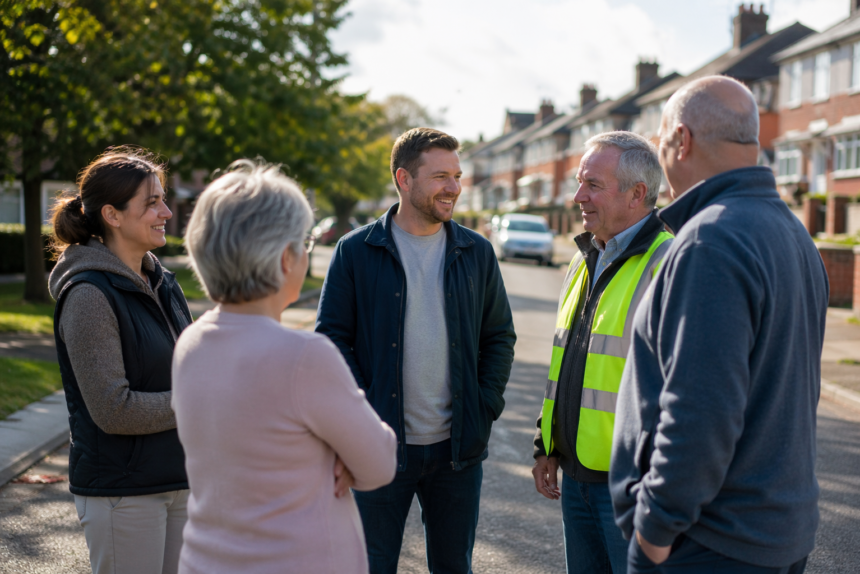
A Neighbourhood Action Group can turn everyday residents into a powerful force for safer, cleaner, and more connected streets. It is not about people acting like police officers. It is about neighbors paying attention, sharing concerns, supporting vulnerable residents, and working with local agencies before small problems become bigger ones.
- What Is a Neighbourhood Action Group?
- Why Local Residents Matter in Community Safety
- How a Neighbourhood Action Group Works
- Neighbourhood Action Group and Crime Prevention
- Real-World Example: A Street With Repeated Problems
- Key Benefits of a Neighbourhood Action Group
- How to Start a Neighbourhood Action Group
- What Makes a Neighbourhood Action Group Successful?
- Common Mistakes to Avoid
- Working With Police and Local Councils
- Digital Tools for a Modern Neighbourhood Action Group
- How Residents Can Improve Safety Without Confrontation
- The Role of Young People in Safer Communities
- Supporting Vulnerable Residents
- Measuring Progress
- Frequently Asked Questions
- Is a Neighbourhood Action Group the same as Neighbourhood Watch?
- Can anyone join a Neighbourhood Action Group?
- Does a Neighbourhood Action Group have legal power?
- What should residents report?
- How often should the group meet?
- Final Thoughts
In many communities, people want safer roads, less antisocial behavior, better lighting, cleaner public spaces, and quicker responses to local concerns. A Neighbourhood Action Group gives residents a practical way to organize those concerns and take action together.
What Is a Neighbourhood Action Group?
A Neighbourhood Action Group is a local resident-led group that focuses on improving safety, communication, and quality of life in a specific area.
It may include homeowners, renters, parents, business owners, community volunteers, local police representatives, council officers, housing teams, schools, and faith or charity groups.
The goal is simple: bring people together to identify local problems and solve them in a calm, organized, and responsible way.
A Neighbourhood Action Group often works on issues such as:
- Antisocial behavior
- Poor street lighting
- Fly-tipping or litter
- Parking problems
- Youth safety
- Suspicious activity reporting
- Home security awareness
- Elderly or vulnerable resident support
- Safer routes to school
- Community events and clean-up days
Groups like Neighbourhood Watch describe community-led crime prevention as a way to create safer and more resilient places to live, especially when residents share information and work together rather than stay isolated.
Why Local Residents Matter in Community Safety
A safer community does not only depend on police patrols. Residents notice daily patterns that outside agencies may miss.
They know which alley feels unsafe at night. They know when a streetlight has been broken for weeks. They notice repeated noise, vandalism, or suspicious behavior around the same location.
This local knowledge is valuable.
A Neighbourhood Action Group gives that knowledge structure. Instead of one person complaining online, several residents can collect details, report properly, and follow up with the right department.
The UK Home Office reported that 48% of people in a public polling study said crime and antisocial behavior were concerns in their local area. That shows community safety is not a small issue for residents.
How a Neighbourhood Action Group Works
A strong Neighbourhood Action Group usually follows a simple process.
First, residents identify the main local concerns. These may come from meetings, surveys, social media groups, street conversations, or reports from local agencies.
Next, the group agrees on priorities. Not every problem can be solved at once, so the most urgent issues come first.
Then the group contacts the right people. This could include police, council teams, landlords, schools, youth workers, or road safety officers.
Finally, the group tracks progress. Good groups do not just raise problems and disappear. They ask what has been done, what still needs attention, and what residents can do to help.
Neighbourhood Action Group and Crime Prevention
A Neighbourhood Action Group can help reduce crime by making streets feel less anonymous.
Criminal behavior often thrives where people feel disconnected. When residents know each other, report concerns responsibly, and look out for vulnerable people, the area becomes harder to target.
The College of Policing states that evidence suggests Neighbourhood Watch schemes reduce crime, with strong evidence quality for impact.
This does not mean every group will automatically reduce crime overnight. Success depends on consistency, trust, communication, and proper cooperation with local authorities.
A Neighbourhood Action Group should never encourage confrontation. Residents should report concerns, record useful details, and stay safe.
Real-World Example: A Street With Repeated Problems
Imagine a residential street where cars are being damaged at night.
At first, each resident reports separately. Some complain online. Others say nothing because they think nothing will change.
Then a Neighbourhood Action Group forms.
The group collects dates, times, locations, and patterns. They discover most incidents happen near a dark corner where a streetlight is broken. They report the lighting issue to the council and share incident numbers with the local policing team.
They also encourage residents to park in better-lit areas, check home security cameras where legal, and report suspicious behavior promptly.
Within weeks, the light is fixed, police increase attention around the area, and residents become more alert. The problem may not vanish instantly, but the street is no longer silent or disorganized.
That is the value of a Neighbourhood Action Group.
Key Benefits of a Neighbourhood Action Group
A Neighbourhood Action Group can bring practical and emotional benefits to a local area.
| Benefit | How It Helps Residents |
|---|---|
| Better communication | Residents know where to report concerns |
| Faster issue tracking | Problems are followed up instead of forgotten |
| Stronger community trust | Neighbors become more familiar with each other |
| Safer public spaces | Lighting, litter, and antisocial behavior get attention |
| Support for vulnerable people | Elderly or isolated residents are less likely to be ignored |
| Improved local pride | People feel more responsible for their area |
When residents feel heard, they are more likely to take care of their surroundings. That sense of ownership can make a street feel safer even before major physical changes happen.
How to Start a Neighbourhood Action Group
Starting a Neighbourhood Action Group does not need to be complicated.
Begin with a small group of committed residents. Five serious people are better than fifty names in a chat group where no one acts.
Choose a clear purpose. For example, “We want to improve safety and communication on our estate” is better than a vague promise to fix everything.
Set basic rules. Keep discussions respectful. Do not share rumors. Do not name people publicly without evidence. Do not encourage vigilante behavior.
Create a simple communication channel. This could be a WhatsApp group, email list, printed notice, or monthly meeting.
Then contact local agencies. Introduce the group to the police community team, council department, housing association, school, or local councillor.
What Makes a Neighbourhood Action Group Successful?
A successful Neighbourhood Action Group is organized but not overcomplicated.
The best groups usually have:
- A clear coordinator
- Regular meetings or updates
- A respectful communication style
- Accurate reporting habits
- Strong links with local agencies
- A focus on solutions, not gossip
- Shared responsibility among members
The group should also welcome different voices. A community is not made up of one type of person. Renters, homeowners, young adults, parents, older residents, shop owners, and newcomers may all see different sides of the same area.
Common Mistakes to Avoid
Some groups fail because they become complaint circles.
People gather, talk about problems, blame others, and leave with no action plan. A Neighbourhood Action Group must stay focused on practical steps.
Another mistake is sharing unverified claims. Rumors can damage trust and create fear. If something happened, report facts: date, time, place, description, and evidence where available.
A third mistake is relying on one person. If only one resident does all the work, burnout happens quickly. Tasks should be shared.
A Neighbourhood Action Group should also avoid becoming political in a narrow party sense. Local improvement may involve councillors or public bodies, but the group should stay focused on community benefit.
Working With Police and Local Councils
A Neighbourhood Action Group works best when it builds respectful relationships with official services.
Police can advise on crime reporting, personal safety, fraud prevention, burglary prevention, and antisocial behavior patterns.
Councils can help with streetlights, public spaces, waste, licensing, road safety, and environmental concerns.
Housing providers may deal with tenant issues, shared entrances, repairs, and estate safety.
The Office for National Statistics publishes crime data based on police recorded crime and the Crime Survey for England and Wales, which can help communities understand wider trends rather than rely only on local rumors.
Digital Tools for a Modern Neighbourhood Action Group
Technology can make a Neighbourhood Action Group more effective, but it must be used carefully.
A private group chat can help residents share quick updates. Email can work well for formal communication. Online forms can collect concerns. Shared calendars can help plan meetings or clean-up events.
However, digital tools should not replace real relationships. Some older residents may not use apps. Some people may prefer printed notices or face-to-face conversations.
A balanced approach works best.
Good digital habits include:
- Keep messages factual
- Avoid public accusations
- Share official reporting links
- Pin emergency contact details
- Separate urgent safety issues from general complaints
- Remove abusive or discriminatory comments quickly
How Residents Can Improve Safety Without Confrontation
A Neighbourhood Action Group is not about chasing suspects or creating fear.
Residents can improve safety in simple, low-risk ways.
They can keep front areas tidy, improve outdoor lighting, report broken locks, check on elderly neighbors, avoid leaving valuables visible in cars, and report suspicious activity through official channels.
They can also organize community walks, local clean-ups, school route checks, or safety awareness days.
Small actions create visible care. A cared-for street often discourages neglect.
The Role of Young People in Safer Communities
Young people should not only be seen as a problem to manage.
A good Neighbourhood Action Group includes them in the conversation where possible. Teenagers and young adults often know which places feel unsafe, where bullying happens, and what facilities are missing.
If young people have nothing positive to do, antisocial behavior can increase. Working with schools, youth clubs, sports groups, and local mentors can make a real difference.
A community that listens to young people is more likely to earn their respect.
Supporting Vulnerable Residents
A Neighbourhood Action Group can be especially helpful for elderly residents, people living alone, disabled residents, and those who feel unsafe leaving home.
Support does not have to be complicated.
A group may create a phone tree, check on residents during severe weather, share scam warnings, or help people report repairs and safety concerns.
Fraud and doorstep scams often target vulnerable people. Sharing clear warnings and encouraging residents to verify unexpected callers can prevent harm.
Measuring Progress
A Neighbourhood Action Group should track progress in a simple way.
The group can record:
- Issues reported
- Agencies contacted
- Response times
- Problems resolved
- Meetings held
- Residents reached
- Safety improvements made
This helps the group stay motivated. It also provides evidence when asking for further support.
Progress may look like fewer complaints, better lighting, cleaner streets, more residents attending meetings, or quicker reporting of suspicious activity.
Frequently Asked Questions
Is a Neighbourhood Action Group the same as Neighbourhood Watch?
Not always. A Neighbourhood Watch group often focuses strongly on crime prevention and resident awareness. A Neighbourhood Action Group may cover wider local issues, including safety, environment, traffic, housing, and community wellbeing.
Can anyone join a Neighbourhood Action Group?
Usually, yes. Residents, local workers, landlords, business owners, and community volunteers may all be involved, depending on the group’s purpose and local rules.
Does a Neighbourhood Action Group have legal power?
No. A Neighbourhood Action Group does not replace police, councils, or courts. Its power comes from organization, communication, evidence gathering, and community cooperation.
What should residents report?
Residents should report crimes, suspicious activity, antisocial behavior, broken streetlights, unsafe public areas, environmental issues, and risks to vulnerable people through the correct official channels.
How often should the group meet?
Monthly meetings work well for many areas, but smaller updates can happen weekly through email or messaging apps. The key is consistency.
Final Thoughts
A Neighbourhood Action Group can make a real difference when residents are organized, respectful, and focused on practical action. Safer communities are not built by fear. They are built by trust, awareness, shared responsibility, and steady communication.
The strongest groups do not wait for every solution to come from outside. They notice problems early, support each other, and work with local agencies in a calm and constructive way.
In a world where many people feel disconnected from the people living next door, a Neighbourhood Action Group brings back something important: local care. It reminds residents that safety is not only about locks, cameras, or patrols. It is also about people knowing each other, speaking up responsibly, and creating a stronger sense of community policing in everyday life.
When local residents take small, consistent steps together, streets become more than places to pass through. They become communities worth protecting.