



Key Takeaways
- Routine maintenance can significantly extend your water heater’s life and reliability.
- Spotting early warning signs helps prevent unexpected breakdowns and costly repairs.
- Knowing what to look for means you can take timely action to restore efficiency and safety.
Ensuring your water heater is in top condition is vital for comfort, efficiency, and the continued supply of hot water in your home. Recognizing early warning signs of water heater trouble is one of the best ways to avoid sudden breakdowns and costly repairs. If you need reliable maintenance or emergency services, connecting with a trusted water heater service company in ogden utah could make all the difference in protecting your investment.
Many homeowners overlook subtle changes in their water heater’s performance, only realizing there’s an issue when facing cold showers or water damage. Understanding the red flags of water heater problems allows you to act swiftly and extend your system’s lifespan. Constant monitoring and routine care are important steps to avoid disruptions and maintain home comfort.
Ignoring early issues often leads to more extensive damage and increased expenses. A proactive approach to care can give you peace of mind while helping avoid the inconvenience of cold water or emergency repairs. Routine checks also help in maintaining water quality and household safety.
With utility bills rising and households becoming more energy-focused, catching inefficiencies early makes a tangible difference. Preventing issues before they escalate means you will enjoy reliable hot water and energy savings year-round.
Inconsistent Water Temperature
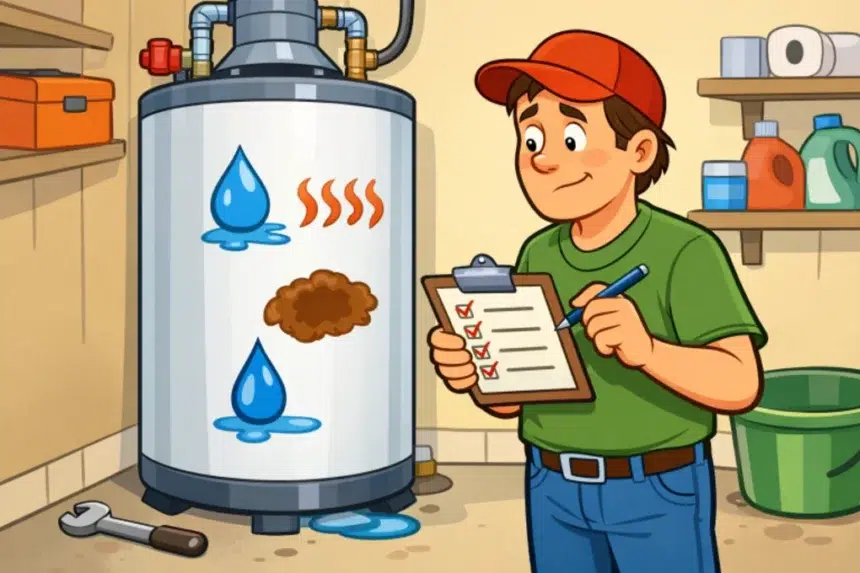
If you notice your showers run alternately hot and cold or the water never achieves the set temperature, it is a warning that your water heater may have sediment buildup or a failing heating element. These irregularities not only disrupt comfort but also point to compromised efficiency. Flushing your water heater tank once a year can help restore consistent operation.
Unusual Noises
Strange sounds, such as popping, rumbling, or cracking, are clear signs that sediment is accumulating at the bottom of your water heater. As sediment hardens, it causes the system to overheat water pockets, resulting in these noises. If you ignore these sounds, your heater will strain to function, eventually leading to breakdowns. Addressing sediment buildup early can protect your investment and lower operating costs.
Discolored or Rusty Water
Water that appears brown, yellow, or rusty when running the hot tap is another indication of internal tank corrosion or an eroding anode rod inside the water heater. This can lead to contamination and leaks that damage flooring or walls. Replacing a worn anode rod or, if needed, upgrading to a new heater can address the problem and restore clean water.
Water Leaks
Finding puddles or even small amounts of water near the base of your heater should always be taken seriously. Leaks can start small but escalate rapidly, causing water damage, electrical issues, and mold growth. Regularly inspect around your unit for wet spots or pooling to catch leaks before they become emergencies.
Age of the Water Heater
Most water heaters are designed to last between 8 and 12 years. If your water heater is near or older than this range, its failure rate increases each year. Planning a replacement as your unit ages, rather than waiting for a breakdown, can save you stress and prevent unplanned expenses.
Rising Energy Bills
Noticing an unexplained jump in your monthly energy bills? As tanks fill with sediment, heating elements become less efficient, and older systems need to work harder, increasing energy use. Maintaining equipment, such as tank draining and component inspection, helps keep energy costs predictable and manageable.
Maintenance Tips
- Flush the Tank Annually: This removes mineral deposits, improves efficiency, and prevents overheating.
- Inspect the Anode Rod: Replace it if it is significantly corroded to prevent internal rust and preserve your tank’s lifespan.
- Check the Pressure Relief Valve: This simple test will ensure your system can safely release excess pressure.
In addition to these tasks, always keep the area around your water heater clean and accessible to ensure proper ventilation and safety.
When to Call a Professional?
If you experience persistent leaks, discolored water, chronic noises, or other recurring issues, it is time to call a licensed plumber. These experts can conduct a comprehensive inspection, safely perform repairs, and recommend replacement if necessary. Attempting complex repairs on your own increases the risk of damage or injury.
By performing regular checks and responding promptly to early warning signs, you will extend your water heater’s lifespan and avoid a sudden loss of hot water. Preventative maintenance and prompt repairs ensure your system remains safe, efficient, and reliable year after year.