
Across Iowa, nonprofit organizations continue to play a vital role in creating stronger communities and improving the lives of residents throughout the state. In 2026, charitable organizations are adapting to changing economic conditions, evolving community needs, and new expectations from donors and supporters. From major cities such as Des Moines, Cedar Rapids, Davenport, and Sioux City to small rural towns throughout the state, nonprofits remain a trusted source of support, opportunity, and community connection.
Iowa’s nonprofit sector receives grants for nonprofits and is built on a strong tradition of neighbors helping neighbors. The state’s communities have long valued volunteerism, local involvement, and practical solutions to shared challenges. Nonprofit organizations reflect these values by providing essential services while creating programs that address the unique needs of the people they serve. Their work extends far beyond traditional charity by supporting education, economic opportunity, healthcare access, environmental protection, cultural preservation, and community development.
One of the most important roles of Iowa nonprofits in 2026 is helping communities navigate changing social and economic conditions. Organizations are responding to challenges such as affordable housing, food insecurity, workforce shortages, childcare availability, healthcare access, and support for older adults. By combining direct services with long-term solutions, nonprofits are helping individuals and families build greater stability and independence.
Agriculture and rural communities remain central to Iowa’s identity, and many nonprofit organizations focus on strengthening these areas. Rural nonprofits often provide services that might otherwise be difficult to access due to distance and limited resources. Programs supporting farmers, rural families, youth development, transportation assistance, and community revitalization help ensure that smaller communities continue to thrive.
Financial sustainability has become a major focus for nonprofit leaders throughout Iowa. Organizations are increasingly moving away from relying on one primary funding source and instead developing diversified financial strategies. A combination of foundation grants, government programs, corporate partnerships, individual donations, fundraising campaigns, membership support, and planned giving helps create a stronger foundation for long-term success.
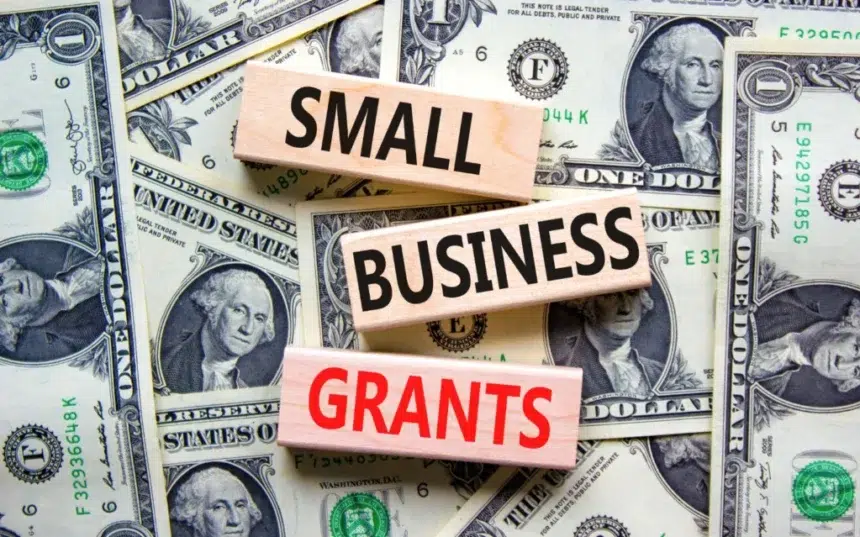
Grant funding continues to provide important opportunities for Iowa nonprofits. Private foundations, family foundations, corporations, and government agencies support projects focused on education, healthcare, economic development, environmental conservation, arts programs, and social services. Organizations that demonstrate clear goals, measurable results, and strong financial management are often better positioned to compete for available funding and expand their programs.
Technology is also changing how nonprofits operate and connect with their communities. Many organizations are using digital fundraising tools, online volunteer platforms, donor management systems, and artificial intelligence solutions to improve efficiency. These technologies help nonprofit teams manage operations more effectively while creating better experiences for donors, volunteers, and program participants.
The relationship between nonprofits and businesses continues to grow stronger across Iowa. Companies are increasingly recognizing the value of community partnerships through charitable giving, employee volunteer programs, sponsorships, and professional expertise. These collaborations provide nonprofits with additional resources while allowing businesses to contribute directly to the communities where their employees live and work.
Volunteerism remains one of Iowa’s greatest community strengths. Individuals, families, students, retirees, and civic groups continue to donate their time and skills to support nonprofit missions. Volunteers assist with food distribution, disaster response, youth programs, environmental projects, community events, and countless other initiatives. Their contributions allow organizations to expand their reach and serve more people.
Education and workforce development remain important priorities for Iowa nonprofit organizations. Many groups provide mentoring programs, scholarships, literacy services, career training, and employment assistance designed to help individuals achieve personal and professional success. By partnering with schools, colleges, and employers, nonprofits help create pathways to opportunity and strengthen the state’s future workforce.
Healthcare and wellness programs also represent a significant area of nonprofit activity. Organizations provide services ranging from mental health support and addiction recovery to senior assistance and programs for individuals with disabilities. In communities where healthcare resources may be limited, nonprofits often serve as important partners in expanding access and improving quality of life.
Iowa’s environmental nonprofits continue to protect the state’s natural resources while promoting conservation and sustainability. Organizations focused on clean water, wildlife protection, land preservation, renewable energy education, and outdoor recreation help maintain the natural environment that supports communities, agriculture, and future generations.
Transparency and accountability remain essential elements of nonprofit success. Donors and grantmakers increasingly expect organizations to demonstrate responsible financial practices and measurable community impact. Iowa nonprofits are responding by improving governance, publishing financial information, tracking outcomes, and maintaining open communication with supporters.
Collaboration has become a defining feature of successful nonprofit organizations throughout the state. Partnerships between nonprofits, government agencies, schools, healthcare providers, businesses, and community groups allow organizations to combine resources and create more effective solutions. These cooperative efforts are especially valuable when addressing complex challenges that require multiple perspectives and areas of expertise.
As Iowa moves forward, nonprofit organizations are preparing for the future by investing in leadership, technology, fundraising strategies, and community relationships. Their ability to adapt while remaining focused on their missions demonstrates why they continue to be such an important part of the state’s social fabric.
The story of Iowa’s nonprofit sector in 2026 is one of dedication, cooperation, and progress. These organizations represent the best of community action—people coming together to solve problems, support one another, and create opportunities for future generations. Through innovation and commitment, Iowa’s nonprofits continue to build stronger communities across the entire state.