


If you raise cattle, spotting BVD Symptoms early can save you a lot of trouble. Bovine viral diarrhea, often shortened to BVD, is a viral disease that can affect the digestive system, respiratory health, reproduction, immunity, and overall performance of both beef and dairy cattle. It does not always begin with dramatic illness either. In many herds, the first clues are subtle changes such as a calf going off feed, a drop in milk, dull eyes, loose manure, or cattle that simply do not seem to bounce back the way they should. Clinical signs can appear about 6 to 12 days after infection, and the virus can also suppress the immune system, making secondary infections more likely.
- What Is BVD in Cattle?
- Early BVD Symptoms to Watch For
- BVD Symptoms in Cows
- BVD Symptoms in Calves
- What Do BVD Eyes Look Like?
- Common BVD Cattle Symptoms by Stage
- Signs of BVD That Are Easy to Misread
- When BVD Symptoms Become an Emergency
- How BVD Is Confirmed
- What to Do If You Suspect BVD Symptoms
- Preventing Future BVD Problems
- Final Thoughts on BVD Symptoms
That is what makes BVD Symptoms so frustrating for producers. Some animals look only mildly sick, while others develop severe disease. In pregnant cows, the virus may cause abortion, weak calves, congenital defects, or the birth of persistently infected calves that shed virus continuously. Those PI animals are one of the biggest reasons BVD can stay in a herd and keep causing losses.
This article walks through the early signs of BVD, how BVD Symptoms in Cows can differ from signs in calves, what BVD Eyes may look like, when to call a veterinarian, and what to do next if you suspect infection.
What Is BVD in Cattle?
BVD stands for bovine viral diarrhea, a disease caused by bovine viral diarrhea virus. Despite the name, diarrhea is only one part of the story. The virus can affect the gut, respiratory tract, reproductive system, and immune system. Some cattle have mild illness and recover quickly, while others develop more serious disease, especially if they are young, stressed, pregnant, or exposed to persistently infected animals.
One reason BVD Cattle Symptoms vary so much is that the virus behaves differently depending on the animal’s age, immune status, pregnancy stage, and whether the infection is acute or persistent. That is why two animals in the same herd may not look sick in the same way at all.
Early BVD Symptoms to Watch For
The earliest BVD Symptoms are often easy to miss if you are not actively looking for them. A cow or calf may simply seem quiet, slow to come to feed, or less alert than the rest of the group. Fever, depression, and reduced appetite are among the common early signs reported in veterinary references. Loose manure or diarrhea may follow, but not every infected animal starts there.
Here are the early Signs of BVD producers should take seriously:
- Fever
- Reduced appetite or going off feed
- Depression or dull behavior
- Loose manure or diarrhea
- Reduced milk production
- Nasal discharge
- Eye discharge or irritated-looking eyes
- Excess salivation
- Mouth soreness or oral erosions in more severe cases
In many real farm situations, the first red flag is not dramatic diarrhea. It is a group that looks unthrifty, a few calves lagging behind, cows losing condition, or animals taking longer to recover from respiratory or digestive problems than expected. That matters because BVD can weaken immune defenses and make other diseases hit harder.
BVD Symptoms in Cows
BVD Symptoms in Cows are not always obvious at the start. Mature cattle may show a mild fever, a temporary dip in appetite, soft manure, nasal discharge, and reduced milk yield. In dairy cattle especially, that milk drop can be one of the earliest and most costly signs. Cornell notes that acute disease can lead to diarrhea, fever, decreased milk production, and lengthy recovery with production losses.
In breeding females, BVD deserves even more attention because reproductive damage may be the first thing producers notice. The virus has been linked with infertility, embryonic death, abortion, stillbirths, and the birth of weak or abnormal calves. If several reproductive problems start showing up without a clear explanation, BVD should be on the list of possibilities.
A practical warning sign is this: if cows appear only mildly sick, but breeding performance slips or pregnancy losses start climbing, do not assume the problem is minor. BVD can do damage quietly before the herd owner realizes what is happening.
BVD Symptoms in Calves
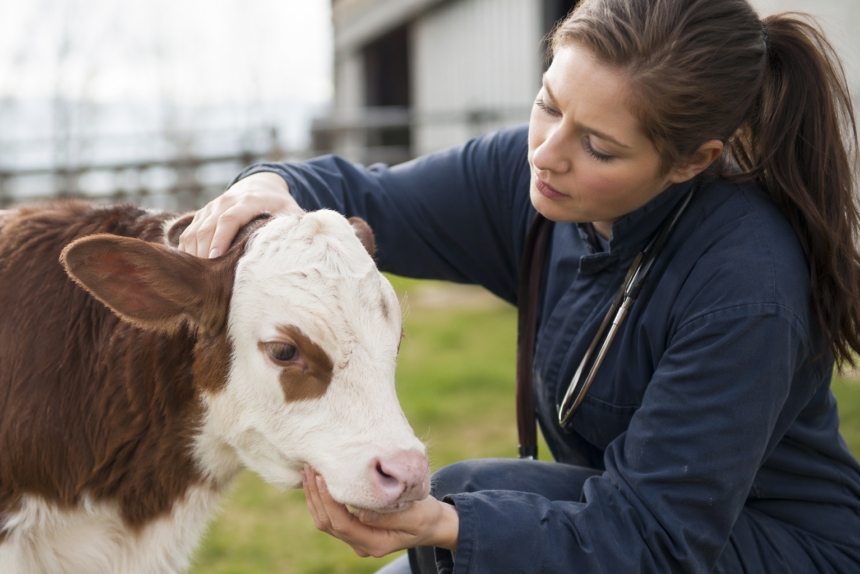
Calves often show BVD Symptoms more clearly than adult cattle. They may develop fever, poor appetite, depression, diarrhea, nasal discharge, eye discharge, rough hair coat, and slower growth. Some calves also become more vulnerable to pneumonia or mixed infections because of the virus’s effect on the immune system.
Persistently infected calves are especially important to recognize. These animals are infected before birth and can shed virus their entire lives. Some PI calves look poor doing, small-framed, or chronically unhealthy. Others may appear fairly normal at first, which is why testing matters so much. A fetus exposed between about 40 and 120 days of gestation can become immunotolerant and be born persistently infected.
When PI calves later develop mucosal disease, the situation can turn severe very quickly. Veterinary sources describe intense diarrhea, oral ulcers or erosions, salivation, dehydration, depression, and often death in severe cases.
What Do BVD Eyes Look Like?
Many producers search for BVD Eyes because eye changes can be one of the more visible early clues. In affected cattle, you may notice watery eyes, a sticky discharge, irritation, or eyes that look dull and sunken as dehydration worsens. Some animals also show conjunctivitis along with nasal discharge. These signs are not unique to BVD, but when they appear with fever, loose manure, poor appetite, or mouth lesions, suspicion should rise.
In everyday terms, BVD Eyes often look like the animal is simply not right. The face loses brightness. The eyes may appear tired, wet, crusted, or slightly recessed. On farms, these subtle appearance changes often show up before severe diarrhea does.
Common BVD Cattle Symptoms by Stage
The table below makes it easier to separate mild early illness from more serious disease.
| Stage of illness | Common BVD Cattle Symptoms |
|---|---|
| Early stage | Fever, dullness, reduced appetite, soft manure, mild nasal or eye discharge |
| Moderate stage | Clear diarrhea, reduced milk, weight loss, coughing or respiratory issues, rough hair coat |
| Severe stage | Profuse diarrhea, dehydration, mouth ulcers, salivation, weakness, rapid decline |
| Reproductive impact | Repeat breeding, embryonic loss, abortion, stillbirth, weak calves, PI calves |
| Persistent infection clues | Poor thrift, chronic illness, poor growth, recurrent disease, hidden virus shedding |
Signs of BVD That Are Easy to Misread
One of the biggest mistakes producers make is assuming BVD Symptoms are just routine scours, a passing respiratory bug, or stress from transport, weather, or ration change. That is understandable because BVD often overlaps with other herd problems. The virus is also recognized as a contributor to bovine respiratory disease, which means a calf with pneumonia-like signs may have BVD involved somewhere in the background.
These subtle Signs of BVD are often misread at first:
- A calf that misses one feeding and hangs back
- A fresh milk drop in one or more cows
- Watery eyes and nasal discharge without obvious severe illness
- A group of calves with uneven growth
- Recurring sickness in the same animals
- Unexpected abortions or weak newborns
If those signs show up together, especially after introducing new animals, purchasing bred females, or mixing groups, BVD should move higher on the list of possibilities.
When BVD Symptoms Become an Emergency
Some cattle move from mild sickness to serious decline fast. Severe diarrhea, dehydration, mouth erosions, extreme weakness, or sudden herd spread should be treated as urgent. Mucosal disease in PI cattle can be rapidly fatal, and even acute BVD cases can lead to major performance losses or death in severe situations.
Call your veterinarian quickly if you notice:
- Bloody or profuse diarrhea
- Mouth ulcers or severe drooling
- Rapid weight loss
- Multiple abortions
- Calves that are chronically poor doing
- Several sick cattle at once with fever and discharge
- Any suspected PI animal in a breeding herd
Early veterinary involvement matters because BVD looks like several other cattle diseases at first glance. Proper diagnosis helps you avoid treating the wrong problem.
How BVD Is Confirmed
You cannot confirm BVD by appearance alone. Because BVD Symptoms overlap with other infectious and management problems, laboratory testing is essential. Cornell lists diagnostic options such as antigen capture ELISA on skin samples, commonly from an ear notch, as well as PCR and virus isolation methods.
For many producers, the most important testing goal is identifying PI animals. Extension guidance stresses that testing and removal of positive animals are central to control. Your herd veterinarian can help decide whether to test calves, replacements, bred females, abortion cases, or the whole herd depending on what is happening on the farm.
What to Do If You Suspect BVD Symptoms
If you notice likely BVD Symptoms, do not wait for the problem to sort itself out. Practical first steps include isolating sick animals when possible, checking hydration status, monitoring temperature, limiting nose-to-nose contact, and speaking with your veterinarian about testing. Supportive care decisions depend on the severity of disease and whether secondary infections are involved.
Just as important, review recent herd movement. Have you brought in new replacements, purchased open or bred heifers, shared equipment, or commingled animals? PI cattle can shed virus through feces, nasal discharge, tears, saliva, urine, milk, and semen, so a single infected animal can expose many others.
Preventing Future BVD Problems
The best long-term response to BVD Symptoms is prevention. Reliable control programs usually combine three things: biosecurity, testing, and vaccination. Extension and veterinary sources consistently emphasize these as the foundation of herd protection.
Good prevention usually includes:
- Testing purchased animals and high-risk groups
- Identifying and removing PI cattle
- Working with a veterinarian on a herd vaccination plan
- Paying close attention to pregnant additions and replacement females
- Reducing contact between resident cattle and outside sources of infection
- Investigating reproductive losses promptly
This is where experience really matters. On real farms, the cost of doing nothing is often higher than the cost of a structured control plan. Cornell describes BVD as one of the costliest diseases of cattle because of production, recovery, and reproductive losses.
Final Thoughts on BVD Symptoms
BVD Symptoms do not always announce themselves loudly. Sometimes they begin with a dull calf, mild eye discharge, reduced feed intake, a drop in milk, or a few cows with reproductive trouble. That is exactly why cattle owners need to notice patterns, not just dramatic illness. Fever, diarrhea, BVD Eyes, poor thrift, and unexplained abortions should never be brushed aside when several clues start lining up.
The smartest approach is simple. Watch cattle closely, act early, test when BVD is suspected, and work with your veterinarian to keep persistently infected animals out of the herd. If you want a broader background on bovine viral diarrhea, that overview can help, but on-farm decisions should always be based on veterinary advice and herd testing.
In the end, catching BVD Symptoms early is less about memorizing one classic sign and more about recognizing a pattern of illness before it spreads. That habit protects calf health, breeding performance, milk production, and the long-term stability of the whole operation.