


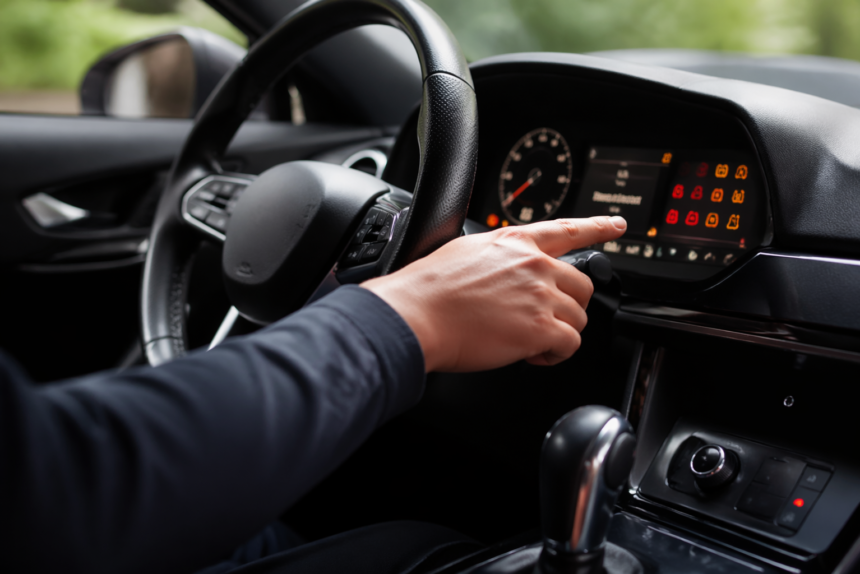
If you have ever looked at your dashboard and wondered what one small light or icon was trying to tell you, you are not alone. Automatic Car Symbols can feel confusing at first, especially if you are a new driver, switching to a different car, or using a vehicle with more digital features than you are used to. The good news is that these symbols are not random. They are there to help you drive more safely, notice problems early, and understand what your car is doing while you are on the road. Dashboard controls and telltales are standardized in the United States under Federal Motor Vehicle Safety Standard No. 101 so drivers can more easily recognize them across vehicles.
- What Are Automatic Car Symbols?
- Why Automatic Car Symbols Matter
- The Most Common Automatic Car Symbols and What They Mean
- Automatic Transmission Symbols and Gear Meanings
- Symbols You May See in Newer Automatic Cars
- What the Colors of Automatic Car Symbols Usually Mean
- What To Do When a Symbol Appears
- Real-World Example: Why These Symbols Matter
- Easy Tips for Remembering Automatic Car Symbols
- Common Questions About Automatic Car Symbols
- Conclusion
Many people use the phrase “automatic car symbols” to mean the signs, icons, and warning lights they see in automatic vehicles. That can include dashboard warning lights, transmission mode letters, driving assist icons, and maintenance reminders. Some symbols are only informational, while others mean you should act right away. Learning the difference can save money, prevent bigger repairs, and, in some cases, help you avoid a dangerous situation. AAA notes that warning lights often point to issues involving the battery, engine, tires, or braking system, all of which can affect safe driving if ignored.
What Are Automatic Car Symbols?
Automatic car symbols are visual signs your vehicle uses to communicate with you. Instead of giving you a long written message every time something changes, the car shows a symbol that represents a system, function, or warning.
In an automatic car, these symbols usually appear in one of three places. You may see them on the main dashboard, near the gear selector, or on a digital display screen between the gauges. In newer vehicles, some also show up in the infotainment or driver information menu.
These symbols generally fall into three simple groups:
- Information symbols that tell you a feature is active
- Caution symbols that mean something needs attention soon
- Warning symbols that may require you to stop driving and check the vehicle immediately
A useful rule most drivers follow is color-based. Red usually means urgent, yellow or amber means caution, and green or blue often means a feature is on. Federal rules also specify colors for many telltales, and NHTSA’s standards are designed to improve recognition and reduce distraction while driving.
Why Automatic Car Symbols Matter
It is easy to ignore a light if the car still seems to drive normally. That is one of the biggest mistakes drivers make.
A small symbol can be the first sign of low tire pressure, charging trouble, overheating, or brake system problems. NHTSA states that tire pressure monitoring systems are intended to warn drivers about significant under-inflation because under-inflated tires create safety risks, and the agency also notes under-inflation is among the leading causes of tire failure.
That means understanding these Automatic Car Symbols is not just about convenience. It is part of safe vehicle ownership. When you know what your car is trying to tell you, you can respond quickly instead of guessing.
The Most Common Automatic Car Symbols and What They Mean
Below are the symbols drivers see most often in automatic cars.
Check Engine Light
This is one of the most recognized dashboard symbols. It usually looks like the outline of an engine.
A check engine light often means the vehicle has detected a problem in the engine management or emissions system. Sometimes the issue is minor, like a loose gas cap. Other times it may point to a sensor failure, ignition issue, or another fault that should be diagnosed. Car and Driver notes that every car from model year 1996 onward shares the same basic OBD-II diagnostic language, which is why scan tools can read many common engine trouble codes.
If the light is steady, schedule a check soon. If it is flashing, the issue may be more serious, and you should reduce driving and get the car inspected as quickly as possible.
Battery Warning Light
This usually looks like a battery shape with plus and minus signs.
It does not always mean the battery itself is dead. AAA explains it can also point to a problem with the charging system, alternator, or wiring. If this light comes on while driving, your car may keep running for a short time, but you should not ignore it because the battery may stop charging altogether.
Oil Pressure Warning Light
This symbol often looks like an old-style oil can.
This is one light you should take seriously. Low oil pressure can damage the engine quickly. AAA’s maintenance guidance says drivers should expect the worst when the engine or oil pressure warning comes on and shut the engine off promptly to avoid expensive damage.
If you see this light, pull over safely, turn off the engine, and check the oil level if you know how to do so.
Engine Temperature Warning Light
This symbol usually looks like a thermometer over waves.
It means the engine may be overheating. Overheating can happen because of low coolant, a cooling system leak, a failing thermostat, or a radiator problem.
Do not keep driving and hope it goes away. Pull over safely, turn off the engine, and allow the vehicle to cool before checking anything under the hood.
Brake Warning Light
This can appear as the word “BRAKE,” a circle with an exclamation point, or a parking brake symbol.
Brake warnings matter because they can relate to the parking brake being engaged, low brake fluid, or a braking system issue. NHTSA has clarified that brake system malfunction telltales must use the word “Brake,” and ABS warnings must use “ABS” or “Anti-lock,” which helps drivers identify these critical alerts clearly.
If the brake light stays on after you release the parking brake, get the system checked as soon as possible.
ABS Light
ABS stands for anti-lock braking system.
When this light comes on, your regular brakes may still work, but the anti-lock function may not operate properly in a hard stop. That can affect control on wet or slippery roads.
Tire Pressure Warning Light
This symbol often looks like a horseshoe shape with an exclamation point in the middle.
It tells you that one or more tires may be under-inflated. NHTSA requires TPMS systems to warn drivers about significant under-inflation because low tire pressure can reduce handling, increase tire wear, and raise safety risks.
Check tire pressures with a proper gauge and inflate them to the recommended level listed on the driver-side door sticker, not just the number printed on the tire.
Seat Belt Reminder
This icon usually shows a person with a belt across the body.
It is a simple symbol, but an important one. It reminds the driver or passenger to buckle up before driving.
Airbag Warning Light
This symbol often shows a seated person with a round circle in front.
If it stays on, the airbag system may have a fault. That could mean an airbag may not work correctly in a crash, so the issue should be checked by a qualified technician.
Traction Control or Stability Control Light
This usually shows a car with wavy lines underneath it.
It may blink when the system is actively helping you keep traction. If it stays on continuously, the system may be off or may have a problem. Electronic stability control is a federally regulated safety system designed to reduce crashes involving loss of directional control.
Low Fuel Light
This symbol normally looks like a gas pump.
It is one of the easiest icons to understand, but drivers still push it too far. Refueling early helps you avoid being stranded and may reduce stress on the fuel system.
Automatic Transmission Symbols and Gear Meanings
When people search for Automatic Car Symbols, they are often asking about letters and marks near the automatic gear selector.
Here are the most common ones:
| Symbol | Meaning | What It Does |
|---|---|---|
| P | Park | Locks the transmission for parking |
| R | Reverse | Moves the car backward |
| N | Neutral | Disconnects engine power from the wheels |
| D | Drive | Normal forward driving mode |
| L | Low | Keeps the car in a lower gear for hills or extra control |
| S | Sport | Gives sharper response and later shifts |
| M | Manual | Lets the driver select gears manually |
| +/- | Gear control | Allows upshifts or downshifts in manual mode |
Not every automatic vehicle has all of these modes. Some modern cars replace the traditional gear lever with buttons, a rotary dial, or electronic toggles, but the symbols usually stay familiar.
Symbols You May See in Newer Automatic Cars
Modern vehicles include more systems than older cars, so drivers now see more icons than before.
Some newer symbols include:
- Lane departure warning
- Adaptive cruise control
- Collision warning
- Automatic emergency braking
- Blind-spot monitoring
- Auto start-stop indicator
- Drive mode selector
- Electric parking brake
- Key not detected warning
These features can be helpful, but they vary by brand. That is why your owner’s manual still matters. Even though many symbols are standardized, some manufacturers use slightly different designs or combine symbols with text.
What the Colors of Automatic Car Symbols Usually Mean
Understanding color can help you react faster.
Red Symbols
Red usually means stop, danger, or immediate attention.
Examples include:
- Oil pressure warning
- Brake system warning
- Engine overheating
- Seat belt reminder in some vehicles
If a red warning appears and stays on, do not ignore it.
Yellow or Amber Symbols
Yellow or amber usually means caution.
Examples include:
- Check engine light
- ABS warning
- Tire pressure light
- Traction control warning
These warnings often mean the car can still be driven for a short time, but the issue should be checked soon.
Green or Blue Symbols
Green or blue symbols usually show that a feature is active.
Examples include:
- Headlights on
- High beams
- Cruise control active
- Eco mode active
These are not usually warning signs. They simply confirm that a system is turned on.
What To Do When a Symbol Appears
The smartest response is not panic. It is a quick, calm check.
Follow this simple order:
- Notice the color of the symbol
- Check whether the car feels normal or unusual
- Look for a message on the display
- Pull over safely if the warning is red or serious
- Use the owner’s manual to confirm the symbol
- Arrange service if the light remains on
A common mistake is putting tape over a light, clearing codes without fixing the issue, or assuming the symbol will disappear on its own. That approach often turns a small problem into a much bigger one.
Real-World Example: Why These Symbols Matter
Imagine a driver sees the tire pressure symbol on a busy weekday morning. The car still moves fine, so the driver ignores it and continues driving for several days.
At first, nothing dramatic happens. But the low tire keeps losing pressure, fuel economy drops, tire wear becomes uneven, and the handling gets worse in rain. If that driver had checked the tire the same day, the issue might have been solved with a simple repair or inflation.
That is the real value of dashboard symbols. They give you an early chance to act before the problem becomes expensive or unsafe.
Easy Tips for Remembering Automatic Car Symbols
You do not need to memorize every symbol in one day.
These tips make it easier:
- Learn the urgent symbols first, especially oil, brakes, temperature, and tire pressure
- Keep a photo of your dashboard lights on your phone for quick reference
- Read the warning light section in your owner’s manual
- Pay attention to what lights come on briefly during startup and which ones stay on
- Do not assume every yellow light is harmless
Drivers who become familiar with a few core symbols usually gain confidence very quickly.
Common Questions About Automatic Car Symbols
Are all automatic car symbols the same in every vehicle?
Not completely, but many are similar because U.S. standards cover the location, identification, color, and illumination of many controls and telltales. Still, manufacturers can differ in layout and add brand-specific icons, especially in digital displays.
Can I keep driving if a warning symbol comes on?
It depends on the symbol. A green symbol is usually just informational. A yellow one means caution. A red one may mean stop driving as soon as it is safe to do so.
Why do some lights come on when I start the car?
That is often normal. Many dashboard lights briefly illuminate during startup as part of a system check. Car and Driver notes that this quick self-check is expected, but a light that stays on afterward may indicate a problem.
What if I do not recognize the symbol?
Check the owner’s manual first. If the symbol is red or the car feels unsafe, stop driving and get help.
Conclusion
Learning Automatic Car Symbols is one of the easiest ways to become a more confident and responsible driver. These small icons tell you what your vehicle is doing, what needs attention, and what should never be ignored. Once you understand the most common warnings and indicators, driving feels less confusing and a lot more predictable.
The key is to treat dashboard symbols as useful messages, not background noise. A quick response to one small light can save you money, reduce repair stress, and help keep you safe on the road. The next time you look at your car’s instrument panel, you will know that those symbols are there to help, not confuse you.