



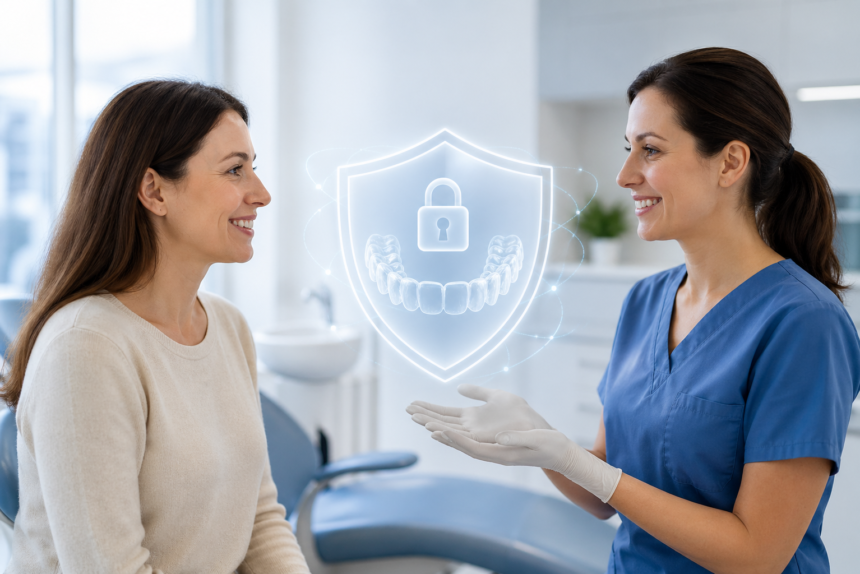
The SureSmile Login process is something many patients, dentists, orthodontic teams, and practice staff search for when they need quick access to treatment information, aligner planning tools, or account settings. I have worked around enough digital health and dental software topics to know one thing clearly: login pages look simple, but the information behind them can be sensitive.
- What Is SureSmile Login?
- Why People Search for SureSmile Login
- How to Access the SureSmile Login Portal Safely
- SureSmile Login for Patients
- SureSmile Login for Providers and Dental Teams
- Creating or Managing a New SureSmile User Account
- What to Do If SureSmile Login Is Not Working
- How to Keep Your SureSmile Account Secure
- How to Spot a Fake SureSmile Login Page
- Patient Privacy and Dental Portal Access
- SureSmile Login on Mobile Devices
- SureSmile Login and DS Core Connections
- Common SureSmile Login Mistakes to Avoid
- Best Practices for Dental Offices Using SureSmile
- Frequently Asked Questions About SureSmile Login
- Conclusion
SureSmile is connected with clear aligner treatment, digital orthodontic workflows, and provider tools from Dentsply Sirona. The official SureSmile login page uses an email address and password sign-in format, with options such as password recovery and new user access visible from the login area.
That means safe access matters. You are not just opening a random account. You may be dealing with dental treatment details, case planning, patient records, practice information, or communication connected to oral health care.
What Is SureSmile Login?
SureSmile Login refers to the sign-in process used to access a SureSmile account or portal. Depending on the user, this may involve a dental provider portal, practice account, treatment planning software, or related patient-facing access point.
SureSmile itself is best known for clear aligners and digital treatment planning. Dentsply Sirona describes SureSmile Aligners as part of a treatment system used for clear aligner therapy, and its provider materials mention workflows involving assessment, diagnosis, treatment planning, case acceptance, treatment initiation, monitoring, and support.
In simple words, the login is the doorway. What sits behind that doorway depends on your role.
A patient may be trying to check treatment updates or understand aligner progress.
A dentist or orthodontic office may be signing in to manage cases, review treatment setups, submit orders, or work with digital scans.
A staff member may need access for administrative support, but only with proper authorization from the practice.
That role difference is important because dental portals should never be treated like casual social media accounts. A login connected to health care deserves stronger habits.
Why People Search for SureSmile Login
Most searches for SureSmile Login come from practical needs. People usually do not want a long lecture. They want to get into the correct portal, reset a password, or understand why the page is not working.
Common reasons include:
- A patient wants to access their account.
- A provider needs to open the SureSmile portal.
- A dental office team member needs case or account access.
- Someone forgot their password.
- A user is unsure whether they are on the correct login page.
- A browser or device is causing sign-in trouble.
- A new employee needs a SureSmile user account created.
Dentsply Sirona documentation for creating a new SureSmile user account directs users to log in to their SureSmile database at login.suresmile.com, which shows that official portal access is tied to that login domain for SureSmile users.
That small detail matters. When a login involves dental records or treatment data, users should avoid random third-party pages that imitate the real portal.
How to Access the SureSmile Login Portal Safely
The safest way to use SureSmile Login is to start from an official SureSmile or Dentsply Sirona source. If your dental provider gave you a portal link, use that link carefully and check that the page looks legitimate before entering credentials.
A safe login routine looks like this:
- Open the official SureSmile login page or the link provided by your dental office.
- Check the website address before entering your email.
- Make sure the page uses HTTPS.
- Enter your registered email address.
- Type your password carefully.
- Avoid saving passwords on shared computers.
- Sign out when finished, especially on a work, school, clinic, or public device.
I always tell readers to slow down at the login screen. A few extra seconds can prevent a bigger problem later. Phishing pages often rely on rushed behavior. They look close enough to the real thing and hope users do not notice small differences.
SureSmile Login for Patients
For patients, the SureSmile Login experience may be tied to treatment communication, aligner progress, account details, or instructions from a dental provider. Not every patient will use the same type of access, because dental offices may manage patient communication differently.
If you are a patient, the best first step is to use the login details provided by your dentist or orthodontist. If you never received login information, do not guess. Contact your dental office and ask whether you should have portal access.
A patient should never create random accounts using unofficial pages just because a search result appears online. Dental treatment systems often require provider-linked access, and your account may need to be connected to your case.
Here is a simple example.
Imagine Sarah starts clear aligner treatment and receives an email from her dental office with account instructions. A month later, she searches for SureSmile access from a new phone. She sees several results and clicks quickly. A safer move would be to open the original email, check the sender, or ask the clinic to resend the correct login link.
That sounds basic, but it is exactly how many login mistakes are avoided.
SureSmile Login for Providers and Dental Teams
For dentists, orthodontists, and practice staff, SureSmile Login can be more operational. Provider access may involve case submissions, aligner planning, scans, treatment setups, administrative tools, and patient-related workflows.
Dentsply Sirona’s provider content describes SureSmile as a system that helps with clear aligner and digital orthodontic treatment workflows, including steps that support implementation in dental practices.
For a dental office, safe login habits are not only about convenience. They are part of responsible practice management. Staff members should have their own access where appropriate, rather than sharing one password across the office.
The HIPAA Security Rule includes technical safeguard concepts such as unique user identification, emergency access procedures, automatic logoff, and encryption or decryption as part of access control expectations for electronic protected health information.
Even when a practice uses multiple systems, the principle stays the same: each authorized person should use appropriate access. Shared logins may feel easier during a busy day, but they make accountability much harder.
Creating or Managing a New SureSmile User Account
Some users search for SureSmile Login because they are new to the platform. A new provider, new staff member, or practice administrator may need account setup before signing in.
The official SureSmile sign-up page describes the software as clear aligner planning software recommended for general dentists, allowing users to plan aligner treatments and prescribe or order aligners and retainers.
For practice teams, new user setup should be handled carefully. I would not recommend creating accounts casually or giving everyone the same permission level. A front-desk staff member, treatment coordinator, dentist, and practice owner may not need the same access.
A smart office setup usually includes:
- Separate user accounts for each team member.
- Access based on job role.
- Password reset rules.
- Quick removal of access when someone leaves the practice.
- Periodic review of who can access patient-related systems.
This is not about making work harder. It is about keeping the portal organized and reducing risk.
What to Do If SureSmile Login Is Not Working
Login problems are common with almost every portal. The good news is that many issues are simple.
If SureSmile Login is not working, try these steps before assuming the account is broken.
Check Your Email and Password
Make sure you are using the email address connected to your SureSmile account. A small typo can block access. Also check whether Caps Lock is on, since passwords are case-sensitive.
The official SureSmile login page itself includes a Caps Lock notice and a “Forgot your password?” option, which suggests users can recover access when password entry becomes the issue.
Use the Password Reset Option
If you are unsure about the password, use the reset option instead of repeatedly guessing. Too many failed attempts may trigger security restrictions or make the process more frustrating.
When resetting, use a strong password that you do not use on other sites. A dental portal should not share the same password as your email, shopping account, or entertainment app.
Try a Different Browser
Sometimes the issue is not the portal. It may be the browser.
Try updating your browser, clearing cache, or opening the login page in a private window. If that works, the problem may be saved cookies or an old session.
Check Your Internet Connection
A weak connection can cause login pages to freeze, reload, or reject a session. Switch networks or move closer to your router if the page keeps failing.
Contact Your Dental Office or SureSmile Support
Patients should contact their dental office first, especially if they are unsure whether they have portal access. Providers and practice staff may need to contact official SureSmile or Dentsply Sirona support channels, depending on how their account was created.
How to Keep Your SureSmile Account Secure
Security is where I want readers to pay close attention. A login connected to dental treatment may contain more personal information than people expect.
The American Dental Association explains that HIPAA governs how covered entities and business associates handle the privacy and security of patients’ protected health information.
That does not mean patients can ignore their own side of security. A provider may use secure systems, but users still need safe habits.
Use these practical tips:
- Create a password with at least 12 characters.
- Avoid names, birthdays, clinic names, or simple dental words.
- Do not reuse passwords from other accounts.
- Use a trusted password manager if available.
- Turn on multi-factor authentication if the account supports it.
- Avoid logging in through links in suspicious emails.
- Sign out after each session on shared devices.
- Keep your browser and device updated.
CISA states that multi-factor authentication helps prevent unauthorized access by requiring a second method to verify identity, and it notes that any MFA is better than no MFA.
That is especially useful for practice teams. If a staff member’s password is stolen, MFA can reduce the chance that someone gets into the account.
How to Spot a Fake SureSmile Login Page
Fake login pages are one of the most common online traps. They copy the look of a real login screen and collect your email and password.
Before entering your SureSmile Login details, pause and check for warning signs.
A suspicious page may have:
- A strange website address.
- Misspelled brand names.
- Poor layout or broken images.
- Unexpected pop-ups.
- Requests for payment details when you only wanted to sign in.
- A login link sent from an unknown email address.
- Pressure language such as “your account will close today.”
A real dental portal should not make you feel rushed or threatened. If something looks wrong, close the page and go directly to the official source.
For dental offices, staff training is essential. One careless click can expose more than one account. Even a small practice should teach employees how to verify links, report suspicious messages, and avoid saving passwords in unsafe places.
Patient Privacy and Dental Portal Access
Digital dental portals make treatment easier, but they also raise privacy responsibilities. Patients may see appointment details, treatment updates, aligner information, or messages connected to dental care.
HHS guidance on health information protection notes that HIPAA Privacy and Security Rules protect health information when held by covered providers or health plans, but users should also protect health information stored or discussed on personal devices.
That last part is often overlooked. If you download a file, save screenshots, or forward treatment details by email, you may create privacy risks outside the portal.
Here is a real-world scenario.
A patient logs in at work to check aligner instructions, then leaves the browser open. A coworker later uses the same computer and sees private dental information. The portal may be secure, but the user’s session behavior created the problem.
That is why signing out matters.
SureSmile Login on Mobile Devices
Many users access SureSmile Login from a phone. Mobile access is convenient, but it needs care.
A phone may feel private, but it can be lost, shared, or unlocked by someone nearby. Use a screen lock, keep the operating system updated, and avoid logging in through public Wi-Fi when possible.
If you must use public Wi-Fi, avoid entering sensitive health information unless you trust the connection. For extra protection, use your cellular data connection instead.
Also, do not keep screenshots of login pages, passwords, or treatment details in your camera roll. People often forget that photos sync to cloud accounts, shared albums, or other devices.
SureSmile Login and DS Core Connections
Some dental workflows may involve connected platforms. For example, a 3Shape support page describes a SureSmile Portal setup process where users access administration and external accounts, then link external portals with DS Core and sign in to DS Core.
This matters for providers because one login issue may not always be isolated. If a practice connects SureSmile with another digital platform, access problems can sometimes involve linked accounts, permissions, or integration settings.
For practice teams, I recommend documenting who manages integrations. That way, when something stops working, the team knows whether to contact the scanner vendor, SureSmile support, internal IT, or the account administrator.
Common SureSmile Login Mistakes to Avoid
Most login trouble comes from small habits. These mistakes are easy to make, especially in a busy office or during a quick patient check-in.
Avoid these:
- Using the wrong email address.
- Sharing one practice login among several employees.
- Saving passwords on a shared front-desk computer.
- Ignoring password reset emails.
- Clicking login links from unknown senders.
- Leaving sessions open after use.
- Using outdated browsers.
- Giving staff more access than their role requires.
- Waiting too long to remove access for former employees.
For patients, the biggest mistake is guessing your way into the portal. If you are unsure, ask your dental office. For providers, the biggest mistake is treating login management as a minor admin task. It is part of protecting patient trust.
Best Practices for Dental Offices Using SureSmile
If I were helping a dental practice improve its SureSmile access process, I would focus on a few simple but powerful habits.
First, assign an account owner. This person does not have to do everything, but they should know who has access and how new users are added.
Second, create a short internal checklist. It can include account setup, password reset rules, permission levels, and offboarding steps.
Third, train staff in plain language. Do not just say “follow HIPAA.” Show them what unsafe behavior looks like. For example, leaving a patient case open on a monitor is a real privacy issue.
Fourth, review access every few months. Dental offices change staff, roles, and workflows. Account access should change with them.
Finally, keep patients informed. If patients are expected to use a portal, give them clear instructions. A confused patient is more likely to click the wrong link.
Frequently Asked Questions About SureSmile Login
Is SureSmile Login for patients or providers?
It can be relevant to both, but access depends on the account type and how the dental provider uses SureSmile. Providers often use it for treatment planning and case management, while patients may receive access or communication through their dental office.
What should I do if I forgot my SureSmile password?
Use the password reset option on the official login page. If you still cannot access the account, contact your dental office or the proper SureSmile support channel based on your user role.
Can I create a SureSmile account myself?
Some provider-related sign-up options exist through official SureSmile sources, but patients should usually follow instructions from their dentist or orthodontist. Your treatment account may need to be linked to your provider.
Why does the SureSmile Login page not open?
The issue may be your browser, internet connection, old cache, incorrect link, or account access status. Try another browser, check the web address, and contact support if the problem continues.
Is it safe to use SureSmile Login on a public computer?
It is better to avoid public computers for health-related portals. If you must use one, do not save your password, do not download private files, and sign out completely when finished.
Conclusion
SureSmile Login is more than a simple sign-in page. For patients, it can connect to treatment communication and dental care details. For providers, it may support clear aligner planning, case workflows, and practice operations.
The safest approach is simple: use official links, protect your password, avoid shared devices, reset your password when needed, and contact your dental office or official support if something feels wrong.
Digital dentistry has made treatment more convenient, especially with tools connected to clear aligners, scans, planning software, and online portals. But convenience only works well when users handle access carefully.
When you treat the SureSmile Login process as part of your privacy routine, you protect more than an account. You protect patient trust, treatment information, and the smooth experience that modern dental care is supposed to provide.