


Getting locked out of your car can turn an ordinary day into a stressful one fast. In that moment, many people start searching for a Slim Jim Tool because they have heard it can open a vehicle door without a key. The name is familiar, the idea sounds simple, and the promise of a quick fix is tempting.
- What Is a Slim Jim Tool?
- Why People Still Search for a Slim Jim Tool
- The Original Purpose of a Slim Jim Tool
- Why Modern Cars Make This Much Riskier
- The Real Risks of Using a Slim Jim Tool
- When a Slim Jim Tool Might Still Be Mentioned
- Safer Alternatives for a Locked Car
- A Quick Comparison of Your Options
- What to Do Right After You Lock Your Keys in the Car
- How to Prevent Lockouts in the First Place
- Common Questions About the Slim Jim Tool
- Final Thoughts
The reality is more complicated. A Slim Jim Tool was designed for older vehicle entry systems, but modern cars are built very differently. What once worked on simpler door linkages can now damage weather seals, scratch glass channels, bend rods, or interfere with electronic components. In many cases, trying to force the issue makes a bad situation worse. Authoritative safety and roadside sources consistently recommend professional lockout help and strong theft prevention habits rather than do it yourself bypass attempts.
This article looks at what a Slim Jim Tool is, why people associate it with car door unlocking, where the risks begin, and what safer alternatives make more sense today.
What Is a Slim Jim Tool?
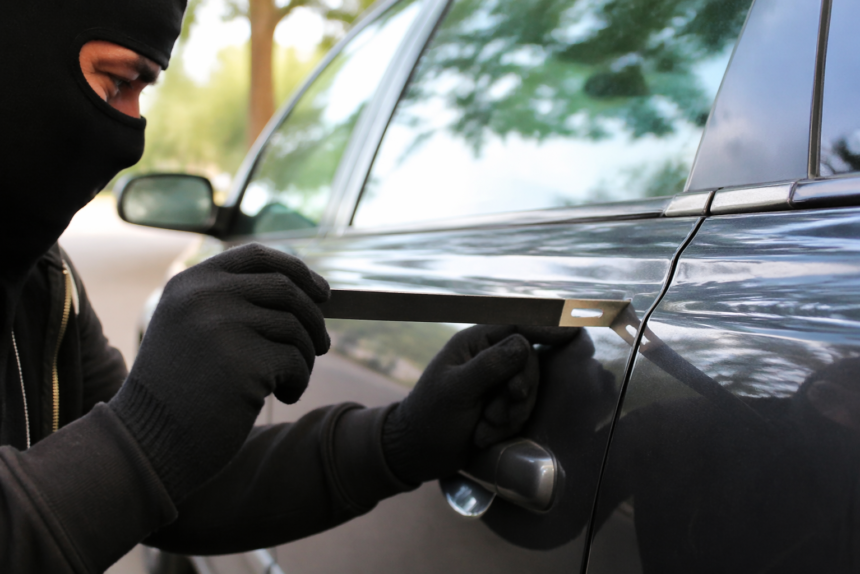
A Slim Jim Tool is a thin strip of metal historically used to reach inside a car door and manipulate the internal linkage that connects to the lock or latch system. The term became widely known in automotive lockout discussions because older door designs often had accessible rods and mechanical parts that could sometimes be moved from outside the door. Wikipedia’s entry on the topic describes it as a lockout tool used to bypass the normal key method by acting on internal components rather than the lock cylinder itself.
That basic definition matters because it explains both the appeal and the danger. The tool is not magic. It depends on the layout inside the door. Older cars with straightforward mechanical linkages were more vulnerable. Newer vehicles often include barriers, protective shrouds, electronic locking systems, side-impact components, and anti-theft features that make this method far less practical than many people assume.
So while the name still shows up in search results and conversation, the automotive world around it has changed.
Why People Still Search for a Slim Jim Tool
The biggest reason is simple. Lockouts happen when people are rushed, distracted, or dealing with a dead key fob battery. In that moment, a fast low cost solution sounds attractive. A Slim Jim Tool is often treated online like a universal answer for locked car doors, especially in older forum posts and recycled automotive advice.
There is also a pop culture effect. The phrase has become shorthand for “open a locked car door,” even though that oversimplifies how vehicle access actually works. Today’s cars are more likely to rely on integrated electronics, immobilizers, remote entry systems, and protected door internals. The search interest remains strong, but the practical usefulness has narrowed. NHTSA’s theft prevention materials show how much emphasis the modern auto industry places on anti-theft systems and secure vehicle access, which reflects how far vehicles have moved beyond older mechanical vulnerability.
The Original Purpose of a Slim Jim Tool
Historically, the purpose of a Slim Jim Tool was direct mechanical access. It was associated with vehicle lockout work on older cars where a trained technician could sometimes reach a linkage inside the door and release the lock. The key phrase there is trained technician. Even when the vehicle design allowed the method, results depended on knowing the exact location and feel of the internal parts.
That history is important because many readers assume the tool was designed for all cars. It was not. It belonged to a more mechanical era of automotive entry. The farther a vehicle moves into modern security design, the less sensible that old assumption becomes. Wikipedia’s summary also notes that newer cars adopted internal defenses and shrouding that reduce access to those components.
Why Modern Cars Make This Much Riskier
Modern vehicles are not just older cars with better paint and screens. The door itself is more complex. Behind that panel, you may have wiring, sensors, moisture barriers, tighter packaging, improved weather sealing, side-impact protection, and security features designed to resist unauthorized entry.
That matters because what people imagine as a simple gap near the window is not really a safe working space. On many newer models, using a Slim Jim Tool can create damage long before it creates access. AAA and related roadside assistance resources push drivers toward professional lockout support because vehicle access methods now depend heavily on the make, model, and lock system involved.
NHTSA also highlights the broader context. Vehicle manufacturers have invested heavily in anti-theft measures, including immobilizers and other deterrent systems, precisely because unauthorized entry and theft remain real issues. That shift alone should tell drivers that old bypass methods are not reliable shortcuts for modern vehicles.
The Real Risks of Using a Slim Jim Tool
A lot of articles make the risks sound vague, but they are not vague at all. The downside is practical and immediate.
Damage to the door linkage
On vehicles that still use accessible rods, unskilled manipulation can detach or bend those rods. When that happens, the door lock may stop working properly even with the original key or fob. Wikipedia specifically notes that unskilled use can detach lock rods and leave the lock inoperable.
Damage to seals, trim, and glass channels
Even before touching the lock mechanism, a Slim Jim Tool can scrape the inside of the window channel, damage rubber weather stripping, or mar trim. Those repairs may not sound major until wind noise, water leaks, or sticking windows appear later.
Problems with electronics and sensors
Modern doors often contain more than mechanical parts. Power lock systems, wiring harnesses, window controls, and integrated components create more opportunities for damage. A method built around blind insertion and feel is a poor match for densely packed electronics.
False confidence
This is a hidden risk that deserves attention. People often try improvised access methods when they are frustrated. Once the first attempt fails, they push harder, use more force, or switch to random household tools. That increases the odds of bending the frame, scratching paint, or making the eventual locksmith job harder and more expensive.
Legal and ethical concerns
A Slim Jim Tool is widely associated with unauthorized vehicle entry. That does not mean every mention of it is illegal, but it does mean context matters. Using any bypass method on a vehicle you do not own or have clear authorization to access can create obvious legal problems. The tool’s long-standing connection to car theft discussions is well documented.
When a Slim Jim Tool Might Still Be Mentioned
There are still situations where the Slim Jim Tool comes up in professional conversations, especially around older vehicles with simpler mechanical door designs. But that does not translate into a broad consumer recommendation.
The better way to think about it is this: just because a method exists does not mean it belongs in every driver’s glovebox. A trained locksmith or roadside technician evaluates the vehicle first, chooses a method suited to that specific system, and aims to minimize damage. AAA’s roadside lockout service reflects that real world approach. The service exists because vehicle entry is not one size fits all.
Safer Alternatives for a Locked Car
If your goal is simply to regain access to your vehicle, better options exist.
Call roadside assistance
This is usually the safest first move. AAA states that its roadside teams can provide vehicle lockout service, and if entry is not possible on site, towing may be arranged. That is a practical reminder that not every lockout has a clean instant fix.
Contact a licensed automotive locksmith
A professional locksmith can identify whether your vehicle needs non-destructive entry, key cutting, fob programming, or another solution. This is especially useful when the problem is not just locked doors but also lost keys, a damaged fob, or a malfunctioning remote system.
Use a spare key strategy
This sounds basic, but it remains one of the most effective solutions. A spare kept with a trusted person or stored securely at home prevents panic decisions when you are stranded.
Address the key fob issue
Sometimes the car is not truly “locked out” in the old sense. The fob battery may be weak, the emergency key blade may be overlooked, or the remote system may need attention. Solving the real issue is better than treating every lockout like a door linkage problem.
Check your manufacturer or connected vehicle service
Some cars offer remote unlock functions through official apps or subscription services. If your model supports it, this can be the cleanest option of all.
A Quick Comparison of Your Options
| Option | Best For | Main Advantage | Main Drawback |
|---|---|---|---|
| Slim Jim Tool | Older, simpler vehicles in trained hands | Historically useful on select mechanical systems | High risk of damage and poor fit for modern cars |
| Roadside assistance | Everyday lockouts | Fast, safer, widely available | May involve waiting or membership cost |
| Licensed locksmith | Lost keys, fob problems, complex lockouts | Vehicle-specific expertise | Service cost varies |
| Spare key | Preventing future emergencies | Simple and reliable | Only works if planned in advance |
| Manufacturer remote services | Connected vehicles | Non-invasive access | Not available on every car |
What to Do Right After You Lock Your Keys in the Car
The first few minutes matter because they shape whether the problem stays small.
Stay calm and confirm the situation. Make sure the car is actually locked, check every door, and see whether the trunk or hatch is accessible. If a child, pet, or vulnerable person is inside the vehicle, treat it as an emergency and contact emergency services immediately.
After that, work through the safest options first. AAA’s lockout advice emphasizes getting proper assistance rather than escalating panic with risky do it yourself attempts. Their consumer articles also point to preparation, spare keys, and consistent key habits as the best long-term prevention tools.
How to Prevent Lockouts in the First Place
Prevention is less dramatic than a viral hack, but it is far more useful.
Keep your keys or fob in the same pocket or bag section every day. Replace weak key fob batteries before they fail at the worst possible time. Consider a spare key plan that fits your lifestyle. If your vehicle has app-based remote access, set it up before you need it, not after.
NHTSA’s theft prevention advice also supports basic vehicle security habits like locking doors, using available immobilizer features, and safeguarding keys. Those are anti-theft habits, but they also reduce casual mistakes that lead to lockouts.
Common Questions About the Slim Jim Tool
Is a Slim Jim Tool safe for modern cars?
In most cases, it is not the safest choice for modern vehicles. The mix of electronic systems, protected linkages, and tighter internal door design makes damage more likely and success less predictable.
Does a Slim Jim Tool work on every car?
No. Its usefulness is closely tied to older mechanical designs. That is one reason roadside and locksmith services remain the more dependable option for current vehicles.
Is it better to call a locksmith or roadside service?
For most drivers, yes. The cost of professional help is often easier to absorb than the cost of repairing a damaged door, lock linkage, weather seal, or electronic component. AAA’s lockout service exists for exactly this reason.
Final Thoughts
The Slim Jim Tool still carries a certain reputation because it belongs to an older chapter of automotive lockout history. But reputation is not the same as suitability. For today’s vehicles, the method is more likely to create damage, frustration, and legal complications than a clean solution.
If you are locked out of your car, the smart move is usually the less dramatic one. Roadside assistance, a licensed locksmith, a spare key, or official remote access will almost always beat forcing your way into a system you cannot see. In that sense, the Slim Jim Tool is less a modern answer and more a reminder that vehicle technology has moved on. For extra background on the term itself, see slim jim.
A practical takeaway is simple. Treat car lockouts as a service problem, not a trial-and-error hardware problem. That mindset protects your vehicle, your time, and your wallet.