


Walk into any well-run salon, spa, or skin studio today and one thing becomes obvious very quickly. The setup matters almost as much as the service itself. A client may come in for a facial, lash appointment, brow treatment, waxing session, or relaxing body service, but the experience starts the moment they lie down. That is why the Beauty Bed has become such an important part of modern beauty spaces. It is no longer just a piece of furniture placed in the corner of a treatment room. It is a practical tool that affects comfort, workflow, hygiene, posture, and even how professional a business feels from the client’s point of view.
- What Is a Beauty Bed?
- Why the Beauty Bed Matters More Than Many Owners Realize
- Beauty Bed and Client Comfort Go Hand in Hand
- The Role of the Beauty Bed in Modern Beauty Treatments
- Key Features That Make a Beauty Bed Worth Buying
- Choosing the Right Beauty Bed for Your Business
- How a Beauty Bed Supports Better Ergonomics for Professionals
- Beauty Bed Hygiene and Cleanliness Standards
- The Client Experience Starts Before the Treatment Begins
- Common Mistakes to Avoid When Buying a Beauty Bed
- Why the Beauty Bed Has Become a Business Asset
- Conclusion
In a market where beauty and wellness businesses are competing on both results and experience, details like treatment room comfort carry real weight. U.S. spa industry figures released in 2025 reported revenue of $22.5 billion in 2024, 187 million spa visits, and 21,980 locations, showing how large and experience-driven this sector has become. As more clients expect premium service, the Beauty Bed plays a direct role in helping beauty professionals deliver treatments that feel calm, clean, supportive, and worth coming back for.
What Is a Beauty Bed?
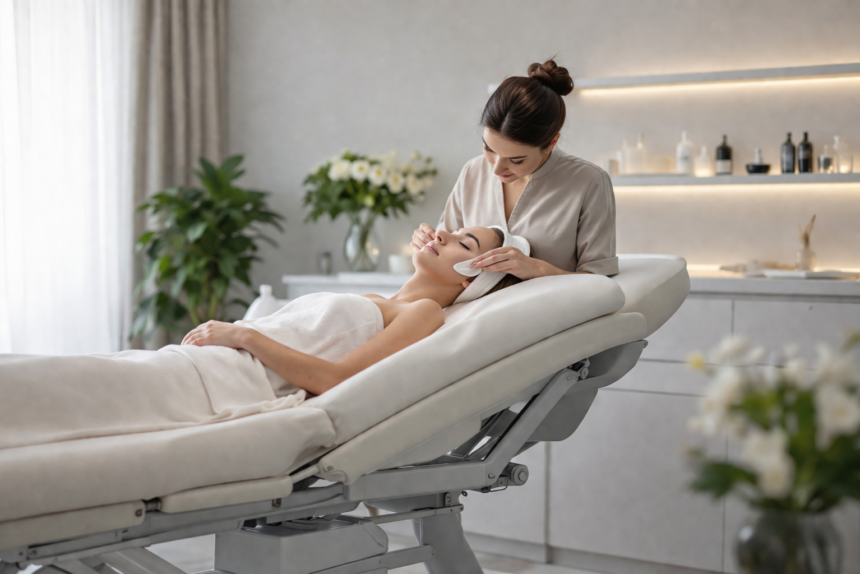
A Beauty Bed in a modern salon treatment room designed for client comfort and professional beauty services is a treatment bed designed for salon, spa, skincare, and cosmetic services. Unlike a standard household bed or a basic flat table, it is made to support both the client and the practitioner during beauty treatments. Most models are built with features such as adjustable height, backrest movement, leg support, padded cushioning, wipe-clean upholstery, headrest openings, or removable arm sections depending on the type of service offered.
That may sound simple, but the difference in use is significant. A facial therapist needs proper access to the client’s face and neck. A lash artist may need the client to remain still and comfortable for a long appointment. A waxing specialist needs stability, positioning options, and surfaces that can be cleaned quickly between clients. In each of these settings, the Beauty Bed works as part of the treatment system rather than as background furniture.
Why the Beauty Bed Matters More Than Many Owners Realize
A lot of salon owners focus first on products, lighting, décor, and branding. Those things matter, but the treatment bed quietly shapes the client’s opinion of the service every single day. If a bed feels too hard, too narrow, shaky, or awkward to get onto, people notice. They may not always say it aloud, but it affects how relaxed they feel and whether they trust the business.
Comfort is not just a luxury feature. It helps clients stay still, settle into the appointment, and feel secure for longer sessions. Whether someone is receiving a skincare treatment, body contouring session, brow service, or massage-based beauty therapy, physical support changes the experience. Cleveland Clinic notes that body positioning and pressure management matter in care settings, especially when someone remains in one position for a period of time. While salon services are very different from medical care, the general principle still applies. Better support reduces unnecessary strain and improves comfort.
A quality Beauty Bed also supports the professional performing the service. OSHA states that ergonomics helps lessen muscle fatigue, improve productivity, and reduce the severity and number of work-related musculoskeletal disorders. NIOSH similarly notes that awkward postures, sustained force, repetition, and static loading contribute to musculoskeletal disorders. In practical terms, a poorly chosen bed can force therapists, estheticians, and technicians to bend, reach, twist, or work at bad angles for hours every day.
Beauty Bed and Client Comfort Go Hand in Hand
Client comfort is one of those things people remember long after they forget the exact products used during a service. When someone lies on a properly padded Beauty Bed, with balanced support for the head, back, and legs, the body relaxes faster. That makes the whole appointment feel smoother.
This is especially important for longer services. A short brow treatment may only take a limited amount of time, but lash extensions, advanced facials, body treatments, and combination beauty services can keep a client on the bed for an hour or more. If the surface is too firm or the angle feels unnatural, discomfort builds gradually. The client starts shifting, adjusting shoulders, or moving their legs. Even small movements can affect treatment precision.
Comfort also shapes perception. A client who feels physically supported is more likely to describe the appointment as luxurious, professional, and worth the price. A client who feels cramped or tense may leave with the treatment completed but the experience weakened. In modern beauty businesses, repeat visits often come from that overall feeling just as much as from the technical result.
The Role of the Beauty Bed in Modern Beauty Treatments
Today’s beauty businesses offer far more than simple salon chair services. Treatment menus now include hydrafacials, chemical peels, dermaplaning, LED facial sessions, lash lifts, brow lamination, waxing, body treatments, scalp therapy, and wellness-inspired services that blend skincare with relaxation. That shift is one reason the Beauty Bed has become so central.
For facial treatments, the bed should allow the client to recline comfortably while keeping the practitioner at a workable level. For lashes and brows, stability is critical because the work is detailed and close-up. For body services, the bed needs enough width, padding, and durability to support different body types and positions. For multifunction beauty rooms, adjustable features make it easier to switch between services without making the room feel cluttered.
In other words, the modern Beauty Bed is no longer one-size-fits-all. It has to match the services being delivered.
Key Features That Make a Beauty Bed Worth Buying
Not every treatment bed is built to the same standard. Some are made for occasional use, while others are designed for heavy daily traffic in professional settings. A smart purchase starts with knowing what really affects performance.
Adjustable Height
Height adjustment is one of the most valuable features in a Beauty Bed. It helps practitioners work closer to neutral posture instead of bending over clients all day. NIOSH identifies awkward and static postures as important ergonomic risk factors. For salon owners, that means height adjustability is not just a convenience feature. It protects staff comfort over time.
Quality Padding
A bed can look premium and still feel uncomfortable after twenty minutes. Dense, supportive foam usually performs better than overly soft padding that compresses too quickly. The goal is support without pressure points.
Easy-Clean Upholstery
Beauty environments need quick and reliable cleaning between clients. Smooth, durable upholstery that resists spills, oils, wax residue, and skincare products helps keep the room hygienic and professional.
Strong Weight Capacity and Stability
A good Beauty Bed should feel secure when a client sits, turns, or reclines. Wobble creates instant doubt. Stability matters for safety, comfort, and trust.
Adjustable Backrest and Leg Section
These features make the bed more useful across different services. A slightly raised backrest may work better for consultations, brow services, or treatments where the client should not lie completely flat.
Headrest and Face Opening
For certain body treatments or massage-related beauty services, a face opening or adjustable head support can improve positioning and reduce strain.
Choosing the Right Beauty Bed for Your Business
The best Beauty Bed is not always the most expensive one. It is the one that suits the real working conditions of the room. That means the decision should start with treatment type, space size, client profile, and how many hours the bed will be used each day.
A solo esthetician offering facials in a home studio may prioritize a compact, elegant bed with good cushioning and easy cleaning. A busy spa with multiple therapists may need electric adjustment, stronger frames, and upholstery designed for constant daily use. A lash studio may care most about stillness, comfort, and support during long appointments. A waxing room may need quick sanitation, durability, and easy access around the client.
It also helps to think about room flow. If the treatment room is small, a bulky bed can make staff movement awkward. If the room is premium and design-led, the bed should still feel visually aligned with the brand. Clients notice whether everything looks intentional.
How a Beauty Bed Supports Better Ergonomics for Professionals
The beauty industry often talks about glowing skin, client retention, and treatment upgrades, but less attention is given to the bodies of the professionals doing the work. That is a mistake. OSHA explains that ergonomics is about fitting work to the worker, and poor ergonomic design contributes to muscle fatigue and musculoskeletal issues.
For beauty professionals, the risk is easy to understand. Long hours of bending over a facial bed, reaching across a client during waxing, or holding awkward arm positions during lash appointments can slowly build strain. NIOSH specifically identifies repetition, force, and awkward or static posture as common ergonomic risk factors.
A well-designed Beauty Bed helps by allowing better working height, more natural access to the treatment area, and less need to twist or lean. That may not sound glamorous, but in real business terms it matters. A therapist who feels less physical strain can work more consistently, deliver steadier service, and protect their body over the long run.
Beauty Bed Hygiene and Cleanliness Standards
Clients may not ask detailed questions about bed upholstery or frame coating, but they absolutely notice whether a treatment space feels clean. In beauty businesses, trust is built through visible hygiene. A Beauty Bed should be easy to sanitize, quick to reset between appointments, and resistant to product buildup.
Beds with cracked surfaces, stained covers, or difficult seams can make a room look tired even when the therapist is highly skilled. On the other hand, a fresh, well-maintained bed instantly makes the room feel more premium. Clean linens, disposable covers where needed, and regular frame wipe-downs all strengthen that impression.
This is one of the most overlooked ways a Beauty Bed affects brand image. People judge the professionalism of a beauty room within seconds.
The Client Experience Starts Before the Treatment Begins
Modern clients are often stressed, busy, and highly aware of value. They want results, but they also want to feel looked after. The moment they sit on the bed and prepare for the service, they begin deciding whether the environment feels safe, comfortable, and high quality.
A good Beauty Bed helps create that emotional shift from outside stress to in-treatment calm. It supports the feeling that the appointment has been thoughtfully designed. That matters even more in premium salons and wellness-led beauty spaces, where clients are paying not just for a treatment but for a complete experience.
This is one reason many successful studios invest in room details that seem small at first. Bed width, cushioning, adjustable sections, clean finishes, and good linen choices all work together. None of these things replace skill, but they absolutely enhance how skill is received.
Common Mistakes to Avoid When Buying a Beauty Bed
One common mistake is buying based only on appearance. A sleek-looking Beauty Bed may photograph beautifully and still perform poorly in daily use. Another mistake is choosing a model without considering treatment types. If the bed cannot adapt to your service menu, it will become frustrating very quickly.
Some owners also underestimate how important staff comfort is. A lower-cost bed that forces bad posture can create a hidden long-term cost in fatigue, slower work, and discomfort. Others ignore cleaning practicality and end up with surfaces that age badly.
The smartest approach is to think beyond the first impression. A treatment bed should work hard every day, not just look good on opening week.
Why the Beauty Bed Has Become a Business Asset
In a competitive market, the Beauty Bed is not just equipment. It is part of service quality, room efficiency, client retention, and staff wellbeing. The growth of the spa and beauty sector reflects a wider shift toward experience-led services, where clients expect comfort and professionalism together.
That means treatment furniture is now a business decision, not a minor décor purchase. The right bed helps services run smoothly, supports treatment quality, and makes clients more likely to return. It can also help position a business as modern, thoughtful, and premium without needing to say those words out loud.
Conclusion
The modern Beauty Bed does much more than give clients a place to lie down. It supports comfort, better posture for beauty professionals, cleaner workflows, and a more polished treatment experience from start to finish. In a salon or spa environment where every detail shapes the client’s impression, the treatment bed has become one of the most practical investments a business can make.
Whether you run a facial studio, lash room, waxing space, or full-service spa, choosing the right Beauty Bed can improve both everyday operations and the way clients feel in your care. In a service industry built on trust, comfort, and results, that matters. Even the design language of a treatment room often connects back to broader ideas of personal care, which is why the bed itself should never be treated as an afterthought.
A strong Beauty Bed helps create the kind of appointment clients remember for the right reasons. It supports the body, improves the workflow, and quietly raises the standard of the whole room.