

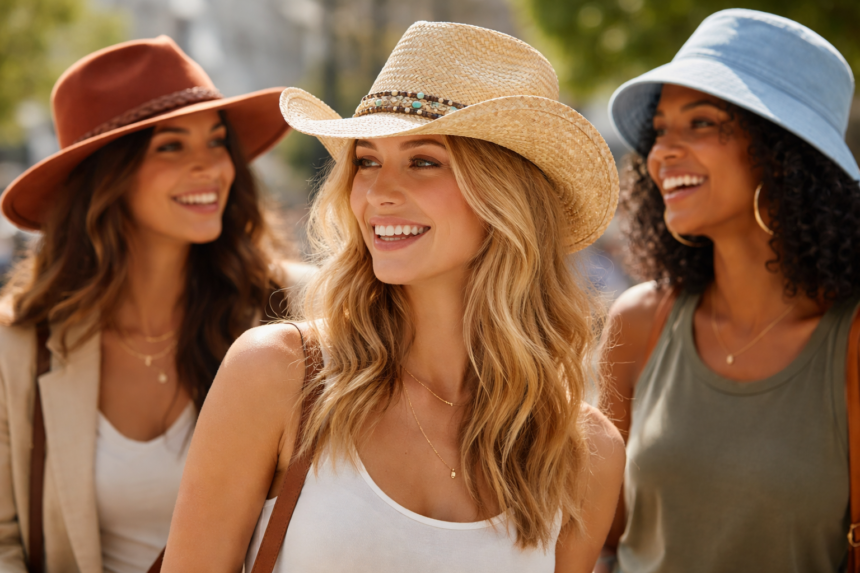
If you have been paying attention to what people are actually wearing, not just what gets posted in polished campaign photos, you have probably noticed one thing fast. Hats are back in a bigger way, and not just as practical add-ons for sun or bad hair days. The Higher Hat trend is part of that shift, bringing more height, more shape, and more attitude into everyday outfits. Fashion editors have been highlighting statement hats, wearable red carpet headwear, and personality-driven accessories as a growing part of seasonal dressing, while the wider headwear market itself continues to expand globally.
- What Is the Higher Hat Trend?
- Why Higher Hat Styles Feel Fresh Right Now
- The Main Higher Hat Styles to Watch This Season
- How to Wear Higher Hat Styles Without Overdoing It
- Higher Hat and Seasonal Styling
- Who the Higher Hat Trend Works Best For
- Common Styling Mistakes to Avoid
- How Higher Hat Connects With Real Search Intent
- Frequently Asked Questions About Higher Hat
- Final Thoughts on Higher Hat This Season
What makes Higher Hat interesting is that it is not limited to one exact silhouette. It can mean a taller crown, a stronger brim, a more structured cap, or simply a hat that adds visual lift to your whole look. That is why the trend feels so current. People want accessories that do more than finish an outfit. They want pieces that define it. Fashion coverage over the last year has repeatedly emphasized individuality, statement accessories, and headwear that feels expressive rather than purely functional.
The reason this matters now is simple. Style has become more personal, more mixed, and more layered. Instead of chasing one uniform look, shoppers are blending streetwear, quiet luxury, vintage influence, and seasonal practicality. In that environment, hats make sense because they are one of the easiest ways to change the mood of an outfit without rebuilding the whole wardrobe. The broader apparel market and streetwear market are both showing continued growth, which helps explain why accessories with identity and styling power are getting more attention.
What Is the Higher Hat Trend?
The Higher Hat trend can be understood as a move toward hats that create stronger shape and more visible presence. Instead of sitting quietly in the background, these hats bring proportion, height, and structure to the outfit. That might show up in a slightly taller baseball cap, a bucket hat with a firmer crown, a fedora-inspired shape, a ranch-style brim, or a fashion-forward statement piece that frames the face more dramatically.
What ties these looks together is not one strict design rule. It is the effect. A Higher Hat changes how the head, shoulders, and upper body read visually. It draws the eye upward. It can make simple basics feel styled on purpose. Marie Claire’s recent focus on wearable red carpet hats and Glamour’s emphasis on statement hats in seasonal accessory coverage both support the idea that hats are no longer niche styling tools. They are becoming everyday fashion moves again.
That is also why this trend appeals to very different kinds of dressers. Someone who likes minimalist fashion might choose a clean, tonal cap with a slightly higher front panel. Someone else may go for a dramatic wide-brim style with a taller crown. The trend is flexible because the principle is simple. Add height, add shape, and let the hat carry more of the outfit’s personality.
Why Higher Hat Styles Feel Fresh Right Now
One reason Higher Hat styles feel new is because fashion has been moving away from overly polished sameness. Editors and stylists have been talking more about personal style, singular accessories, and pieces that make basics feel special. Glamour’s 2025 accessory coverage explicitly pointed to quirky hats and personality-led styling as part of the season’s fashion energy.
Another reason is practicality. People increasingly want wardrobes that do more with less. A great hat can change the tone of jeans and a tee, sharpen a casual blazer, or make knitwear look intentionally styled. In a market where consumers keep looking for versatile fashion purchases, hats fit the moment well. Headwear market research shows the category is growing, with demand tied not only to function but also to lifestyle positioning and fashion identity.
Social and celebrity styling has helped too. Fashion coverage continues to show baseball caps, structured brims, and unusual hat silhouettes crossing from street style into luxury and red carpet settings. That kind of visibility matters because it normalizes the idea that hats are not just occasional accessories. They can be central pieces in modern dressing.
The Main Higher Hat Styles to Watch This Season
Structured Caps
Structured caps are one of the easiest entry points into the Higher Hat trend. They are familiar, wearable, and easy to pair with casual clothing, but the newer versions tend to sit a little taller and cleaner than soft, slouchy caps. That extra structure gives the face more definition and makes even a relaxed outfit feel intentional.
This style works especially well with oversized shirting, bomber jackets, denim, and soft tailoring. It gives off a modern, city-ready look without trying too hard. The fact that even celebrity casual outfits continue to feature baseball caps shows how strongly this category remains embedded in contemporary style.
Bucket Hats With Shape
Bucket hats have been around for a while, but the newer direction is less floppy and more sculpted. A bucket hat with a firmer crown or sharper edge fits the Higher Hat idea because it adds presence rather than blending into the outfit. It can still feel playful, but it looks more elevated.
This is the kind of style that works with sporty streetwear, monochrome looks, and summer travel outfits. It is also one of the easiest hats for younger audiences to adopt because it already sits comfortably between trend and function.
Taller Crown Brim Hats
When people think of dramatic headwear, this is usually the category they imagine first. Hats with a taller crown and visible brim make an immediate impact. They add proportion, elegance, and visual lift, especially when worn with clean necklines, fitted outerwear, or simple dresses.
Fashion editors have recently highlighted hats that once might have seemed too red carpet or too formal but now feel wearable in real life. That matters because it shows a broader shift in how hats are styled. The goal is not costume. It is confidence with restraint.
Western and Ranch Influenced Hats
Western-influenced fashion keeps resurfacing in fresh ways, and hats are a major reason why. Even when a full cowboy look is not the goal, a structured hat with a higher crown can bring just enough edge to denim, boots, or a simple white shirt.
Coverage around place-based style, especially Nashville and country-inspired dressing, shows how strong this influence remains in fashion culture. The modern take is less themed and more refined. Think cleaner lines, better proportions, and more versatile color choices.
How to Wear Higher Hat Styles Without Overdoing It
The biggest mistake people make with a Higher Hat look is treating the hat like an isolated statement piece. A hat always changes the balance of the outfit, so the rest of the styling needs to support it. If the hat has height or strong structure, keep at least part of the outfit visually clean. That gives the eye somewhere to rest.
A good rule is to let one part of the outfit carry the drama. If the hat is bold, choose simple layers underneath. A fitted knit, straight-leg jeans, a long coat, or a clean shirt usually works better than competing prints and busy accessories. This is one reason hats are so effective right now. They let a person look styled without needing a loud outfit from head to toe.
Color matters too. Neutrals make a Higher Hat easier to wear every day, especially black, camel, olive, navy, gray, and cream. If the silhouette is unusual, a calm color can make it feel approachable. On the other hand, if the shape is classic, a richer color can add interest without making the outfit feel difficult.
Fit matters more than many people expect. A hat that sits too low can flatten the face. A hat that sits too high without purpose can feel awkward. The sweet spot is a shape that frames your face and complements your proportions. People with rounder face shapes often like hats with a bit more height because they elongate the overall look. Those with longer face shapes may prefer moderate height with a balancing brim.
Higher Hat and Seasonal Styling
One reason the Higher Hat trend works so well is that it changes character with the season. In spring and summer, the look feels lighter and more expressive. Breathable materials, lighter colors, and casual shapes help the hat read as easy rather than heavy. This is where caps, shaped bucket hats, and soft brim styles tend to do well.
In fall and winter, the trend becomes richer and more dramatic. Wool blends, felted textures, darker tones, and stronger silhouettes naturally add presence. Seasonal accessory coverage often peaks during cooler months because layers create the perfect backdrop for statement headwear. That is exactly why fashion editors tend to spotlight hats so often in fall trend pieces.
The practical side matters too. Hats help bridge style and utility. Sun coverage, warmth, and weather adaptability make them easier to justify as real wardrobe purchases. That balance between use and appearance is part of what keeps the category growing commercially.
Who the Higher Hat Trend Works Best For
The nice thing about Higher Hat dressing is that it is not reserved for one age group or one fashion identity. It works for people who like basics, people who like trend-driven outfits, and people who want one standout piece to do the heavy lifting.
For minimal dressers, a clean structured cap or simple taller crown hat can add polish without clutter. For streetwear fans, the trend fits naturally into oversized silhouettes, layered separates, and sneaker-led looks. For women and men who prefer classic wardrobes, a refined brim hat can elevate outerwear, denim, or knitwear without pushing the outfit too far.
This broad appeal also reflects how fashion is shifting more toward modular styling. Consumers are increasingly interested in expressive pieces they can repeat in different contexts. That logic aligns with wider apparel and streetwear growth, where identity-driven shopping continues to shape the market.
Common Styling Mistakes to Avoid
A Higher Hat should add intention, not confusion. One common mistake is picking a hat that fights the rest of the outfit’s vibe. A dramatic structured brim with highly sporty clothing can work, but only if there is a unifying element like color or texture. Without that, the outfit can feel split in half.
Another mistake is ignoring material. A winter-style hat in a lightweight summer outfit can look off, just as a casual washed cap may not support a sharp tailored coat. Texture has to match the season and the mood.
The last mistake is wearing the wrong scale. Very petite frames may feel overwhelmed by extremely wide brims or very tall crowns, while taller people can often carry more volume comfortably. That does not mean there are hard rules, but proportion matters. The best Higher Hat looks usually feel balanced even when they are bold.
How Higher Hat Connects With Real Search Intent
When readers search for Higher Hat, they are often looking for one of three things. They want trend ideas, they want outfit inspiration, or they want help understanding how to wear a more structured or statement-driven hat in daily life. That is why the trend has content value. It sits at the intersection of fashion inspiration and practical styling advice.
It also helps that hats are visually easy to understand but emotionally powerful in style terms. A jacket changes your silhouette, but a hat changes how your whole look is perceived from the first glance. That is a big reason fashion editors keep returning to hats as style shorthand. A good hat instantly communicates mood, confidence, and point of view.
Frequently Asked Questions About Higher Hat
Is Higher Hat a specific hat style?
Not necessarily. In fashion use, Higher Hat works best as a broad style idea rather than one single product type. It usually points to hats with more visible height, shape, or styling impact than basic low-profile everyday hats.
Can Higher Hat styles work for casual outfits?
Yes. In fact, casual outfits are often where they work best. A structured cap, shaped bucket hat, or clean brim hat can make everyday clothing look more thought-out without making it feel formal.
Are Higher Hat looks only for colder seasons?
No. They work year-round. The difference is usually material and color. Lighter fabrics and softer tones fit spring and summer, while felted, wool-blend, or darker styles tend to suit fall and winter better.
What outfits pair best with Higher Hat trends?
Simple outfits usually let the hat shine. Denim, crisp shirts, knitwear, blazers, long coats, midi dresses, and tonal basics all pair well with a Higher Hat look because they give structure without too much competition.
Final Thoughts on Higher Hat This Season
The best thing about Higher Hat trends is that they do not ask you to rebuild your wardrobe. They ask you to think differently about proportion, personality, and finishing touches. A good hat can sharpen a basic outfit, soften a tailored one, or give a simple look a memorable edge. That is why this trend is turning heads. It feels visible, wearable, and surprisingly adaptable.
As fashion keeps leaning toward expressive accessories and personal styling, hats are likely to stay in the conversation. Not every version of the trend will suit every person, and that is fine. The goal is not to copy every runway signal or every celebrity moment. It is to find a Higher Hat shape that feels right for your face, your wardrobe, and your everyday confidence. If you want to understand how hats evolved into such a lasting fashion accessory, it helps to look at how often they have returned whenever style becomes more individual again.
In other words, this season’s Higher Hat movement is about more than headwear. It is about presence. The right hat changes posture, mood, and visual balance in seconds. That kind of impact is exactly why this trend matters right now.