



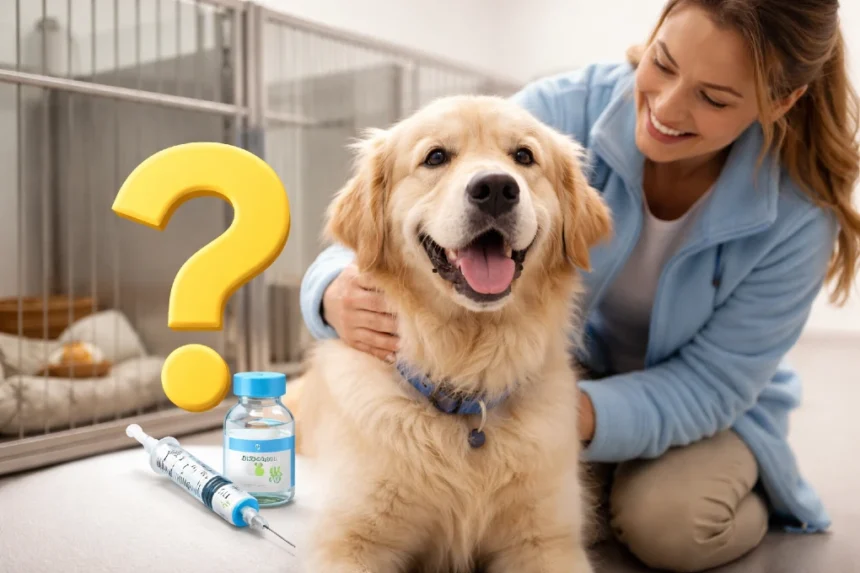
You’ve probably been there before. You’re packing your bags for a long-awaited vacation, the suitcase is half-full, and you’re checking off your “to-do” list. Suddenly, you realize you need to drop your golden retriever off at the local kennel. You call them up, and the first thing they ask isn’t about his favorite toy or his dietary needs. Instead, they ask, “Is he up to date on his Bordetella vaccine?”
- What Exactly Is the Bordetella Vaccine Protecting Against?
- The Different Ways Your Dog Can Get the Shot
- Understanding the “Mandatory” Nature of Boarding Rules
- Is the Vaccine 100% Effective?
- The Real Cost of Skipping the Vaccination
- Side Effects: What to Expect After the Vet Visit
- How to Manage the Paperwork for Your Kennel
- Special Considerations for Seniors and Young Puppies
- The Social Dog’s Health Checklist
- Why Some Owners Are Skeptical
- Preparing for the Unexpected
It feels like one more hoop to jump through. If your dog stays mostly in your backyard or only walks around the neighborhood, you might wonder if this specific shot is actually necessary or just an extra charge at the vet’s office. The short answer is that while the law doesn’t usually require it, the industry definitely does. Most reputable boarding facilities, doggy daycares, and even some groomers will turn you away at the door without proof of this vaccination.
But why is this particular shot the “golden ticket” for pet lodging? To understand the mandate, you have to understand the sneaky nature of what pet owners commonly call kennel cough. It isn’t just one single germ; it’s a highly contagious complex of respiratory infections that can sweep through a boarding facility faster than a rumor in a small town.
What Exactly Is the Bordetella Vaccine Protecting Against?
When we talk about the Bordetella vaccine, we are specifically targeting a bacterium called Bordetella bronchiseptica. This is the primary culprit behind the hacking, honking cough that keeps many pet parents up at night. However, it’s rarely a solo act. Often, this bacterium joins forces with other viruses like parainfluenza to create a full-blown respiratory syndrome.
Think of a boarding facility like a crowded elementary school during flu season. Dogs are constantly sharing the same air, sniffing the same fences, and occasionally slobbering on the same water bowls. Because Bordetella is airborne, a single infected dog sneezing in one corner of a room can theoretically infect several others nearby.
This is why boarding facilities are so strict. If a “breakout” happens under their watch, it’s not just a health crisis for the dogs; it’s a PR nightmare for the business. By making the vaccine mandatory, they are essentially creating a bubble of herd immunity to keep their operations running smoothly and their furry clients breathing easy.
The Different Ways Your Dog Can Get the Shot
One thing that surprises many pet owners is that the Bordetella vaccine isn’t a one-size-fits-all application. Depending on your dog’s temperament and your vet’s preference, there are actually three different ways your dog can receive this protection. Each has its own set of pros and cons, especially when it comes to how quickly the immunity kicks in before your boarding date.
First, there is the intranasal version. This is the one where the vet squirts a bit of liquid directly into your dog’s nose. Most vets love this because it targets the local immunity right where the bacteria usually enter the body. It also tends to work faster, often providing protection within just a few days. If you’re in a rush to board your dog next weekend, this is usually the way to go.
Then, you have the traditional injectable version. This is a standard shot under the skin. It’s a great option for dogs that absolutely lose their minds when someone touches their snout. However, the injectable version typically requires two doses spaced a few weeks apart for the initial round to be fully effective. If you’re a first-timer, you can’t just get this shot and head straight to the kennel.
Finally, there is an oral version. This is a relatively newer option where the vaccine is placed in the dog’s cheek pouch. It’s less invasive than the nasal spray and doesn’t involve needles, making it a “middle ground” favorite for wiggly puppies.
Understanding the “Mandatory” Nature of Boarding Rules
If you look at state laws, you’ll notice that the Rabies vaccine is usually the only one strictly mandated by government health departments. So, in a legal sense, the Bordetella vaccine isn’t “mandatory” like Rabies is. However, boarding facilities are private businesses. They have the right to set their own health safety protocols to protect their property and the pets in their care.
Most facilities require the vaccine to be administered at least 7 to 14 days before the dog arrives. This is a crucial detail that many people miss. If you show up with a vaccination record dated yesterday, the kennel might still refuse to take your dog. This is because the dog’s immune system needs time to process the vaccine and build up the necessary antibodies.
Furthermore, different facilities have different “expiration” rules. Some kennels require a booster every six months, while others are fine with an annual shot. If your dog is a frequent flyer at the daycare, you’ll want to clarify their specific policy early on. There is nothing worse than arriving at the airport for your flight only to find out your dog can’t stay at the kennel because his booster was due last month.
Is the Vaccine 100% Effective?
Here is the part that often frustrates pet owners: even with the Bordetella vaccine, your dog can still get kennel cough. It’s very similar to the human flu shot. Because there are so many different strains and bacteria that contribute to respiratory infections, the vaccine can’t cover every single one.
However, even if a vaccinated dog catches a bug, the symptoms are almost always much milder. Instead of a deep, painful cough that leads to pneumonia, a vaccinated dog might just have a bit of a “tickle” in their throat for a few days. It prevents the life-threatening complications that can occur in older dogs or puppies with weaker immune systems.
When a boarding facility requires the shot, they aren’t necessarily promising that no dog will ever cough. They are ensuring that if a bug does get into the facility, it doesn’t turn into a medical emergency for the dozens of dogs staying there. It’s about risk mitigation rather than a total guarantee of a germ-free environment.
The Real Cost of Skipping the Vaccination
Some owners hesitate because of the cost or a general desire to minimize the number of chemicals going into their pets. While these concerns are valid and worth discussing with a vet, the “cost” of skipping the vaccine is often much higher.
If your dog is denied entry to a boarding facility at the last minute, you might lose money on non-refundable travel bookings. Even worse, if your dog stays at an unregulated facility that doesn’t require shots, the risk of a severe infection is high. Treating a serious case of pneumonia resulting from kennel cough can cost thousands of dollars in vet bills, oxygen therapy, and antibiotics.
Compare that to the relatively low price of a Bordetella booster, and the math usually leans heavily in favor of the vaccine. It’s an investment in your dog’s health and your own peace of mind while you are away.
Side Effects: What to Expect After the Vet Visit
Like any medical procedure, the Bordetella vaccine can cause a few mild reactions. It’s very common for dogs to be a little sleepy or “off” for about 24 hours after the shot. If they had the intranasal version, they might sneeze or have a slightly runny nose for a day or two. This is totally normal; it’s just the immune system doing its job.
In rare cases, a dog might develop a small, firm lump at the injection site if they had the shot. This usually goes away on its own within a week. Of course, if you see any swelling of the face, hives, or if your dog seems to be having trouble breathing, that’s an emergency allergic reaction. While extremely rare, it’s always something to keep in the back of your mind after any vet visit.
How to Manage the Paperwork for Your Kennel
One of the biggest headaches with boarding is the paperwork. To make the process smoother, don’t rely on a verbal “he’s had his shots” from your vet. Ask for a printed or digital copy of the vaccination certificate that clearly shows the date of administration and the expiration date.
Most modern boarding facilities allow you to upload these documents through an online portal weeks in advance. I highly recommend doing this the moment you book your trip. This gives the kennel staff time to review the records and alert you if anything is missing or if the booster is going to expire during the dog’s stay.
If you’ve lost your records, don’t panic. Most vet offices are happy to email a PDF copy directly to the boarding facility for you. It just takes a five-minute phone call to save you a world of stress on move-in day.
Special Considerations for Seniors and Young Puppies
The “mandatory” nature of the vaccine becomes even more important when we talk about the extremes of age. Puppies have immune systems that are still “under construction.” For them, a bout of Bordetella can quickly turn into a life-threatening situation. Most vets will include the Bordetella vaccine in the initial puppy series starting around 8 to 16 weeks of age.
On the other end of the spectrum, senior dogs often have diminished lung capacity or underlying heart issues. For an old dog, the physical stress of a constant, hacking cough can be exhausting. If your senior dog still enjoys the social life of a boarding kennel, keeping them protected is an act of kindness.
However, if your dog has a history of severe vaccine reactions or an autoimmune disorder, your vet might provide a medical waiver. Be warned, though: many boarding facilities will not honor a waiver because the risk to the other dogs is too great. In those cases, you might need to look into a private pet sitter who comes to your home instead of a communal boarding environment.
The Social Dog’s Health Checklist
Beyond the mandatory Bordetella shot, there are other things you should keep in mind before heading to the kennel. A healthy dog is a happy boarder. Check their skin for any signs of fleas or ticks, as most facilities will also require a flea preventative. Ensure their stool is firm, as stress can sometimes trigger digestive issues, and no kennel wants to deal with a “stomach bug” outbreak either.
It’s also a good idea to bring your dog’s own food. Switching diets suddenly while they are already stressed from being away from home can lead to an upset stomach. When you combine the protection of the vaccine with the comfort of familiar food and a favorite blanket, your dog is much more likely to have a positive experience.
Ultimately, the Bordetella vaccine is about more than just checking a box on a form. It’s a collective agreement among pet owners to keep the community safe. When everyone follows the rules, the risk of disease drops significantly, allowing our dogs to enjoy their “vacation” as much as we enjoy ours.
Why Some Owners Are Skeptical
In recent years, there has been a lot of conversation about “over-vaccination.” Some pet owners worry that giving a booster every six months or even every year is unnecessary. While it’s true that some vaccines, like Distemper or Parvo, can last for three years or more, the immunity for Bordetella is notoriously short-lived.
The bacteria that cause kennel cough are constantly evolving, and the localized immunity in the nose and throat tends to fade faster than systemic immunity in the blood. This is why, for dogs in “high-pressure” environments like boarding houses or show circuits, the frequent boosters are actually based on the biology of the disease rather than a desire to sell more shots.
If you are concerned about the frequency, have an honest conversation with your vet. They can help you weigh the risks based on your dog’s specific lifestyle. If your dog never interacts with other dogs, you might skip it. But if boarding is in your future, it remains a non-negotiable part of the process.
Preparing for the Unexpected
Even with the best planning, things happen. Maybe your vet is booked up, or you forgot the booster date. If you find yourself in a pinch, look for “Vet-in-a-box” clinics often found in major pet supply stores. These clinics frequently offer the Bordetella vaccine on a walk-in basis, which can be a lifesaver for last-minute travelers.
Just remember that even a walk-in clinic can’t bypass the biological “waiting period” that most kennels require. Plan ahead, stay organized, and keep those digital records handy on your phone.
In the end, the vaccine is a small price to pay for the safety of your best friend. It allows them to play, socialize, and stay active while you are away, without the looming threat of a nasty respiratory infection. It’s part of being a responsible pet owner in a world where our dogs are more social than ever before.
Managing your pet’s health is often about staying ahead of the curve. While it might seem like a hassle, the consistency of these requirements across the boarding industry is actually a sign of how much we’ve learned about keeping animals safe in group settings. Whether it is through a quick spray in the nose or a simple shot, ensuring your dog is protected is the best way to ensure their boarding stay is a success.
When looking at the overall health of your pet, it’s helpful to understand the different price tags associated with veterinary care. Staying informed about these costs and requirements helps you make the best decisions for your furry family members without any surprises at the clinic or the kennel.
For more information on common pet health standards and the history of veterinary medicine, you can check out the latest entries on animal health to see how far we’ve come in preventing these types of outbreaks.