



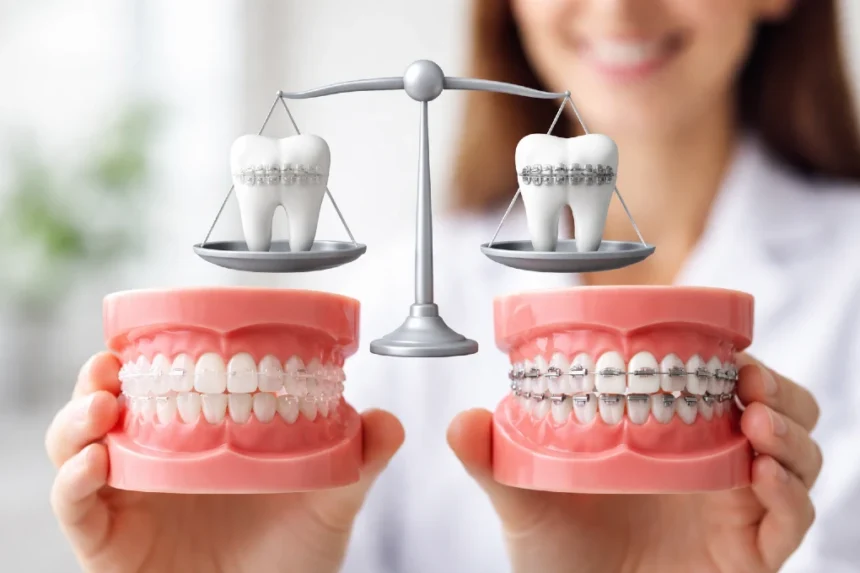
Choosing braces is not just about straightening your teeth. It is also about comfort, appearance, budget, lifestyle, and how confident you want to feel during treatment. If you are comparing Ceramic Braces with traditional metal braces, you are already asking the right question. Both options can fix crowding, gaps, overbites, underbites, and other alignment issues, but they are not identical in the way they look, feel, and fit into daily life.
- Why This Comparison Matters
- What Are Ceramic Braces?
- What Are Metal Braces?
- Ceramic Braces vs Metal Braces at a Glance
- Appearance: The Biggest Reason People Choose Ceramic Braces
- Cost: Which Option Is Easier on Your Budget?
- Effectiveness: Do Ceramic Braces Work as Well as Metal Braces?
- Durability: Which Braces Hold Up Better?
- Staining and Maintenance: A Real Concern With Ceramic Braces
- Comfort: Do Ceramic Braces Feel Different?
- Treatment Time: Which One Works Faster?
- Who Should Choose Ceramic Braces?
- Who Should Choose Metal Braces?
- Ceramic Braces vs Metal Braces for Adults
- Common Mistakes to Avoid Before Choosing
- Questions to Ask Your Orthodontist
- Final Verdict: Which One Should You Choose?
- FAQs
For many people, the decision comes down to one simple tradeoff. Metal braces are usually more noticeable but often more affordable and durable. Ceramic Braces are designed to blend in better with your teeth, which makes them especially popular with adults and older teens who want a less obvious look. The best choice depends on your priorities, not just the appliance itself.
Why This Comparison Matters
Braces stay with you for months, sometimes years. That means the right choice should work for your smile goals and your routine. You will eat with them, brush around them, attend school or work with them, and probably show them in photos more often than you expect.
According to the American Association of Orthodontists, modern orthodontic treatment is customized to each patient rather than being one-size-fits-all. Cleveland Clinic also notes that braces work by applying steady pressure to shift teeth into healthier positions over time. That is why two people with the same crooked teeth may still get different treatment recommendations.
What Are Ceramic Braces?
Ceramic Braces are fixed braces that work much like metal braces. They use brackets and wires to gradually move teeth into alignment. The biggest difference is the bracket material. Instead of shiny stainless steel brackets, ceramic braces use clear or tooth-colored brackets that are less noticeable.
Cleveland Clinic explains that clear braces work the same way as traditional braces but use ceramic brackets and often frosted or tooth-colored components to blend in with natural teeth. That makes them a common choice for patients who want a more discreet treatment option without switching to removable aligners.
What Are Metal Braces?
Metal braces are the classic version most people picture first. They use stainless steel brackets and wires, and they are still one of the most common orthodontic treatments available. They are visible, strong, and effective for a wide range of mild to complex cases.
The American Association of Orthodontists describes braces as brackets attached to teeth with wires threaded through them, creating the pressure needed to move teeth into better positions. Metal braces have been refined over time and are typically smaller and more comfortable than older versions.
Ceramic Braces vs Metal Braces at a Glance
| Feature | Ceramic Braces | Metal Braces |
|---|---|---|
| Appearance | Less noticeable, tooth-colored or clear | Most visible |
| Cost | Usually higher | Usually lower |
| Durability | Strong, but brackets can be more fragile | Very durable |
| Staining Risk | Brackets resist stains, ties may discolor | No cosmetic staining concern |
| Comfort | Similar overall, sometimes slightly bulkier | Similar overall |
| Best For | Adults, professionals, image-conscious patients | Teens, kids, complex cases, budget-focused patients |
Appearance: The Biggest Reason People Choose Ceramic Braces
Let’s be honest. Appearance is usually the first reason people ask about Ceramic Braces. If you speak in meetings, create content, interact with customers, or simply do not want your braces to be the first thing people notice, ceramic braces have a clear advantage.
Their brackets are made to blend with your teeth, so from a normal conversation distance they tend to look much softer than metal braces. They are not invisible, but they are significantly less obvious. That subtle difference can matter a lot if you are self-conscious about your smile during treatment.
Metal braces, on the other hand, are easy to spot. Some patients do not mind that at all. In fact, many younger patients like the look, especially when they can choose colored elastics. But for adults who want an understated option, Ceramic Braces are often more appealing.
Cost: Which Option Is Easier on Your Budget?
Cost is where metal braces often win. In many practices, metal braces are the more budget-friendly option, while Ceramic Braces usually cost more because of the materials and cosmetic appeal.
The American Association of Orthodontists emphasizes that braces pricing varies based on factors like case complexity, treatment length, and location. In other words, no ethical orthodontist can give a universal flat fee without an exam. Still, cosmetic fixed options like ceramic braces commonly come at a premium over standard metal braces.
If budget is your top concern, metal braces are often the practical choice. If appearance matters enough that you are willing to pay more for it, Ceramic Braces may feel worth the extra cost.
Cost factors that affect both types
- Severity of alignment or bite issues
- Length of treatment
- Orthodontist experience and location
- Retainers after treatment
- X-rays, scans, and follow-up visits
- Insurance benefits or payment plans
A smart move is to compare the full treatment quote, not just the base appliance fee.
Effectiveness: Do Ceramic Braces Work as Well as Metal Braces?
In many common orthodontic cases, yes. Ceramic Braces can be highly effective for straightening teeth and correcting bite issues. Since both systems use brackets and wires, the underlying mechanics are very similar.
That said, some orthodontists prefer metal braces for more complex or demanding cases because they are extremely durable and can handle heavy forces well. This does not mean ceramic braces are weak or ineffective. It simply means that case complexity can influence the recommendation.
The real takeaway is this: the better choice is the one your orthodontist believes can move your teeth efficiently and safely. Cosmetic preference matters, but biology and treatment planning matter more.
Durability: Which Braces Hold Up Better?
Metal braces are usually the durability winner. Stainless steel brackets are tough and less likely to chip or crack during treatment. That can be especially useful for younger patients, athletes, or anyone who is a little rough on appliances.
Ceramic Braces are strong, but the brackets can be more brittle than metal. They are not delicate in the everyday sense, but they do need a bit more care. If you frequently eat hard foods, forget dietary restrictions, or have a habit of chewing on pens or ice, metal braces are often the safer bet.
This is one of those real-world considerations that people sometimes overlook. The “best” braces on paper are not always the best braces for your habits.
Staining and Maintenance: A Real Concern With Ceramic Braces
One common question is whether Ceramic Braces stain. The ceramic brackets themselves are generally resistant to discoloration, but the elastic ties used with them can stain over time, especially if you regularly consume coffee, tea, red sauce, curry, or tobacco products.
Cleveland Clinic notes that clear braces are less noticeable than metal ones, but cleaning is essential to keep them looking good. NHS guidance on braces also stresses brushing carefully around brackets and wires, using fluoride toothpaste, and keeping up with oral hygiene during treatment.
Tips to keep Ceramic Braces looking cleaner
- Brush after meals whenever possible
- Use fluoride toothpaste twice daily
- Clean around brackets and along the gumline carefully
- Limit stain-heavy foods and drinks before appointments
- Rinse with water after coffee, tea, or soda
- Never skip adjustment visits
Metal braces are easier to live with cosmetically because staining is not really part of the equation. If you know you are not great with maintenance, that matters.
Comfort: Do Ceramic Braces Feel Different?
Most patients find the overall experience fairly similar. Both types can cause pressure or soreness after adjustments because tooth movement is the goal. That discomfort is normal and temporary.
Cleveland Clinic explains that braces use mild, constant pressure to move teeth, and NHS orthodontic guidance notes that fixed braces can make teeth and gums feel uncomfortable for a few days after fitting or tightening.
Some patients feel that Ceramic Braces are a little bulkier than metal ones, depending on the system used. Others do not notice much difference. In practical terms, neither option is pain-free, and neither should be painful all the time. Expect an adjustment period with either choice.
Treatment Time: Which One Works Faster?
Treatment time depends more on your case than on whether you choose ceramic or metal brackets. Crowding severity, bite correction, age, bone response, and appointment consistency all matter.
Hospital orthodontic guidance from Nottingham University Hospitals notes that teeth move slowly in orthodontics, often around 1 millimeter per month, because bone remodeling takes time. That is a useful reminder that no brace type can cheat biology.
In some cases, orthodontists may prefer metal braces if they want maximum control and efficiency, especially for more complex movement. For straightforward treatment goals, Ceramic Braces may perform very similarly. The honest answer is that your orthodontist should decide this based on your bite, not marketing claims.
Who Should Choose Ceramic Braces?
Ceramic Braces are often a strong fit for:
- Adults who want a discreet look
- Professionals who meet clients or appear on camera
- Older teens who care about aesthetics
- Patients comfortable paying more for appearance
- People committed to careful brushing and food discipline
They are especially attractive if you want fixed braces but do not want the visibility of metal brackets.
Who Should Choose Metal Braces?
Metal braces are often the better choice for:
- Patients on a tighter budget
- Kids and younger teens
- Complex orthodontic cases
- People who want maximum durability
- Patients who do not want to worry about stained ties
Metal braces are also a great option if function matters more to you than cosmetics. They are proven, reliable, and straightforward.
Ceramic Braces vs Metal Braces for Adults
Adults often lean toward Ceramic Braces for one simple reason. They want effective treatment without drawing too much attention to it. That preference is understandable, especially in work and social environments.
Cleveland Clinic reports that about 20% of orthodontic patients in the United States are over age 18, which shows how normal adult braces have become. Even so, many adults still prefer a less noticeable appliance when they have the choice.
If you are an adult deciding between the two, ask yourself this: would visible metal brackets bother you every day for the next 12 to 24 months? If the answer is yes, Ceramic Braces may be worth the extra cost.
Common Mistakes to Avoid Before Choosing
A lot of people make the choice too quickly. They either choose the cheapest option without thinking about daily confidence, or they choose the prettiest option without considering maintenance and cost.
Here are a few mistakes to avoid:
- Choosing based only on appearance
- Ignoring your orthodontist’s case-specific advice
- Underestimating cleaning and food restrictions
- Forgetting to ask about total cost, not just monthly payments
- Assuming all braces work the same for every case
The right braces are the ones you can realistically stick with and care for.
Questions to Ask Your Orthodontist
Before you decide, ask these practical questions:
- Is my case equally suitable for Ceramic Braces and metal braces?
- Will one option likely shorten my treatment?
- How much more will Ceramic Braces cost in my case?
- Are ceramic brackets recommended for both upper and lower teeth?
- How often will I need adjustments?
- What foods should I avoid?
- How noticeable will the wires and ties be?
- What happens if a bracket breaks?
Those answers will tell you more than any generic online comparison.
Final Verdict: Which One Should You Choose?
If you want the most durable and budget-friendly option, metal braces are usually the smart choice. They are effective, dependable, and often ideal for more complicated cases.
If appearance matters a lot to you and you are willing to pay more for a less noticeable look, Ceramic Braces can be an excellent choice. They offer the benefits of fixed braces with a more subtle appearance, which is why so many adults prefer them.
In the end, there is no universal winner. There is only the option that fits your bite, your budget, and your lifestyle best. If your orthodontist says both can work, then the decision becomes personal. Choose metal braces if you care most about strength and cost. Choose Ceramic Braces if you care most about appearance and are ready to maintain them properly.
A straight smile is a long-term investment in oral health and confidence. Whether you choose ceramic or metal, the best results come from consistent care, regular appointments, and a treatment plan tailored to you. In the final stages of orthodontic treatment, what matters most is not which bracket looked better on day one, but which option helped you stay committed all the way to the finish.
FAQs
Are Ceramic Braces more expensive than metal braces?
Yes, in many cases Ceramic Braces cost more because they are more aesthetic and use less noticeable materials. Actual fees vary by case and provider.
Do Ceramic Braces stain easily?
The brackets themselves are usually stain-resistant, but the elastic ties can discolor if you frequently consume foods or drinks that stain. Good oral hygiene helps.
Are Ceramic Braces as strong as metal braces?
They are effective, but metal braces are generally considered more durable and may be preferred for some complex cases.
Are Ceramic Braces good for adults?
Yes. They are especially popular with adults who want a less noticeable fixed-braces option.
Do Ceramic Braces take longer to work?
Not always. Treatment time depends largely on the complexity of your case, your biology, and how well you follow your orthodontist’s instructions.