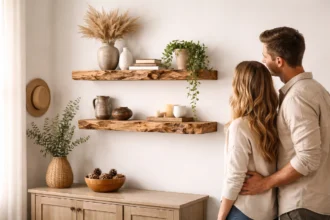



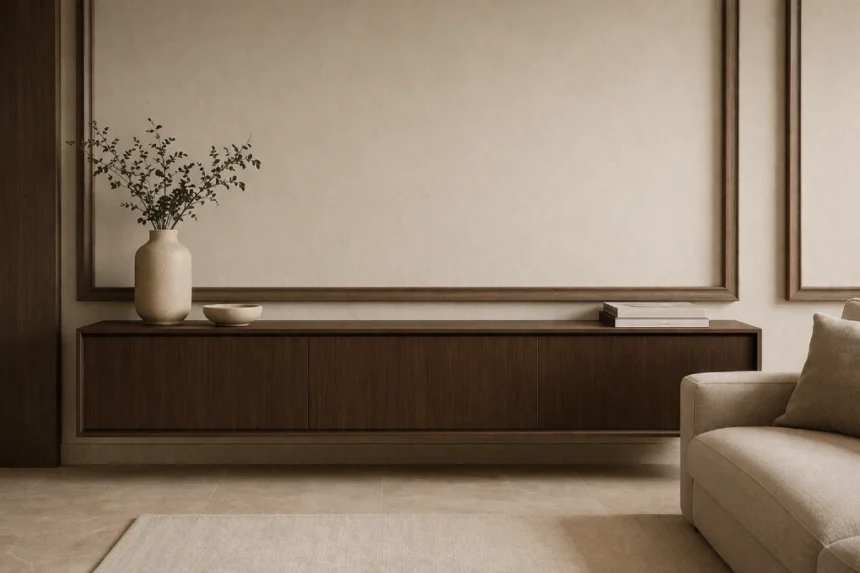
If you want a home to feel polished without turning it into a showroom, Boxed Wood is one of the smartest ways to get there. It adds structure, warmth, and depth in a way that plain painted walls usually cannot. Whether you use it for ceiling details, built-ins, wall framing, storage surrounds, or entryway accents, Boxed Wood has a way of making a room feel more custom and more intentional from the moment you walk in.
- What Boxed Wood actually means in interior design
- Why Boxed Wood makes rooms feel more luxurious
- The most effective places to use Boxed Wood
- Best Boxed Wood styles for a high-end look
- Boxed Wood finishes that look premium
- How to make Boxed Wood look expensive instead of trendy
- Boxed Wood and built-ins are a smart pairing
- Material choices that matter
- Real-world Boxed Wood ideas by room
- Common mistakes to avoid
- Cost-conscious ways to get the look
- Why Boxed Wood fits today’s design mood
- Conclusion
That is a big reason wood-centered interiors are showing up more often in modern renovations. Houzz reported that renovation activity in the U.S. remained strong in 2024, with 54% of homeowners undertaking renovation projects, while design professionals also pointed to warmer palettes, tactile layering, and a renewed interest in wood tones as ongoing home trends in 2025. The broader remodeling market is still huge as well, with Americans spending an estimated $603 billion on home remodeling in 2024, according to the National Association of Realtors.
So what makes Boxed Wood look expensive when it can be done across a wide range of budgets? It is not just the material itself. It is the visual order, the texture, the shadow lines, and the built-in feel it creates. When designed well, it makes a space look finished rather than merely decorated.
What Boxed Wood actually means in interior design
In practical terms, Boxed Wood usually refers to wood elements used to frame, enclose, define, or structure part of a room. That might include wall molding layouts, box beams, boxed ceiling details, wrapped columns, framed feature walls, custom shelving surrounds, window casings, bench nooks, cabinet enclosures, or clean-lined storage features.
The appeal is simple. Instead of leaving surfaces flat and forgettable, Boxed Wood gives them shape. It turns empty wall space into an architectural feature and makes ordinary areas look custom built.
This style works in a lot of homes because it is flexible. A traditional home can use deeper trim profiles and richer stains. A modern home can use slimmer lines, pale oak tones, and minimalist layouts. In both cases, Boxed Wood creates that tailored look people usually associate with high-end interiors.
Why Boxed Wood makes rooms feel more luxurious
Expensive-looking interiors almost always share a few traits. They feel layered. They feel measured. They do not look random. Boxed Wood supports all three.
First, it creates dimension. Light hits wood differently than flat drywall, which gives the room more depth throughout the day.
Second, it introduces a natural material. Designers continue to favor earthy tones and tactile finishes because they make rooms feel warmer and less sterile. Houzz reported that design pros in 2025 were seeing a move away from cool grays toward richer, earthier colors, with wood tones returning to favor as part of that shift.
Third, it suggests craftsmanship. Even simple Boxed Wood details can look like custom millwork when they are proportioned correctly and painted or stained with care. That visual cue matters. People tend to read custom-looking details as premium.
The most effective places to use Boxed Wood
Not every wall needs treatment. In fact, Boxed Wood usually looks best when it is placed with intention. A few strong applications often look more upscale than trying to put it everywhere.
1. Living room feature walls
A living room is one of the best places to start. A boxed wood wall behind a sofa, fireplace, or media console adds instant visual structure. It makes the room feel designed, even if the furniture is fairly simple.
For a refined result, keep the spacing consistent and avoid overly busy patterns. Large rectangular sections tend to feel cleaner and more upscale than tiny, repetitive boxes.
2. Dining room wall paneling
Dining rooms benefit from Boxed Wood because the space is naturally more formal. Wall framing or panel molding gives the room a composed, elegant look that pairs well with lighting, artwork, and upholstered chairs.
This is especially effective in homes where the dining area feels plain or underused. A well-designed wood layout gives it identity without requiring a full remodel.
3. Entryways and hallways
A hallway can look forgettable in minutes or memorable for years. Boxed Wood helps tip it toward memorable. Wall boxes, lower paneling, and built-in-looking trim details can make narrow transitional spaces feel intentionally styled.
Entryways are even better. Since first impressions matter, a wood-framed wall, boxed bench nook, or structured coat area can make the whole home feel more expensive right away.
4. Ceilings with boxed beams
A ceiling is often the most underused surface in a room. Adding Boxed Wood beams or box-style ceiling trim creates architecture where none existed before. It draws the eye upward and instantly changes how the room feels.
This works especially well in living rooms, kitchens, and primary bedrooms. Even faux box beams can add character without the cost and structural demands of solid beams.
5. Bedroom accent walls
Bedrooms do not need dramatic styling to feel luxurious. In many cases, a soft-toned Boxed Wood treatment behind the bed is enough. It adds a boutique-hotel feel and creates a strong focal point without overwhelming the room.
Painted wood in warm white, mushroom, taupe, or muted greige tends to look especially elegant in bedrooms.
Best Boxed Wood styles for a high-end look
The secret is not simply using wood. It is choosing the right interpretation of Boxed Wood for your space.
Here are the styles that consistently look elevated:
- Large-scale wall boxes with even spacing
- Vertical boxed slat designs for height
- Low-profile geometric framing in modern homes
- Coffered or boxed ceiling patterns
- Built-in shelving surrounded by wood framing
- Boxed bench seating in breakfast nooks or mudrooms
- Painted panel molding for classic elegance
- Wood-wrapped niches and alcoves for a custom feel
If the goal is to make a room look expensive, clean proportions matter more than complexity. Simpler layouts often look more luxurious because they feel calm and deliberate.
Boxed Wood finishes that look premium
Finish choice can make or break the entire effect. Cheap-looking finishes usually happen when the tone clashes with the rest of the room or when the sheen is too harsh.
For a more elevated result, focus on these finish directions:
| Finish Type | Best Look | Why It Feels Expensive |
|---|---|---|
| Light oak or ash | Modern, airy interiors | Adds warmth without heaviness |
| Medium walnut tones | Rich, classic spaces | Creates depth and sophistication |
| Painted warm white | Transitional rooms | Looks tailored and timeless |
| Greige or taupe paint | Soft luxury interiors | Feels subtle and refined |
| Matte sealers | Natural wood grain | Keeps the finish understated |
| Low-sheen enamel | Trim and paneling | Reflects light softly, not harshly |
The current design shift toward warm, earthy palettes makes natural-looking wood and soft paint finishes especially relevant right now.
How to make Boxed Wood look expensive instead of trendy
This is where many people get it wrong. Boxed Wood can look stunning, but it can also look like a rushed DIY feature if the basics are off.
Focus on the details that elevate the final result:
Keep the scale right
Tiny boxes on a large wall often look fussy. Oversized, balanced sections tend to feel more architectural. Measure the wall carefully and map the pattern before cutting anything.
Match the home’s style
A sleek modern home usually needs straighter lines and simpler trim. A more classic home can carry richer molding profiles. The closer the design feels to the architecture of the house, the more expensive it will look.
Use negative space
Luxury is rarely about filling every inch. Leave room for the eye to rest. A single Boxed Wood feature wall often has more impact than treating every wall in the room.
Blend it with lighting
Wall sconces, picture lights, or warm ambient lighting can make wood texture stand out beautifully. When the shadows fall into the wood framing, the room gains more depth.
Invest in finishing work
Caulking, sanding, filling, and painting are what separate a polished installation from an average one. The expensive look comes from the finish, not just the concept.
Boxed Wood and built-ins are a smart pairing
If you want a home to feel custom, combine Boxed Wood with built-in storage. Shelving, media walls, mudroom cubbies, and bench seating look far more premium when they are framed and visually integrated into the room.
This approach also aligns with what homeowners are already prioritizing. Remodeling continues to attract substantial spending, and buyers are paying attention to condition and design quality. NAR reported that 46% of home buyers were less willing to compromise on home condition when purchasing, which helps explain why finished, built-in-looking details matter so much in perceived value.
A boxed shelving wall in a living room, for example, does more than store books. It can make the room feel custom designed. That changes the entire mood of the space.
Material choices that matter
Not all wood products perform the same way. Depending on the project, you might use solid wood, MDF with wood veneer, plywood, engineered trim, or prefinished panel systems.
For interior applications, the best choice often depends on budget, humidity, paint versus stain, and how visible the grain will be. Painted Boxed Wood designs are often done with MDF or high-quality trim materials because they finish smoothly. Stained projects usually benefit from better-looking veneer or real wood surfaces.
Sourcing matters too. The Forest Stewardship Council notes that FSC-certified timber is available for decorative finishes, conventional uses, and engineered wood products, while also supporting responsible forestry. FSC also points out that wood is a core element of modern design and that sourcing certified wood can enhance interior styles while supporting healthy forests.
That matters if you want your design choices to feel current and responsible, not just stylish.
Real-world Boxed Wood ideas by room
Here is how Boxed Wood can be used in ways that feel practical and upscale at the same time.
In the living room
Use symmetrical wall boxes around a fireplace or TV wall. Keep furniture shapes simple so the wood detail becomes the star.
In the bedroom
Create a full-height headboard wall using painted panel boxes or thin wood framing. Pair it with soft bedding and warm bedside lighting.
In the home office
Add Boxed Wood around floating shelves or library walls. This creates a more executive, built-in feel without a full custom cabinetry budget.
In the kitchen nook
Frame banquette seating with boxed wall details or wood trim wraps. It gives casual seating a custom, designer touch.
In the bathroom
Use moisture-appropriate paneling or boxed trim on select walls outside direct wet zones. It can make the room feel more like a boutique hotel.
Common mistakes to avoid
A few missteps can make Boxed Wood lose its upscale effect.
- Overcomplicated patterns
- Inconsistent box sizing
- Cheap glossy paint
- Poor alignment around outlets and switches
- Wood tones that fight the flooring
- Installing it in every room without a visual break
- Ignoring the ceiling height when planning proportions
The best projects feel intentional. They do not look like a trend was forced into the room.
Cost-conscious ways to get the look
You do not need a luxury renovation budget to make Boxed Wood work. Many expensive-looking results come from selective placement and smart material use.
Try these budget-friendly approaches:
- Start with one feature wall instead of a full room
- Use painted trim layouts for a classic boxed look
- Wrap a simple ceiling beam detail in lightweight material
- Upgrade an entry bench area with panel framing
- Add boxed trim around open shelving
- Use stain sparingly on one focal area rather than everywhere
This approach is especially practical in a time when renovation spending remains significant and homeowners are still making careful decisions about where to put their money. Houzz found that homeowners continued renovating at historically high levels, while NAR’s report showed the remodeling market remains active and value conscious.
Why Boxed Wood fits today’s design mood
There is a reason Boxed Wood feels current right now. Homes are moving away from looking cold, flat, and overly minimal. People still want clean lines, but they also want warmth, comfort, and texture. Wood helps deliver that balance.
It also supports the larger idea of biophilic design, which emphasizes a stronger connection to natural materials and environments in interior spaces. Design firms such as Gensler and Interface have both highlighted how nature-inspired materials and settings can contribute to more appealing, human-centered interiors.
That is part of why Boxed Wood works so well. It adds order and craftsmanship, but it also brings in a natural element that softens the room.
Conclusion
Boxed Wood is one of those rare design moves that can make a space feel richer without making it feel overdone. It adds architecture, texture, and warmth in a way that instantly elevates plain rooms. Whether you use it for a single feature wall, built-in surrounds, a boxed ceiling, or a tailored entryway, the result can feel custom and expensive when the proportions, finish, and placement are right.
The best part is that Boxed Wood works across styles. It can look classic, modern, rustic, transitional, or quietly luxurious depending on the layout and finish you choose. In a time when homeowners are still investing heavily in renovation and leaning toward warmer, more tactile interiors, it makes perfect sense that wood details are having such a strong moment. If you want a home to look more polished, more intentional, and more premium, interior architecture is where details like this really shine, and you can see the broader design context in this overview of interior design.