


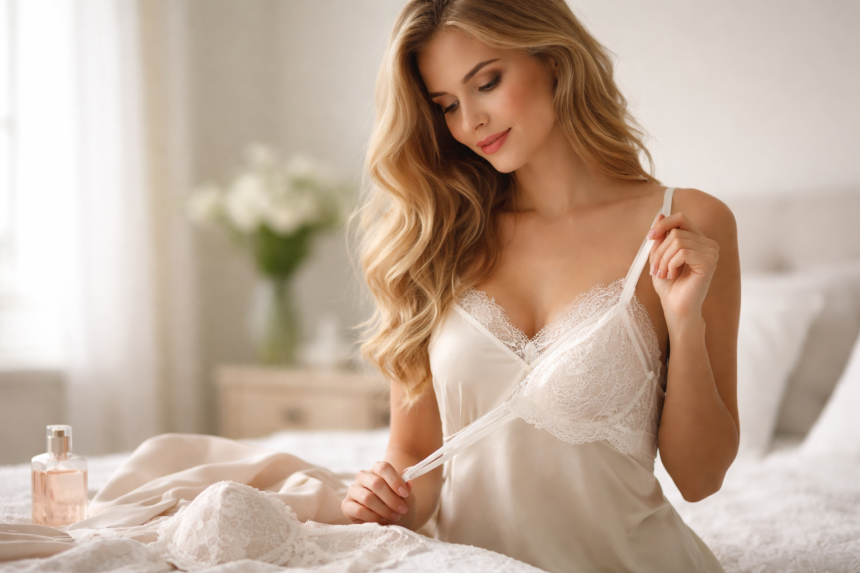
If you have ever stopped and wondered, what is a lingerie, you are not alone. It is one of those fashion terms people hear all the time, yet many readers are still unsure about what it actually includes, how it differs from standard underwear, and why it matters in modern style. In the simplest sense, lingerie refers to intimate apparel designed for comfort, support, appearance, or all three at once.
- What Is a Lingerie in Simple Terms?
- Why the Term Feels Broader Today
- What Is a Lingerie Made Of?
- What Is a Lingerie Used For?
- Common Types of Lingerie
- Lingerie vs Underwear: Is There a Difference?
- How Lingerie Became Part of Modern Fashion
- How to Choose the Right Lingerie
- What Is a Lingerie That Actually Feels Good to Wear?
- Mistakes People Make When Buying Lingerie
- Caring for Lingerie the Right Way
- Is Lingerie Only for Special Occasions?
- What Is a Lingerie in Today’s Fashion Culture?
- Frequently Asked Questions About Lingerie
- Conclusion
But the answer to what is a lingerie goes beyond a single definition. Today, lingerie sits at the intersection of function, fashion, body confidence, and personal choice. It can be practical and invisible under clothing, soft and comforting for sleep, or thoughtfully designed to feel elegant and expressive. That range is exactly why the topic continues to interest shoppers, stylists, and anyone trying to make smarter wardrobe choices.
What Is a Lingerie in Simple Terms?
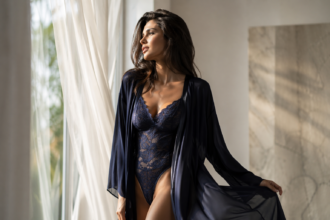
To answer what is a lingerie clearly, think of it as a category of intimate wear that usually includes bras, panties, camisoles, slips, bodysuits, chemises, bralettes, shapewear, and selected sleepwear. Some pieces are built mainly for support and everyday use. Others are made with decorative fabrics, delicate trims, and a more fashion forward look.
In modern usage, the term is often associated with women’s intimate apparel. Standard dictionary definitions also point to lingerie as intimate clothing, while fashion history shows that undergarments have evolved from purely functional pieces into items that also reflect style and identity.
So when someone asks what is a lingerie, the most accurate answer is this: it is intimate wear created to sit close to the body, often combining comfort, support, fit, and visual appeal.
Why the Term Feels Broader Today
Years ago, many people used the word only for special occasion items. That is no longer the case. Modern consumers use lingerie to describe a much wider range of intimate clothing, from seamless everyday bras to soft loungewear and minimalist bralettes.
That shift happened because fashion changed. Comfort became more important. Body positivity reshaped buying habits. Work from home lifestyles influenced fabric choices and fit preferences. At the same time, trends blurred the line between underwear and outerwear, making items like camisoles, bustiers, and lace bodysuits more visible in everyday styling. This broader modern meaning is reflected in current fashion references and in the continuing history of underwear as both functional and stylish clothing.
What Is a Lingerie Made Of?
A big part of understanding what is a lingerie is knowing the fabrics behind it. Lingerie can be made from many materials, and each one changes the feel, fit, and purpose of the garment.
Cotton is often chosen for breathable everyday comfort. Lace adds texture and visual appeal. Satin and silk create a smooth, luxurious finish. Mesh gives stretch and lightness. Microfiber offers softness and a clean look under clothing. Elastane or spandex is commonly added for flexibility and shape retention.
The best fabric depends on how the piece will be worn. For daily use, comfort and breathability matter most. For shaping pieces, stretch and structure are essential. For special occasion designs, appearance may take priority, though a good item should still feel wearable.
Health experts also note that breathable materials can help reduce irritation for some people, especially in underwear worn for long hours, while dermatology literature has long recognized that some textile finishes, dyes, and certain synthetic fibers may aggravate sensitive skin in some wearers.
What Is a Lingerie Used For?
The purpose of lingerie is often misunderstood. People sometimes assume it is only about appearance, but that leaves out most of the picture. The real answer to what is a lingerie includes several practical uses.
First, lingerie supports the body. Bras, bralettes, and shaping pieces can improve comfort depending on outfit, activity, and body type.
Second, lingerie helps clothing fit better. A smooth base layer can change the way a dress, blouse, or pair of trousers sits on the body.
Third, lingerie can increase comfort. Soft sleepwear, non wired bras, and breathable basics are chosen precisely because they feel good throughout the day.
Fourth, lingerie can be expressive. For many people, it is part of personal style. Even when no one else sees it, choosing a certain fabric, color, or silhouette can change how a person feels.
That is why what is a lingerie cannot be reduced to one purpose. It is intimate wear that can be practical, aesthetic, emotional, or all of these at once.
Common Types of Lingerie
If you are still trying to understand what is a lingerie, it helps to look at the common categories.
Bras
Bras are perhaps the best known lingerie item. They come in many forms, including T shirt bras, balconette bras, plunge bras, sports bras, strapless bras, and bralettes. Each serves a different purpose, from everyday support to specific outfit styling.
Panties
Panties also vary widely. Briefs, bikinis, boyshorts, thongs, and high waist styles are all part of the lingerie category. The right option depends on comfort, outfit needs, and personal preference.
Camisoles and Slips
These pieces are often worn under sheer or clingy clothing. They can add coverage, smoothness, and comfort. Some camisoles are simple layering basics, while others are styled as visible fashion pieces.
Bodysuits and Teddies
These are one piece garments that combine structure and style. Some are designed to be worn under clothes. Others are styled with trousers, skirts, or blazers as part of an outerwear look.
Chemises and Babydolls
These are often associated with sleepwear or softer intimate fashion. They are lightweight, easy to wear, and often chosen for comfort with a feminine finish.
Shapewear
Shapewear is a major part of the lingerie category today. It is designed to smooth lines, support posture in some cases, and help garments fit neatly.
Lingerie vs Underwear: Is There a Difference?
This is where many readers get confused. Not all underwear is discussed as lingerie, even though lingerie belongs to the larger world of undergarments.
Here is a simple comparison:
| Category | Main Focus | Typical Examples |
|---|---|---|
| Underwear | Basic daily function | Basic briefs, simple bras, undershirts |
| Lingerie | Function plus fit, style, or elegance | Lace bras, bralettes, slips, bodysuits, chemises |
The difference is not always strict. A plain cotton bra can be underwear and lingerie depending on how a brand positions it. A silk camisole can be lingerie or outerwear depending on how it is styled. In real life, the categories often overlap.
So if you ask what is a lingerie versus what is underwear, the best answer is that lingerie usually carries more emphasis on design, silhouette, and feel, while underwear is the broader practical category.
How Lingerie Became Part of Modern Fashion
To understand what is a lingerie in today’s world, it helps to look at how it changed over time. Earlier undergarments were often shaped by modesty, structure, and the social ideals of a given period. Over time, especially in the twentieth century, undergarments became lighter, more flexible, and more aligned with comfort and movement.
Modern fashion then pushed things further. Slip dresses, corset inspired tops, visible bralettes, and lace trimmed camisoles made lingerie inspired styling more mainstream. Fashion historians note that underwear as outerwear has repeatedly resurfaced in different eras, and that trend still influences current wardrobes.
This is why what is a lingerie today includes more than hidden garments. It can also influence visible fashion, styling choices, and how people build layered looks.
How to Choose the Right Lingerie
Buying lingerie is not only about picking something attractive. The smartest choices come from matching the item to your body, routine, and clothing needs.
Start with purpose. Ask whether the piece is for daily wear, support, sleep, occasion dressing, or layering. That one question makes the selection process much easier.
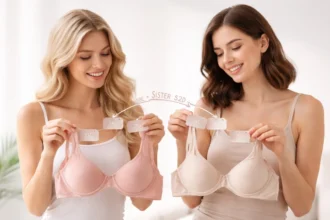
Next, focus on fit. A beautiful bra that digs, gaps, slips, or rides up will not serve you well. Fit matters more than trend. Signs of poor bra fit can include spilling, cup gaping, underwire discomfort, strap digging, and bands that shift too much during wear.
Then consider fabric. For long hours, breathable options usually feel better. For fitted outfits, seamless materials may create a smoother finish. For occasional pieces, appearance may lead the decision, but comfort still matters.
Finally, be realistic about lifestyle. If you reach for easy care clothing most days, ultra delicate pieces may not become your favorites no matter how pretty they look.
What Is a Lingerie That Actually Feels Good to Wear?
A good lingerie purchase should disappear into your day in the best possible way. You should not be constantly adjusting straps, tugging edges, or counting the minutes until you can change.
That usually comes down to a few things:
- the correct size
- a fabric that suits your skin
- the right style for your clothing
- realistic expectations about support and comfort
For example, someone who works long office hours may prefer smooth, lightly supportive everyday pieces. Someone dressing for an event may want shapewear or a strapless bra. Someone focused on lounging may choose soft bralettes and breathable sleepwear.
The best answer to what is a lingerie for real life is simple: it is intimate wear that works for the wearer, not just for the hanger or product photo.
Mistakes People Make When Buying Lingerie
Many shoppers make the same mistakes, especially when they are new to the category.
One mistake is choosing size by habit instead of current fit. Bodies change, and old sizes do not always stay accurate.
Another is buying only for appearance. A piece can look beautiful online and still fail in daily wear because of seams, fabric stiffness, or poor support.
A third mistake is ignoring care instructions. Lingerie often contains elastic, lace, and delicate trims that break down faster when washed roughly. Gentle washing methods, mild detergents, and lower heat are commonly recommended to help preserve the fabric and elasticity of delicate pieces.
The last common mistake is assuming expensive always means better. Price can reflect fabric or construction, but great lingerie is really about fit, comfort, and usefulness.
Caring for Lingerie the Right Way
If you invest in intimate wear, proper care matters. This is especially true for bras, lace pieces, silk blends, and shapewear with stretch fibers.
Hand washing is often the gentlest option for delicate items. If machine washing is allowed, a mesh laundry bag and mild detergent can reduce damage. Avoiding high heat is also important because elastic materials can wear out faster.
Good care helps lingerie hold its shape, color, and support for longer. That means better value and better comfort over time.
Is Lingerie Only for Special Occasions?
Not at all. One of the biggest myths behind what is a lingerie is the idea that it is reserved for rare moments. In reality, most lingerie buying today is about daily wear.
A comfortable bra, a breathable pair of underwear, a smoothing slip, or a soft camisole all count. These are not dramatic or theatrical pieces. They are practical wardrobe essentials.
Special occasion lingerie certainly exists, but it is only one part of the category. Everyday intimate wear is what most people actually use most often.
What Is a Lingerie in Today’s Fashion Culture?
In current fashion culture, lingerie is no longer discussed only in private terms. It is connected to comfort, self presentation, quality, and body confidence. The conversation has shifted from dressing for an outside gaze to dressing for personal ease and preference.
That change matters because it gives a fuller answer to what is a lingerie. It is not simply decorative clothing. It can be a support system, a styling tool, a comfort layer, and a personal choice all at once.
In other words, lingerie has become more democratic. It is no longer defined by one body shape, one age group, or one fashion ideal. The modern market is broader, softer, more size aware, and more practical than many people expect.
Frequently Asked Questions About Lingerie
Is lingerie the same as underwear?
Not exactly. Underwear is the broader category. Lingerie usually refers to intimate wear with added attention to design, silhouette, feel, or styling.
Can lingerie be comfortable for everyday wear?
Yes. In fact, much of modern lingerie is created specifically for daily comfort, especially bralettes, soft cup bras, seamless panties, and breathable basics.
Is shapewear considered lingerie?
Yes. Shapewear is commonly included within the lingerie category because it is intimate apparel worn under clothing.
Do you need expensive lingerie for quality?
No. Quality depends more on fit, fabric, stitching, and whether the item matches your real needs.
Why do fabrics matter so much?
Because lingerie sits close to the skin for long periods. Breathability, softness, stretch, and skin sensitivity all affect comfort.
Conclusion
So, what is a lingerie? It is modern intimate wear that combines function, comfort, support, and style in different ways depending on the piece. Sometimes it is practical and barely noticeable. Sometimes it is expressive and fashion driven. Most often, it is both personal and useful.
The simplest way to understand what is a lingerie is to stop thinking of it as a narrow or old fashioned label. It is a flexible category that includes everyday basics, sleepwear, shaping pieces, and elegant designs, all created to fit closer to the body and serve a real purpose. Even the term itself still carries traces of its French origins, which helps explain why it feels both functional and fashionable at the same time.
Once you see lingerie this way, the topic becomes much easier to understand. It is not only about appearance. It is about how intimate clothing supports the body, suits the moment, and helps a person feel comfortable in their own skin.