



If your dentures used to feel fine but now slip, rub, or make everyday things harder, it may be time to think about a Denture Reline. A lot of people assume loose dentures automatically mean they need a brand-new set, but that is not always true. In many cases, the issue is not the teeth themselves. It is the way the denture base fits your gums after your mouth changes over time.
- What Is a Denture Reline?
- Why Dentures Start Feeling Loose
- Signs It’s Time to Fix the Fit of Your Dentures
- 1. Your Dentures Slip When You Talk or Eat
- 2. You Have Sore Spots or Gum Irritation
- 3. You Rely Too Much on Denture Adhesive
- 4. Chewing Feels Harder Than It Used To
- 5. Your Dentures Click, Rock, or Lift
- 6. Your Face Looks Slightly Different
- 7. Food Gets Under the Denture More Often
- 8. You Recently Had Teeth Removed or a New Denture Made
- Soft Reline vs Hard Reline
- What Happens During a Denture Reline?
- When a Denture Reline Is a Good Option
- When a Reline May Not Be Enough
- Real-Life Example
- Benefits of a Denture Reline
- Tips to Make Your Dentures Last Longer After a Reline
- Common Questions About Denture Reline
- Final Thoughts
That shift is more common than many people realize. After teeth are removed, the gum tissue and underlying bone can gradually change shape, which affects how securely dentures sit in the mouth. The American Dental Association notes that ill-fitting dentures can lead to sore spots and that adhesives are not a real fix when dentures need to be relined or replaced. Regular denture follow-up also matters because fit, function, and oral tissues should be checked over time.
A Denture Reline is a procedure that reshapes the inside surface of your denture so it matches your mouth more closely again. Done at the right time, it can improve comfort, help with chewing and speaking, and reduce the frustration that comes with a denture that no longer stays where it should.
This article walks through the signs, causes, benefits, treatment options, costs, aftercare, and common questions so you can understand when a Denture Reline makes sense and when another treatment may be better.
What Is a Denture Reline?
A Denture Reline is the process of adding new material to the tissue side of a denture so it fits the current shape of your gums more accurately. Think of it as adjusting the foundation rather than replacing the whole appliance.
Over time, your mouth changes. Bone can shrink. Gum tissue can settle. Weight changes, age, healing after tooth removal, and long-term denture wear can all affect the way dentures fit. Even if the visible part of the denture still looks acceptable, the underside may no longer match your mouth.
That mismatch is what causes many of the problems denture wearers complain about most often:
- Slipping while talking
- Clicking sounds
- Pressure spots
- Gum irritation
- Trouble chewing tougher foods
- A feeling that the denture is floating or rocking
A reline helps restore that lost fit without necessarily replacing the denture entirely.
Why Dentures Start Feeling Loose
Dentures do not stay exactly the same fit forever because your mouth does not stay exactly the same forever.
When natural teeth are lost, the jawbone in those areas can gradually shrink. This process changes the contours that dentures rest on. Cleveland Clinic notes that dentures often last several years, but fit and comfort can change over time, which is why ongoing care matters.
Here are some of the most common reasons dentures loosen:
Natural bone and gum changes
This is the biggest reason. The ridge that supports the denture slowly changes shape, especially in the months after extractions.
Normal wear over time
The denture itself can wear down, and the bite can change little by little, which affects stability.
Weight loss or overall body changes
A change in facial tissue volume can subtly alter denture fit.
Poor maintenance or age of the denture
Older dentures may not adapt well to changing tissues and may need adjustment, relining, or replacement.
Changes in saliva or dry mouth
Saliva helps dentures hold better. If you have dry mouth, retention may worsen. NIDCR highlights the importance of oral health support for older adults and people dealing with dry mouth or other oral changes that affect daily comfort.
Signs It’s Time to Fix the Fit of Your Dentures
Not every denture annoyance means you need treatment right away, but some warning signs should not be ignored. If several of these sound familiar, a Denture Reline may be worth discussing with your dentist.
1. Your Dentures Slip When You Talk or Eat
This is one of the clearest signs. If your dentures move around when you laugh, speak, or chew, the fit may no longer be accurate.
A loose denture can make you self-conscious in social settings. It can also affect the way you pronounce certain words, especially if the upper denture shifts.
2. You Have Sore Spots or Gum Irritation
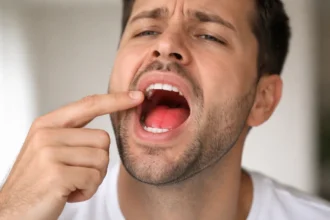
A denture that rubs in the wrong places can create painful areas on the gums. What starts as mild tenderness can turn into persistent soreness if ignored.
The ADA specifically notes that ill-fitting dentures can contribute to oral sores.
If you notice red patches, tender spots, or recurring irritation in the same area, the denture may need to be relined.
3. You Rely Too Much on Denture Adhesive
Adhesive can be helpful in some cases, but it should not become a permanent fix for a denture that no longer fits. If you are using more product than before, reapplying throughout the day, or still not getting a secure hold, that points to a fit problem rather than an adhesive problem. The ADA states that adhesives are not a remedy for ill-fitting dentures.
4. Chewing Feels Harder Than It Used To
If foods you used to handle comfortably now feel difficult, your denture fit may be off. A loose denture does not distribute pressure evenly, which can make chewing uncomfortable or inefficient.
Some people start avoiding fruits, vegetables, meats, and other nutritious foods because eating becomes frustrating. That can affect both confidence and nutrition over time.
5. Your Dentures Click, Rock, or Lift
Dentures should not feel like they are seesawing in your mouth. If one side lifts when you bite on the other, or if you hear clicking when speaking, the base may no longer sit evenly on the gums.
This is especially common with lower dentures because they tend to be less stable than upper ones to begin with.
6. Your Face Looks Slightly Different
Sometimes the change is subtle. The lower part of the face may begin to look more collapsed, or the lips and cheeks may seem less supported. While this can also relate to wear in the denture teeth or bite changes, poor fit can play a role.
7. Food Gets Under the Denture More Often
A denture that no longer seals well against the gums allows food particles to slip underneath more easily. That can lead to irritation, bad breath, and a constant need to rinse.
8. You Recently Had Teeth Removed or a New Denture Made
A temporary or immediate denture often needs adjustment after healing because the shape of the gums changes significantly during the first months. In these cases, a Denture Reline is often part of the normal treatment process, not a sign that something went wrong.
Soft Reline vs Hard Reline
There is more than one kind of Denture Reline, and the best choice depends on your mouth, your comfort level, and the condition of the denture.
Soft reline
A soft reline uses a more flexible material that cushions the gums.
It may be helpful for:
- Tender or easily irritated gums
- Areas with chronic soreness
- Patients adjusting to denture wear
- Temporary comfort needs
Hard reline
A hard reline uses a more durable material and is often recommended for a longer-lasting fit correction.
It may be better for:
- Long-term stability
- Healthier gum tissue
- Dentures in otherwise good condition
- Patients wanting a firmer, more precise fit
Here is a quick comparison:
| Type | Feel | Best For | Durability |
|---|---|---|---|
| Soft Reline | Cushioned | Sensitive gums, sore spots | Shorter-term or moderate-term |
| Hard Reline | Firm | Long-term fit correction | More durable |
Your dentist will recommend the best option based on the condition of your mouth and denture.
What Happens During a Denture Reline?
The process is usually straightforward, though exact steps vary.
In general, your dentist will:
- Examine your gums and denture fit
- Check for sore spots, bite issues, or damage
- Take an impression using the denture
- Add new material to the inside surface
- Adjust the denture so it fits more accurately
Some relines can be done more quickly in-office, while others are sent to a lab for a more detailed result. Lab relines often provide a stronger and more precise fit, but timing depends on the case.
When a Denture Reline Is a Good Option
A Denture Reline is often the right choice when:
- The denture teeth are still in decent shape
- The denture base is not cracked or badly damaged
- The main problem is looseness from gum or bone changes
- The bite is still reasonably functional
- You want a lower-cost alternative to full replacement
This can make relining a practical choice for someone whose dentures are structurally sound but no longer comfortable.
When a Reline May Not Be Enough
Sometimes a reline is not the best answer.
You may need replacement or another treatment if:
- The denture is old and worn out
- It is fractured, warped, or repeatedly breaking
- The bite is seriously off
- The denture never fit well to begin with
- There are major oral health changes that require a different plan
That is why a proper exam matters. A dentist can tell whether the issue is simply the fit of the base or something more complex.
Real-Life Example
Imagine someone who has worn the same full denture for six years. At first, it felt secure. Over time, the lower denture began moving while eating, and sore spots started appearing along the gumline. They began using more adhesive and avoiding tougher foods like apples and grilled chicken.
In that situation, the person may assume they need an entirely new denture. But if the denture is otherwise in solid condition, a Denture Reline could restore the fit and make eating, speaking, and daily wear more comfortable again.
That is why an evaluation matters before spending more than necessary.
Benefits of a Denture Reline
A properly timed Denture Reline can offer several meaningful benefits:
- Better denture stability
- Improved comfort
- Less gum irritation
- More confidence while speaking
- Easier chewing
- Reduced need for excessive adhesive
- Lower cost compared with full denture replacement
For many patients, the biggest benefit is not cosmetic. It is the simple relief of not having to think about their dentures every minute of the day.
Tips to Make Your Dentures Last Longer After a Reline
Once your fit is improved, good care becomes even more important. Cleveland Clinic and Mayo Clinic both emphasize regular cleaning, careful handling, and oral hygiene as part of proper denture maintenance.
Follow these habits:
- Rinse dentures after meals
- Clean them daily with appropriate denture products
- Clean your gums, tongue, and any remaining teeth
- Avoid using very hot water that could warp the denture
- Handle dentures over a folded towel or sink with water
- Keep follow-up dental visits even if the denture feels fine
- Do not ignore new pressure points or looseness
The ADA-backed denture maintenance guidance also recommends routine professional follow-up for fit, function, and oral tissue evaluation.
Common Questions About Denture Reline
How often do dentures need relining?
There is no single schedule that fits everyone. Some people need it sooner because of faster bone changes, recent extractions, or a noticeable decline in fit.
Is a Denture Reline painful?
The procedure itself is usually not described as painful, though you may already have soreness from the poor fit. Once the denture is corrected, many people feel significant relief.
Can I reline dentures at home?
Home kits exist, but they are risky. Poorly done relines can worsen the fit, create pressure points, and delay proper treatment. A dental professional can evaluate both the denture and the health of your mouth.
Will a reline make my dentures feel like new?
It can make them feel much more secure and comfortable, but results depend on the age and condition of the denture. If the denture is badly worn, a reline may only solve part of the problem.
Is adhesive enough instead of a reline?
Usually not when the denture is truly ill-fitting. Adhesive may help temporarily, but it is not a substitute for correcting the actual fit problem.
Final Thoughts
A loose denture is not just a small annoyance. It can affect comfort, confidence, speech, food choices, and oral health. The good news is that a Denture Reline is often a practical solution when the denture still has life left in it but no longer matches the shape of your mouth.
If your dentures slip, rub, rock, or require constant adhesive, do not assume you have to live with it. A professional evaluation can tell you whether a reline will solve the issue or whether another option makes more sense. In many cases, acting early helps prevent sore tissues, makes daily life easier, and helps you get more use out of your current denture.
Near the end of any denture journey, understanding your false teeth options and maintenance needs can make a real difference in comfort and long-term oral health.