

Missing teeth can change more than just your smile. They can affect how you eat, speak, and feel in social situations. That is why many people compare Flexible Dentures with traditional dentures before choosing a tooth replacement option. Comfort is often the biggest deciding factor. While appearance, cost, and durability matter too, most people want to know one simple thing first: which one actually feels better to wear every day?
- Understanding the Difference Between Flexible Dentures and Traditional Dentures
- Which Feels Better on the Gums?
- What About Fit and Daily Movement?
- Eating Comfort: Which One Handles Meals Better?
- Speaking and Social Confidence
- Adjustment Period: Which One Is Easier to Get Used To?
- Long-Term Comfort Matters Too
- Who Usually Feels More Comfortable in Flexible Dentures?
- When Traditional Dentures May Feel Better
- Real-World Scenario: Two Patients, Two Different Results
- Common Questions About Flexible Dentures
- Final Verdict: Which Feels Better to Wear?
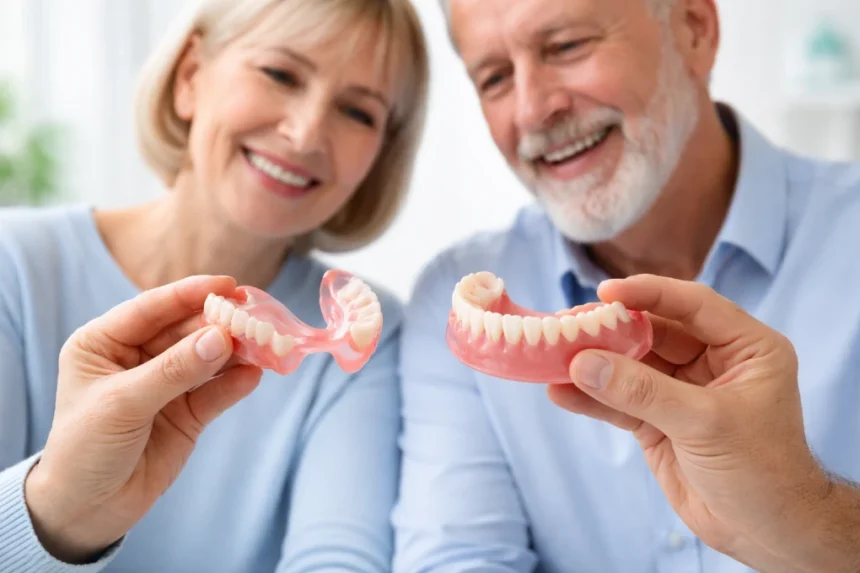
The answer depends on your mouth, your needs, and how the denture is made. Flexible Dentures are known for their soft, bendable material and snug fit, while traditional dentures are more rigid and have been used for decades. Both can work well, but they create a very different wearing experience.
If you are trying to decide between these options, this article breaks it down in a practical, easy-to-understand way. You will learn how each type feels, how they perform during daily use, and which one may suit your lifestyle better.
Understanding the Difference Between Flexible Dentures and Traditional Dentures
Before comparing comfort, it helps to understand what each option is made from.
Flexible Dentures are usually created from a lightweight thermoplastic material, often nylon-based. This material bends slightly with the natural movement of your mouth. Because of that flexibility, they can feel less bulky and more adaptive for many wearers.
Traditional dentures are commonly made from acrylic resin, and in some partial cases, a metal framework may also be used. They are firm and structured, which can help with stability, but some people notice the rigid feel right away.
Here is a quick comparison:
| Feature | Flexible Dentures | Traditional Dentures |
|---|---|---|
| Material | Flexible thermoplastic | Acrylic or acrylic with metal |
| Feel in mouth | Softer and more adaptive | Firmer and more rigid |
| Appearance | Gum-colored clasps, natural look | Visible metal clasps in some partials |
| Adjustability | Harder to reline or repair | Easier to adjust and repair |
| Durability | Good for certain cases | Often stronger in full denture setups |
| Best for | Partial tooth replacement in many cases | Full or partial tooth replacement |
That basic difference in material is what creates the comfort debate around Flexible Dentures and traditional dentures.
Which Feels Better on the Gums?
For many users, Flexible Dentures feel better against the gums during the first few weeks of wear. The softer material tends to reduce the harsh pressure points that can happen with rigid acrylic bases. Instead of sitting like a hard plate inside the mouth, flexible designs adapt more closely to the natural shape of the gumline.
Traditional dentures can feel secure, but they may also cause friction in sensitive areas, especially when they are new. This does not mean they are always uncomfortable. A well-made traditional denture can still feel fine. But it often takes more adjustment time.
Why some people find Flexible Dentures more comfortable:
- They bend slightly instead of pressing hard in one spot
- They often feel lighter in the mouth
- They are less likely to create sharp edges against soft tissue
- Their clasps tend to blend with the gums and may feel less intrusive
Still, comfort is never one-size-fits-all. People with significant bone loss or complex full-mouth needs may find that traditional dentures provide more reliable support in the long run.
What About Fit and Daily Movement?
Fit plays a huge role in how a denture feels from morning to night. A denture that shifts while eating or talking can become frustrating fast.
Flexible Dentures are often praised for their snug fit, especially in partial denture cases. Because the material wraps more naturally around the remaining teeth and gums, many wearers say it feels more secure without seeming tight.
Traditional dentures can also fit well, but when the base is rigid, even a minor change in the mouth can affect comfort. Over time, gums and jawbone naturally change shape. According to the U.S. National Institute of Dental and Craniofacial Research, dentures may need adjustment or replacement as the mouth changes over time. That matters for both options, but rigid dentures may make those changes more noticeable in daily wear.
A close fit matters because it affects:
- Chewing comfort
- Speech clarity
- Gum irritation
- Confidence in public
- The need for denture adhesive
In many partial-denture situations, Flexible Dentures feel more natural during movement. For complete dentures, however, traditional designs may still offer better overall structural support depending on the patient.
Eating Comfort: Which One Handles Meals Better?
This is where comfort gets practical. You are not wearing dentures just to smile at the mirror. You are wearing them while eating lunch, having coffee, and talking through daily life.
Many people report that Flexible Dentures feel gentler while chewing softer foods. They move with the mouth more naturally, which can make everyday eating less awkward. If you have sensitive gums or remaining natural teeth, that softer feel can be a big advantage.
Traditional dentures may feel sturdier when biting into firmer foods, but they can also create more pressure on the gums. New wearers sometimes notice soreness when chewing with rigid acrylic bases, particularly during the adjustment period.
Foods that often feel easier with a properly fitted denture include:
- Cooked vegetables
- Rice and pasta
- Eggs
- Soft bread
- Yogurt and fruit
- Tender meats cut into small pieces
No denture type instantly restores the natural bite force of real teeth. Research published by the National Library of Medicine has shown that denture wearers generally have lower chewing efficiency than people with natural teeth or implant-supported restorations. That means expectations matter. Flexible Dentures may feel better for comfort, but they are not always the strongest option for heavy chewing.
Speaking and Social Confidence
One underrated part of denture comfort is how comfortable you feel around other people.
If a denture feels bulky, slips when you talk, or clicks slightly during speech, you are going to notice it. That discomfort quickly becomes emotional, not just physical.
Flexible Dentures often help in this area because they tend to feel less noticeable in the mouth. Many users describe them as more discreet, especially because partial versions often avoid visible metal clasps. That more natural look can boost confidence during conversations, meetings, and social events.
Traditional dentures can still look attractive, especially modern custom-made versions. But some wearers are more aware of the rigid base or visible hardware, particularly with older-style partial dentures.
If comfort includes confidence, then Flexible Dentures often have an edge for people who care about appearance and a low-profile feel.
Adjustment Period: Which One Is Easier to Get Used To?
Most dentures require an adaptation phase. You may notice extra saliva, mild soreness, or a strange full feeling in the mouth at first. That is normal.
For many wearers, Flexible Dentures are easier to adjust to because they feel softer and less intrusive from the beginning. The material tends to sit more naturally against the gumline, so the learning curve can feel shorter.
Traditional dentures may take longer to get used to, especially for first-time wearers. The firmness can make them feel bulky in the early days. Some patients need more follow-up visits for pressure spot adjustments.
Common adjustment tips for either option:
- Start with soft foods for the first several days.
- Read aloud at home to improve speech.
- Wear them as directed by your dentist.
- Never ignore pain that continues for more than a few days.
- Schedule adjustments instead of trying to fix discomfort yourself.
If your goal is a gentler transition, Flexible Dentures are often the easier option to wear early on.
Long-Term Comfort Matters Too
Initial comfort is important, but long-term wear tells the real story.
Flexible Dentures can stay comfortable for many users, especially when used as partial dentures. However, they are not ideal for every case. Because they are harder to adjust, reline, or repair, comfort problems later on may be more difficult to fix compared with traditional dentures.
Traditional dentures may start out feeling less natural, but they can be easier for dental professionals to modify as the mouth changes. That becomes important over time, especially since bone resorption in the jaw is common after tooth loss. The American College of Prosthodontists notes that millions of Americans live with missing teeth and that oral anatomy can change significantly after extraction, which affects denture fit over time.
So which wins on long-term comfort?
- Flexible Dentures often win on softness and natural feel
- Traditional dentures often win on serviceability and long-term maintenance
That is why your best choice depends on whether you value immediate softness or easier long-range adjustments.
Who Usually Feels More Comfortable in Flexible Dentures?
Flexible Dentures are often a strong match for:
- People replacing a few missing teeth
- Patients with sensitive gums
- Adults who dislike metal clasps
- First-time denture wearers
- People who want a more natural-looking partial denture
- Users focused on lightweight comfort
They are especially popular for partial dentures in visible areas of the mouth where appearance matters. If you want something that feels less medical and more natural, Flexible Dentures often appeal right away.
When Traditional Dentures May Feel Better
It may sound surprising after all this, but traditional dentures can actually feel better for some people.
They may be the better comfort choice if:
- You need full dentures rather than partials
- You need future relines or repairs
- Your bite needs more rigid support
- You want a lower-cost option in many cases
- Your dentist believes a rigid base will give you better function
Comfort is not only about softness. It is also about stability. In some full-arch cases, a traditional denture with proper fabrication may feel more dependable throughout the day than Flexible Dentures.
Real-World Scenario: Two Patients, Two Different Results
Imagine two patients.
Patient A is missing several back teeth but still has healthy front teeth and wants something discreet. She works in customer service and talks all day. For her, Flexible Dentures may feel better because they are lighter, more natural-looking, and less noticeable while speaking.
Patient B has lost most of the teeth in one arch and needs broader support for chewing and jaw function. In this case, a traditional denture may feel better over time because it provides a more structured base and can be adjusted as the mouth changes.
This is why dentists do not recommend one solution for everyone. The most comfortable choice is the one that fits your anatomy, dental needs, and daily habits.
Common Questions About Flexible Dentures
Are Flexible Dentures better for sensitive gums?
In many cases, yes. Their softer material can reduce pressure points and make them easier on delicate tissues.
Do Flexible Dentures last as long as traditional dentures?
They can last well with proper care, but traditional dentures are often easier to repair and modify over time.
Can Flexible Dentures be used for full dentures?
They are more commonly used for partial dentures. Full denture cases often require a different approach for proper support.
Do Flexible Dentures look more natural?
Often yes, especially because they may avoid visible metal clasps and blend more naturally with the gumline.
Which option is more affordable?
Costs vary by location, materials, and dental complexity. Traditional dentures are often less expensive upfront, while Flexible Dentures may cost more in some partial cases.
Final Verdict: Which Feels Better to Wear?
If you are judging purely by softness, adaptability, and a more natural feel, Flexible Dentures often feel better to wear. They tend to be more comfortable on the gums, less bulky in the mouth, and more appealing for partial tooth replacement.
If you need stronger structural support, easier future adjustments, or a full denture solution, traditional dentures may feel better in the bigger picture. They are more rigid, but that rigidity can work in your favor depending on your case.
The best decision is not about what sounds modern. It is about what feels right in your mouth, fits your lifestyle, and supports your long-term oral health. A qualified dentist or prosthodontist can help you compare your options based on bone support, gum condition, remaining teeth, and bite force. In the end, the most comfortable denture is the one designed for your real-life needs, not just the one with the newest label.
As you compare materials and comfort, it also helps to understand the role of oral health care in long-term denture success. Cleanliness, regular dental checkups, and proper fit all influence how any denture feels over time. Whether you choose Flexible Dentures or a traditional option, comfort improves when your dentures are cleaned properly, checked regularly, and worn exactly as advised by your dental professional.