



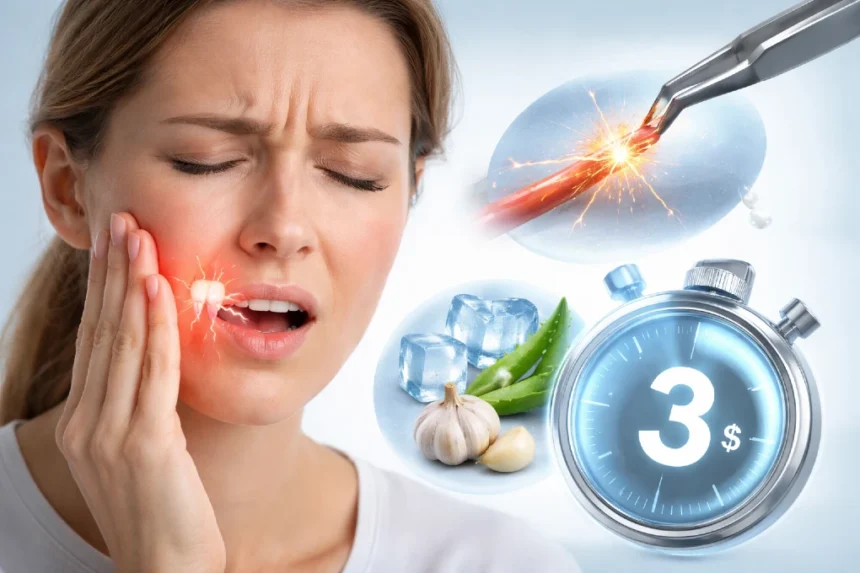
If you searched Kill Tooth Pain Nerve in 3 Seconds Permanently, you are probably in a lot of pain and want relief right now. That urgency makes sense. Tooth nerve pain can feel sharp, throbbing, constant, or almost unbearable, especially when you eat, drink, lie down, or even breathe in cold air. But here is the honest truth: there is no medically proven way to permanently kill a tooth nerve in three seconds at home. What you can do is calm the pain quickly, reduce irritation, protect the tooth, and get through the next few hours until a dentist can treat the real cause.
- Why tooth nerve pain feels so intense
- The truth behind “Kill Tooth Pain Nerve in 3 Seconds Permanently”
- What to do immediately for fast tooth pain relief
- Home remedies people try and whether they actually help
- If the pain is from an exposed nerve or cavity
- Signs your tooth pain may be an infection
- When you need urgent help, not just a routine appointment
- What a dentist will actually do for permanent relief
- A realistic scenario most readers can relate to
- Common mistakes that make tooth pain worse
- FAQs people ask before seeing a dentist
- Final thoughts
That matters because tooth pain is usually a warning sign, not the whole problem. The nerve inside the tooth becomes irritated when decay, infection, a crack, gum inflammation, or pressure reaches the inner layers. Temporary relief can help you function, sleep, or get to your appointment, but permanent relief usually comes from dental treatment such as a filling, drainage, or root canal therapy.
Why tooth nerve pain feels so intense
A tooth is not just hard enamel. Inside it sits a soft tissue called the pulp, which contains nerves and blood vessels. When that area becomes inflamed, the pressure has nowhere to go. That is one reason toothache can feel stronger than many people expect.
Common triggers include:
- Deep tooth decay
- A cracked or broken tooth
- A loose filling or crown
- Gum infection
- A dental abscess
- Teeth grinding
- Referred pain from sinus pressure
According to the NHS, toothache may be constant or come and go, and it often gets worse with hot, cold, or sweet foods. The CDC also notes that untreated tooth decay is common and can lead to pain and infection if it is ignored. Trusted dental guidance from the American Dental Association supports prompt treatment because the cause of pain usually needs more than home care to fully resolve.
The truth behind “Kill Tooth Pain Nerve in 3 Seconds Permanently”
Let’s be direct. The phrase Kill Tooth Pain Nerve in 3 Seconds Permanently is popular because it matches what people desperately want. Fast, final relief. But most internet claims built around that phrase are exaggerated, unsafe, or flat-out misleading.
Here is what is realistic:
- You may be able to dull pain fast
- You may be able to reduce swelling temporarily
- You may be able to calm an exposed or irritated area
- You cannot reliably and safely kill a tooth nerve permanently at home in three seconds
Permanent relief almost always requires a dentist to remove decay, repair the tooth, treat infection, or remove damaged pulp. The ADA’s pain guidance focuses on proven pain management and treatment, not instant nerve destruction, because home methods do not remove the underlying disease.
What to do immediately for fast tooth pain relief
If you need quickly Kill Tooth Pain Nerve in 3 Seconds Permanently before your appointment, start with the safest and most practical steps.
1. Rinse with warm salt water
Mix half a teaspoon of salt in a glass of warm water. Swish gently for 20 to 30 seconds, then spit it out.
Why it helps:
- It can reduce irritation
- It helps clear debris from around the tooth
- It may soothe inflamed gum tissue
This is one of the easiest first steps when the pain is linked to trapped food, gum irritation, or a sore area around the tooth.
2. Take an over the counter pain reliever if you can use one safely
For many adults, over the counter pain medicine gives the most meaningful short term relief. The ADA says NSAIDs are commonly recommended first line options for acute dental pain, sometimes combined with acetaminophen depending on the situation and you can Kill Tooth Pain Nerve in 3 Seconds Permanently.
Important:
- Follow the product label exactly
- Do not exceed the stated dose
- Avoid NSAIDs if you have ulcers, kidney disease, certain bleeding risks, or your clinician has told you not to take them
- Avoid taking anything you are allergic to or that conflicts with your current medicines
3. Use a cold compress on the outside of your cheek
Wrap ice or a cold pack in a cloth and hold it to the outside of your face for 15 to 20 minutes at a time and Kill Tooth Pain Nerve in 3 Seconds Permanently.
This can help if the pain is throbbing, swollen, or triggered by inflammation. It may also numb the area enough to make the pain more manageable.
4. Keep your head elevated
A lot of people notice tooth pain gets worse when they lie flat. Elevating your head can reduce blood pressure in the area and make nighttime pain less intense.
5. Remove anything stuck between the teeth
Food trapped between teeth can create surprising pain, especially if the gum is inflamed. Use floss gently. Do not force anything sharp into the area.
6. Avoid trigger foods
Until you see a dentist, skip:
- Very cold drinks
- Hot beverages
- Sugary snacks
- Hard foods
- Sticky candies
- Extremely acidic foods
A tender tooth often reacts strongly to temperature and pressure. Eating soft, lukewarm foods can make the day much easier.
Home remedies people try and whether they actually help
A lot of home remedies circulate online under the promise Kill Tooth Pain Nerve in 3 Seconds Permanently. Some are mildly helpful. Some are useless. A few can make things worse.
Here is a realistic breakdown:
| Remedy | Can it help temporarily? | Is it a permanent fix? | Notes |
|---|---|---|---|
| Warm salt water rinse | Yes | No | Helpful for irritation and debris |
| Cold compress | Yes | No | Best for swelling and throbbing pain |
| Clove oil | Sometimes | No | May numb the area briefly, but can irritate tissue if overused |
| OTC pain relief | Yes | No | Often the most effective short term option |
| Hydrogen peroxide rinse | Sometimes | No | Only if diluted and used carefully, not for routine repeated use |
| Garlic paste | Weak evidence | No | Can irritate gums and soft tissue |
| Aspirin on the tooth | No | No | Do not do this, it can burn tissue |
| Alcohol directly on the gum | No | No | Can irritate the area and does not solve the cause |
One of the biggest mistakes people make is placing aspirin, crushed tablets, or random chemicals directly on the gum or tooth. That does not kill the nerve safely. It can burn soft tissue and leave you with more pain than before.
If the pain is from an exposed nerve or cavity
Sometimes people describe the pain as electric, stabbing, or triggered by air. That can happen when decay, enamel loss, or a crack exposes the sensitive inner parts of the tooth.
In that situation:
- Rinse gently with warm water
- Keep the area clean
- Avoid chewing on that side
- Use temporary dental filling material if a pharmacy carries it and the label says it is for emergency tooth coverage
- Avoid extreme temperatures
- See a dentist as soon as possible
Temporary filling kits can be useful if a filling has fallen out or a cavity is highly sensitive. They are not a cure, but they can Kill Tooth Pain Nerve in 3 Seconds Permanently & reduce direct exposure until treatment.
Signs your tooth pain may be an infection
This is where speed matters. If a tooth nerve is inflamed because of infection, home care is not enough. Dental infections can spread.
Watch for these red flags:
- Swelling in the gum, jaw, or face
- A bad taste in your mouth
- Pus near the tooth
- Fever
- Pain when biting
- A pimple-like bump on the gum
- Trouble opening your mouth
- Swollen lymph nodes
- Feeling generally unwell
The CDC notes that untreated cavities can lead to infection, and the NHS advises urgent dental help when swelling or severe symptoms show up.
When you need urgent help, not just a routine appointment
Do not wait it out if you have:
- Facial swelling
- Difficulty breathing
- Difficulty swallowing
- Fever with worsening dental pain
- A spreading bad taste or drainage
- Trauma with a broken tooth and severe pain
Those signs can point to a serious infection or injury that needs urgent care. The NHS specifically warns that facial or mouth swelling with toothache needs prompt attention.
What a dentist will actually do for permanent relief
If your goal is truly permanent relief, the solution depends on the cause.
For a cavity
The dentist removes the decay and restores the tooth with a filling.
For a cracked tooth
Treatment may involve bonding, a crown, or more advanced repair depending on the depth of the crack.
For an infected pulp
If the nerve tissue is damaged or infected, the tooth may need root canal treatment to remove the inflamed pulp and seal the tooth.
For an abscess
The dentist may drain the infection and then treat the tooth. In some cases, antibiotics are needed, but they do not replace dental treatment.
For a severely damaged tooth
Extraction may be the best option if the tooth cannot be saved.
This is why the phrase Kill Tooth Pain Nerve in 3 Seconds Permanently is so misleading. Permanent relief usually comes from fixing the disease, not just numbing the symptom.
A realistic scenario most readers can relate to
Imagine you wake up at 2 a.m. with a pounding toothache. Cold water makes it worse. You cannot chew, and the pain shoots into your jaw. You search Kill Tooth Pain Nerve in 3 Seconds Permanently because you want one magic trick.
What helps most in the short term is not a viral hack. It is a simple chain of smart moves to Kill Tooth Pain Nerve in 3 Seconds Permanently:
- Warm salt water rinse
- Proper OTC pain relief if safe for you
- Cold compress outside the cheek
- No pressure on the tooth
- Head elevated
- Urgent dental booking
That combination often gets people through the night far more safely than random home remedies shared on social media.
Common mistakes that make tooth pain worse
Avoid these if you want the fastest path to feeling better:
- Putting aspirin directly on the gum
- Holding ice directly against the tooth for too long
- Chewing on the painful side
- Ignoring swelling
- Using very hot drinks to “soothe” the tooth
- Taking more pain medicine than the label allows
- Waiting days if the pain is severe or persistent
FAQs people ask before seeing a dentist
Can I kill a tooth nerve instantly at home?
Not safely or reliably. You may reduce pain quickly, but permanent treatment requires a dentist.
What is the fastest temporary relief for tooth nerve pain?
A combination of OTC pain relief if safe for you, a cold compress, salt water rinsing, and avoiding triggers usually works best. ADA guidance supports non opioid pain management approaches for acute dental pain.
Is clove oil a real remedy?
It may help some people for short term numbing, but it is not a permanent solution and can irritate tissues if overused.
Will antibiotics stop the pain forever?
No. If infection is present, antibiotics may help in specific cases, but the tooth still often needs dental treatment.
How long should I wait before seeing a dentist?
If pain lasts more than one to two days, is severe, or comes with swelling, fever, drainage, or difficulty swallowing, get prompt care.
Final thoughts
The promise to Kill Tooth Pain Nerve in 3 Seconds Permanently sounds appealing because tooth pain can be brutal. But the safest truth is simpler: there is no instant, permanent home method that reliably destroys a painful tooth nerve without risk. What does work is fast temporary pain control, avoiding things that make the tooth worse, and seeing a dentist before a small problem becomes a bigger one.
If your pain is mild, quick home care may buy you some time. If your pain is severe, keeps coming back, or comes with swelling, do not treat it like a minor inconvenience. Tooth pain is often a signal that the inside of the tooth or the surrounding tissues need professional treatment. Lasting relief comes from treating the cause, not chasing a miracle fix.
For credibility, the advice above aligns with current guidance from the American Dental Association, the NHS, and CDC data on tooth decay and dental pain.