


Why do dogs eat grass? It is one of the most common questions dog owners ask, and it is easy to see why. One minute your dog is happily sniffing around the yard, and the next minute they are chewing grass like it is a favorite snack. For many pet owners, that strange little habit can be confusing, frustrating, and sometimes worrying.
- Why Do Dogs Eat Grass?
- Why Do Dogs Eat Grass So Often?
- Why Do Dogs Eat Grass and Then Throw Up?
- Common Reasons Why Do Dogs Eat Grass
- Is It Normal or a Problem?
- Why Do Dogs Eat Grass in the Morning?
- Why Do Dogs Eat Grass Outside but Not at Home?
- Is It Safe for Dogs to Eat Grass?
- How to Stop a Dog from Eating Grass
- What About Puppies?
- Myths About Why Do Dogs Eat Grass
- Real-Life Example of Why Do Dogs Eat Grass
- When to Call the Vet
- Conclusion
The truth is that why do dogs eat grass does not have one simple answer. Some dogs do it out of curiosity. Some may do it because of boredom. Others may eat grass when they have mild digestive discomfort or simply enjoy the texture. In most cases, grass eating is not dangerous by itself, but there are situations where it deserves closer attention. Understanding why do dogs eat grass can help you tell the difference between a harmless habit and a sign that something may be off.
Why Do Dogs Eat Grass?
The question why do dogs eat grass has been studied by veterinarians and animal behavior experts for years. While there is no single explanation that fits every dog, several common reasons come up again and again.
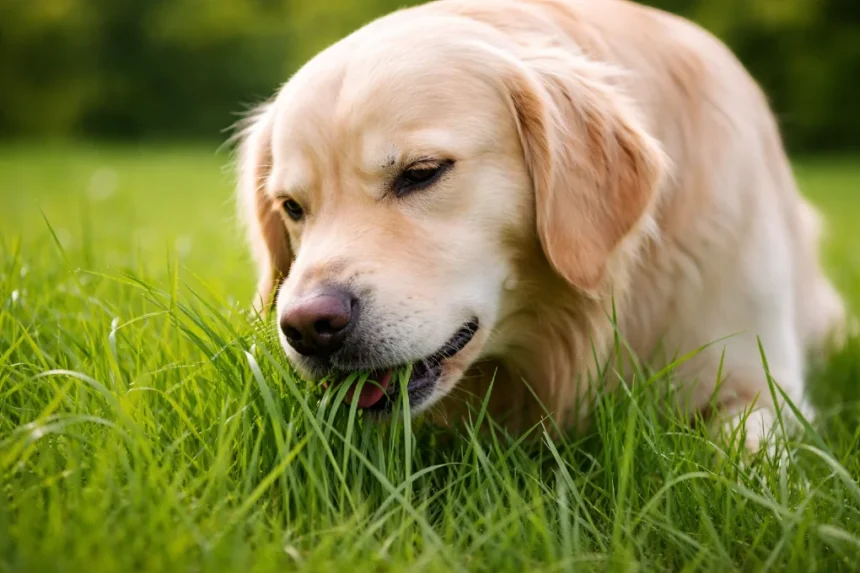
Dogs are naturally curious animals. They explore their surroundings with their noses and mouths, and grass is everywhere. It smells different depending on the season, the weather, and where your dog finds it. Some dogs seem to enjoy the taste of fresh grass, especially tender blades in the morning or after rain.
At the same time, some dogs may eat grass because they feel mild stomach discomfort. Others may do it because they are bored, anxious, or looking for extra fiber. When asking why do dogs eat grass, it helps to think of the behavior as a mix of instinct, environment, and physical comfort rather than one exact medical cause.
Why Do Dogs Eat Grass So Often?
Some dogs eat grass once in a while. Others do it almost every day. If you keep asking yourself why do dogs eat grass so often, the answer may lie in their routine.
A dog that spends a lot of time outside may treat grass like part of the environment. Just as they sniff trees, chase insects, or roll in the dirt, they may chew grass as part of their normal outdoor behavior. For these dogs, grass eating can simply be a habit.
In other cases, frequent grass eating may be linked to one of these factors:
- Curiosity and exploration
- Enjoyment of texture or taste
- Mild hunger between meals
- Boredom and lack of stimulation
- Digestive upset
- Desire for roughage or fiber
If your dog seems healthy and active, frequent grass eating may still be completely harmless. But if the behavior suddenly increases, that change can offer a clue about what is going on.
Why Do Dogs Eat Grass and Then Throw Up?
One of the biggest worries owners have is why do dogs eat grass and then throw up. This is the version of the behavior that gets attention fast because it looks dramatic and unpleasant.
Some dogs do vomit after eating grass, but that does not always mean the grass caused the problem. In some situations, the dog may already feel nauseous and then seek out grass. In other cases, the grass itself may irritate the stomach or throat enough to trigger vomiting.
If your dog occasionally eats grass and vomits once, but then goes back to normal behavior, it may not be a serious issue. If the vomiting is frequent, repeated, or accompanied by lethargy, diarrhea, drooling, or refusal to eat, it is time to call your vet.
When thinking about why do dogs eat grass and then throw up, context matters more than the act itself.
Common Reasons Why Do Dogs Eat Grass
1. Instinct and natural behavior
A simple answer to why do dogs eat grass is that dogs are animals with instincts that do not always make perfect sense to humans. Their wild ancestors consumed plant matter indirectly through prey and sometimes directly from the environment.
Modern pet dogs may still carry some of that instinct. Grass eating may be a natural leftover behavior that shows up even in healthy, well-fed pets.
2. Curiosity and taste
Some dogs seem to like the taste or feel of grass. Soft, fresh blades can be appealing, especially if your dog is the type who also chews sticks, leaves, or other safe outdoor objects.
If you are wondering why do dogs eat grass during walks, curiosity is often part of the answer. New places bring new scents, and dogs investigate with their mouths.
3. Boredom
Bored dogs often create their own entertainment. If your dog is left in the yard for long periods with little stimulation, chewing grass may become a repetitive habit.
This is especially common in high-energy breeds. For them, grass eating may have less to do with health and more to do with needing something to do.
4. Mild digestive discomfort
Another possible answer to why do dogs eat grass is that they may be trying to soothe an upset stomach. This does not necessarily mean anything serious. It could be minor nausea, acid buildup, or temporary stomach irritation.
Still, if the behavior is paired with repeated vomiting or changes in appetite, it is worth discussing with your veterinarian.
5. Need for more fiber
Some experts believe dogs may seek out grass when their diet is low in fiber. Fiber helps support digestion and regular bowel movements.
If your dog eats grass regularly, checking the quality of their food can be a smart step. A balanced diet often helps reduce unusual grazing habits.
Is It Normal or a Problem?
A big part of understanding why do dogs eat grass is knowing when the behavior falls into the normal category and when it may signal a problem.
Grass eating is often normal when:
- Your dog only eats small amounts
- It happens occasionally
- Your dog has normal energy
- Appetite remains normal
- Stool looks normal
- There is no repeated vomiting
Grass eating may be a concern when:
- Your dog eats grass obsessively
- Vomiting happens often
- There is diarrhea or constipation
- Your dog seems tired or uncomfortable
- Appetite drops
- The behavior starts suddenly and intensely
So if you keep asking why do dogs eat grass, the better question may be whether your dog is acting normal in every other way.
Why Do Dogs Eat Grass in the Morning?
Some owners notice that their dogs eat grass more in the morning than at other times of day. If you have wondered why do dogs eat grass in the morning, there are a few likely reasons.
Morning grass is often cooler, softer, and covered with dew, which may make it more appealing. Some dogs also wake up with an empty stomach, and mild hunger or stomach acid may push them to nibble grass before breakfast.
If the behavior only happens in the morning and your dog otherwise seems fine, it may be tied to routine rather than illness.
Why Do Dogs Eat Grass Outside but Not at Home?
Another interesting version of the question is why do dogs eat grass outside but not at home. The answer often comes down to novelty and environment.
Dogs are much more likely to nibble grass when they are stimulated by scents, movement, and the excitement of being outdoors. At home, especially indoors, there is no grass to tempt them and fewer outdoor triggers to spark the habit.
If your dog only eats grass on walks, it is often about exploration, curiosity, or the simple excitement of being in a different space.
Is It Safe for Dogs to Eat Grass?
Grass itself is not always harmful, but the bigger issue is what may be on it. When asking why do dogs eat grass, owners should also ask whether that grass is safe.
Here are some common risks:
| Risk | Why It Matters |
|---|---|
| Pesticides | Can be toxic if swallowed |
| Herbicides | May cause poisoning or irritation |
| Fertilizers | Can upset the stomach or be dangerous |
| Parasites | Contaminated grass may carry worms |
| Toxic plants nearby | Dogs may chew unsafe plants too |
This is why it is important to pay attention to where your dog is grazing. A few bites of untreated grass in your own yard are very different from chewing random grass in a public park treated with chemicals.
How to Stop a Dog from Eating Grass
If the behavior is becoming annoying or frequent, you may want to reduce it. The best way to respond to why do dogs eat grass is not punishment. It is better to address the cause.
Improve your dog’s routine
Many dogs benefit from more structure, more exercise, and more mental stimulation. Longer walks, sniffing games, training sessions, and puzzle toys can reduce boredom-related grass eating.
Review the diet
Make sure your dog is eating a balanced, high-quality food. If you suspect digestion or fiber may be part of the issue, talk to your vet about whether a food adjustment could help.
Use redirection
When your dog starts heading toward grass during a walk, use a cue like “leave it” and reward them for paying attention to you instead. This works best when practiced consistently.
Keep outdoor areas safe
Avoid chemically treated lawns and do not allow your dog to chew grass in places where you are unsure about pesticides, fertilizers, or contamination.
What About Puppies?
If you are asking why do dogs eat grass, puppies deserve a special mention because young dogs are especially curious. Puppies use their mouths to learn about the world, so grass, dirt, leaves, and sticks all seem worth investigating.
In many puppies, grass eating is just part of growing up. Still, it is important to watch them closely because puppies are more likely to swallow too much or nibble unsafe plants by mistake.
Myths About Why Do Dogs Eat Grass
Myth 1: Dogs only eat grass when they are sick
This is one of the most common myths. Many healthy dogs eat grass simply because they want to.
Myth 2: Grass always makes dogs vomit
Not true. Some dogs vomit after eating grass, but many do not.
Myth 3: It is always harmless
Grass can be harmless, but chemicals, parasites, and toxic plants can make it risky.
Myth 4: Dogs eat grass because they are starving
Most dogs that eat grass are not hungry in any serious sense. They are usually responding to habit, curiosity, or mild discomfort rather than true hunger.
Real-Life Example of Why Do Dogs Eat Grass
Imagine two dogs.
The first dog eats a little grass once or twice a week during walks, never vomits, and acts perfectly normal the rest of the time. In that case, the answer to why do dogs eat grass is probably simple curiosity or normal behavior.
The second dog runs outside every morning, gulps large amounts of grass, vomits yellow bile, skips breakfast, and seems tired afterward. In that case, why do dogs eat grass may be tied to nausea, digestive irritation, or another health problem that needs attention.
The behavior looks similar on the surface, but the pattern tells the real story.
When to Call the Vet
You should contact your veterinarian if:
- Grass eating becomes sudden and intense
- Your dog vomits repeatedly
- There is blood in vomit or stool
- Your dog seems lethargic
- Appetite drops
- Diarrhea continues
- Your dog may have eaten chemically treated grass
- You suspect your dog swallowed a toxic plant
If you are still wondering why do dogs eat grass and your dog is showing other symptoms, professional advice is the safest next step.
Conclusion
So, why do dogs eat grass? For most dogs, it comes down to instinct, curiosity, taste, boredom, or mild digestive discomfort. Grass eating is common, and in many healthy dogs it is nothing more than a quirky habit. That said, the behavior should never be viewed in isolation.
If your dog nibbles grass now and then and seems perfectly fine otherwise, there is usually no reason to panic. If the behavior becomes obsessive or starts showing up with vomiting, low energy, or stomach problems, it is worth taking seriously. Paying attention to patterns, keeping your yard safe, and supporting your dog with a healthy routine can make a big difference.
In the wider world of dog behavior, grass eating is just one of many small habits that can seem odd to humans but make sense in a dog’s world. The key is to stay observant, stay calm, and respond based on the full picture rather than the grass alone.