


A well-designed Cedar Planter Box can completely change the way your garden looks and feels. Whether you’re working with a large backyard or a small balcony, these planter boxes offer a simple yet powerful way to organize your plants while adding natural charm to your space. Cedar wood, known for its durability and resistance to rot, has become a top choice for gardeners who want something long-lasting and visually appealing.
- Why a Cedar Planter Box is a Smart Choice
- Creative Cedar Planter Box Ideas for Every Space
- Best Plants to Grow in a Cedar Planter Box
- DIY Cedar Planter Box Guide
- Common Mistakes to Avoid
- Maintenance Tips for Long-Term Use
- Cost vs Value of Cedar Planter Boxes
- Advanced Cedar Planter Box Styling Ideas for Modern Gardens
- Seasonal Planting Ideas Using Cedar Planter Box
- Real-World Example
- Frequently Asked Questions
- Conclusion
If you’ve ever struggled with messy garden beds or limited planting space, incorporating a Cedar Planter Box can instantly bring structure, style, and functionality. Let’s explore how you can use these versatile planters to upgrade your garden in creative and practical ways.
Why a Cedar Planter Box is a Smart Choice
Before diving into ideas, it helps to understand why cedar is such a popular material for planters.
Cedar contains natural oils that protect it from insects, moisture, and decay. According to research by the USDA Forest Service, cedar wood can last significantly longer outdoors compared to untreated pine or other softwoods.
Here’s why gardeners prefer cedar:
- Naturally resistant to rot and pests
- Safe for growing vegetables and herbs
- Lightweight yet strong
- Attractive natural grain and color
- Requires minimal maintenance
Unlike plastic or metal containers, a Cedar Planter Box blends seamlessly into any garden environment.
Creative Cedar Planter Box Ideas for Every Space
Raised Garden Beds for Better Growth
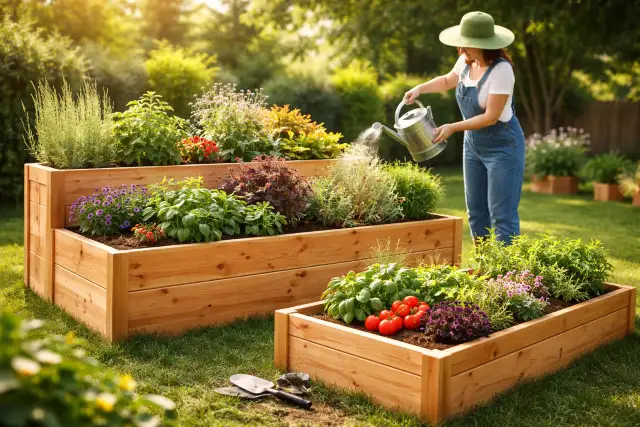
One of the most practical uses of a Cedar Planter Box is creating raised garden beds. These are especially useful if your soil quality is poor or uneven.
Raised beds allow you to:
- Control soil composition
- Improve drainage
- Reduce weed growth
- Make gardening more accessible
For vegetables like tomatoes, carrots, and cucumbers, a depth of at least 12 inches works best.
Vertical Cedar Planter Box Designs
If space is limited, vertical gardening can help you grow more plants without expanding your footprint.
A vertical Cedar Planter Box setup works well for:
- Small balconies
- Apartment patios
- Indoor herb gardens
You can stack multiple boxes or mount them on a wall. Herbs like basil, mint, and parsley thrive in vertical arrangements.
Window Cedar Planter Boxes for Fresh Appeal
Installing a Cedar Planter Box under your windows can instantly enhance your home’s exterior.
These boxes are perfect for:
- Seasonal flowers
- Aromatic herbs
- Decorative greenery
They not only improve curb appeal but also bring nature closer to your living space.
Multi-Tier Cedar Planter Box Layouts
Multi-level planter designs add depth and visual interest to your garden.
You can arrange boxes in tiers to:
- Maximize planting space
- Ensure better sunlight distribution
- Create a layered landscape effect
This approach works beautifully in both large gardens and compact spaces.
Portable Cedar Planter Boxes with Wheels
Mobility can make gardening much easier, especially in areas with changing sunlight conditions.
Adding wheels to your Cedar Planter Box allows you to:
- Move plants for optimal sunlight
- Protect them from harsh weather
- Rearrange your garden layout anytime
This is particularly useful for seasonal plants.
Decorative Cedar Planter Box Ideas
A Cedar Planter Box can also act as a design element, not just a functional container.
Consider these decorative ideas:
- Paint the boxes in soft pastel shades
- Use natural stains for a rustic look
- Add metal accents for a modern style
- Incorporate carved patterns
These small touches can transform a simple planter into a standout feature.
Best Plants to Grow in a Cedar Planter Box
Choosing the right plants can make a huge difference in your gardening success.
Here are some great options:
Vegetables
- Tomatoes
- Lettuce
- Spinach
- Peppers
Herbs
- Basil
- Mint
- Thyme
- Cilantro
Flowers
- Petunias
- Marigolds
- Geraniums
Because cedar is non-toxic, it’s safe for growing edible plants, which makes it ideal for kitchen gardens.
DIY Cedar Planter Box Guide
Building your own Cedar Planter Box can be both cost-effective and rewarding.
Materials Needed
- Cedar boards
- Screws
- Drill
- Saw
- Sandpaper
Basic Steps
- Measure and cut the cedar boards
- Assemble the base and sides
- Drill drainage holes
- Sand rough edges
- Apply natural oil if desired
A simple DIY planter can be completed in a few hours and customized to fit your space perfectly.
Common Mistakes to Avoid
Even a well-designed Cedar Planter Box can fail if basic gardening principles are ignored.
Here are some common mistakes:
- Skipping drainage holes
- Using low-quality soil
- Overwatering plants
- Placing boxes in poor sunlight
- Overcrowding plants
Avoiding these issues ensures healthier plants and better results.
Maintenance Tips for Long-Term Use
Cedar is low maintenance, but a little care goes a long way.
Simple Maintenance Routine
- Clean the box every season
- Apply natural oil once a year
- Check for cracks or loose joints
- Ensure proper drainage
With proper care, a Cedar Planter Box can last 15 to 20 years.
Cost vs Value of Cedar Planter Boxes
While cedar planters may cost more initially, they offer excellent long-term value.
| Feature | Cedar Planter Box | Plastic Planter | Pine Wood Planter |
|---|---|---|---|
| Durability | High | Medium | Low |
| Maintenance | Low | Low | High |
| Eco-Friendly | Yes | No | Yes |
| Lifespan | 15–20 years | 5–7 years | 3–5 years |
Investing in cedar means fewer replacements and better plant health over time.
Advanced Cedar Planter Box Styling Ideas for Modern Gardens
When you want your garden to feel thoughtfully designed rather than randomly arranged, focusing on styling can make a huge difference. A Cedar Planter Box isn’t just a container, it can act as a design anchor that ties your entire outdoor space together. One effective approach is to match your planter boxes with the overall theme of your home. For example, if your home has a modern aesthetic, opt for sleek, rectangular cedar boxes with clean lines and a natural finish. For a more rustic vibe, slightly distressed cedar with visible grain patterns adds warmth and character.
Another smart styling technique is grouping planter boxes in odd numbers. Designers often use groups of three or five to create a more natural and visually pleasing arrangement. You can also mix heights to add dimension. Place taller cedar planter boxes at the back and shorter ones in front, creating a layered look that draws the eye across the space.
Lighting can further enhance the appearance of your cedar planters. Adding soft garden lights around or beneath the boxes highlights the wood texture and makes your garden inviting even at night. You can also integrate decorative stones, mulch, or small pathways around your planters to create a polished landscape. With a little creativity, your Cedar Planter Box setup can feel like a professionally designed garden rather than a DIY project.
Seasonal Planting Ideas Using Cedar Planter Box
One of the biggest advantages of using a Cedar Planter Box is the flexibility it offers throughout the year. Instead of sticking to a single planting style, you can rotate plants seasonally to keep your garden fresh and vibrant. In spring, consider planting colorful flowers like tulips, daisies, and pansies. These not only add brightness but also signal the start of a lively growing season.
As summer approaches, switch to heat-tolerant plants such as tomatoes, peppers, and herbs like basil and oregano. Cedar’s natural insulation helps regulate soil temperature, which supports healthy root growth even during hotter months. In autumn, you can transition to leafy greens like spinach and kale, along with ornamental plants that reflect fall colors such as chrysanthemums.
Winter doesn’t mean your cedar planter boxes have to sit empty. You can plant evergreens, small shrubs, or even decorative arrangements using pinecones and branches to maintain visual interest. This year-round adaptability makes cedar planters incredibly practical. By planning your planting calendar carefully, you can ensure that your garden always looks alive and well-maintained, no matter the season.
Real-World Example
Many urban gardeners have shifted to using Cedar Planter Box systems for balcony gardening. A small balcony with three stacked cedar planters can grow herbs, vegetables, and flowers simultaneously.
According to gardening reports, container gardening can increase yield efficiency by up to 30 percent when soil and water conditions are controlled properly.
Frequently Asked Questions
How long does a Cedar Planter Box last
A Cedar Planter Box can last between 15 and 20 years with proper maintenance.
Is cedar safe for growing vegetables
Yes, cedar is naturally non-toxic and safe for edible plants.
Do I need to line a cedar planter box
It’s optional, but lining can help extend the lifespan and retain moisture.
Can I use cedar planter boxes indoors
Yes, just ensure proper drainage to avoid water damage.
Conclusion
A Cedar Planter Box is more than just a gardening container. It’s a smart, durable, and stylish solution that can completely transform your outdoor or indoor space. From raised beds and vertical gardens to decorative and portable designs, the possibilities are endless.
By choosing cedar, you’re investing in a material that offers long-term value, natural beauty, and excellent performance. Whether you’re a beginner or an experienced gardener, these planter boxes can help you create a space that feels organized, vibrant, and inviting.
To better understand how plants interact with their environment, exploring the basics of plant biology can give you deeper insights into successful gardening.