


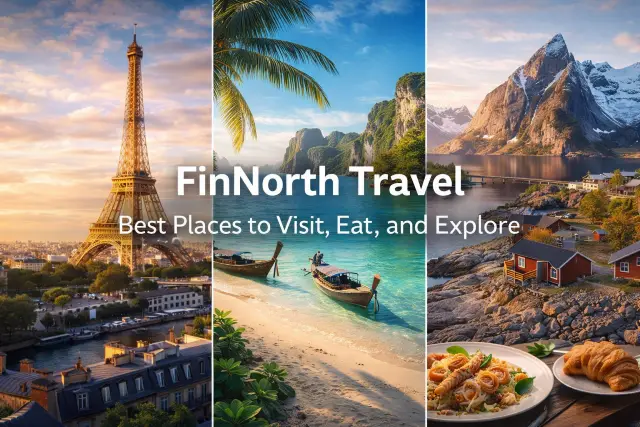
If you’ve ever daydreamed about crisp air that smells like pine, lakes that look photoshopped, and nights where the sky decides to put on a light show, FinNorth is the kind of trip you keep coming back to in your head. Think of FinNorth as “Finland’s North” in one easy word: a travel vibe that blends Finnish Lapland, the Arctic coastline, and the northern city breaks that most people skip while rushing to the usual hotspots.
- What “FinNorth” means for travelers
- Best time to visit FinNorth
- FinNorth places to visit (the ones worth building your route around)
- FinNorth: best places to eat (and what to order)
- How to explore FinNorth without overplanning
- Sample FinNorth itineraries (pick your style)
- What to pack for FinNorth (without overpacking)
- FinNorth travel costs: what to expect
- Safety, etiquette, and “small things” that make you look like you know what you’re doing
- Common FinNorth questions (FAQ)
- Conclusion: why FinNorth stays with you
And that’s exactly why it works. Global travel demand is strong again, with international tourist arrivals estimated at about 1.52 billion in 2025 (up 4% vs 2024) according to UN Tourism. Finland is feeling that momentum too: Statistics Finland reported 22.7 million overnight stays in 2024, with non-resident (international) nights up 11% compared to the year before. In other words, more travelers are heading north, and FinNorth is perfectly timed for anyone who wants nature, culture, and food without feeling like they’re standing in line all day.
What “FinNorth” means for travelers
FinNorth isn’t just one single dot on a map. It’s a practical way to plan a northern Finland trip that includes:
- Iconic Lapland experiences (auroras, snow hotels, husky rides, Sámi culture)
- Northern city life (cafes, design, museums, local food scenes)
- Quiet nature breaks (national parks, lakes, hikes, sauna culture)
- Seasonal magic (Northern Lights in dark months, Midnight Sun in summer)
Visit Finland highlights Lapland as a place for “Europe’s last great wilderness,” and it’s easy to see why people build whole trips around it.
Best time to visit FinNorth
FinNorth changes dramatically by season, so your “best” time depends on what you want to do.
Northern Lights season
For aurora hunters, darkness is your friend. The Finnish Meteorological Institute explains auroras and when they occur in Finland, and Visit Finland shares practical guidance on timing your trip. A widely used planning window is September to March, when nights are long enough for sightings.
Quick reality check (because it matters): no one can guarantee auroras. What you can do is stack the odds:
- Stay several nights (3 to 5 is a common sweet spot)
- Choose places with low light pollution
- Watch cloud forecasts and local aurora alerts
Snow season
If “real winter” is the goal, plan for December to March. You’ll get snow activities, cozy cabins, and the classic Lapland feel.
Summer light season
For hikers and road-trippers, June to August is your season. Up north, it can feel like the sun refuses to clock out, which makes long scenic days easy.
FinNorth places to visit (the ones worth building your route around)
Below are the stops that give you variety: nature, culture, and food, without spending your whole vacation in transit.
1) Rovaniemi: the easy gateway to Lapland
Rovaniemi is often where FinNorth starts, especially for first-timers. It’s practical (transport, tours, hotels) and still feels “north” enough to deliver snowy forests and aurora nights.
What to do:
- Explore museums and Arctic-themed exhibits
- Do a short nature hike outside town
- Book a night activity for aurora spotting
Local feel tip: balance your itinerary. Do one “big” activity per day, then leave time for a slow meal and a sauna. That’s the rhythm that makes Finland feel like Finland.
2) Levi: mountain views, winter sports, and cozy village energy
Levi is one of the better-known resort areas, and for good reason: it’s convenient, scenic, and built for winter fun.
Best for:
- Skiing and snowboarding
- Northern Lights tours
- Cabin stays and fireside evenings
3) Saariselkä and Inari: calm, wide-open Lapland
If you want the quieter version of the north, this region delivers. Inari is especially meaningful culturally, with connections to Sámi heritage. Visit Finland notes Lapland as the homeland area of the indigenous Sámi people (Sápmi spans multiple countries).
What to do:
- Visit cultural centers and exhibits
- Take gentle day hikes
- Go aurora hunting away from town lights
4) Kemi: sea ice, winter experiences, and a different kind of north
Kemi gives you the coastal-Arctic feel. It’s a great contrast if your itinerary has been forests and fells. Expect ice, sea air, and photogenic winter builds in peak season.
5) Oulu: a northern city break with real food culture
Oulu is a smart FinNorth stop when you want a city that still feels connected to nature. It’s also a good “reset point” between Lapland and southern Finland.
What to do:
- Walk waterfront areas and local neighborhoods
- Try northern Finnish comfort foods in casual restaurants
- Use it as a base for short day trips
6) Finnish Lakeland edges (north of the usual routes)
If you can add even one lake-and-sauna day, do it. Finland’s travel identity is tied tightly to lakes, forests, and sauna culture, and you feel it more deeply when you slow down near the water.
FinNorth: best places to eat (and what to order)
FinNorth food is warm, seasonal, and quietly confident. It’s not trying to be flashy. It’s trying to make you comfortable, especially after a cold day outside.
What to try across FinNorth
Look for these on menus (and don’t be shy about asking what’s local):
- Salmon soup (lohikeitto): creamy, dill-forward, comforting
- Rye bread: dense, tangy, very Finnish
- Reindeer: often served as sautéed reindeer (poronkäristys) with mashed potatoes
- Mushrooms and berries: cloudberries are a northern superstar
- Fresh fish: especially in coastal areas
Where to eat: a simple strategy that works
Instead of chasing “the best restaurant,” use this approach:
- Have one special meal (chef-led, reservation-worthy)
- Have one local-casual meal (cafes or lunch spots)
- Have one snack mission (bakeries, markets, small kiosks)
It makes your trip feel grounded and keeps your budget sane.
A very Finnish lunch move
In many Finnish cities, lunch is the best value meal. You’ll often find a lunch buffet or set menu that locals actually eat, not just tourists.
How to explore FinNorth without overplanning
Here’s the honest truth: in the far north, weather and light set the schedule more than your checklist. That’s not a downside. It’s the whole point.
The 3-layer itinerary method
This keeps your days smooth and flexible:
- Anchor: one main activity (husky safari, museum, national park hike)
- Buffer: something easy (cafe time, short walk, sauna)
- Bonus: only if energy and weather allow (aurora hunt, extra viewpoint)
That structure also helps with auroras, because you’re not exhausted by 9 pm.
Sample FinNorth itineraries (pick your style)
| Trip Length | Best For | Sample Route | Highlights |
|---|---|---|---|
| 3 days | Quick Lapland taste | Rovaniemi base | Museum day, nature walk, aurora night |
| 5 days | Balanced experience | Rovaniemi + Levi | Winter sports, local dining, cabin vibe |
| 7 days | Deep FinNorth | Rovaniemi + Inari/Saariselkä + Oulu | Sámi culture, quiet nature, northern city food |
What to pack for FinNorth (without overpacking)
Packing depends on season, but a few items save trips:
Winter essentials
- Insulated boots with grip
- Base layers (top and bottom)
- Mid-layer fleece or wool
- Windproof outer layer
- Gloves plus spare liners
- Neck warmer and a warm hat
Summer essentials
- Light rain jacket
- Comfortable walking shoes
- Eye mask (for sleeping in bright nights)
- Mosquito repellent (yes, it matters)
FinNorth travel costs: what to expect
FinNorth can be premium if you book everything as a packaged “experience trip.” It can also be reasonable if you mix paid activities with free nature days.
A practical budgeting split:
- Higher cost: guided safaris, glass igloos, peak-season stays
- Lower cost: self-guided hikes, city walks, museums, lunch deals
- Flexible: sauna experiences, local transport, short tours
If you’re traveling during the most popular winter dates, booking earlier tends to matter more. Finland’s tourism has been active, with international nights rising in recent official reporting.
Safety, etiquette, and “small things” that make you look like you know what you’re doing
FinNorth is generally easy to travel if you respect the basics:
- Quiet is normal: Finns can be warm and helpful, just not loud about it.
- Personal space matters: avoid crowding in lines or public transport.
- Nature rules are real: stick to marked trails where needed and leave no trace.
- Sauna etiquette: shower before sauna, and follow local guidance on towels/swimwear.
Common FinNorth questions (FAQ)
Is FinNorth good for first-time winter travelers?
Yes, as long as you plan for cold properly and keep your schedule realistic. Choose a base like Rovaniemi or Levi, then add one quieter stop.
How many nights do you need to realistically see the Northern Lights?
There’s no guarantee, but staying multiple nights improves your chances. Visit Finland and the Finnish Meteorological Institute both emphasize timing and conditions rather than certainty.
Is FinNorth only about Lapland?
No. Lapland is the headline, but FinNorth also includes northern city breaks (like Oulu), coastal winter vibes (like Kemi), and slow nature travel.
What’s the most “worth it” splurge?
One premium night experience (like a scenic cabin stay) plus one guided activity you’d struggle to do safely alone (like a winter safari). Then keep the rest simple.
Conclusion: why FinNorth stays with you
The best thing about FinNorth is that it doesn’t feel like a theme park version of the north. It feels lived-in. You get silence that’s actually quiet, food that’s comforting without trying too hard, and nature that doesn’t need a filter. Build your days around one meaningful experience, eat like a local at least once a day, and give the sky a few nights to surprise you.
And if you’re planning your route, remember that the magic often happens in the in-between moments: the late-afternoon coffee when it’s snowing outside, the first time you step into a sauna after the cold, or the night you cross the Arctic Circle and realize you’re farther north than your old map-brain can process.