



In today’s fast-moving healthcare environment, accuracy is everything. A single lab result can influence diagnosis, treatment decisions, and even long-term patient outcomes. That is where the Serum Separator Tube plays a quiet but powerful role. Though it may look like just another blood collection tube, it has transformed the way laboratories process and analyze blood samples.
- What Is a Serum Separator Tube?
- How Does a Serum Separator Tube Work?
- Why Is the Serum Separator Tube Essential in Modern Diagnostics?
- Common Tests Performed Using a Serum Separator Tube
- Serum vs Plasma: What’s the Difference?
- Real-World Example: Why Separation Matters
- Benefits for Laboratories and Healthcare Systems
- Frequently Asked Questions About Serum Separator Tube
- Best Practices for Using a Serum Separator Tube
- Innovations in Serum Separator Technology
- The Role in Preventive Healthcare
- Challenges and Limitations
- Why It Matters for Patients
- Conclusion
From routine blood tests to advanced diagnostic procedures, the Serum Separator Tube has become a standard tool in hospitals, clinics, and diagnostic laboratories worldwide. But what makes it so essential? And why do medical professionals rely on it for accurate serum testing?
Let’s break it down in simple, practical terms.
What Is a Serum Separator Tube?
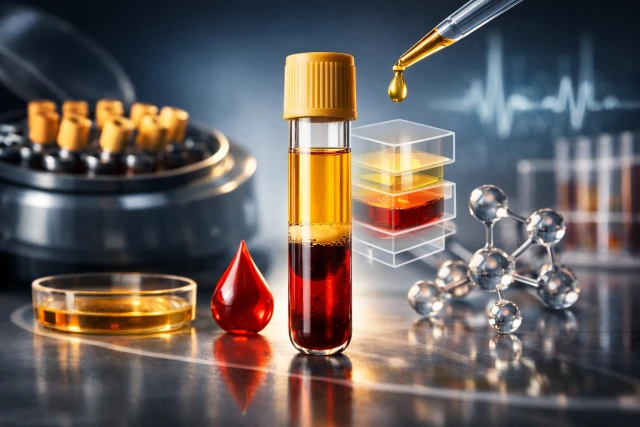
A Serum Separator Tube is a specialized blood collection tube used in clinical laboratories to separate serum from whole blood. It typically contains a clot activator and a gel barrier. After blood is drawn and centrifuged, the gel forms a physical barrier between the serum and the blood cells.
This separation prevents contamination and preserves the integrity of the serum for testing.
In basic terms:
- Whole blood is collected
- The sample is centrifuged
- The gel barrier separates serum from cells
- The serum is used for laboratory analysis
Serum itself is the clear, yellowish liquid part of blood that remains after clotting. It contains important biomarkers, electrolytes, hormones, antibodies, and proteins that help doctors evaluate a patient’s health.
How Does a Serum Separator Tube Work?
Understanding how this tube functions helps you appreciate why it is widely used in modern diagnostics.
Step 1: Blood Collection
Blood is drawn into the tube, which contains:
- Clot activator
- Thixotropic polymer gel
The clot activator speeds up the clotting process, which is necessary for serum separation.
Step 2: Clot Formation
The sample is allowed to clot for about 30 minutes. During this time, blood cells and clotting factors begin forming a clot.
Step 3: Centrifugation
The tube is placed in a centrifuge. High-speed spinning separates components based on density:
- Red blood cells move to the bottom
- The gel barrier settles between layers
- Serum remains on top
The gel forms a stable barrier that prevents cells from mixing back into the serum.
Step 4: Serum Analysis
The isolated serum is then used for:
- Biochemical tests
- Hormone analysis
- Serology
- Immunology testing
- Liver and kidney function tests
This process reduces the risk of hemolysis and sample contamination.
Why Is the Serum Separator Tube Essential in Modern Diagnostics?
Modern healthcare depends heavily on laboratory data. According to the Centers for Disease Control and Prevention and other healthcare authorities, a large percentage of medical decisions are influenced by laboratory results.
Without reliable sample preparation, even advanced diagnostic machines cannot produce accurate outcomes.
Here is why this tube is so important.
1. Improved Accuracy of Lab Results
The gel barrier prevents cellular components from leaking into the serum after centrifugation. If red or white blood cells mix with serum, they can alter:
- Potassium levels
- Glucose measurements
- Enzyme readings
By maintaining separation, the tube helps preserve sample integrity.
2. Reduced Risk of Sample Contamination
In traditional blood tubes without gel separators, serum must be manually transferred into another container. This extra handling increases the risk of contamination.
The Serum Separator Tube eliminates that extra step, making the process safer and cleaner.
3. Faster Turnaround Time
In busy laboratories, speed matters. The clot activator speeds up clot formation, reducing waiting time before centrifugation.
This means:
- Faster test processing
- Quicker reporting
- Improved patient care
4. Enhanced Sample Stability
Research published in clinical laboratory journals shows that gel-separated serum samples remain stable longer compared to non-separated samples.
This is especially important when:
- Samples must be transported
- Testing is delayed
- Labs handle high volumes
5. Standardization Across Laboratories
Hospitals worldwide use this tube as a standard for serum testing. That standardization ensures consistency in diagnostic protocols.
Common Tests Performed Using a Serum Separator Tube
The Serum Separator Tube is used for a wide range of diagnostic procedures. Here are some of the most common:
Biochemistry Tests
- Glucose
- Cholesterol
- Triglycerides
- Liver enzymes
- Kidney function markers
Hormone Testing
- Thyroid hormones
- Cortisol
- Reproductive hormones
Infectious Disease Screening
- Hepatitis panels
- HIV testing
- Antibody detection
Cardiac Markers
- Troponin
- Creatine kinase
These tests help physicians detect conditions early and monitor ongoing treatments.
Serum vs Plasma: What’s the Difference?
Many people confuse serum and plasma. Here is a quick comparison:
| Feature | Serum | Plasma |
|---|---|---|
| Contains clotting factors | No | Yes |
| Obtained after clotting | Yes | No |
| Used in biochemical testing | Yes | Yes |
| Gel separator used | Yes | Sometimes |
Serum is preferred in many diagnostic tests because clotting factors are removed, reducing interference in results.
Real-World Example: Why Separation Matters
Imagine a patient arrives at the emergency room with chest pain. Doctors order cardiac enzyme testing to check for a heart attack.
If the blood sample is not properly separated:
- Hemolysis may alter potassium levels
- Cellular enzymes may contaminate serum
- Results may be unreliable
In a critical situation, inaccurate results can delay life-saving treatment.
Using a properly handled Serum Separator Tube minimizes that risk.
Benefits for Laboratories and Healthcare Systems
Beyond accuracy, this tube provides operational benefits.
Cost Efficiency
By reducing repeat testing caused by contaminated samples, labs save money. Fewer errors mean fewer redraws.
Workflow Optimization
Technicians handle fewer steps. Less manual transfer means fewer chances for mistakes.
Compliance with Quality Standards
Accreditation bodies such as ISO and CAP emphasize proper specimen handling. The use of standardized tubes supports compliance.
Frequently Asked Questions About Serum Separator Tube
What color is a Serum Separator Tube?
It usually has a gold or tiger-top cap, depending on the manufacturer.
How long should the sample clot?
Typically 30 minutes before centrifugation.
Can it be used for all blood tests?
No. Certain tests require plasma or specialized tubes.
What happens if centrifugation is delayed?
Cellular metabolism can alter analyte levels, affecting test results.
Is it suitable for hormone testing?
Yes, it is widely used for hormone assays.
Best Practices for Using a Serum Separator Tube
Proper handling ensures maximum reliability.
- Allow full clotting before centrifugation.
- Centrifuge within recommended time.
- Avoid shaking the tube vigorously.
- Store serum at appropriate temperatures.
- Label samples clearly.
Following these steps reduces errors and maintains high-quality diagnostics.
Innovations in Serum Separator Technology
Diagnostic technology continues to evolve. Manufacturers are improving gel composition for better separation performance.
Some advancements include:
- Faster clot activation
- Improved gel stability
- Enhanced temperature resistance
These innovations support high-throughput laboratories and automated analyzers.
The Role in Preventive Healthcare
Preventive medicine depends heavily on early detection. Routine blood panels identify:
- Diabetes
- High cholesterol
- Thyroid disorders
- Liver dysfunction
Accurate serum separation ensures that these conditions are detected before symptoms become severe.
Challenges and Limitations
While highly effective, this tube is not perfect.
Potential limitations include:
- Improper centrifugation leading to incomplete separation
- Rare gel interference with certain analytes
- Storage errors affecting sample quality
However, when used correctly, these issues are minimal.
Why It Matters for Patients
Behind every test tube is a patient waiting for answers. The Serum Separator Tube may seem like a small component, but it supports:
- Early diagnosis
- Treatment monitoring
- Disease prevention
- Improved clinical outcomes
Modern diagnostics would not be as reliable without it.
Conclusion
The Serum Separator Tube has become a cornerstone of modern laboratory diagnostics. By ensuring clean separation of serum from blood cells, it enhances accuracy, reduces contamination, and speeds up test processing.
From routine cholesterol checks to complex hormone panels, this simple yet sophisticated device supports countless medical decisions every day. Its role in improving laboratory efficiency and patient safety makes it indispensable in today’s healthcare system. For more on the science of blood components, you can explore this overview of blood plasma
As diagnostics continue to advance, the importance of reliable specimen handling will only grow. And at the center of that process remains the Serum Separator Tube, quietly enabling accurate and life-saving results.