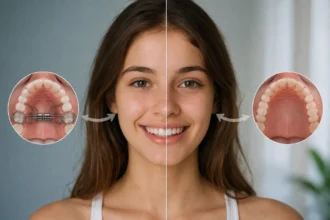




If you have ever felt like your head is “pressurized,” your nose never fully opens up, or your body is subtly off balance, you are not alone. A lot of people live in a cycle of tight jaws, forward head posture, shallow breathing, sinus pressure, and headaches and they do not always connect the dots. That is where Cranial Facial Release comes into the conversation.
- What is Cranial Facial Release?
- Cranial Facial Release benefits people commonly look for
- Who might benefit most from Cranial Facial Release?
- Cranial Facial Release vs other options (quick comparison)
- What a session can feel like (real world expectations)
- Safety, risks, and who should avoid it
- Actionable tips to make breathing benefits last
- Frequently asked questions
- Conclusion
Cranial Facial Release is often described as a balloon assisted approach that targets restrictions around the nose, face, and cranium with the goal of improving airflow and reducing tension. Some people try it for sinus pressure or headaches. Others are curious because they heard it can improve breathing, posture, or even their sense of balance. In this guide, we will break down what Cranial Facial Release is, what benefits people report, what science can and cannot say today, and how to decide whether it is a reasonable option for you.
What is Cranial Facial Release?
Cranial Facial Release is typically performed by a trained provider who uses a small inflatable device placed briefly inside the nasal passage. The idea is to create a quick, controlled expansion that may help release tension patterns and improve nasal airflow. The technique is sometimes described as “balloon assisted” cranial adjusting.
A simple way to think about it is this: the nose is not just a tube for air. It is a crowded, sensitive area surrounded by cartilage, turbinates, connective tissue, and bony structures. When that system is irritated or mechanically restricted, many people feel it in surprising places such as their forehead, jaw, neck, and even their sleep.
Why breathing issues matter more than people think
Nasal obstruction is a common complaint in ENT clinics, and it is associated with symptoms like sleep difficulty, fatigue, headache, and reduced quality of life.
When nasal breathing is compromised, people often compensate by mouth breathing, neck tension, or shallow chest breathing, which can affect comfort and posture over time.
Cranial Facial Release benefits people commonly look for
Let’s be clear: research specifically on Cranial Facial Release is limited, and many claims circulating online come from practitioner experience and patient reports rather than large randomized trials. Still, there are several benefit “buckets” that show up repeatedly, and some of the underlying concepts align with what we do know about nasal airflow, breathing mechanics, and the nervous system.
1) Relief from pressure, tightness, and headaches
Many people seek Cranial Facial Release because they feel persistent head pressure, temple tightness, forehead congestion, or recurring headaches. Here is why that makes intuitive sense:
- Nasal blockage and facial pressure often travel together, especially with inflammation, sinus issues, or chronic congestion.
- When breathing is restricted, people commonly brace their jaw and neck without realizing it, which can trigger tension headaches.
- Poor sleep from nasal obstruction can make headache frequency and pain sensitivity worse.
Clinical practice in ENT also recognizes nasal obstruction as a quality of life issue, and tools like the NOSE questionnaire exist specifically to measure how much congestion impacts breathing and sleep.
What people report after Cranial Facial Release (varies by person):
- A “lighter” feeling around the forehead or cheekbones
- Less facial pressure during allergies or weather changes
- Reduced jaw clenching because breathing feels easier
Important note: if your headaches are severe, sudden, neurological, or worsening, do not self treat. Get medical evaluation first.
2) Breathing easier through the nose
This is the headline reason many people explore Cranial Facial Release. Nasal airway obstruction is common, and contributors can include septal deviation, turbinate hypertrophy, and nasal valve collapse.
Even if you have never been “diagnosed” with an obstruction, you might recognize signs:
- One side always feels blocked
- You wake up with a dry mouth
- You snore or feel unrested
- Exercise feels harder than it should because you cannot breathe comfortably through your nose
There is also broader evidence that mechanically opening nasal airflow can improve subjective breathing in some people. For example, clinical studies have evaluated internal nasal dilation devices and measured changes in airflow and comfort.
What people often hope Cranial Facial Release will do:
- Create immediate openness in one or both nostrils
- Reduce that “pinched” feeling at the nasal valve area
- Make nasal breathing easier during sleep or workouts
A realistic expectation: some people notice an immediate change, but lasting results usually depend on the underlying cause (inflammation vs structure vs both). If the main issue is swelling from allergies, you may also need allergy management. If the main issue is structural collapse, you may need an ENT evaluation.
3) Better balance and steadier posture (the breathing connection)
The “balance” part can sound like a stretch, so let’s ground it.
Breathing and posture are linked through the diaphragm, ribcage mechanics, abdominal pressure, and the muscles that stabilize your spine. When respiratory demand changes, postural control can change too. A systematic review found that increasing respiratory demand can lead to greater postural sway compared with quiet breathing, depending on how breathing is altered.
Also, mouth breathing and chronic nasal breathing impairment have been associated with postural alterations in some research contexts (especially in children), although causation is complex and debated.
So how might Cranial Facial Release relate to balance?
- If your nasal breathing improves, you may unconsciously relax neck and jaw tension.
- Better diaphragmatic breathing often encourages a more stable ribcage and trunk position.
- Less bracing in the upper body can make you feel more “stacked” and grounded.
That does not mean Cranial Facial Release is a proven balance treatment. It means the breathing changes people report could plausibly influence how steady they feel, especially if they were living in a tense, compensatory pattern.
4) Possible improvements in sleep quality (when nasal blockage is the culprit)
Nasal obstruction is a known complaint in sleep clinics, and validated tools like the NOSE scale include sleep difficulty as a key symptom area.
If Cranial Facial Release helps you breathe more freely at night, you may experience:
- Less mouth breathing and dryness
- Less waking up due to congestion
- Better recovery feeling in the morning
If you suspect sleep apnea or significant snoring, do not rely on Cranial Facial Release alone. Sleep disorders deserve proper screening and treatment.
5) “Overall reset” feeling: nervous system downshift
Many people describe Cranial Facial Release as intense but briefly, followed by a calm, open, or “reset” sensation. There is not strong research proving a specific cranial mechanism here, but it is common for bodywork that alters breathing, facial tension, or perceived airway openness to influence stress response.
At the same time, it is worth knowing that cranial based therapies more broadly are debated in medical literature regarding biological plausibility and evidence strength. Systematic reviews of craniosacral approaches have raised concerns about mechanism and the certainty of evidence for some claims.
A fair takeaway:
- You can acknowledge real patient experiences.
- You should also be cautious about over promising, especially for neurological or complex chronic conditions.
Who might benefit most from Cranial Facial Release?
Cranial Facial Release tends to be most appealing to people who check several boxes below:
- Chronic nasal stuffiness that feels mechanical, not only allergy based
- Facial pressure or headaches that seem linked to congestion or jaw tension
- A sense of “tight face and tight neck” with shallow breathing
- Athletic or active people who want easier nasal breathing during exertion
- People who have tried basic steps (saline rinses, allergy care, nasal strips) but still feel restricted
If you want a practical way to self assess change, consider tracking a simple before and after checklist:
- How open does each nostril feel (0 to 10)?
- Can you walk briskly while nasal breathing only?
- How is your jaw tension right now?
- How did you sleep last night?
Cranial Facial Release vs other options (quick comparison)
| Approach | Best for | Pros | Limitations |
|---|---|---|---|
| Cranial Facial Release | People seeking non surgical, airway focused bodywork | Often quick session, many report immediate airflow change | Evidence is limited; results vary; not a replacement for medical care |
| Allergy management (sprays, avoidance, meds) | Swelling and inflammation | Addresses root inflammation | May not fix structural restriction |
| Internal or external nasal dilators | Mild to moderate nasal valve narrowing | Simple, low risk, measurable airflow effects in some studies | May be uncomfortable; not permanent |
| ENT evaluation (septum, turbinates, valve) | Structural obstruction | Diagnosis and targeted treatment | Can involve procedures and cost |
What a session can feel like (real world expectations)
People often do not realize how sensitive the nasal passages are until they try Cranial Facial Release.
Common sensations during or right after:
- Quick pressure inside the nose
- Watering eyes
- A “pop” or release feeling
- Temporary soreness or a mild headache afterward
Some providers recommend taking it easy afterward and staying hydrated. If you feel unusually unwell, have heavy bleeding, or severe pain, treat it as a medical issue and seek care.
Safety, risks, and who should avoid it
Because Cranial Facial Release involves an internal nasal component, caution matters.
Be extra careful if you have:
- Frequent nosebleeds
- Recent nasal surgery or injury
- Known severe septal deviation, polyps, or fragile nasal tissues
- Bleeding disorders or blood thinner use
- Unexplained neurological symptoms
Also, if a provider makes big promises like curing serious neurological disease, that is a red flag. A responsible conversation should include limits, screening questions, and a referral suggestion when symptoms point to ENT or medical evaluation.
Actionable tips to make breathing benefits last
If Cranial Facial Release improves airflow even temporarily, you can reinforce the change with simple habits. These are practical, not trendy.
Nasal breathing practice (2 minutes)
- Sit tall, relax shoulders
- Lips closed, tongue resting gently on the roof of the mouth
- Slow inhale through the nose for 3 to 4 seconds
- Slow exhale through the nose for 4 to 6 seconds
- Keep it quiet and easy
Reduce nighttime congestion
- Saline rinse (if it suits you and your doctor approves)
- Manage allergens in bedding
- Side sleeping if one side always collapses
- Consider a nasal dilator if it helps you sleep (many people try these before procedures)
Improve “breathing posture”
If you constantly breathe up into the chest, try this cue:
- Exhale fully
- Let ribs drop slightly
- Inhale softly into the lower ribs and belly
Over time, better breathing mechanics can support steadier posture, which may influence how balanced you feel.
Frequently asked questions
Is Cranial Facial Release the same as balloon sinuplasty?
No. Balloon sinuplasty is a medical ENT procedure designed to dilate sinus openings. Cranial Facial Release is typically described as a manual or chiropractic technique aimed at releasing restrictions and improving nasal breathing. They are not the same procedure, and they have different goals and evidence bases.
How fast do Cranial Facial Release benefits show up?
Some people report immediate changes in nasal openness or facial pressure, while others notice gradual change over multiple sessions. The timeline depends on the cause of restriction, inflammation, and your day to day habits.
How many sessions do people usually do?
It varies widely. Some people try one session to “test” how their body responds. Others do a short series. A reputable provider should track changes and reassess rather than locking you into an expensive long plan.
Can Cranial Facial Release help TMJ or jaw tension?
Some people report less jaw clenching after Cranial Facial Release, especially if improved nasal breathing reduces compensation in the neck and face. But TMJ can have many causes, so it is best seen as a possible support, not a guaranteed fix.
When should I see an ENT instead?
If you have persistent one sided blockage, recurrent sinus infections, significant snoring or suspected sleep apnea, frequent nosebleeds, or symptoms that are worsening, an ENT evaluation is a smart next step. Nasal airway obstruction often has structural contributors that should be diagnosed properly.
Conclusion
The most believable way to talk about Cranial Facial Release is with balance: it is a technique many people try for relief, better nasal breathing, and a steadier, less tense body, but the research specifically on Cranial Facial Release is still limited. What we do know is that nasal obstruction is common and impacts sleep and quality of life, and breathing mechanics can influence posture and steadiness.
If Cranial Facial Release helps you breathe more freely, that one change can ripple outward: less jaw tension, calmer neck and shoulders, improved sleep, and a more grounded posture that feels like better balance. The key is to stay realistic, screen for red flags, and treat breathing as a whole system that includes your habits, inflammation, and structure.
In the end, Cranial Facial Release is best viewed as a potential tool, not a miracle. Use it thoughtfully, track your results, and do not hesitate to involve medical professionals when symptoms call for it, especially when the issue may be structural inside the nasal cavity.