



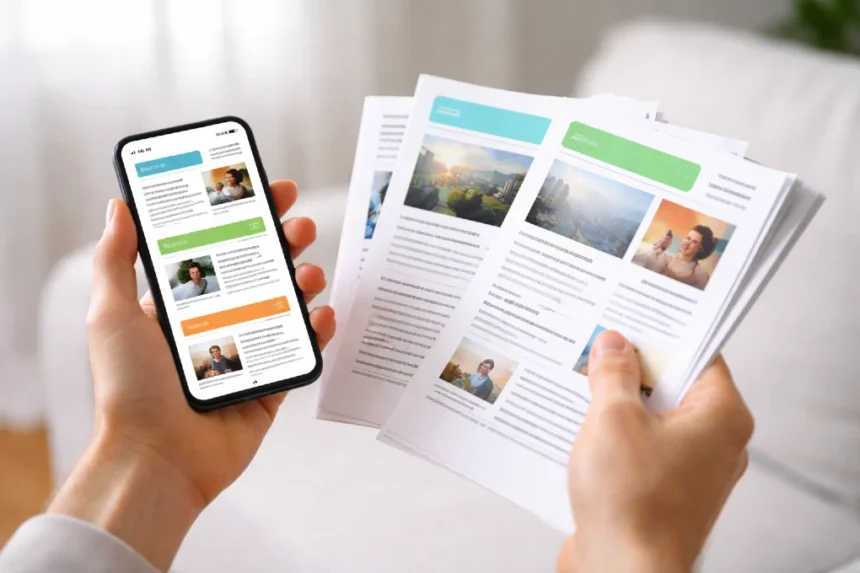
If you want readers to stay longer, click deeper, and actually remember what they read, your topics multiple stories is one of the smartest content approaches you can use. It turns a plain article into a richer reading journey by showing one subject through different angles, examples, and experiences. Instead of giving readers a flat overview, your topics multiple stories gives them depth, variety, and a stronger reason to keep scrolling.
- What Does Your Topics Multiple Stories Mean?
- Why Readers Respond Better to Layered Content
- How Your Topics Multiple Stories Improves the Reading Experience
- The SEO Value of Your Topics Multiple Stories
- Real-World Example of This Approach in Action
- Best Elements to Include in Your Topics Multiple Stories Content
- Common Mistakes That Hurt the Reading Experience
- Why This Method Works for Modern Blogs
- Questions Readers Often Have
- Is your topics multiple stories a writing style or a content strategy?
- Does this approach help SEO?
- Can small blogs use your topics multiple stories?
- Is your topics multiple stories only for storytelling websites?
- How do you keep it from becoming too long?
- The Future of Reader-Friendly Content
- Conclusion
That matters more than ever. People do not read online the way they used to. They skim, compare, jump between tabs, and leave quickly if a page feels repetitive. A better reading experience now depends on structure, storytelling, relevance, and trust. That is where your topics multiple stories becomes powerful. It helps publishers turn one topic into layered, engaging content that feels more complete and more human.
Many sites now use this idea as a content strategy because it improves clarity and keeps readers interested. It also aligns with what research says about digital reading behavior. According to the Nielsen Norman Group, users often scan web pages instead of reading every word, which means content has to be easier to navigate and more rewarding to continue. HubSpot research has also shown that audience-first, useful content performs better because readers respond to value, not filler. When content is built around your topics multiple stories, it naturally creates that value.
What Does Your Topics Multiple Stories Mean?
At a practical level, your topics multiple stories means taking one central subject and presenting it through several connected angles. Those angles might include personal examples, expert insight, data, real-world scenarios, case studies, trend analysis, or common reader questions.
So instead of writing one narrow article about a topic, you create a fuller experience.
For example, if your topic is online education, a standard article might define it and list a few benefits. A your topics multiple stories approach would go further:
- A student perspective
- A teacher perspective
- A parent perspective
- A technology angle
- A cost comparison angle
- A future trends angle
The reader ends up with a broader understanding, and the article feels more alive.
This idea also appears on the site Your Topics | Multiple Stories, which describes itself as a platform built to expand perspectives through storytelling and multiple narratives across topics such as education, science, history, and technology. That framing supports the broader meaning behind your topics multiple stories as a content model that values depth and variety.
Why Readers Respond Better to Layered Content
Readers rarely connect with a subject in just one way. Some want facts. Some want emotional connection. Some want practical advice. Others want examples they can relate to.
That is why your topics multiple stories creates a better reading experience. It respects how different readers process information.
A layered article helps readers by offering:
- More than one entry point into the topic
- A stronger emotional and practical connection
- A smoother path from curiosity to understanding
- More reasons to stay on the page
- Better content flow without sounding repetitive
This matters in digital publishing because attention is limited. According to Microsoft’s earlier consumer attention research, digital environments make it harder to hold focus for long periods. While exact attention span numbers are often oversimplified online, the bigger truth is still valid: content has to earn attention quickly and keep earning it.
When you build with your topics multiple stories, you do not rely on one idea carrying the whole article. You give the reader several reasons to care.
How Your Topics Multiple Stories Improves the Reading Experience
It makes content feel less one-dimensional
One of the biggest problems in blog writing is thin content. A topic gets introduced, a few obvious points are added, and the article ends without giving the reader anything memorable.
Your topics multiple stories solves that by widening the lens. Instead of repeating the same message in different words, it adds new layers. Each section contributes something fresh.
That creates a more satisfying reading rhythm. The article feels like it is moving somewhere instead of standing still.
It helps readers stay emotionally engaged
Facts are useful, but stories hold attention. A person may forget a definition, yet remember a real situation or relatable example.
When your topics multiple stories is used well, readers do not just understand the topic. They feel connected to it. A practical article becomes easier to trust because it sounds lived in, not manufactured.
It creates natural variety in structure
A good reading experience depends heavily on pacing. Readers get bored when every paragraph sounds the same.
With your topics multiple stories, you can mix:
- Explanation
- Scenario-based writing
- Mini case studies
- Quotes or source-backed facts
- Question-led sections
- Practical takeaways
This variation keeps the page feeling fresh without making it chaotic.
It matches how people actually think
Most people do not learn from one angle alone. They compare, reflect, question, and test ideas against real life. Your topics multiple stories works because it mirrors that process.
A topic becomes easier to understand when readers can see it from multiple viewpoints.
The SEO Value of Your Topics Multiple Stories
The reading experience is the first win, but there is also an SEO advantage. Search engines increasingly reward content that is useful, organized, and clearly aligned with search intent.
When publishers use your topics multiple stories, they often create pages that are:
- More comprehensive
- Better structured with natural subtopics
- More likely to answer different user questions
- Stronger for internal linking
- Better suited for topic clusters
Google’s own documentation on helpful content emphasizes creating material for people first, not just for rankings. That fits perfectly with your topics multiple stories because this approach encourages fuller coverage instead of shallow keyword repetition.
Here is a simple comparison:
| Content Style | Reader Experience | SEO Potential |
|---|---|---|
| Single-angle article | Limited and predictable | May rank for narrow intent |
| Keyword-stuffed article | Frustrating and low trust | Weak long-term performance |
| Your topics multiple stories | Rich, varied, useful | Stronger relevance and engagement |
This does not mean every article has to be long. It means every article should feel complete. Your topics multiple stories helps content creators do that without losing focus.
Real-World Example of This Approach in Action
Imagine a blog post about remote work.
A basic version might include:
- What remote work is
- A few pros and cons
- A short conclusion
A your topics multiple stories version would be far more engaging:
- A new employee adjusting to remote communication
- A manager struggling with team accountability
- A parent balancing work and home life
- Productivity tools that improve workflow
- Research on flexibility and burnout
- A look at where remote work is heading next
Now the article does not just explain remote work. It explores it. That is the key difference.
The same model works for education, health, technology, lifestyle, business, and news content. Any topic becomes stronger when readers can see the human side, the practical side, and the evidence-backed side together.
Best Elements to Include in Your Topics Multiple Stories Content
If you want your topics multiple stories to feel natural and useful, certain elements work especially well.
1. A strong central theme
Everything should connect back to one main idea. Multiple stories do not mean random sections. They need to support the same topic from different angles.
2. Clear subheadings
Because readers scan, headings matter. Strong H2 and H3 sections help the article feel organized and mobile-friendly.
3. A mix of data and narrative
Use trusted facts where they strengthen the article, but do not let statistics overpower readability. Readers want substance, not a research dump.
4. Reader-focused examples
Examples help abstract ideas feel concrete. This is one reason your topics multiple stories works so well. It translates broad ideas into something visual and understandable.
5. A clean content flow
Even with multiple angles, the reading experience should feel smooth. Each section should naturally lead to the next.
Common Mistakes That Hurt the Reading Experience
Not every attempt at your topics multiple stories works well. Sometimes the concept is good, but the execution is messy.
Here are the most common problems:
Repeating the same point in every section
If each heading says nearly the same thing, the article feels padded.
Adding stories without a clear purpose
Every story or angle should deepen the topic, not distract from it.
Ignoring reader intent
Some readers want quick understanding. Others want detailed insight. Good content balances both.
Weak transitions
A strong article does not just stack sections. It connects them.
Overusing the keyword
The phrase your topics multiple stories should appear naturally, not mechanically. It works best when surrounded by useful, relevant language.
Why This Method Works for Modern Blogs
Blog readers are more selective now. They expect articles to be helpful, readable, and worth their time. Thin content loses them fast.
That is why your topics multiple stories is such a practical publishing model for modern blogs. It helps one article satisfy multiple reader needs at once:
- Quick understanding
- Deeper context
- Better examples
- Practical takeaways
- A stronger sense of trust
It is also adaptable. A blogger can use this model for educational posts, trend pieces, product comparisons, opinion writing, or audience-building content.
For blog owners, there is another advantage. One main topic can become a content system. A pillar article introduces the theme, and related supporting pieces expand on specific angles. That makes your topics multiple stories useful not just for one article, but for broader editorial planning.
Questions Readers Often Have
Is your topics multiple stories a writing style or a content strategy?
It is both. Your topics multiple stories can shape the tone and structure of a single article, but it also works as a larger strategy for building more engaging and comprehensive content across a website.
Does this approach help SEO?
Yes, when used properly. Your topics multiple stories improves topical depth, creates more natural subheadings, supports search intent, and often increases reader engagement.
Can small blogs use your topics multiple stories?
Absolutely. In fact, smaller blogs can benefit a lot because this method helps basic articles feel richer and more authoritative without needing a giant publishing team.
Is your topics multiple stories only for storytelling websites?
No. It works well for business blogs, educational sites, technology articles, lifestyle platforms, and niche content sites too.
How do you keep it from becoming too long?
The answer is structure. Keep each section focused, remove repetition, and make sure each story angle adds something distinct.
The Future of Reader-Friendly Content
The future of digital publishing is not just about producing more content. It is about producing better content. Readers are overwhelmed by shallow articles that all sound the same.
That is why your topics multiple stories matters. It offers a more human way to write and a more rewarding way to read. It brings clarity without oversimplifying. It adds variety without losing focus. And it helps publishers create pages that people actually enjoy.
There is also a wider trend behind this. Audiences now expect content to be personalized, relevant, and experience-driven. According to the Content Marketing Institute, successful content increasingly depends on usefulness, trust, and audience understanding. Those principles are built into your topics multiple stories when it is used with care.
A better reading experience does not happen by accident. It comes from thoughtful structure, strong storytelling, and respect for the reader’s time.
Conclusion
At its best, your topics multiple stories turns a simple blog post into a fuller, smarter, and more engaging reading experience. It helps readers understand a topic from several angles instead of forcing them into one narrow view. That alone makes the article feel more valuable.
But the real strength of your topics multiple stories goes beyond variety. It improves flow, increases relevance, supports SEO, and gives writers a more natural way to develop a topic without sounding repetitive. In a crowded digital world, that matters.
If your goal is to create content that readers trust, enjoy, and remember, your topics multiple stories is more than a phrase. It is a practical content model that fits the way people read today. It supports stronger storytelling, deeper understanding, and a better overall user experience. In that sense, it connects closely with the broader tradition of digital storytelling, where content becomes more powerful when information and narrative work together.
When publishers focus on your topics multiple stories, they stop writing just to fill space and start writing to create a real reading journey. That is what makes the experience better.