

If you have ever typed What Is a Fupa into Google, you are not alone. It is one of those body-related terms people hear online, in conversations, or on social media, then quietly look up later because they want a clear answer without the judgment. The short version is simple: a FUPA usually refers to extra fat or fullness in the lower abdominal area, just above the pubic bone. But that simple definition does not tell the whole story.
For some people, it appears after weight gain. For others, it becomes more noticeable after pregnancy, major weight loss, aging, hormonal changes, genetics, or even surgery. In many cases, it is not just “fat” in the casual sense people assume. It can involve skin laxity, posture, abdominal muscle changes, and normal body fat distribution too.
This is why the question What Is a Fupa deserves a better answer than internet jokes or one-size-fits-all advice. In this article, you will get a straightforward explanation of what it means, why it happens, and what you can realistically do to reduce it naturally.
What Is a FUPA?
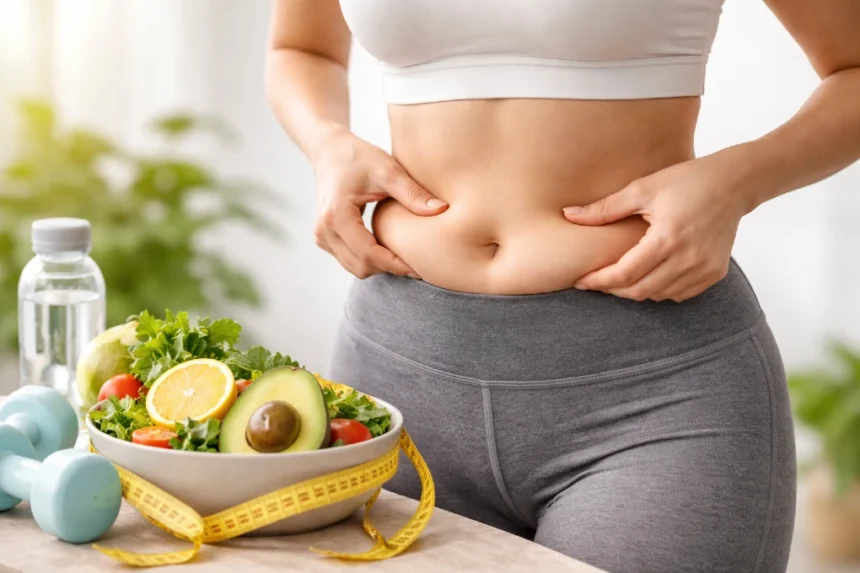
A FUPA is a casual slang term people use to describe fullness or extra tissue in the lower belly and upper pubic area. It is not a formal medical diagnosis. Most of the time, people are talking about a visible bulge in the lower abdomen that may come from:
- Subcutaneous fat under the skin
- Overall abdominal fat gain
- Loose or stretched skin
- Changes after pregnancy
- Weakness or separation in the abdominal wall
- Genetics and natural body shape
So when someone asks, What Is a Fupa, the best answer is this: it is a non-medical term for fat, skin, or fullness concentrated in the lower abdominal area.
That is important because the cause affects the solution. If the issue is mostly body fat, gradual fat loss may help. If it is mostly loose skin, the area may not change much with exercise alone. If pregnancy has stretched the abdominal wall, rebuilding core strength can matter more than endless crunches.
Why This Area Stands Out More Than Others
The body does not store fat evenly. Some people carry more weight in the hips and thighs. Others store it in the stomach. The lower belly is a very common storage area, and it can become especially noticeable because of posture, clothing, water retention, bloating, and how the body is shaped.
According to the Mayo Clinic, belly fat is influenced by age, hormones, and genetics, not just calories alone. The same source also explains that abdominal fat is not all the same. Some is subcutaneous fat under the skin, while some is deeper visceral fat around organs.
That matters because what looks like a FUPA from the outside may involve different layers and different reasons.
Common Causes of a FUPA
1. Weight gain and body fat accumulation
The most obvious reason is overall fat gain. When the body takes in more energy than it uses over time, fat is stored in different places, and the lower abdomen is a common one.
The NHS notes that obesity and weight gain are usually linked to a mix of factors such as eating more than the body needs, moving too little, genetics, certain health conditions, and some medications. You can read more in the NHS overview on obesity and its causes.
2. Genetics
Some people simply store fat in the lower stomach more easily than others. This does not mean they are unhealthy. It means body fat distribution is partly inherited. Two people can weigh the same and look completely different around the midsection.
3. Pregnancy and postpartum changes
Pregnancy can change the abdominal area in lasting ways. The skin stretches. The abdominal wall can weaken. The pelvic area and lower stomach may hold onto softness for months or longer after birth.
The American College of Obstetricians and Gynecologists explains that the postpartum period brings major physical changes, and recovery is not instant. Their resources on after pregnancy and exercise after pregnancy make it clear that rebuilding strength and returning to activity should be gradual and realistic.
4. Hormonal changes and aging
Many adults notice more belly fullness with age, even when their overall weight does not change dramatically. Hormonal shifts can affect where fat is stored. The Mayo Clinic notes that lower estrogen levels can influence fat distribution in women, which is one reason midsection changes become more common over time.
5. Loose skin after weight loss
Sometimes what people call a FUPA is not primarily fat. It may be loose skin left behind after significant weight loss. This can make the lower abdomen still appear full even when body fat has dropped substantially.
6. Weak core and abdominal separation
After pregnancy especially, some people experience abdominal muscle separation, often called diastasis recti. That can change the look of the stomach and make the lower abdomen push forward more than expected. In that case, random ab exercises may not be the smartest starting point. Core rehab and targeted strength work are usually more effective.
Is a FUPA the Same as Belly Fat?
Not exactly.
Belly fat is a broad term. A FUPA usually refers to a very specific lower abdominal area. It is more localized in everyday language, even though the underlying causes overlap.
Here is a simple breakdown:
| Term | What it usually refers to |
|---|---|
| Belly fat | Fat around the abdomen in general |
| Lower belly fat | Fat stored in the lower part of the stomach |
| FUPA | A slang term for fullness or fat in the lower abdomen and upper pubic area |
So if you are wondering What Is a Fupa compared to regular belly fat, think of it as a more specific lower-belly concern rather than a separate medical condition.
Can You Reduce a FUPA Naturally?
Yes, in many cases you can reduce it naturally, but the word to focus on is reduce, not magically erase.
Natural reduction usually comes from improving body composition over time. That means lowering excess body fat, building muscle, improving posture, and supporting skin and core recovery where possible. It rarely happens through one exercise, one tea, one detox, or one viral hack.
The CDC says healthy weight loss is built around a realistic plan that includes eating patterns, regular physical activity, enough sleep, and stress management. Their page on steps for losing weight makes that point clearly.
The Best Natural Ways to Reduce a FUPA
1. Create a sustainable calorie deficit
If extra body fat is the main driver, you need a long-term calorie deficit. That does not mean starving yourself. It means eating in a way that your body can maintain.
A sustainable approach usually includes:
- More lean protein
- More fiber-rich foods
- Fewer ultra-processed snacks
- Less liquid sugar
- Better portion awareness
- Meals you can actually stick with
Crash diets often backfire because they are too extreme. The Mayo Clinic emphasizes lifestyle changes over short-term dieting for lasting results.
2. Prioritize full-body exercise, not spot reduction
This is where many people get frustrated. They do hundreds of crunches and wonder why the lower belly is still there.
The truth is that spot reduction is largely a myth. You cannot force the body to burn fat from one exact area just because you are working that area. Core exercises are still useful, but they strengthen muscles rather than selectively melting lower abdominal fat.
Harvard Health notes that reducing harmful belly fat works better with a mix of diet and exercise, especially aerobic activity and resistance training. Their coverage on belly fat supports combining movement with overall lifestyle changes.
A smart weekly routine often includes:
- Brisk walking, cycling, or cardio 3 to 5 times a week
- Strength training at least 2 times a week
- Core stability work 2 to 3 times a week
- More daily movement overall
The CDC also recommends regular physical activity and muscle-strengthening activity as part of healthy weight management on its page about physical activity and weight.
3. Strengthen your core the right way
Not all core training is equal. If you are postpartum or dealing with abdominal weakness, start with deep core work rather than endless sit-ups.
Good options can include:
- Dead bugs
- Heel slides
- Bird dogs
- Glute bridges
- Modified planks
- Breathing-based core activation
- Pelvic floor-friendly exercises
For postpartum bodies, it is especially important to build stability before intensity.
4. Improve posture
Poor posture can make the lower stomach stick out more. An anterior pelvic tilt, weak glutes, and a weak core can exaggerate the appearance of the lower abdomen.
Posture work will not “burn” fat, but it can improve how the midsection looks and feels. Strengthening the glutes, upper back, and deep core often helps.
5. Manage sleep and stress
This part gets ignored all the time, but it matters. The CDC includes sleep and stress management in healthy weight loss because both can influence hunger, cravings, energy levels, and consistency.
If someone is sleeping five hours a night, stressed all day, skipping meals, and binge eating later, their lower belly frustration is not just about exercise. The whole system needs support.
6. Be honest about loose skin
Sometimes body fat goes down, but the area still looks soft. That can happen after pregnancy or major weight loss. Skin does not always tighten fully, especially if the change was rapid or significant.
Natural habits can improve the area, but they may not completely remove loose skin. That is not failure. It is simply how bodies work.
What Not to Do
A lot of bad advice floats around this topic. Here is what usually does not work well:
- Doing only ab workouts
- Following detox teas or fat-burning gimmicks
- Starving yourself
- Expecting lower belly fat to disappear first
- Comparing your body to edited images online
- Assuming every lower-belly bulge means poor health
This is one reason the search for What Is a Fupa can become emotionally loaded. People are often not just looking for a definition. They are looking for reassurance that they are not broken.
When a FUPA Might Be More Than Fat
Not every lower abdominal bulge is simple fat storage. Sometimes it may be worth getting medical advice, especially if you notice:
- Pain or tenderness
- Sudden swelling
- A lump that feels unusual
- Pelvic symptoms
- Ongoing bloating
- Signs of hernia
- Concerns after surgery or childbirth
The lower abdomen can be affected by many things, and self-diagnosing based on social media is rarely helpful.
Realistic Expectations Matter
Reducing lower abdominal fullness usually takes longer than people expect. The body often loses fat in its own order, not yours. For some people, the face changes first. For others, it is the arms, hips, or upper waist. The lower stomach can be stubborn.
That does not mean progress is not happening.
A realistic timeline often looks like this:
- First few weeks: improved energy, less bloating, better routine
- 1 to 3 months: visible body composition changes may begin
- 3 to 6 months: stronger core, better posture, gradual reduction in lower belly fullness
- Longer term: more meaningful, sustainable change
The key is consistency. Not perfection. Not punishment. Not chasing a body trend.
FAQs About FUPA
Is a FUPA normal?
Yes. Very normal. Many people naturally carry fat or softness in the lower abdomen. It becomes more common with age, pregnancy, weight change, and genetics.
Can exercise alone get rid of a FUPA?
Exercise helps, but on its own it may not be enough if nutrition, sleep, stress, and total daily movement are out of balance. If loose skin is a big factor, exercise may improve the area without fully flattening it.
Are crunches the best solution?
No. Crunches strengthen abdominal muscles, but they do not directly target fat loss in that exact area.
Is a FUPA only something women have?
No. Men can have it too. Fat distribution varies across all bodies.
Can you reduce it without surgery?
In many cases, yes. Natural fat loss, strength training, and core work can make a real difference. But if the issue is mostly loose skin, results may be limited without medical procedures.
Final Thoughts
By now, the answer to What Is a Fupa should feel a lot clearer. It is a casual term for fullness in the lower abdomen and upper pubic area, and it can happen for many reasons. Weight gain is one cause, but it is far from the only one. Pregnancy, hormones, aging, loose skin, genetics, and muscle weakness can all play a role.
The good news is that natural improvement is possible. A balanced eating pattern, regular exercise, smart core training, better sleep, and patience can all help reduce lower abdominal fullness over time. What matters most is taking a realistic view of your body and avoiding the trap of quick fixes.
Bodies change, and lower belly softness is incredibly common. Understanding that makes it easier to focus on health, consistency, and confidence rather than shame. If you want a broader background on body fat, it helps to understand how different types of fat are stored throughout the body and why some areas are more stubborn than others.