


If you’ve ever washed your face, looked in the mirror, and thought, “Why does my skin already feel tight?” you’re not alone. Cleansers do the important job of removing sunscreen, makeup, oil, and daily grime, but they can also leave skin feeling a little “stripped” if your barrier is even slightly stressed.
- What Is PCA Hydrating Toner?
- Why Your Skin Loves a Hydrating Toner After Cleansing
- PCA Hydrating Toner Benefits You Can Actually Feel
- Key Ingredients in PCA Hydrating Toner (and What They Do)
- Who Should Use PCA Hydrating Toner?
- How to Use PCA Hydrating Toner Daily (AM + PM)
- Layering Rules: What Works Well With PCA Hydrating Toner?
- Common Mistakes That Make Any Toner Feel “Meh”
- What Results to Expect (and When)
- PCA Hydrating Toner FAQs
- Final Take: How PCA Hydrating Toner Fits Into a “Real Life” Routine
That’s where PCA Hydrating Toner quietly earns its spot in a routine. It’s not a harsh, stingy toner from the old days. It’s a lightweight, daily-use step designed to hydrate, comfort, and help your skin feel balanced again, while also removing leftover residue after cleansing. The brand positions it as a weightless toner that deeply hydrates and provides antioxidant protection, with benefits like improving moisture retention and lifting away excess dirt, oil, and debris.
Below is a detailed, publish-ready breakdown of what PCA Hydrating Toner does, what’s inside it, who it’s best for, and how to use it daily without overthinking your skincare.
What Is PCA Hydrating Toner?
PCA Hydrating Toner is a water-light facial toner meant to be used right after cleansing. Think of it as the “reset” step: it helps your skin feel comfortable and hydrated, and it can also sweep away the tiny bits of cleanser, makeup, or mineral sunscreen that sometimes linger even when you rinsed well.
Unlike exfoliating toners (the ones built around acids), this one is primarily about hydration plus antioxidant support, which is why it’s commonly recommended for dry, normal, combination, and sensitive skin types.
Why Your Skin Loves a Hydrating Toner After Cleansing
Here’s the simple truth: cleansing is necessary, but it’s also disruptive by nature. Your skin barrier works best when the surface stays slightly acidic and well hydrated, and research reviews commonly describe healthy stratum corneum pH as being in an acidic range (often cited roughly between 4.1 and 5.8).
When skin is dry or irritated, it’s often not because you “need more oil.” It’s because your barrier is missing water, natural moisturizing factors, or lipids, so moisture escapes more easily (that’s the TEWL conversation you see everywhere). Ingredients that support hydration and barrier comfort help you bounce back faster.
That’s the lane PCA Hydrating Toner is designed for.
PCA Hydrating Toner Benefits You Can Actually Feel
Let’s talk practical results. What does PCA Hydrating Toner do in real life, on real skin?
1) Hydration that makes skin feel comfortable, fast
This toner is marketed to “deeply hydrate” while improving moisture retention.
Hydration-focused routines matter because when the barrier is dehydrated, skin tends to look dull and feel rough. Humectants (like glycerin) are widely recognized for supporting stratum corneum hydration.
2) Helps remove leftover residue after cleansing
Even good cleansers can leave traces behind, especially if you wear water-resistant sunscreen or long-wear base makeup. The product’s positioning includes removing excess dirt, oil, and debris.
3) Softer, smoother-looking texture
Hydration changes texture. Skin can look more even simply because dry patches aren’t catching the light the same way. The brand lists “hydrates, softens, and smooths” as a core benefit.
4) Antioxidant support for daily “life stuff”
Pollution, UV exposure, and oxidative stress are part of normal life. PCA highlights antioxidant protection as part of the goal.
This is also why you’ll see fruit extracts and marine extracts featured as key ingredients by major retailers.
5) A gentle option for sensitive-leaning routines
One reason people stick with hydrating toners is comfort: less tightness, less “hot face” feeling after cleansing, and an easier time layering actives.
Key Ingredients in PCA Hydrating Toner (and What They Do)
Brands don’t always show full INCI lists in a way that’s easy to read, but multiple reputable ingredient databases and major retailers consistently highlight the same hero ingredients for this toner, including humectants and antioxidant-rich extracts.
Ingredient spotlight: the “hydration trio” style approach
A retailer summary describes evening primrose oil, glycerin, and sodium PCA working together to hydrate in distinct ways.
That’s a smart formula strategy: combine water-binding ingredients with comforting emollients so hydration feels more “locked in.”
Quick table: what these ingredients bring to the formula
| Ingredient (commonly highlighted) | What it’s known for | Why it matters in daily use |
|---|---|---|
| Glycerin | Classic humectant; supports stratum corneum hydration | Helps skin feel less tight after cleansing |
| Sodium PCA | Part of skin’s natural moisturizing factor (NMF); humectant | Supports a naturally hydrated look and feel |
| Panthenol (Provitamin B5) | Humectant and comfort ingredient; associated with barrier support | Helps calm the “post-cleanse” feeling and supports moisture |
| Evening primrose oil | Rich in omega-6 fatty acids; supports hydration and reduces TEWL (reported in retail summaries) | Helps skin feel cushioned, not just “wet” |
| Watermelon, apple, lentil extracts | Antioxidant-focused blend; supports moisture retention (retailer claims) | Helps support glow and daily environmental defense |
| Jania rubens extract (red seaweed) | Antioxidant-rich marine extract (retailer claims) | Reinforces the “protect + hydrate” positioning |
| Vitamin C (ascorbic acid) | Antioxidant; brightening support | Bonus antioxidant angle in the formula |
A note on “Sodium PCA” and why it’s a big deal
Sodium PCA is an amino-acid derivative that naturally occurs in skin as part of the natural moisturizing factor, and ingredient references commonly describe it as a humectant that helps draw and retain moisture in the upper layers.
Some industry explanations estimate sodium PCA makes up a meaningful portion of NMF, often cited around 12% in educational summaries, which helps explain why it shows up so often in hydration formulas.
Who Should Use PCA Hydrating Toner?
PCA Hydrating Toner is often positioned as best for dry, normal, combination, and sensitive skin.
But here’s the more useful way to decide: base it on how your skin feels after cleansing.
You’ll likely love it if:
- Your skin feels tight or “squeaky” after washing
- Makeup sits weirdly on dry patches
- You use actives (retinoids, exfoliants) and want a softer landing step
- You want hydration without a heavy layer
You might skip it (or use it less often) if:
- You already use a hydrating essence and a hydrating serum and your routine feels crowded
- You prefer the simplest possible routine (cleanser, moisturizer, SPF)
How to Use PCA Hydrating Toner Daily (AM + PM)
Let’s make this easy and repeatable.
Basic daily method
After cleansing:
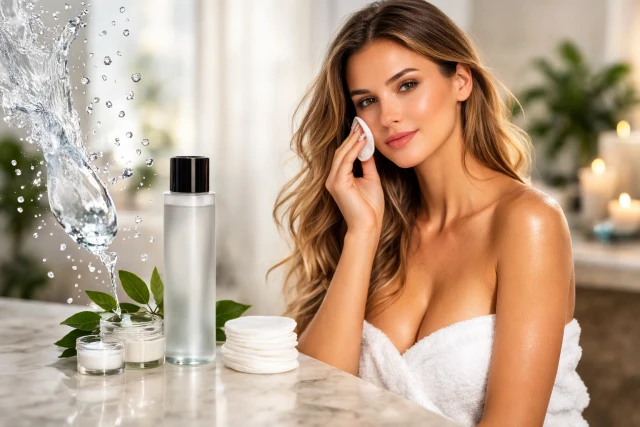
- Apply a small amount of PCA Hydrating Toner to a cotton pad.
- Sweep over face and neck.
- Continue with serum, moisturizer, and (AM) sunscreen.
This application method is directly aligned with major retailer instructions for the product.
Can you use it with your hands instead of cotton?
If you’re trying to be gentle (or you just hate wasting product), pouring a little into clean palms and pressing it into skin is a common approach with hydrating toners. Cotton is helpful when you specifically want the “last trace removal” effect after cleansing.
How often should you use it?
Most people use PCA Hydrating Toner once or twice daily depending on how dry their skin feels, climate, and how active-heavy their routine is. Community routine data commonly shows many users applying it AM and PM.
Real-world routine examples
Morning routine example (simple and effective)
- Cleanser
- PCA Hydrating Toner
- Hydrating serum (optional)
- Moisturizer (optional depending on skin type)
- Sunscreen
Night routine example (barrier-friendly)
- Cleanser
- PCA Hydrating Toner
- Treatment step (retinoid or pigment serum)
- Moisturizer
If you’re using strong actives
On nights you use retinoids or exfoliating acids, PCA Hydrating Toner is the kind of step that can make the routine feel less aggressive because it supports hydration before your treatment goes on.
Layering Rules: What Works Well With PCA Hydrating Toner?
PCA Hydrating Toner is generally considered easy to layer because it’s not positioned as a strong exfoliant. Here’s how it plays with common skincare categories.
Works especially well with:
- Hyaluronic acid products (hydration stacking makes sense; HA’s roles in skin hydration are well described in scientific reviews)
- Niacinamide serums (often used for barrier support and TEWL reduction in skincare science discussions)
- Ceramide moisturizers (great for sealing in the hydrated feel)
Use a little more caution with:
- Strong acids (AHA/BHA) on the same night if your skin is sensitive
- Benzoyl peroxide if you’re already dry or peeling
The toner itself isn’t “the problem” in these combos; it’s more that your skin has a limit, and piling on too many strong steps can push it over.
Common Mistakes That Make Any Toner Feel “Meh”
Even a great formula can feel underwhelming if the basics are off. If you want PCA Hydrating Toner to perform like a hydration step (not just fancy water), avoid these common issues:
- Using too much product: More isn’t better. A small amount is enough.
- Applying on completely dry skin after cleansing: Slightly damp skin can help hydrating layers feel more effective.
- Skipping moisturizer when you actually need it: Humectants draw water, but a moisturizer helps hold it in.
- Over-cleansing: If your cleanser is too stripping, no toner will fully fix that feeling.
What Results to Expect (and When)
Hydration benefits can feel immediate: less tightness, smoother feel, better makeup application.
For glow and overall comfort:
- Many people notice a difference within the first week simply because the routine feels more consistent and less irritating.
- Antioxidant and “overall skin quality” improvements are more gradual, and depend heavily on sunscreen use and the rest of your routine. (Antioxidants are supportive, not magical.)
If you’re expecting the toner alone to erase hyperpigmentation or deep wrinkles, it’s the wrong job description. The real win here is daily, repeatable hydration support.
PCA Hydrating Toner FAQs
Is PCA Hydrating Toner good for acne-prone skin?
It can be, especially if your acne treatments leave you dry. Hydration support can make acne routines more tolerable. The key is to keep the rest of the routine non-comedogenic and avoid over-layering heavy products.
Can I use PCA Hydrating Toner with retinol?
Yes, and many people like that combo because hydration steps can make retinoid routines feel less harsh. If you’re new to retinol, focus on slow introduction and consistent moisturizing.
Will PCA Hydrating Toner shrink pores?
A toner can make pores look smaller short-term because hydrated skin reflects light more evenly and looks smoother. But pore size is largely genetic and influenced by oil production and collagen support. Think “refined look,” not permanent resizing.
Do I still need a moisturizer after PCA Hydrating Toner?
If your skin is oily and you’re in a humid climate, maybe not every morning. For most skin types, yes, especially at night. Hydration plus a moisturizer is usually the combo that looks and feels best.
Can I mist it during the day?
Some retailers mention misting it for immediate hydration or to help set makeup (often by decanting into a spray bottle).
If you do that, treat it like a comfort step, not a substitute for moisturizer or sunscreen.
Final Take: How PCA Hydrating Toner Fits Into a “Real Life” Routine
A good toner is the kind of product you don’t have to negotiate with. You cleanse, you apply it, your skin feels better, and your routine layers more smoothly.
That’s the appeal of PCA Hydrating Toner. It’s built to support hydration with classic humectants and skin-comfort ingredients, while also leaning into antioxidant-focused extracts for everyday environmental stress.
If your skin regularly feels tight after cleansing, or you want a simple hydration step that doesn’t complicate your routine, PCA Hydrating Toner is the kind of daily product that can make everything else you use feel more comfortable. And when your skin feels comfortable, it’s much easier to stay consistent, which is where most skincare results actually come from.
Keeping your routine gentle and hydration-forward also supports the skin’s naturally slightly acidic surface environment, often discussed in relation to the acid mantle, which plays a protective role in overall skin function.