



If you’ve landed here after seeing Masgonzola pop up in a comment thread, a random hashtag, a username, or even a search suggestion, you’re not alone. A big part of what makes Masgonzola interesting is that it feels familiar, almost like it should mean something… but when you try to pin it down, it slips away.
- What is Masgonzola?
- The story behind Masgonzola (what we can actually say with confidence)
- Why Masgonzola started trending
- The truth: Masgonzola is a “meaning container,” not a dictionary term
- The three most common “Masgonzola” interpretations you’ll see online
- How to verify what Masgonzola is in your specific context
- Why “mystery words” like Masgonzola spread so easily
- Masgonzola as a branding concept (and why marketers secretly love this kind of name)
- Common questions people ask about Masgonzola
- Real-world scenarios: how Masgonzola can show up
- How to use Masgonzola safely (and creatively)
- Masgonzola and the bigger picture: what it tells us about the internet
- FAQ
- Conclusion: What Masgonzola really is (in plain terms)
That’s the hook.
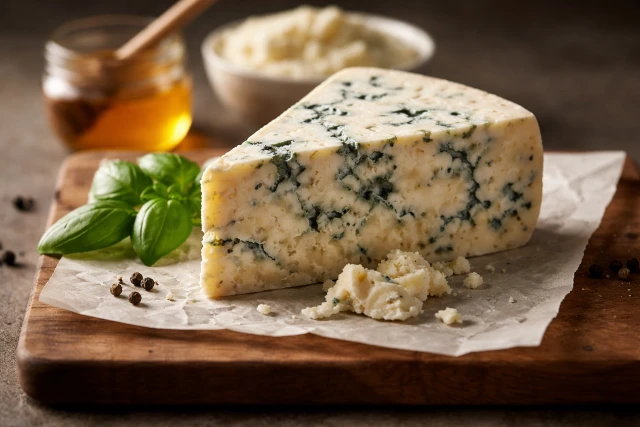
Some people describe Masgonzola as a “new platform.” Others say it’s just a strange internet word that caught fire. A few assume it’s food-related because it sounds like something you’d find on an Italian menu. And plenty of people search it simply because they saw someone else search it.
So what’s true?
This article gives you the full breakdown: where the word likely comes from, why it’s trending, what it might mean in different contexts, and how to separate real information from content that’s just riding the keyword wave.
What is Masgonzola?
Masgonzola is best described as a viral, brandable internet term with no universally accepted definition. In other words, it’s a word that behaves like a trend: people reuse it, remix it, attach their own meanings to it, and spread it across platforms, even if it didn’t start with a clear “official” purpose.
That may sound unusual, but it’s not rare online.
Digital culture constantly produces terms that gain momentum through repetition, curiosity, and algorithmic amplification. Researchers who study memes and digital culture have written for years about how internet-native content spreads person-to-person and shifts meaning as it travels.
The story behind Masgonzola (what we can actually say with confidence)
Let’s be honest: there’s no single verified origin story publicly recognized as the source of Masgonzola. If you read ten different pages about it, you’ll often see ten different “explanations,” and many of them recycle the same vague phrases.
Here’s what’s more reliable:
- The word looks and sounds like it borrows from familiar language patterns (especially food and Italian-sounding words).
- It appears to have spread primarily through online mentions, usernames/handles, and curiosity-driven searches.
- Its growth fits a known pattern: a term shows up, people ask “what is that,” searches spike, and the spike itself creates more visibility.
That last point matters because search trend tools don’t reflect “absolute truth,” they reflect public interest. Google itself explains that Google Trends data is based on samples and is normalized, and it also filters certain types of searches.
So if Masgonzola looks “big” in search data, that doesn’t automatically mean it’s a company, a product, or a movement. It can also mean: people are curious.
Why Masgonzola started trending
A word like Masgonzola has three things that the internet loves:
1) It feels familiar without being familiar
Masgonzola has that “I’ve heard this before” vibe, even if you haven’t. Linguistically, it has a smooth rhythm and recognizable chunks that resemble real words. That makes it sticky.
2) It triggers curiosity on sight
Curiosity is fuel. The moment someone sees Masgonzola with no context, the brain asks:
- Is this a brand?
- A meme?
- A creator’s name?
- A game thing?
- A new app?
- A typo?
Curiosity sends people to search. Search volume sends signals. Signals can create even more distribution.
3) Platforms reward what gets engagement
Modern platforms often amplify what people watch, comment on, and share. Viral slang and viral nonsense both benefit from this feedback loop, because confusion creates comments, and comments create reach.
The truth: Masgonzola is a “meaning container,” not a dictionary term
This is the most useful way to think about it:
Masgonzola functions like a container that people pour meaning into. That’s why you’ll see it used in different ways in different places. In one community it might be a joke. In another it might be an aesthetic label. Somewhere else it might be a username that got attention.
Internet culture has a long history of turning weird fragments into shared language, especially when the fragments are flexible and remixable.
The three most common “Masgonzola” interpretations you’ll see online
Below is a practical breakdown of how Masgonzola is typically framed, plus how much evidence you should assume is behind each claim.
| Interpretation of “Masgonzola” | Where you’ll see it | Reality check |
|---|---|---|
| A viral nonsense word / meme term | TikTok comments, meme pages, random threads | Most consistent with how the term spreads and how people search it |
| A username or online identity | Handles, profiles, repost chains | Very plausible: one account can trigger many searches |
| A platform/tool/product | Blog posts, SEO pages, “review” style content | Treat cautiously unless you can confirm a real official site, documentation, or reputable coverage |
If a page confidently claims “Masgonzola is a platform that does X,” but can’t show:
- a verifiable official domain,
- clear ownership/company information,
- real product documentation,
- reputable third-party reporting,
then it may simply be content written to capture traffic.
That doesn’t mean every claim is false. It means you should verify before believing.
How to verify what Masgonzola is in your specific context
This is where most articles fail people. They talk about “what it means” in general, but what you really need is: what does it mean where I saw it?
Use this quick process.
Step 1: Identify the source context
Ask yourself:
- Did you see it in a caption, a comment, or a profile?
- Was it used like a noun, a label, or a joke?
- Was it attached to a link?
Context usually answers 70% of the mystery.
Step 2: Search smart (not just once)
Instead of searching only “Masgonzola,” try:
- “Masgonzola + TikTok”
- “Masgonzola + username”
- “Masgonzola + meaning”
- “Masgonzola + website”
- “Masgonzola + scam” (yes, do it)
If a legitimate product exists, you’ll usually find consistent signals across multiple sources.
Step 3: Check whether the information is circular
Circular info looks like this:
- Ten articles repeating the same paragraph structure
- No original sources
- No screenshots, no docs, no official announcements
- Vague “features” that could describe anything
When you see that pattern, you’re looking at SEO echo, not independent confirmation.
Step 4: Use Google Trends carefully
Google Trends can help you see whether interest spiked and when, but remember: it reflects relative popularity, not “truth.” Google also notes that Trends uses samples and removes repeated searches from the same user in a short time.
Why “mystery words” like Masgonzola spread so easily
To understand Masgonzola, it helps to understand the psychology of virality.
People share things for a mix of reasons: humor, identity, belonging, novelty, and emotion. Research on virality and digital sharing repeatedly points to the role of emotional and cognitive triggers in what spreads.
A word like Masgonzola can check several boxes at once:
- Novelty: it’s new, odd, unexpected
- Low effort: easy to comment, easy to repost
- Identity play: people like using inside-joke language
- Curiosity bait: prompts “what is that?” questions
And because it isn’t locked to one definition, it can travel across communities without needing translation.
Masgonzola as a branding concept (and why marketers secretly love this kind of name)
Here’s a twist: even if Masgonzola started as nonsense, that doesn’t make it useless. In branding, “non-semantic” or made-up names can work extremely well if the story and product experience back them up.
A business school analysis recently pointed out that nonsense names can be effective because they spark curiosity, but they also require follow-through so customers don’t feel misled or confused.
So if you’re a creator, developer, or entrepreneur, Masgonzola is a real case study in how:
- a name can be memorable without literal meaning,
- curiosity can drive traffic,
- and “what is this?” can be a powerful first step in discovery.
The caution
Not every weird name performs well. Research summarized by Ohio State suggests consumers often react negatively to intentionally misspelled brand names that mimic real words with “wrong” spelling. The point is not “never do it,” but “test it carefully.”
Masgonzola is interesting because it doesn’t feel like a simple misspelling. It feels like a fresh coinage. That can make it feel more “ownable.”
Common questions people ask about Masgonzola
Is Masgonzola a real word?
Not in the dictionary sense. It’s better understood as an internet term that people reuse and reinterpret as it spreads.
Is Masgonzola a product or app?
It might be used as a product name in some corners of the web, but many “product claims” you’ll find are not supported by strong independent evidence. Verify using official documentation and reputable third-party sources before treating it as a real tool.
Why does Masgonzola show up in search trends?
Because online attention is contagious. A small burst of mentions can create curiosity searches, and curiosity searches can create more visibility. Google Trends can show this pattern, but the tool measures interest, not legitimacy.
Is Masgonzola a scam?
The word itself is not a scam. But any trending keyword can be used by bad actors to bait clicks. If you see Masgonzola used with downloads, “limited offer” pages, or suspicious links, treat it like any other unknown: verify first.
Real-world scenarios: how Masgonzola can show up
Here are a few realistic ways readers run into it, and what to do next.
Scenario A: You saw “Masgonzola” as a username
What’s likely happening:
- A creator used the name
- A post went viral
- People searched the name out of curiosity
What you should do:
- Check the profile’s history
- Look for platform verification or consistent identity signals
- Avoid clicking external links until you’re sure the account is legitimate
Scenario B: You saw it in meme comments
What’s likely happening:
- People are using Masgonzola as a “vibe word” (like a label for chaos, weirdness, or a surreal mood)
What you should do:
- Nothing serious needed
- If you’re curious, search the term with the platform name to find the original thread or clip that sparked it
Scenario C: You saw an article claiming it’s a platform
What’s likely happening:
- Some content is created around trending keywords to attract traffic
- The “platform” description may be generic
What you should do:
- Look for an official domain and real documentation
- Check whether reputable tech outlets or developer communities mention it
- If you can’t confirm, don’t treat it as a real tool
How to use Masgonzola safely (and creatively)
If Masgonzola is “open meaning,” you can treat it as a creative prompt without getting tricked by hype.
Safe ways to interact with the trend
- Use it as a playful caption or inside joke with your audience
- Treat it as a naming exercise (domain brainstorming, product naming practice)
- Use it as a case study in trend research: track when interest rises and where it clusters
Safety checks if links or downloads are involved
- Avoid downloading anything tied to a random trending keyword
- Check domain age and ownership signals where possible
- Search the domain name plus “review,” “scam,” or “malware”
- If a page is pushing urgency (limited time, must act now), that’s a red flag
Masgonzola and the bigger picture: what it tells us about the internet
Masgonzola is not just a weird word. It’s a snapshot of modern online behavior.
It shows how:
- language evolves faster online than offline,
- algorithmic environments amplify novelty,
- and curiosity can create its own momentum.
It also highlights why we need basic “verification habits” online. Not everything that trends is meaningful, and not everything that’s meaningful trends.
In a way, Masgonzola is a reminder that the internet doesn’t only spread information. It spreads attention.
FAQ
What does Masgonzola mean?
Masgonzola has no universally accepted meaning. It’s mainly used as a viral internet term that people reinterpret based on context.
Why is Masgonzola trending?
Because curiosity spreads. People see the word, search it, and those searches help the word appear more widely in trend signals.
Is Masgonzola an app or platform?
Some pages claim it is, but many claims are not supported by strong evidence. Look for official documentation and reputable third-party coverage before trusting it.
How can I check if Masgonzola is linked to something legitimate?
Start with context, search across multiple sources, check whether information is circular, and use trend tools as supporting evidence rather than proof.
Can I use Masgonzola as a brand name?
You can, but remember: made-up names work best when you reward curiosity with clear messaging and a real product story.
Conclusion: What Masgonzola really is (in plain terms)
Masgonzola is a trending, flexible internet term that became popular because it sparks curiosity and can be used in many contexts. There is no single official definition, and that’s part of the appeal.
If you want the truth without the fluff:
- Treat Masgonzola as a viral label, not a verified entity.
- Use context to understand what it means where you saw it.
- Verify any “product” claims before trusting links or downloads.
- If you’re a creator or marketer, study it as a live example of how brandable nonsense can capture attention, for better or worse.
And yes, it probably sounds food-related for a reason. That “Italian cheese” familiarity is part of what makes it memorable. If you’re curious about how that flavor of naming shows up in real cuisine, a quick read on blue cheese.