
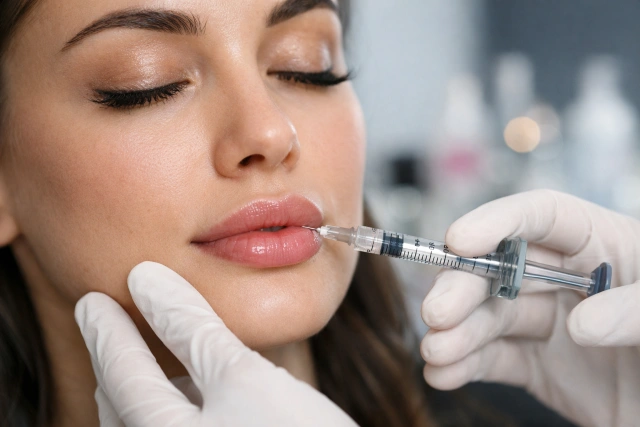
Typing “Lip Fillers Near Me” into Google can feel exciting and overwhelming at the same time. One minute you’re scrolling through gorgeous before-and-after photos, and the next you’re wondering: Who is actually qualified to inject my lips, and how do I avoid ending up with lumps, unevenness, or that overfilled “duck” look?
- What lip fillers actually are (and why injector choice matters)
- Lip Fillers Near Me: the “right injector” checklist (start here)
- Who can inject? A simple comparison table
- The most common ways people end up with “bad lip filler”
- Questions to ask at your consultation
- Real risks, explained without panic
- Red flags when searching Lip Fillers Near Me
- A realistic “good results” plan (what skilled injectors do)
- What to expect after your appointment
- Scenario: two clinics, same filler, totally different outcome
- FAQ: quick answers people want when they search Lip Fillers Near Me
- Conclusion: make “Lip Fillers Near Me” a safety search, not a price search
Here’s the truth: lip filler can look soft, balanced, and beautifully natural, but the result depends far more on the injector than the syringe. Hyaluronic acid (HA) fillers are popular and widely used, with millions of treatments performed in the U.S. each year. But popularity also means more providers, more ads, and more confusing choices. And while most people do fine, serious complications can happen when technique, anatomy knowledge, and safety protocols are weak.
This guide is designed to help you search Lip Fillers Near Me with a smarter filter, so you can choose the right injector, understand real risks, and protect your face and your wallet.
What lip fillers actually are (and why injector choice matters)
Most modern lip augmentation is done with hyaluronic acid-based dermal fillers. These are FDA-regulated medical device implants used to create fullness and shape in specific areas. In skilled hands, HA fillers can add subtle volume, define the lip border, improve symmetry, and support the corners of the mouth.
But the lips are not a “simple” area. They are highly vascular, constantly moving, and very visible. Small technique errors show up fast: uneven swelling can become uneven shape, too much filler can distort your lip line, and poor product placement can create lumps or migration.
The biggest reason injector choice matters is safety. Most side effects are mild and temporary (swelling, bruising, tenderness), usually improving within 1 to 2 weeks. Rarely, filler can block a blood vessel (vascular occlusion), which can lead to skin injury and, in very rare situations, vision-threatening complications when vessels around the eye are involved.
So when you search “Lip Fillers Near Me”, you’re not just shopping for a price. You’re choosing the person who will be working millimeters away from structures that can affect your appearance and, in rare cases, your health.
Lip Fillers Near Me: the “right injector” checklist (start here)
When people get bad results, it’s usually not because filler is “bad”. It’s because the plan, the technique, or the provider wasn’t right for them. Use this checklist before you book.
Must-have qualifications
Look for an injector who can clearly answer these, without getting defensive:
- What is your medical license and clinical role?
- How long have you been injecting lip filler specifically?
- How often do you inject lips (weekly, daily, occasionally)?
- What complications training have you had, and what is your protocol if something goes wrong?
- Do you use an HA filler that can be dissolved if needed (hyaluronidase availability and plan)?
A solid injector will treat these questions as normal. Because they are.
Must-have safety setup
When searching “Lip Fillers Near Me”, put extra weight on clinics that show real medical standards:
- A clean clinical environment (not a “back room” setup)
- Proper patient consent forms and medical screening
- Clear aftercare instructions you receive in writing
- Emergency readiness for rare complications (including vascular occlusion response plan)
The American Society for Dermatologic Surgery (ASDS) notes that while serious events are rare, they can include vascular occlusion and vision-threatening outcomes, so prevention and early response matter.
Who can inject? A simple comparison table
Not all injectors have the same training background. Titles and marketing can make it confusing, so here’s a practical way to compare typical paths. (Local laws vary, but the principles still help you evaluate.)
| Provider type | Typical strengths | What to verify before booking |
|---|---|---|
| Board-certified plastic surgeon | Deep facial anatomy and surgical training; handles complex cases | Do they personally inject, or delegate? Lip-specific portfolio and approach |
| Board-certified dermatologist | Skin and facial anatomy expertise; strong complication management culture | Lip experience, product choices, complication protocol |
| ENT / facial plastic surgeon | Face-focused anatomy and procedure training | Lip filler frequency and before-after consistency |
| Registered nurse / nurse practitioner / physician assistant (working in aesthetics) | Can be excellent with strong mentorship and high volume | Who trained them, clinic oversight, how they manage complications, years injecting lips |
The goal is not to pick a “label”. It’s to pick the person whose training, experience, and process match the risk level of injecting a high-visibility area.
The most common ways people end up with “bad lip filler”
When you search “Lip Fillers Near Me”, you’ll see a lot of dramatic transformations. Bad results usually come from predictable patterns.
1) Chasing a trend instead of your face
A lip style that looks great on one person can look heavy or unnatural on another. The best injectors start with facial proportions, profile balance, and your natural lip movement.
2) Too much, too fast
Overfilling is often the result of doing too much in one appointment. A skilled injector will suggest a “build” plan: small amount now, reassess after healing, then adjust.
3) Poor product placement
Lumps, ridges, and unevenness often come from placing filler in the wrong layer or wrong zone of the lip.
4) Bargain shopping without safety screening
Low prices sometimes mean shortcuts: rushed consults, unclear product sourcing, less follow-up, or limited ability to handle complications.
5) Injecting in high-risk environments
DIY injection devices and unregulated approaches are not worth it. Regulatory bodies have warned about serious risks when filler is injected improperly or with unapproved devices.
Questions to ask at your consultation
If your “Lip Fillers Near Me” search leads you to a consultation, bring these questions. They’re simple, but they reveal everything.
About experience and results
- How many lip filler treatments do you do per week?
- Can I see before-and-after photos of patients with lips similar to mine?
- What style do you specialize in (subtle hydration, definition, volume, asymmetry correction)?
- What’s your plan to keep results natural with my lip shape?
About product and technique
- Which HA filler do you recommend for me, and why?
- Do you use a needle, a cannula, or both for lips?
- How do you reduce bruising and swelling?
- How do you avoid lumps and migration?
About safety and complications
- What are the warning signs of vascular occlusion?
- What is your step-by-step protocol if a complication happens?
- Do you stock hyaluronidase on-site?
- How quickly can I reach you after treatment if I’m worried?
A confident injector should be able to explain risks without scaring you and without minimizing them.
Real risks, explained without panic
Most patients experience temporary swelling, tenderness, redness, and bruising. Evidence-based guidance notes these are common and typically resolve within about 1 to 2 weeks.
The rare risk that matters most in screening is vascular occlusion. In published medical discussions, estimates for vascular adverse events have been cited in the range of about 1 in 2,000 to 1 in 10,000 injections, though exact rates are hard to calculate and likely underreported.
That’s why a safe provider focuses on prevention:
- Using anatomy knowledge and conservative technique
- Injecting slowly with small amounts
- Avoiding unnecessary high-risk approaches
- Having a clear response plan if something looks off
If your “Lip Fillers Near Me” options include someone who says complications “never happen”, treat that as a red flag. Professionals know rare events exist, and they prepare for them.
Red flags when searching Lip Fillers Near Me
Here’s what should make you pause, even if the clinic has flashy Instagram content.
Clinic red flags
- No consultation, or consult is rushed to “sell” you
- They won’t tell you the exact product brand
- They won’t show you the box or discuss sourcing
- No medical history questions (blood thinners, autoimmune issues, pregnancy, allergies)
- No clear aftercare or follow-up pathway
Injector red flags
- Dismisses concerns about swelling, bruising, or vascular occlusion
- Pushes big volume immediately (“You need 2 ml today”)
- No consistent lip portfolio, only filtered photos
- Cannot explain their technique in plain language
- Uses pressure tactics (“discount ends in 30 minutes”)
Pricing red flags
Price shopping is normal. But if one provider is dramatically cheaper than everyone else in your “Lip Fillers Near Me” results, ask why. Lower cost can be legitimate, but it can also signal:
- Inexperienced injector building a portfolio
- Shortcuts in consult time and follow-up
- Questionable product sourcing
A realistic “good results” plan (what skilled injectors do)
If you want natural-looking lips, the best approach is usually structured and conservative.
Step 1: Define your goal in one sentence
Examples:
- “I want my lips to look like mine, just a little more hydrated.”
- “I want slightly more definition in the top lip.”
- “I want better symmetry when I smile.”
Step 2: Start small
For many first-timers, “less now, adjust later” prevents overfilling and lets swelling settle before decisions are made.
Step 3: Balance shape, not just size
A skilled injector often focuses on:
- Subtle border definition
- Supporting the corners (if needed)
- Avoiding heavy filler in the center that can look unnatural
Step 4: Plan for maintenance, not constant upsizing
Most HA filler results fade over time. A safe injector will discuss touch-up timing and how to avoid the cycle of adding more and more product each year.
What to expect after your appointment
When people search “Lip Fillers Near Me”, they often assume they’ll walk out with final results immediately. In reality, lips change a lot during healing.
Typical timeline
- Day 1 to 3: swelling peaks, lips can look larger than planned
- Day 4 to 7: swelling reduces; shape starts to look more “you”
- Week 2: closer to final appearance for most people
ASDS guidance highlights that common injection-site reactions generally settle within about 1 to 2 weeks.
Aftercare basics (the boring stuff that helps)
Follow your injector’s instructions first. Common guidance often includes:
- Avoid heavy pressure on lips early (aggressive kissing, strong lip massages unless instructed)
- Skip intense workouts for a short period if advised (heat and blood flow can worsen swelling)
- Avoid alcohol right after if bruising is a concern
- Take photos in natural light at day 1, day 4, and day 14 so you can assess changes objectively
If you’re worried after treatment, contact the clinic. Do not try to “fix” things yourself.
Scenario: two clinics, same filler, totally different outcome
Imagine you search “Lip Fillers Near Me” and find two options.
Clinic A:
- Offers a quick appointment, minimal consultation
- Promises “no swelling” and pushes a full syringe immediately
- Shows heavily edited photos
Clinic B:
- Asks about your goals, medical history, and past reactions
- Shows natural light photos of similar lip shapes
- Recommends a smaller first session and a review visit
- Explains rare risks and how they respond
Both might use the same HA filler. But Clinic B is far more likely to deliver results that look natural and stay safe, because their process is designed to prevent problems.
FAQ: quick answers people want when they search Lip Fillers Near Me
How do I know if an injector is actually good at lips?
Look for consistent before-and-after results on different face types, not just one “signature look.” Ask how often they inject lips, what their complication protocol is, and what they recommend for your specific anatomy.
What’s the number one reason lip filler looks fake?
Usually too much volume too fast, or poor placement that distorts the lip border. A staged approach and conservative technique help prevent this.
Are serious complications real or just internet fear?
They’re real, but rare. Professional guidance describes vascular occlusion and even vision-threatening events as uncommon but serious, which is why training and preparedness matter.
Is it safer to choose hyaluronic acid filler?
HA fillers are common and can often be dissolved with hyaluronidase when appropriate, which is one reason many injectors prefer them for lips. Dermal fillers are regulated medical devices, so product quality and proper use matter.
Conclusion: make “Lip Fillers Near Me” a safety search, not a price search
A good outcome is not luck. It’s the result of a thoughtful plan, precise technique, and a provider who takes safety seriously. If you remember only one thing from this guide, let it be this: when you search “Lip Fillers Near Me”, you are choosing a medical aesthetic procedure, not a beauty impulse buy.
Take your time. Ask direct questions. Look for consistent results, not viral transformations. Choose an injector who can explain risks clearly, show you real examples, and create a plan that fits your face, not a trend.
In the last step, keep expectations realistic: healing takes time, subtle often looks best, and a conservative approach ages better. And if you want to understand why HA fillers feel so natural in tissue, the science behind hyaluronic acid is genuinely interesting.