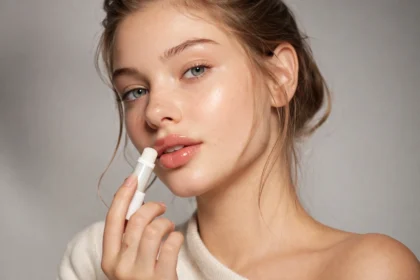

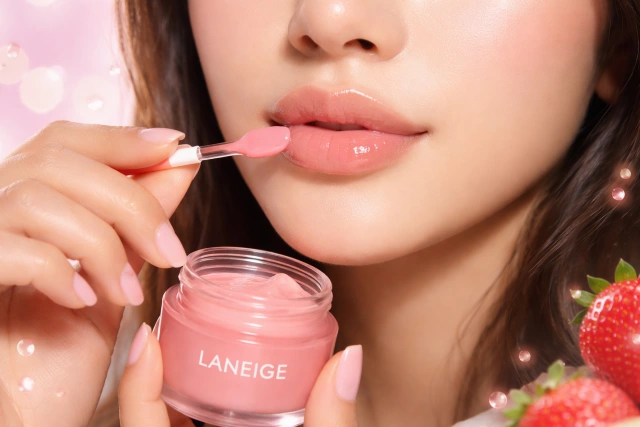
If you have ever woken up with tight, flaky lips and thought, “How are they this dry when I drank water yesterday?” you are not alone. Lips lose moisture fast because the skin there is thinner and has fewer oil glands than the rest of your face. That is exactly why products like Laneige Lip Mask have become a staple for people who want softer lips that look naturally fuller, healthier, and smoother.
- What the Laneige Lip Mask actually does
- Best time to use Laneige Lip Mask for plump, smooth looking lips
- A practical schedule that works for most people
- How much should you apply?
- Common mistakes that stop it from working
- Best time by situation (quick reference table)
- Who will see the biggest difference?
- How to layer it with other lip products
- Real-world scenarios you probably relate to
- FAQ
- Conclusion
But timing matters more than most people think. Use it at the right moment and you get that cushiony, plump look with less peeling. Use it at the wrong moment and it can feel like it just sits on top, especially if your lips are already rough or irritated. Let’s break down the best time to use it, how to fit it into real life, and how to get results without overthinking your routine.
What the Laneige Lip Mask actually does
A “lip sleeping mask” is basically an intensive moisture wrap. Instead of acting like a quick, lightweight balm, it is designed to stay on longer, reduce water loss, and keep lips comfortable while they recover.
Here is the simple way to think about it:
- Humectants pull moisture toward the surface of the skin
- Emollients smooth and soften rough texture
- Occlusives form a seal to slow down moisture loss
That last part is key. Transepidermal water loss (TEWL) is the fancy term for water evaporating from your skin. Dermatology literature notes that occlusive moisturizers can significantly reduce TEWL, helping the barrier hold onto water better.
So while the product name says “sleeping,” the real benefit is not the clock. It is the situation: when your lips are most likely to lose moisture or need recovery.
Best time to use Laneige Lip Mask for plump, smooth looking lips
1) The number one best time: right before bed
If you do nothing else, do this.
Night is when you can wear a thicker layer without worrying about talking, eating, or reapplying every hour. A lip mask works best when it can sit undisturbed long enough to soften flakes and reduce tightness. Also, since TEWL can be higher in the evening and night, a sealing step is logically well placed here.
How to do it (simple and effective):
- Brush teeth first (to avoid minty toothpaste residue mixing with product).
- Rinse lips with water and pat until slightly damp.
- Apply a thin, even layer.
- Add a slightly thicker layer only on the driest spots.
What you should notice:
- Lips feel less tight in the morning
- Less flaking during lipstick application
- Softer lip lines, which helps create a plumper look without overlining
This is the easiest way to make Laneige Lip Mask actually feel worth it.
2) The best “quick fix” time: 20 to 30 minutes before makeup
This is the secret timing for people who hate how lipstick clings to dry patches.
If you apply Laneige Lip Mask right before lipstick and do not remove it properly, makeup can slide. But if you apply it earlier, then blot, you get a smooth base that looks naturally fuller.
Try this routine:
- Apply a light layer while you do skincare and hair
- After 20 to 30 minutes, gently blot with a tissue
- Add lip liner or lipstick
Why it works:
Softened lips reflect light better and look smoother, which visually reads as “plumper.” This is not filler-plump. It is healthy, hydrated-plump.
3) The best “maintenance” time: after a shower, when lips are warm and slightly damp
Warm water and steam can temporarily soften skin. When you step out of the shower, your lips are often more receptive to hydration, as long as you seal it in soon.
This is a great time for a thin layer if:
- your lips peel in the morning
- you are in a dry climate or winter season
- you want daytime comfort without constant reapplication
Think of this as prevention, not repair.
4) The best “recovery” time: after gentle exfoliation, but only when you do it correctly
Exfoliation can help remove loose flakes, but aggressive scrubbing can make lips worse. Your goal is to remove only what is already lifting, not to sand your lips.
Safe exfoliation options:
- A damp washcloth, very gentle pressure, 10 seconds
- A soft toothbrush, feather-light, a few strokes
- A mild lip exfoliant used occasionally, not daily
Right after, your lips can lose moisture faster if you leave them bare. This is where Laneige Lip Mask can help by smoothing and sealing.
Important: If your lips are cracked, bleeding, or stinging, skip exfoliation and focus on soothing barrier support.
5) The best “damage control” time: before and during travel
Planes, long road trips with AC, and cold outdoor air all dry lips out fast. If you apply a protective layer before travel, you reduce the chance of that painful chapped feeling later.
For travel days, use:
- a thin layer before leaving
- another thin layer mid-flight or mid-trip if needed
- a normal bedtime layer at night
You can treat it as a comfort product, not just a sleeping product.
A practical schedule that works for most people
You do not need a complicated routine. Here are three simple schedules based on how dry your lips are.
If your lips are mildly dry
- Night: thin layer before bed
- Day: lip balm as needed
If your lips are chronically dry or peel often
- Night: normal layer before bed
- Morning: 20 minute pre-makeup layer, then blot
- Optional: thin layer after shower on non-makeup days
If your lips get dry seasonally (winter, AC, travel)
- Night: nightly during the dry season
- Day: thin layer before going outdoors or flying
Consistency beats intensity. One good nightly habit usually outperforms random heavy layers.
How much should you apply?
Most people use too much, then complain it feels sticky.
Use this rule:
- Thin layer for daytime prep or comfort
- Medium layer for normal overnight use
- Targeted thicker layer only on the driest patches
If you can see a big glossy mound sitting on your lips, you probably applied more than you need.
Common mistakes that stop it from working
Mistake 1: Applying it to bone-dry lips
Humectants perform better when there is moisture available. A little water on the lips first can improve the feel. This is the same logic often shared in skincare guidance around humectants like hyaluronic acid, which attract and hold water at the surface.
Mistake 2: Using it only when lips are already a disaster
When lips are already cracking, you are doing repair mode. You will still benefit, but results are slower. Regular use prevents the bad cycle.
Mistake 3: Over-exfoliating
If your lips always peel, it is tempting to scrub daily. That can worsen irritation and increase sensitivity. Use gentle removal only when needed.
Mistake 4: Licking your lips all day
Saliva evaporates quickly and can leave lips drier. If you do this unconsciously, you might feel like nothing works when the real issue is constant moisture loss.
Mistake 5: Mixing it with irritating actives
Avoid getting strong acids, retinoids, or fragranced products on the lip line unless they are specifically formulated for lips. Irritation around the mouth can mimic dryness.
Best time by situation (quick reference table)
| Situation | Best time to apply | Layer size | What to do after |
|---|---|---|---|
| Overnight repair | Right before bed | Medium | Leave it on |
| Lipstick prep | 20 to 30 minutes before makeup | Thin | Blot, then apply lipstick |
| Post-shower softness | Immediately after shower | Thin | Leave it or top with balm |
| After gentle exfoliation | Right after exfoliation | Medium | Avoid licking lips |
| Travel and dry air | Before leaving, then as needed | Thin | Reapply lightly if tight |
Who will see the biggest difference?
You will likely love it if:
- your lips peel under lipstick
- you wake up with tight lips
- you live in a cold or dry climate
- you spend time in AC or on flights
- you want a smoother, fuller look without lip plumping tingles
You may need extra help beyond a cosmetic product if you have:
- persistent cracking at the corners of the mouth
- burning, rash-like irritation
- recurring swelling or flares
In those cases, check with a dermatologist, because irritation can be allergic contact dermatitis or cheilitis rather than simple dryness.
How to layer it with other lip products
If you want maximum smoothness and that plump-looking finish, layering matters.
Night layering (simple)
- Damp lips
- Apply Laneige Lip Mask
- Do not add anything on top unless you truly need extra occlusion
Day layering (makeup days)
- Apply Laneige Lip Mask
- Wait 20 to 30 minutes
- Blot
- Apply lip liner and lipstick
- Optional: dab a tiny bit of balm at the center if your lipstick is matte
Day layering (no makeup)
- Thin layer for comfort
- If you are outside in sun, add a lip SPF on top or use SPF separately because UV exposure can worsen dryness over time
Real-world scenarios you probably relate to
Scenario 1: “My lipstick always looks cracked by lunchtime”
Your fix is timing, not a new lipstick.
- Use the Laneige Lip Mask 20 to 30 minutes before makeup
- Blot well
- Choose a lipstick formula that is not ultra-drying
This smooths flakes so the lipstick sits evenly and looks fuller.
Scenario 2: “My lips are fine all day, then suddenly peel at night”
This often happens in dry indoor air or after salty, spicy meals and lots of talking. Night is when you lock in comfort.
- Apply right before bed
- Keep water by your bedside if you wake up thirsty
Since barrier function can vary by time of day, a consistent nighttime seal can reduce that end-of-day dryness pattern.
Scenario 3: “I travel and my lips get wrecked”
Airplane cabins and hotel AC can dry lips out fast.
- Thin layer before travel
- Reapply lightly during travel
- Normal overnight layer at bedtime
This is one of the most noticeable use cases for a Laneige Lip Mask.
FAQ
How often should I use Laneige Lip Mask?
Most people do best with nightly use during dry seasons, then 2 to 4 nights per week once lips feel stable. If your lips are very dry, nightly use is fine.
Can I use it during the day?
Yes. The key is using a thin layer and blotting if you plan to wear lipstick. If you want comfort only, you can leave a light layer on.
Does it make lips look bigger?
It can make lips look smoother and more cushiony because hydrated skin reflects light better and fine lines appear softer. That creates a naturally plump look, even without a tingling plumper.
What is the best time to apply it for the most visible results?
Right before bed is the best time for visible smoothing by morning. If you want a quick appearance boost, apply it 20 to 30 minutes before lipstick, then blot.
Why do my lips still feel dry even after using it?
Common reasons include frequent lip licking, harsh exfoliation, very dry indoor air, or irritation from toothpaste or fragranced products. If dryness is persistent with burning or cracking, it may be a condition that needs medical advice.
Conclusion
If you want smoother, plump-looking lips that feel comfortable and look better with or without lipstick, timing is your best friend. Use Laneige Lip Mask right before bed for the most consistent results, and treat it like a short prep step 20 to 30 minutes before makeup when you want your lips to look especially smooth. Add it after a shower, after gentle exfoliation, or before travel when dryness is predictable. These small timing choices work with how skin loses moisture through the day and night, including known daily variation in TEWL.
Over time, the goal is not just soft lips tomorrow morning. It is fewer “lip emergencies” and more days where your lips naturally look healthy, even before you put anything on them. Keep the routine simple, stay consistent, and respect your skin’s natural circadian rhythm when you decide when to repair and when to maintain.