
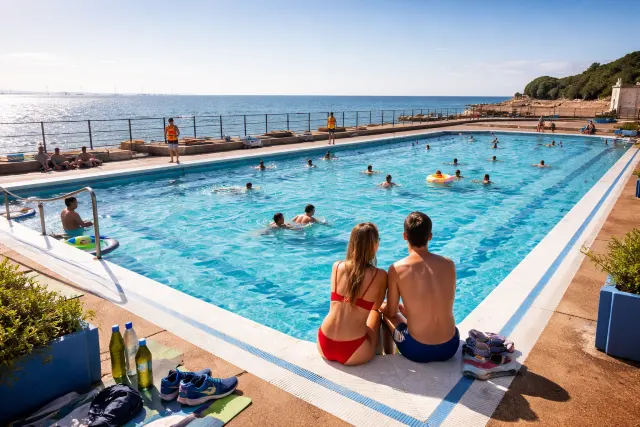
If you’ve ever promised yourself you’d “get back into swimming” and then talked yourself out of it because it felt like too much effort, you’re not alone. The good news is that some pools make it genuinely easy to show up, enjoy the water, and leave feeling better than when you walked in. Guinea Gap Baths is one of those places.
- What is Guinea Gap Baths?
- Why swimmers love Guinea Gap Baths
- Why families keep coming back
- Health and fitness benefits that actually matter
- What to expect when you visit Guinea Gap Baths
- A simple swim plan for real life
- Tips that make your visit smoother
- Staying safe in the water
- Common questions people ask about Guinea Gap Baths
- A quick comparison table to choose your swim style
- Real world scenario: how locals make it a habit
- Conclusion: Why Guinea Gap Baths deserves its local reputation
Tucked inside Guinea Gap Leisure Centre in Wallasey (Wirral), this facility has become a go to option for lane swimmers, families looking for a fun splash session, and people who want a joint friendly workout that doesn’t feel like punishment. According to the NHS service listing, Guinea Gap Baths has two pools: a leisure pool and a 25 metre training pool which is exactly the kind of setup that keeps everyone happy in the same building.
In this guide, we’ll walk through what makes the place special, what to expect on your first visit, how to plan sessions for fitness or family time, and the little tips that regulars quietly rely on.
What is Guinea Gap Baths?
Guinea Gap Baths is the local name many people use for the swimming facilities at Guinea Gap Leisure Centre, located on Riverview Road, Wallasey, Wirral. The centre is listed with contact and location details on both the Active Wirral site and the NHS directory, which is helpful if you’re checking directions or confirming the basics.
What makes it stand out isn’t just the fact that it has a pool. Lots of places have pools. It’s the combination of:
- Two pool options (so serious swimming and family fun can coexist)
- A community feel that suits regular routines (less “intimidating gym vibe,” more “come as you are”)
- A setup that works for different ages and goals, from building confidence in the water to structured training
Why swimmers love Guinea Gap Baths
If you’re a swimmer, you care about a few things more than anything else: space, session availability, and whether the environment actually supports proper swimming.
A proper training pool for lane swimming
The NHS directory describes a 25 metre training pool, which is the sweet spot for most lap swimmers. That distance is long enough to settle into rhythm, track progress, and build endurance without feeling cramped.
If you’re trying to improve fitness, a 25 metre pool makes it easier to plan sets like:
- 10 x 25 metres (rest 20 seconds)
- 8 x 50 metres (rest 30 seconds)
- 4 x 100 metres (rest 45 seconds)
Those numbers look simple, but in water they add up fast.
The “show up and swim” factor
A lot of people fall out of exercise because it’s mentally exhausting to plan. Swimming works when it’s easy to repeat, and places like Guinea Gap Baths tend to encourage that routine by serving both casual and structured swimmers under one roof.
Low impact cardio that still feels like real work
Swimming is one of the few workouts that can be both gentle on joints and genuinely demanding. The CDC highlights water based exercise as beneficial for physical and mental health, including for people managing chronic conditions like arthritis and heart disease. The British Heart Foundation also notes swimming is low impact because water supports the body, which can make it a friendlier option for many people compared to high impact workouts.
Why families keep coming back
For families, a “good pool” isn’t just about water temperature or the size of the building. It’s about whether the experience feels smooth.
Two pools can mean fewer compromises
When a facility offers both a leisure pool and a training pool, it often reduces the classic family tension:
- Kids want to splash
- Adults want to actually swim
- Everyone wants it to feel safe and manageable
The NHS listing specifically mentions a leisure pool and the 25 metre training pool at Guinea Gap Baths, which is a strong sign the centre is built for mixed audiences.
Family sessions feel easier when you plan them right
A quick reality check: most “bad pool trips” happen because of timing, not because the pool is bad.
Try this simple approach if you’re visiting Guinea Gap Baths with kids:
- Pick a session time when you won’t feel rushed
- Pack snacks for after the swim (not before)
- Keep the first visit short, 45 to 60 minutes is plenty
- Leave five extra minutes for changing rooms and hair drying
That last one matters more than people admit.
Health and fitness benefits that actually matter
You’ll hear people say swimming is “good for you” but let’s make that useful.
1) Full body training without the joint stress
Swimming recruits arms, shoulders, back, core, hips, and legs in one session. Healthline explains it as a full body workout that also challenges the cardiovascular system. And because it’s low impact, it’s often easier to stick with for the long term, especially if running or jumping based workouts cause aches.
2) Cardio benefits with a calmer feel
Swimming can raise your heart rate, improve stamina, and still feel mentally relaxing, especially compared to noisy gyms. The British Heart Foundation discusses swimming as an effective activity that can support heart health, with the water reducing impact and supporting the body.
3) Mental reset and stress reduction
The CDC notes physical activity can support brain health and reduce short term feelings of anxiety, and the same logic applies when swimming becomes your consistent weekly activity. If your head feels “busy,” a steady swim is one of the quickest ways to quiet the noise.
4) A realistic option for beginners and returners
One of the biggest hidden benefits of Guinea Gap Baths is that it suits people who are starting from scratch or coming back after a long break. Water workouts can be scaled up or down easily:
- Walk or gently move in the shallow end
- Use a kickboard to reduce complexity
- Swim short repeats instead of long continuous distances
You don’t need to be “fit first” to start.
What to expect when you visit Guinea Gap Baths
Even if you’ve been to pools before, every centre has its own rhythm.
The basics: location and contact
The Active Wirral page and the NHS directory both list the centre at Riverview Road, Wallasey, Wirral CH44 6PX, with a phone contact.
Because schedules can change (school use, events, maintenance), it’s smart to check the official timetable before you go.
Facilities and accessibility
The Active Wirral page outlines accessibility features such as disabled access, hearing loops, accessible toilets and changing facilities, and pool access support. If you’re visiting with someone who needs extra support, that kind of detail is worth knowing in advance.
A simple swim plan for real life
You don’t need a complicated program to get results. Below are three practical swim approaches you can use at Guinea Gap Baths, depending on your goal.
Beginner plan: “I just want to feel comfortable”
Aim: confidence, breathing rhythm, consistency
Frequency: 2 times per week
- 5 minutes easy movement in the water
- 6 x 25 metres easy pace (rest as needed)
- 4 x 25 metres kickboard (optional)
- 5 minutes gentle cooldown
Fitness plan: “I want better stamina”
Aim: cardio, endurance, steady improvement
Frequency: 2 to 3 times per week
- 200 metres easy warm up
- 8 x 50 metres moderate (rest 30 seconds)
- 4 x 25 metres faster (rest 20 seconds)
- 100 metres cooldown
Busy schedule plan: “I have 30 minutes”
Aim: maintain fitness without overthinking
Frequency: 1 to 2 times per week
- 100 metres warm up
- 10 x 25 metres steady
- 4 x 25 metres quicker
- 50 metres easy cooldown
If you’re consistent, even the short plan adds up.
Tips that make your visit smoother
These are the small things that help a pool trip feel easy instead of chaotic.
What to pack
- Two towels if you’re going with kids
- Flip flops or pool shoes
- A water bottle for after the swim
- A small snack for the ride home
- Goggles (especially for lane swimming)
Timing tips
- If you want quiet lane swimming, aim for off peak slots when possible
- If you’re bringing children, choose a family oriented session time rather than hoping they’ll enjoy lane style swimming
Pool etiquette that keeps everyone happy
- Keep to the correct lane speed if lanes are in use
- Rest at the wall to the side, not in the middle
- Let faster swimmers pass at the wall
Small manners, big difference.
Staying safe in the water
Most people think safety is only about kids, but it’s also about adults doing sensible things.
The CDC’s Healthy Swimming guidance reminds swimmers that recreational water can spread illness or cause injury, and that good habits protect you and other swimmers.
Common sense basics:
- Don’t swim if you’re unwell
- Shower before entering the pool if possible
- Take breaks if you feel dizzy or overly tired
- Stay hydrated after swimming
It’s easy to forget hydration in water because you don’t feel sweaty.
Common questions people ask about Guinea Gap Baths
Is Guinea Gap Baths good for beginners?
Yes. The two pool setup and community leisure centre feel can be less intimidating for beginners. The key is choosing a quiet session and keeping the first swim short so you leave on a positive note.
Can I use Guinea Gap Baths for serious fitness training?
If you want structured lane swimming, a 25 metre training pool is a strong foundation for real workouts. You can track distances, plan intervals, and progress week to week.
Is swimming really good for your heart and joints?
Swimming is widely described as low impact because water supports body weight, which helps reduce stress on joints. The British Heart Foundation discusses swimming as a low impact activity and a helpful option for many people, including those concerned about joints. The CDC also highlights the health benefits of water based exercise.
A quick comparison table to choose your swim style
| Goal | Best session style | What it feels like | Who it suits |
|---|---|---|---|
| Build confidence | Easy short swims | Calm and steady | Beginners, returners |
| Improve cardio | Interval sets | Challenging but manageable | Fitness focused swimmers |
| Family fun | Leisure swim session | Playful and relaxed | Parents, kids, mixed groups |
| Joint friendly exercise | Gentle continuous swim | Smooth and supportive | Anyone avoiding impact |
Real world scenario: how locals make it a habit
Here’s what a realistic week can look like for someone using Guinea Gap Baths as their main fitness anchor:
- Tuesday evening: 30 minute swim after work, simple interval set
- Saturday morning: family swim, keep it fun and unpressured
- Optional add on: one extra short session when schedule allows
It’s not about perfection. It’s about having a place you’ll actually return to.
Conclusion: Why Guinea Gap Baths deserves its local reputation
A good leisure centre pool does more than give you a place to swim. It gives you a routine that’s easy to maintain, a healthier way to move your body, and a simple activity you can share with family.
Guinea Gap Baths works because it serves different people without forcing everyone into the same experience. Lane swimmers can focus on training, families can enjoy relaxed sessions, and fitness fans can get a full body cardio workout that doesn’t punish their joints. Backed by the general health guidance from sources like the CDC and the British Heart Foundation, swimming remains one of the most practical lifelong exercises you can choose.
If you want a workout that feels lighter on your body but still counts, or you want a family activity that doesn’t rely on screens, Guinea Gap Baths is the kind of local spot that quietly earns its reputation.
In the last few years, more people have started appreciating water based training for its flexibility, and even simple activities like water aerobics can become a gateway into a healthier routine when you have the right pool nearby.