



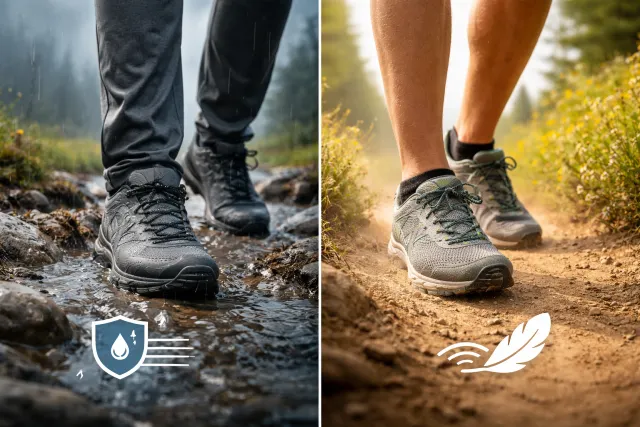
Trail running pushes your body and gear to the limit. From muddy forest paths to rocky mountain trails, the right footwear can make a huge difference in comfort and performance. One of the most common questions among runners and hikers today revolves around Gore-Tex vs Breathable Mesh Trail Runners and which option performs better in real conditions.
- Understanding Trail Running Shoes
- What Are Gore-Tex Trail Runners?
- What Are Breathable Mesh Trail Runners?
- Gore-Tex vs Breathable Mesh Trail Runners: Key Differences
- Performance in Wet Conditions
- Breathability and Temperature Control
- Comfort During Long Distance Runs
- Durability and Longevity
- Weight Comparison
- Real World Trail Scenarios
- When to Choose Gore-Tex Trail Runners
- When to Choose Breathable Mesh Trail Runners
- Tips for Choosing the Right Trail Running Shoe
- The Future of Trail Running Footwear
- Conclusion
Both types of shoes have loyal supporters. Some runners prefer waterproof protection for wet trails, while others prioritize airflow and quick drying performance. Understanding the differences between these two technologies helps you make the right choice depending on terrain, weather, and running style.
In this guide, we’ll explore how Gore-Tex vs Breathable Mesh Trail Runners compare in terms of comfort, durability, weather protection, and overall performance so you can confidently choose the best trail running shoes for your adventures.
Understanding Trail Running Shoes
By comparison Gore-Tex vs Breathable Mesh Trail Runners Trail running shoes are specifically designed to handle uneven terrain, slippery surfaces, and unpredictable outdoor conditions. Unlike standard road running shoes, they provide extra grip, stronger materials, and enhanced protection.
Most trail running shoes include features such as:
• Aggressive outsole traction
• Reinforced toe caps
• Durable uppers
• Improved stability
• Weather resistant materials
When comparing Gore-Tex vs Breathable Mesh Trail Runners, the key difference lies in the upper material used in the shoe.
What Are Gore-Tex Trail Runners?
Gore-Tex trail runners use a waterproof membrane integrated into the shoe’s upper. This membrane prevents water from entering while still allowing sweat vapor to escape.
Gore-Tex technology has been widely used in outdoor equipment, including jackets, hiking boots, and trail shoes. According to the well known material uses microscopic pores that block liquid water but allow vapor molecules to pass through.
This design helps keep your feet dry during rain, puddles, and wet trail conditions.
Key Features of Gore-Tex Trail Running Shoes
Gore-Tex trail runners offer several advantages for runners who frequently encounter wet environments.
• Waterproof protection
• Wind resistance
• Durable construction
• Improved insulation in cold weather
• Protection against mud and puddles
Because of these features, many trail runners choose Gore-Tex shoes for mountain trails, winter runs, or rainy conditions.
What Are Breathable Mesh Trail Runners?
by comparison between Gore-Tex vs Breathable Mesh Trail Runners, breathable mesh trail runners focus on airflow rather than waterproofing. The upper part of the shoe uses lightweight mesh fabric designed to allow maximum ventilation.
This design helps regulate temperature and prevents overheating during long runs.
Mesh trail runners are extremely popular in warm climates because they allow moisture and heat to escape quickly.
Key Features of Breathable Mesh Trail Running Shoes
Mesh based trail runners provide several performance advantages.
• Superior airflow and ventilation
• Lightweight construction
• Quick drying materials
• Greater flexibility
• Enhanced comfort during hot weather
These features make breathable mesh shoes ideal for dry trails and high temperature conditions.
Gore-Tex vs Breathable Mesh Trail Runners: Key Differences
Understanding the practical differences between these two types of trail shoes helps runners choose the right option for their needs.
| Feature | Gore-Tex Trail Runners | Breathable Mesh Trail Runners |
|---|---|---|
| Waterproofing | Fully waterproof | Not waterproof |
| Breathability | Moderate | Excellent |
| Weight | Slightly heavier | Lightweight |
| Best Weather | Rain, snow, mud | Dry, hot climates |
| Drying Speed | Slow | Fast |
| Insulation | Warmer | Cooler |
This comparison highlights the main tradeoff between protection and ventilation.
Performance in Wet Conditions
Wet terrain is where Gore-Tex shoes truly shine.
Trail runners frequently encounter:
• Puddles
• Stream crossings
• Muddy paths
• Wet grass
• Rain soaked trails
In these situations, Gore-Tex shoes keep water from entering the shoe. This helps maintain warmth and prevents soaked socks.
However, if water enters the shoe from the top, it can take longer to dry compared to mesh shoes.
Breathable mesh shoes, on the other hand, allow water to drain quickly. Many experienced runners actually prefer mesh shoes for wet races because they dry faster after water crossings.
Breathability and Temperature Control
Heat buildup can cause discomfort and blisters during long trail runs. This is where breathable mesh shoes perform exceptionally well.
Mesh uppers allow continuous airflow, which helps regulate foot temperature.
During summer runs or desert trails, breathable mesh shoes can significantly reduce overheating.
Gore-Tex shoes offer some breathability but are naturally less ventilated due to the waterproof membrane.
Comfort During Long Distance Runs
Comfort plays a major role when choosing trail running shoes.
When comparing Gore-Tex vs Breathable Mesh Trail Runners, comfort depends heavily on environmental conditions.
Gore-Tex Comfort Factors
• Warm insulation during cold weather
• Protection from wet socks
• Better performance in snow or rain
Mesh Comfort Factors
• Lightweight feel
• Better airflow
• Reduced foot sweat
Ultra runners and long distance trail athletes often choose mesh shoes for extended runs because they reduce heat buildup.
Durability and Longevity
Durability varies depending on brand, terrain, and running style.
Gore-Tex shoes generally use reinforced materials to protect the waterproof membrane. This can increase durability, especially in rough environments.
Mesh shoes are lighter but may wear faster in extremely rocky terrain.
However, modern mesh materials are significantly stronger than older versions, which improves durability.
Weight Comparison
Weight is an important factor for trail runners who prioritize speed and efficiency.
Gore-Tex shoes tend to be slightly heavier due to the waterproof membrane and reinforced construction.
Breathable mesh shoes are often lighter, making them a popular choice for competitive trail runners.
Lighter shoes can improve agility and reduce fatigue during long runs.
Real World Trail Scenarios
Understanding how each shoe type performs in real conditions can help runners make better decisions.
Mountain Trail Running
Mountain environments often include unpredictable weather and wet terrain.
Gore-Tex shoes can provide valuable protection during rainstorms or snowy conditions.
Desert and Hot Climate Trails
Hot environments require maximum airflow.
Breathable mesh shoes help keep feet cool and comfortable during long runs in high temperatures.
Muddy Forest Trails
Both types of shoes can work in muddy environments, but Gore-Tex shoes help keep feet dry when mud contains standing water.
Stream Crossings
Mesh shoes often perform better in races with multiple water crossings because they drain quickly.
When to Choose Gore-Tex Trail Runners
Gore-Tex shoes are best suited for runners who frequently face wet or cold environments.
Situations where Gore-Tex works best include:
• Rainy climates
• Snowy trails
• Muddy terrain
• Cold weather runs
• Hiking and trekking adventures
These shoes provide protection when keeping your feet dry is essential.
When to Choose Breathable Mesh Trail Runners
Breathable mesh shoes perform best in dry or warm conditions.
They are ideal for:
• Summer trail running
• Long distance races
• Desert environments
• Trails with water crossings
• High intensity running sessions
Their lightweight design and ventilation help maintain comfort over long distances.
Tips for Choosing the Right Trail Running Shoe
Selecting the right shoe involves more than just waterproofing or breathability.
Consider the following factors when deciding between Gore-Tex fabric vs Breathable Mesh Trail Runners.
Climate
Weather conditions should strongly influence your decision.
Terrain
Rocky trails may require stronger materials and protective toe caps.
Distance
Long distance runners often prefer lighter shoes.
Personal Comfort
Every runner’s foot shape and running style are different.
Trying multiple models is often the best way to determine comfort and fit.
The Future of Trail Running Footwear
Trail running shoe technology continues to evolve. Brands are constantly experimenting with new materials and designs.
Emerging innovations include:
• Hybrid waterproof breathable fabrics
• Improved moisture management systems
• Eco friendly materials
• Adaptive cushioning technologies
These advancements aim to combine waterproof protection with improved ventilation.
As outdoor sports grow in popularity, shoe manufacturers will continue developing footwear designed for diverse environments.
Conclusion
The debate around Gore-Tex vs Breathable Mesh Trail Runners ultimately comes down to your running environment and personal preferences.
Gore-Tex trail runners provide reliable waterproof protection and insulation for wet, muddy, or cold conditions. They are excellent for runners who frequently face unpredictable weather.
Breathable mesh trail runners focus on airflow, lightweight comfort, and quick drying performance. These shoes excel in warm climates and long distance trail running scenarios.
Both options have clear advantages, and neither is universally better than the other. The best choice depends on where and how you run.
Understanding your trail conditions, climate, and comfort preferences will help you select the trail running shoes that deliver the best performance and enjoyment on every run.