


Urban development projects often reshape how cities grow, attract investment, and support new businesses. One project gaining increasing attention among investors and entrepreneurs is Business Bay Phase 1. This emerging development zone is designed to combine modern infrastructure, commercial activity, and strategic investment opportunities.
- What Is Business Bay Phase 1
- Strategic Location Advantages
- Infrastructure Development in Business Bay Phase 1
- Economic Impact of Business Bay Phase 1
- Business Opportunities in Business Bay Phase 1
- Investment Potential in Business Bay Phase 1
- Types of Commercial Properties Available
- Why Businesses Choose Emerging Business Districts
- Urban Planning and Sustainable Development
- Technology and Smart Infrastructure
- Real World Scenario: A Startup Moving into Business Bay Phase 1
- Challenges and Considerations for Investors
- Future Growth of Business Bay Phase 1
- How Entrepreneurs Can Benefit from Business Bay Phase 1
- Conclusion
In recent years, business districts across the world have evolved into integrated urban environments where offices, retail spaces, and residential facilities exist together. Business Bay Phase 1 reflects this modern development model by offering a dynamic environment where companies, startups, and investors can operate within a well planned commercial ecosystem.
Understanding the potential of Business Bay Phase 1 requires examining its infrastructure, economic impact, investment potential, and the long term business opportunities it offers.
What Is Business Bay Phase 1
Business Bay Phase 1 refers to the initial development stage of a planned commercial and mixed use district designed to support economic activity, corporate operations, and urban growth.
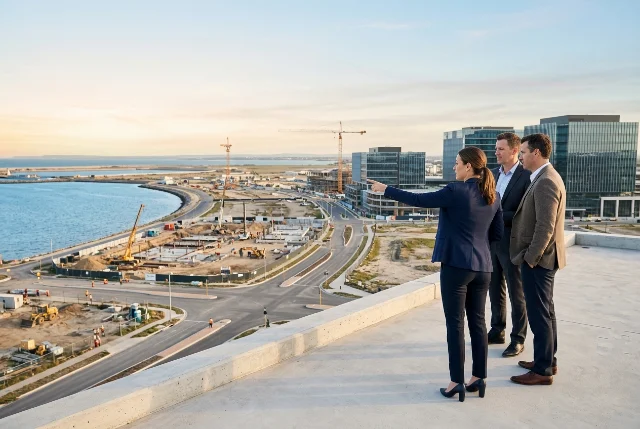
Phase 1 typically focuses on establishing the foundational infrastructure needed to support future development. This includes transportation systems, commercial buildings, office spaces, and essential utilities that enable businesses to operate efficiently.
Many modern business districts are built in phases to ensure sustainable expansion. The first phase often sets the tone for the entire project by creating a strong commercial base that attracts investors, developers, and companies.
Business Bay Phase 1 is designed to create a central hub for business operations while supporting surrounding residential and lifestyle facilities.
Strategic Location Advantages
Location plays a crucial role in the success of any commercial development. Business districts positioned near transportation routes, financial centers, and residential communities tend to attract more investment.
Business Bay Phase 1 benefits from several strategic location advantages.
Close proximity to major transportation networks improves accessibility for employees, clients, and logistics operations.
Nearby residential communities provide a workforce that can easily commute to offices within the district.
Modern urban planning ensures efficient road connectivity, public transportation access, and walkable commercial areas.
These factors make Business Bay Phase 1 an attractive location for companies looking to establish a presence in a growing business environment.
Infrastructure Development in Business Bay Phase 1
Infrastructure is the backbone of any successful business district. The development strategy behind Business Bay Phase 1 focuses on creating a modern environment that supports both local and international companies.
Key infrastructure components include
• High quality office towers designed for corporate operations
• Commercial complexes supporting retail and service businesses
• Transportation systems connecting the district with surrounding areas
• Advanced telecommunications and internet infrastructure
• Public spaces that enhance work and lifestyle balance
This type of infrastructure allows businesses to operate efficiently while creating a professional environment that attracts investors and employees.
According to urban planning research from the World Bank and global development organizations, well designed commercial districts significantly improve economic productivity by clustering businesses within connected ecosystems.
Economic Impact of Business Bay Phase 1
Large scale development projects often contribute significantly to local economic growth.
Business Bay Phase 1 has the potential to generate economic benefits through multiple channels.
Job creation is one of the most immediate impacts. Construction activities, office operations, retail services, and hospitality businesses all contribute to employment opportunities.
Business expansion is another major benefit. Companies operating in a modern commercial district gain access to better infrastructure, professional networks, and customer markets.
Investment attraction also plays a key role. Investors often look for new development zones where property values and business demand are expected to grow over time.
These economic factors make Business Bay Phase 1 a promising location for long term commercial activity.
Business Opportunities in Business Bay Phase 1
One of the most appealing aspects of Business Bay Phase 1 is the wide range of business opportunities it offers.
Different industries can benefit from operating within a modern commercial district.
Some key sectors expected to thrive include
Technology startups that require modern office spaces and strong digital infrastructure.
Financial services firms that prefer operating near other corporate entities.
Retail businesses that serve both office workers and nearby residents.
Hospitality businesses such as restaurants, cafes, and hotels that support the daily needs of professionals and visitors.
Professional service companies including legal firms, consulting agencies, and marketing firms.
The presence of multiple industries within the same district encourages collaboration and business networking opportunities.
Investment Potential in Business Bay Phase 1
For investors, early phase developments often present significant opportunities.
Business Bay Phase 1 offers several advantages that make it appealing to real estate investors and business owners.
Property prices in early development stages are often lower compared to fully developed commercial districts.
As infrastructure improves and more businesses move into the area, demand for office and retail space typically increases.
Investors who acquire commercial property during the early phases may benefit from long term value appreciation.
Real estate analysts frequently emphasize that commercial districts undergoing expansion often experience significant growth in property value over time.
Types of Commercial Properties Available
Business Bay Phase 1 includes different types of commercial real estate options designed to meet diverse business needs.
The most common property types include
| Property Type | Purpose |
|---|---|
| Corporate Office Spaces | Headquarters for companies and organizations |
| Retail Units | Shops, cafes, and service businesses |
| Co Working Spaces | Flexible workspaces for startups and freelancers |
| Mixed Use Buildings | Combining office, retail, and residential areas |
| Commercial Towers | Large scale business operations |
This variety ensures that companies of different sizes can find suitable spaces within the district.
Why Businesses Choose Emerging Business Districts
Many companies prefer locating their offices in newly developed commercial areas rather than older business districts.
Several factors influence this decision.
Modern infrastructure provides better technology connectivity and building design.
New districts often offer flexible office layouts suitable for modern work environments.
Businesses benefit from being part of a growing ecosystem where other companies are also expanding.
Costs in new development zones may initially be more competitive compared to established financial centers.
Business Bay Phase 1 aligns with these trends by providing modern facilities and growth potential.
Urban Planning and Sustainable Development
Sustainable urban planning has become a major focus in modern commercial developments.
Business Bay Phase 1 incorporates several elements designed to support sustainable growth.
These may include energy efficient buildings, green spaces, and environmentally friendly infrastructure.
Urban planners increasingly prioritize mixed use districts where people can work, shop, and socialize within the same area.
This approach reduces commuting distances and promotes more balanced urban lifestyles.
Global research from the United Nations Urban Development programs suggests that mixed use commercial districts improve productivity while enhancing quality of life.
Technology and Smart Infrastructure
Modern business districts rely heavily on technology infrastructure.
Business Bay Phase 1 is expected to integrate smart city technologies that support digital connectivity and operational efficiency.
These technologies may include
High speed fiber internet networks
Smart parking systems that optimize traffic flow
Digital building management systems that improve energy efficiency
Security systems powered by modern surveillance technologies
Technology integration allows businesses to operate more efficiently while creating a competitive environment for innovation.
Real World Scenario: A Startup Moving into Business Bay Phase 1
Consider a technology startup searching for a new office location.
The company needs reliable internet connectivity, access to skilled employees, and proximity to other technology firms.
By establishing operations in Business Bay Phase 1, the startup gains access to a professional environment where networking opportunities are abundant.
Nearby cafes and meeting spaces allow teams to collaborate informally.
Retail and service businesses within the district support employees’ daily needs.
This ecosystem helps startups grow faster by placing them within a supportive commercial community.
Challenges and Considerations for Investors
While Business Bay Phase 1 offers promising opportunities, investors should also evaluate potential challenges.
Early stage developments sometimes experience gradual occupancy growth as businesses slowly move into the area.
Infrastructure improvements may occur over several years as additional phases of development are completed.
Investors should evaluate long term development plans, government policies, and market demand before making investment decisions.
However, experienced investors often view these early stages as strategic opportunities for long term gains.
Future Growth of Business Bay Phase 1
As development continues, Business Bay Phase 1 is expected to evolve into a fully integrated commercial hub.
Future phases may introduce additional office towers, residential complexes, entertainment venues, and hospitality services.
Urban economists note that well planned business districts often become central economic engines for cities.
Over time, Business Bay Phase 1 could attract multinational companies, technology firms, and financial institutions seeking modern office environments.
The long term growth potential makes this development particularly interesting for entrepreneurs and property investors.
How Entrepreneurs Can Benefit from Business Bay Phase 1
Entrepreneurs searching for new markets often look for locations where business ecosystems are actively developing.
Business Bay Phase 1 provides several advantages for entrepreneurs.
Access to a growing customer base from surrounding offices and residential communities.
Opportunities to collaborate with nearby companies and service providers.
Availability of flexible office spaces such as co working hubs.
Potential exposure to investors and business partners operating within the same district.
These factors create an environment where startups and small businesses can thrive.
Conclusion
Business districts play a critical role in shaping modern economies, and Business Bay Phase 1 represents an exciting example of how strategic urban development can create new commercial opportunities.
Through modern infrastructure, strategic location advantages, and strong investment potential, Business Bay Phase 1 has the potential to become a thriving business hub. Companies operating within this environment can benefit from improved connectivity, access to professional networks, and proximity to growing markets.
For investors, early involvement in emerging districts often leads to long term value appreciation as development progresses. Entrepreneurs and businesses can also take advantage of the collaborative ecosystem that develops in modern commercial zones.
As cities continue expanding their economic centers, developments like Business Bay Phase 1 illustrate how thoughtful urban planning can transform local economies and create opportunities for businesses of all sizes.
Understanding how modern urban development shapes commercial districts provides deeper insight into the importance of projects like Business Bay Phase 1 in today’s global economy.