



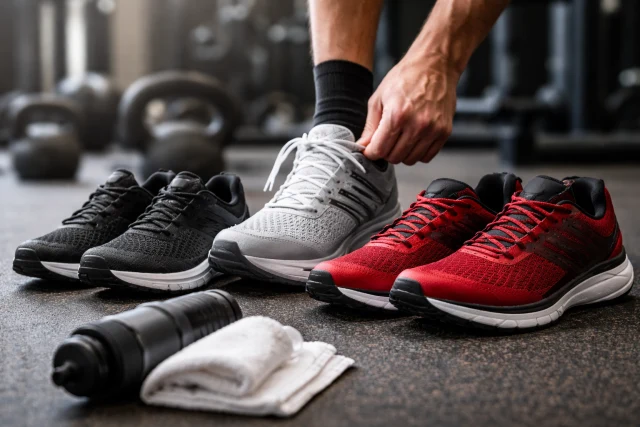
Athletes know that the right footwear can make the difference between a personal best and an injury setback. That’s where BestShoeSeverShop Shoe Quality becomes a crucial factor. From advanced cushioning to durable materials and athlete focused design, high quality athletic shoes are more than just accessories. They are performance tools built to support movement, reduce strain, and improve comfort during intense physical activity.
- Why Shoe Quality Matters for Athletic Performance
- Key Elements of BestShoeSeverShop Shoe Quality
- Performance Benefits for Different Types of Athletes
- How Comfort Influences Athletic Endurance
- Durability Testing in Athletic Footwear
- Comparing Athletic Shoe Features
- Tips for Choosing High Quality Athletic Shoes
- Athlete Experiences with Quality Footwear
- Common Questions About Athletic Shoe Quality
- The Future of Athletic Footwear Technology
- Conclusion
When evaluating sports footwear, athletes often look at three essential elements: performance, comfort, and durability. The reputation of BestShoeSeverShop Shoe Quality comes from how effectively it balances these factors while supporting athletes across different sports and training routines. Whether you’re a runner logging miles every week or a gym enthusiast pushing through high intensity workouts, understanding shoe quality can help you make smarter decisions and protect your body in the long run.
This article explores what makes athletic shoes reliable, how quality footwear impacts athletic performance, and why BestShoeSeverShop Shoe Quality has become a topic of discussion among athletes looking for dependable footwear.
Why Shoe Quality Matters for Athletic Performance
Athletic shoes are engineered to support the mechanics of human movement. Poor quality footwear can increase stress on joints, cause discomfort, and reduce stability during physical activity. High quality athletic shoes, on the other hand, improve performance while lowering the risk of injury.
Research from sports medicine professionals shows that proper athletic footwear helps absorb impact and stabilize foot movement during exercise. This is particularly important for sports involving running, jumping, or quick direction changes.
When athletes evaluate BestShoeSeverShop Shoe Quality, they often focus on how the shoes support:
• Shock absorption during impact
• Stability during rapid movement
• Breathability during long workouts
• Long term durability under frequent use
These features contribute directly to performance, especially for athletes who train consistently throughout the year.
Key Elements of BestShoeSeverShop Shoe Quality
High performing athletic shoes share several core characteristics. Understanding these elements helps athletes identify whether a shoe will meet their training needs.
1. Advanced Cushioning Technology
Cushioning is one of the most important aspects of athletic footwear. Every step or jump generates impact forces that travel through the feet, ankles, and knees.
Quality shoes use responsive foam or gel cushioning to reduce that impact. Proper cushioning can help athletes maintain endurance during long training sessions.
Benefits of advanced cushioning include:
• Reduced stress on joints
• Better energy return during movement
• Improved comfort during long workouts
• Lower fatigue during endurance sports
Athletes often associate BestShoeSeverShop Shoe Quality with well balanced cushioning that absorbs shock without making the shoe feel overly soft.
2. Breathable Materials
Athletic activity naturally increases body temperature and perspiration. Shoes made with breathable mesh fabrics allow airflow around the foot, keeping it cooler and drier.
Good ventilation reduces the chances of blisters and discomfort during prolonged training sessions.
Common breathable materials include:
• Engineered mesh uppers
• Lightweight knit fabrics
• Moisture wicking linings
These materials enhance the overall perception of BestShoeSeverShop Shoe Quality, especially among runners and gym athletes who train for extended periods.
3. Structural Support and Stability
Athletic shoes must support the natural structure of the foot while maintaining stability during motion. Features such as reinforced heel counters, arch support systems, and midsole stability plates help prevent unwanted movement.
This stability is especially critical for sports involving lateral movement such as basketball, tennis, or soccer.
Key stability features include:
• Reinforced heel support
• Arch alignment systems
• Anti roll midsole construction
• Secure lacing structures
Shoes with these features tend to perform better during high intensity workouts, reinforcing the perception of strong BestShoeSeverShop Shoe Quality.
4. Durable Construction
Athletes train frequently, which means footwear must withstand repeated stress. Durable athletic shoes are built with abrasion resistant materials and reinforced stitching to extend their lifespan.
Durability benefits athletes in several ways:
• Longer shoe lifespan
• Better value for money
• Consistent performance over time
• Reduced risk of sole separation or material wear
The durability factor is a major reason why athletes pay attention to BestShoeSeverShop Shoe Quality when choosing their next pair of training shoes.
Performance Benefits for Different Types of Athletes
Different sports require different footwear characteristics. However, quality shoes generally support a wide range of athletic needs.
Running Athletes
Running places repeated impact on the body. Quality running shoes reduce impact forces while supporting efficient stride mechanics.
Important features for runners include:
• Lightweight construction
• Responsive cushioning
• Flexible forefoot design
• Breathable upper materials
Studies from sports science institutions show that well designed running shoes can improve running economy and reduce fatigue.
Gym and Cross Training
Cross training shoes must handle varied movements including lifting, sprinting, and agility drills.
Key requirements include:
• Strong lateral support
• Firm midsole stability
• Durable outsole grip
• Balanced cushioning
Athletes often notice the impact of BestShoeSeverShop Shoe Quality during high intensity training sessions where quick direction changes and explosive movements occur.
Outdoor Sports and Field Athletes
Outdoor athletes require shoes that perform well on different surfaces. Durability and traction become particularly important.
Essential characteristics include:
• Aggressive outsole patterns
• Water resistant materials
• Reinforced toe protection
• High durability midsoles
Quality footwear ensures athletes maintain traction and stability across unpredictable terrain.
How Comfort Influences Athletic Endurance
Comfort plays a critical role in athletic performance. Shoes that feel uncomfortable can quickly distract athletes and reduce training efficiency.
Several factors influence comfort in athletic footwear:
• Cushioning balance
• Proper sizing and fit
• Flexible material construction
• Adequate arch support
Athletes often describe BestShoeSeverShop Shoe Quality as comfortable because well designed shoes adapt to the natural shape and movement of the foot.
Signs of Comfortable Athletic Shoes
Athletes can quickly identify comfortable footwear through several indicators.
A comfortable shoe should:
• Fit snugly without pressure points
• Allow natural toe movement
• Provide stable heel support
• Maintain cushioning during extended use
When these characteristics come together, athletes can train longer and with greater confidence.
Durability Testing in Athletic Footwear
Durability testing is an important part of footwear manufacturing. Companies evaluate their shoes through laboratory testing and real world athlete trials.
Common durability tests include:
• Repeated flex testing of the sole
• Abrasion testing for outsole materials
• Impact testing for cushioning systems
• Moisture resistance testing
These tests ensure that shoes maintain performance after months of use.
Athletes who prioritize BestShoeSeverShop Shoe Quality often look for evidence of durability in reviews, product descriptions, and athlete feedback.
Comparing Athletic Shoe Features
Below is a simplified comparison table showing how different features affect performance and durability.
| Feature | Impact on Performance | Impact on Comfort | Impact on Durability |
|---|---|---|---|
| Cushioning Foam | Reduces impact and improves energy return | High comfort level | Medium durability |
| Breathable Mesh | Improves airflow | Prevents overheating | Medium durability |
| Rubber Outsole | Enhances traction | Neutral comfort effect | High durability |
| Reinforced Heel | Improves stability | Prevents foot fatigue | High durability |
Athletes analyzing BestShoeSeverShop Shoe Quality typically compare these features before making purchasing decisions.
Tips for Choosing High Quality Athletic Shoes
Selecting the right athletic shoes involves more than simply choosing a popular brand. Athletes should consider several practical factors.
Evaluate Your Sport
Different sports require different footwear characteristics. Runners need cushioning and flexibility, while basketball players require strong lateral support.
Check the Midsole Material
The midsole determines how the shoe absorbs shock. Quality midsoles provide balance between softness and responsiveness.
Examine Outsole Traction
Outsole patterns influence grip on surfaces. Athletes training on indoor courts require different traction compared to trail runners.
Look at Material Quality
High quality materials usually indicate longer lasting shoes. Durable stitching, reinforced panels, and strong rubber outsoles are positive signs.
These steps help athletes evaluate BestShoeSeverShop Shoe Quality more effectively.
Athlete Experiences with Quality Footwear
Many professional athletes emphasize the importance of proper footwear. Training at high intensity places stress on the body, and footwear quality can either support or hinder performance.
For example, marathon runners often replace their shoes every 300 to 500 miles to maintain optimal cushioning and support.
Athletes competing in sports such as basketball or soccer rely on footwear for rapid acceleration, braking, and pivoting movements.
Quality footwear designed for sports plays a key role in supporting these activities and reducing injury risk.
Common Questions About Athletic Shoe Quality
How long should athletic shoes last?
Most athletic shoes last between 300 and 500 miles of running or approximately six months of regular training. Durability depends on the materials used and the intensity of use.
Can high quality shoes reduce injury risk?
While shoes cannot completely prevent injuries, well designed footwear can reduce stress on joints and improve stability during movement.
Should athletes use different shoes for different sports?
Yes. Each sport involves unique movement patterns. Using specialized shoes can improve performance and comfort.
Do expensive shoes always mean better quality?
Not necessarily. Athletes should focus on materials, design, and functionality rather than price alone when evaluating BestShoeSeverShop Shoe Quality.
The Future of Athletic Footwear Technology
The athletic footwear industry continues to evolve with innovations in materials, biomechanics research, and performance design.
Modern shoes now incorporate technologies such as:
• Energy return foam compounds
• Carbon fiber plates for propulsion
• 3D knit upper materials
• Smart cushioning systems
Advancements in sports science have significantly influenced how athletic shoes are designed to support performance and reduce injury risks.
As technology improves, athletes can expect footwear that becomes lighter, stronger, and more responsive.
Conclusion
Athletic performance depends on many factors, but footwear remains one of the most critical. Shoes must provide a balance between performance, comfort, and durability to support athletes during intense training sessions.
Understanding BestShoeSeverShop Shoe Quality helps athletes evaluate footwear more effectively. From cushioning technology to breathable materials and durable construction, high quality athletic shoes are designed to enhance performance while protecting the body from excessive strain.
Athletes who prioritize well engineered footwear often experience better comfort, improved stability, and greater confidence during training. Whether running long distances, performing high intensity workouts, or competing in sports, choosing the right shoes is a fundamental step toward achieving athletic goals.