
If you have sensitive teeth, you already know the struggle. You want a brighter smile, but the moment you try a “strong” whitening product, your teeth start sending those sharp, icy signals that make you regret everything. The good news is you do not have to choose between comfort and confidence. The Best Whitening Toothpaste for sensitive teeth is usually not the one that claims the fastest whitening. It is the one that whitens gently, protects enamel, and actively calms sensitivity while you brush.
- Why whitening can feel painful when your teeth are sensitive
- How whitening toothpastes actually whiten (and what they can’t do)
- The sensitive-teeth twist: what makes a whitening toothpaste “safe” for sensitivity
- Best Whitening Toothpaste ingredients for sensitive teeth
- A simple comparison table: what to look for on the label
- Best Whitening Toothpaste for Sensitive Teeth: the smart checklist
- How to use whitening toothpaste without triggering sensitivity
- Real-world scenarios: choosing the right “type” of Best Whitening Toothpaste
- What “ADA Seal” can mean for toothpaste shoppers
- Common questions people ask before buying the Best Whitening Toothpaste
- Does whitening toothpaste make sensitive teeth worse?
- How long does it take to see results?
- Is peroxide toothpaste safe for sensitive teeth?
- Are charcoal whitening toothpastes a good idea for sensitivity?
- When should you talk to a dentist instead of just switching toothpaste?
- A short “do this first” plan if you want whitening without the burn
- Conclusion: finding the Best Whitening Toothpaste that feels good, not harsh
In this guide, we are going to talk like real people about what actually causes sensitivity, how whitening toothpastes work, which ingredients matter, and how to pick the Best Whitening Toothpaste for your mouth without inviting that burning, zingy feeling back into your life.
Why whitening can feel painful when your teeth are sensitive
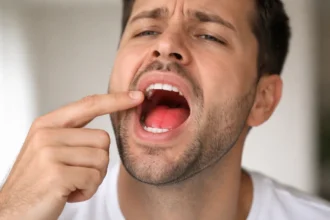
Sensitive teeth usually happen when the protective outer layers (enamel and cementum) are worn down, or your gums recede and expose dentin. Dentin has microscopic tubules that lead toward the nerve. When cold air, hot coffee, sweet foods, or even aggressive brushing hits those areas, you feel a quick jolt.
Whitening products can add to that discomfort in a few common ways:
- Too much abrasion: Some whitening toothpastes rely on abrasive particles to scrub away surface stains. If the formula is rough, it can irritate exposed dentin and make sensitivity worse over time.
- Peroxide “tingle”: Low levels of hydrogen peroxide in toothpaste can help lighten stains, but peroxide can sometimes increase sensitivity, especially if your enamel is already compromised. Research notes that peroxide permeability and sensitivity risk can rise depending on formulation and exposure.
- Acidic ingredients: Certain “whitening booster” acids can contribute to enamel softening if used too often, which is the last thing sensitive teeth need.
So if you are chasing the Best Whitening Toothpaste, your goal is gentle stain removal plus strong sensitivity support, not brute-force whitening.
How whitening toothpastes actually whiten (and what they can’t do)
A lot of people expect toothpaste to work like professional bleaching, but they are different categories.
Most whitening toothpastes focus on extrinsic stains, meaning surface stains from coffee, tea, wine, smoking, and deeply pigmented foods. They typically do this with:
- Mild abrasives that polish stains away
- Enzymes or surfactants that help lift buildup
- Sometimes low-dose peroxide or other whitening systems
Professional or tray-based whitening is designed to change deeper tooth color by oxidizing pigments inside the tooth, commonly using hydrogen peroxide or carbamide peroxide.
That does not mean toothpaste is useless. It just means the Best Whitening Toothpaste for sensitive teeth is mainly about steady, realistic brightening while keeping your mouth comfortable.
The sensitive-teeth twist: what makes a whitening toothpaste “safe” for sensitivity
Sensitive teeth need two things at the same time:
- Whitening that does not rely on harsh scrubbing
- Proven desensitizing ingredients that reduce pain signals or block tubules
The American Dental Association notes that toothpastes can include ingredients intended to lessen tooth sensitivity and also cosmetically whiten teeth. That combo is what you are looking for when shopping for the Best Whitening Toothpaste.
A quick ingredient reality check
The whitening aisle is full of bold claims, but the formulas that tend to work best for sensitive teeth usually include:
- Potassium nitrate (nerve calming)
- Stannous fluoride (tubule blocking plus anti-caries benefits)
- Fluoride in general (enamel support and cavity prevention)
- Low to moderate abrasivity (gentle stain polishing)
Best Whitening Toothpaste ingredients for sensitive teeth
1) Potassium nitrate: the calm-down ingredient
Potassium nitrate is a classic desensitizer. It is widely used because it helps reduce the nerve response that causes those sharp sensitivity jolts.
What this means in real life: if cold water makes you flinch, potassium nitrate formulas are often the ones that make brushing feel normal again after consistent use.
2) Stannous fluoride: sensitivity relief plus protection
Stannous fluoride is a well-studied ingredient for oral health, and it is also used to help with dentin hypersensitivity. A recent evidence-focused analysis looked at stannous fluoride toothpastes for dentin sensitivity outcomes over time.
Practical takeaway: many sensitive-teeth formulas that also claim whitening rely on this ingredient because it can help reduce sensitivity while supporting gum and enamel health.
3) “Gentle whitening” abrasives: silica and polishing systems
Abrasives are not automatically bad. The problem is when abrasivity is too high for your mouth. Toothpaste abrasivity is often discussed using RDA (Relative Dentin Abrasivity). Some industry-compiled charts list a wide range of RDA values across products, showing how much the “scrub factor” can vary.
For sensitive teeth, gentler abrasives matter because exposed dentin is easier to irritate than enamel.
4) Peroxide in toothpaste: useful but not always comfortable
Hydrogen peroxide can whiten by breaking down staining molecules, but sensitivity can be a side effect, especially if you overuse whitening products or already have enamel issues.
If you are trying to land on the Best Whitening Toothpaste for sensitive teeth, think “balanced” rather than “strongest.”
A simple comparison table: what to look for on the label
| Goal | Ingredients that help | Why it matters for sensitivity |
|---|---|---|
| Reduce “zap” pain | Potassium nitrate | Helps calm nerve response over time |
| Block sensitivity triggers | Stannous fluoride | Helps manage dentin sensitivity and supports oral health |
| Strengthen enamel | Fluoride | Supports remineralization and cavity prevention |
| Remove surface stains gently | Mild abrasives (often silica-based) | Polishes stains without excessive scrubbing |
| Avoid extra irritation | Lower abrasivity, fewer harsh acids | Helps prevent worsening sensitivity over time |
Best Whitening Toothpaste for Sensitive Teeth: the smart checklist
Here is the checklist I use when someone tells me, “I want the Best Whitening Toothpaste, but my teeth are dramatic.”
Choose formulas that do these four things
- Include a sensitivity ingredient (potassium nitrate or stannous fluoride)
- Include fluoride (unless your dentist specifically told you otherwise)
- Whiten by stain removal, not harsh stripping
- Avoid being overly abrasive or aggressively “acid-powered”
And avoid these common traps
- Switching whitening products every week because you want faster results
- Brushing harder to “make it work” (this often makes sensitivity worse)
- Using whitening toothpaste plus whitening strips at the same time without a plan
If sensitivity is your main problem, consistency beats intensity almost every time.
How to use whitening toothpaste without triggering sensitivity
This is where a lot of people accidentally sabotage themselves. They buy the Best Whitening Toothpaste, then use it in a way that creates sensitivity even if the formula is gentle.
1) Use a soft brush and light pressure
If your toothbrush looks frayed, you are brushing too hard. Whitening does not require force. Stain removal works best with steady contact, not scrubbing.
2) Brush for two minutes, not “until it feels clean”
Overbrushing can irritate gums and expose more root surface, which increases sensitivity.
3) Give desensitizing ingredients time
Sensitivity relief ingredients typically need consistent use to build effect. If you are jumping between products, you might never give the sensitivity system time to do its job.
4) Watch the timing of acids
If you drink something acidic (soda, citrus, sports drinks), wait a bit before brushing. Acid can soften enamel temporarily, and brushing right away can increase wear.
Real-world scenarios: choosing the right “type” of Best Whitening Toothpaste
Instead of brand names, think in categories. The Best Whitening Toothpaste for you depends on what causes your stains and what triggers your sensitivity.
Scenario A: Coffee drinker with mild sensitivity
You want:
- Gentle whitening for surface stains
- Potassium nitrate or stannous fluoride support
- A formula designed for daily use
Scenario B: Sensitive teeth plus gum recession
You want:
- Strong sensitivity focus first
- A whitening claim that is “gentle whitening” or “stain removal”
- Extra attention to gum-friendly brushing habits
Scenario C: You tried whitening strips and now everything hurts
You want:
- A sensitivity-first formula for several weeks
- Whitening toothpaste that is gentle and supportive, not aggressive
- To pause stacking multiple whitening methods until sensitivity settles
What “ADA Seal” can mean for toothpaste shoppers
Some people see the ADA Seal and feel instantly calmer, which is understandable. The ADA Seal of Acceptance reference guide lists products by category, including toothpastes for sensitivity control and various other functions.
Important note: the presence or absence of a seal does not automatically tell you everything about abrasivity or comfort, but it can be one useful filter when narrowing down options for the Best Whitening Toothpaste in your routine.
Common questions people ask before buying the Best Whitening Toothpaste
Does whitening toothpaste make sensitive teeth worse?
It can, especially if the toothpaste relies heavily on abrasion or if you brush too hard. But formulas designed for sensitivity, using ingredients like potassium nitrate or stannous fluoride, are specifically made to reduce discomfort while still helping with stain removal.
How long does it take to see results?
For surface stains, many people notice gradual improvement over a few weeks with consistent brushing. Clinical work on whitening toothpaste use in real-world settings supports that toothpaste can improve appearance over time, though it is not the same as professional bleaching.
Is peroxide toothpaste safe for sensitive teeth?
Low concentrations are generally used in commercial products, but sensitivity can still happen depending on your enamel condition and how often you combine whitening methods. If you are sensitive, gentle stain-removal systems plus desensitizing ingredients often feel better than peroxide-heavy approaches.
Are charcoal whitening toothpastes a good idea for sensitivity?
Charcoal products are controversial because abrasiveness can be a concern, and evidence for whitening benefit is mixed. If you are already sensitive, anything that increases enamel wear risk is worth being cautious about.
When should you talk to a dentist instead of just switching toothpaste?
If you have sudden sensitivity, pain that lingers, sensitivity in one tooth, visible cracks, or gum inflammation, it is smarter to check for underlying causes like decay, a cracked tooth, or gum disease. Toothpaste can manage sensitivity, but it cannot fix structural problems.
A short “do this first” plan if you want whitening without the burn
If you want a bright smile and comfort, the simplest plan is:
- Pick a sensitivity-focused whitening toothpaste (this is often the Best Whitening Toothpaste choice for sensitive mouths)
- Use it consistently twice a day with gentle technique
- Avoid stacking multiple whitening products at the same time in the beginning
- Track changes for 2 to 4 weeks before deciding you “need something stronger”
This approach is boring, but boring is usually what works.
Conclusion: finding the Best Whitening Toothpaste that feels good, not harsh
Sensitive teeth do not mean you have to give up on whitening. It just means your version of the Best Whitening Toothpaste is a little more specific: whitening that targets surface stains gently, plus ingredients that actually calm sensitivity. Potassium nitrate and stannous fluoride are two of the most common options used for sensitivity management, and reputable dental resources describe toothpastes as having roles beyond cleaning, including helping with sensitivity and cosmetic whitening.
If you take one idea from this article, make it this: the Best Whitening Toothpaste for sensitive teeth is the one you can use consistently without flinching. That consistency, combined with gentle brushing and enamel-friendly habits, is what helps you brighten your smile without the burn. Keep the focus on protecting your tooth enamel, and whitening becomes a steady upgrade instead of a painful experiment.