



Key Takeaways
- Apartment complexes provide valuable opportunities for community engagement and strong social interaction.
- Intentional design and resident-driven initiatives are both central to nurturing a sense of belonging and support.
- Innovative models such as multigenerational housing and cohousing offer sustainable frameworks for vibrant community living.
Table of Contents
- Designing for Community
- Resident-Led Initiatives
- Multigenerational Living
- Cohousing Models
- Property Management’s Role
- Overcoming Challenges
- Benefits of Community Living
- Conclusion
Apartment living is much more than simply occupying a physical space; it is about embracing an environment rich with potential for meaningful social connections and collective well-being. The thoughtful implementation of shared spaces, intentional design, and cooperative initiatives lays a strong foundation for creating flourishing communities within apartment complexes. For those searching for new modern apartments for rent in Ogden, Utah, a focus on community-centric living can make all the difference in the quality of daily life. New modern apartments for rent in Ogden, Utah
In well-designed apartment communities, a blend of architecture, resident engagement, and forward-thinking management can transform ordinary buildings into extraordinary hubs of interaction. By cultivating a spirit of collaboration and inclusivity, apartment complexes are positioned not only to meet residents’ diverse needs but also to provide lasting social support. Modern trends in urban development prioritize these values, integrating physical and digital solutions to facilitate connection even in busy, diverse urban neighborhoods. Communities benefit when residents take the initiative to create welcoming spaces where all feel valued, visible, and heard. Research published by The New York Times highlights how apartment living increasingly shifts toward collective well-being and interconnectedness, influencing mental, physical, and emotional health among residents.
Designing for Community
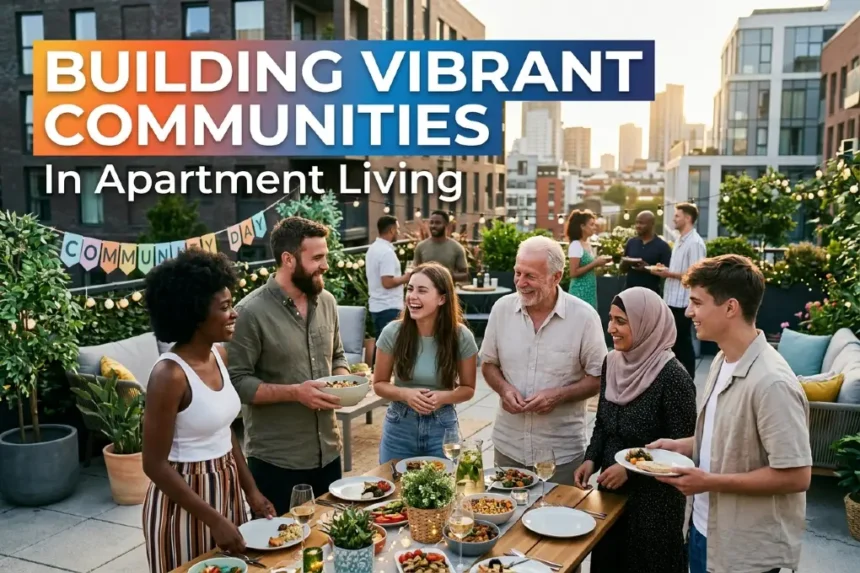
Community-oriented apartment design makes it easy for residents to come together naturally. Architectural features such as shared courtyards, rooftop gardens, community kitchens, and multipurpose lounges are specifically created to spark chance encounters and foster regular interaction. Properties that invest in these thoughtful amenities often see higher tenant satisfaction. In Boston, the Jamaica Plain Cohousing community uses open courtyards and accessible communal rooms to strengthen bonds between diverse residents. Intentional design is a key foundation for nurturing a thriving residential environment.
Resident-Led Initiatives
Active resident participation positively shapes the character of an apartment complex. Friendly events like potlucks, game nights, holiday parties, or group fitness sessions not only liven up the atmosphere but also create opportunities for friendship and support networks to form. Digital platforms such as online boards, neighborhood apps, and private social media groups are increasingly common ways to coordinate activities and keep everyone informed. Newsletters and regular community meetings also help maintain transparency and resident involvement. When people are invited to contribute ideas and volunteer, the entire community becomes more dynamic and welcoming.
Multigenerational Living
Apartment communities that bring together people of different ages reap unique rewards. Multigenerational living fosters mentorship, childhood enrichment, and caregiving support, creating a nurturing and sustainable environment for everyone involved. An example of this success is Bridge Meadows in Portland, Oregon, where older adults and families collaborate to provide children with stable, supportive living. This approach addresses social isolation and meets the needs of both young and older adults, fostering bonds that strengthen community fabric. Learn more about multigenerational housing models.
Cohousing Models
Unlike typical apartment setups, cohousing communities prioritize group participation and joint decision-making. Residents might cook shared meals, vote on garden plans, or jointly manage facilities. These collaborative activities instill trust and deepen relationships between neighbors, reducing loneliness and improving mental health. Cohousing models are gaining popularity as more people seek ways to live with greater connection and mutual support. These communities encourage a sense of stewardship and inspire lasting ties among residents.
Property Management’s Role
The actions of property managers can make or break the sense of community in any apartment complex. By maintaining safe, clean shared spaces, organizing community events, and serving as a bridge between management and residents, property teams foster engagement and belonging. Training staff to communicate effectively and prioritize resident concerns helps ensure that everyone feels respected and heard. These efforts lead to higher retention rates, less conflict, and a more harmonious living environment overall.
Overcoming Challenges
Developing a close-knit apartment community is not without its challenges. Residents may have varying backgrounds, schedules, and interests, which can lead to misunderstandings or conflicts. The key to overcoming these obstacles lies in open communication, flexibility, and inclusive event planning. Proactively seeking feedback and creating channels for residents to voice their opinions also helps foster an environment where everyone feels invested and welcome.
Benefits of Community Living
Apartment communities that promote connection not only offer social advantages but also yield practical benefits. Studies show that residents of well-connected complexes are less likely to feel isolated, report fewer safety concerns, and have better overall mental health. Community-driven environments also support efficient problem-solving, increased security, and a shared sense of responsibility for the care and success of the entire property.
Conclusion
Apartment complexes can be much more than a collection of units; they can become vibrant communities that uplift every resident. Through intentional design, active resident involvement, and supportive property management, these spaces help people thrive socially and emotionally. The future of apartment living rests in embracing and nurturing these connections, ultimately creating homes that are as welcoming as they are innovative.