


If you spend enough time online, you start noticing how certain terms quietly become part of everyday internet language. Bunkr Albums is one of those terms. What once sounded like a niche phrase now shows up in searches, conversations, and casual sharing habits because people increasingly want easy ways to collect, organize, revisit, and share moments that matter.
- What Are Bunkr Albums in Simple Terms?
- Why Bunkr Albums Feel So Relevant in Online Culture
- From Random Uploads to Curated Digital Memory
- Bunkr Albums and the Rise of Everyday Capturing
- How Bunkr Albums Became Part of Daily Online Behavior
- The Lifestyle Side of Bunkr Albums
- Why People Prefer Albums Over Endless Feeds
- Real-World Examples of How Bunkr Albums Fit Daily Life
- The Emotional Value Behind Digital Albums
- Best Practices for Using Bunkr Albums More Intentionally
- Common Questions People Have About Bunkr Albums
- Final Thoughts on Bunkr Albums in Modern Life
- Conclusion
That shift makes sense. Our lives are documented in photos, short videos, screenshots, saved memories, event recaps, and digital collections. People are not just taking pictures anymore. They are building personal archives, visual timelines, and small corners of the internet that reflect friendships, hobbies, fandoms, travel, style, and daily life. In that environment, Bunkr Albums has become part of a broader culture of digital collecting and everyday memory keeping.
The bigger backdrop is easy to see. DataReportal reported 5.66 billion social media user identities globally by October 2025, showing just how deeply sharing culture is woven into daily online behavior. The same research also found that keeping in touch with friends and family remains the top reason people use social media worldwide.
That matters because platforms, folders, and album-based sharing tools are no longer only about storage. They are about identity, convenience, and connection. Bunkr Albums fits into that digital behavior by reflecting how people now package moments, interests, and media into easy-to-browse collections instead of leaving everything scattered across chats and camera rolls.
What Are Bunkr Albums in Simple Terms?
In the simplest sense, Bunkr Albums refers to organized collections of media shared online under the Bunkr name or within the broader way users talk about Bunkr-style album sharing. Public search pages built around the phrase show that people actively look for these collections as grouped sets of files rather than as one-off uploads.
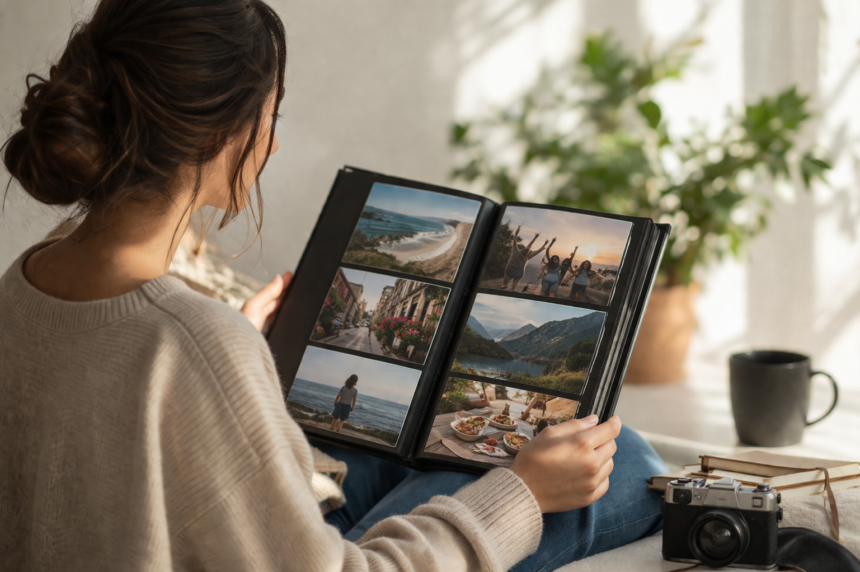
That album format matters more than it may seem at first glance. An album feels complete. It gives a story shape. One photo is just a photo, but an album can show a full weekend, a live event, a fashion mood, a hobby archive, or a running timeline of everyday life.
This is one reason Bunkr Albums feels culturally relevant. It matches the way people already think about their digital lives. We sort things by moments, eras, interests, aesthetics, and communities. Albums make that behavior easier and more natural.
Why Bunkr Albums Feel So Relevant in Online Culture
Online culture moves fast, but people still want ways to save what matters. Trends disappear, feeds refresh, stories expire, and links get buried in group chats. Albums offer something the endless scroll does not. They create a sense of continuity.
That is why Bunkr Albums connects so strongly with modern internet habits. People want both speed and permanence. They want to post in the moment, but they also want a place where those moments still make sense later. An album does that job well.
Researchers are starting to document this behavior more clearly. A 2025 study published by Cambridge University Press found that selectively sharing photographs on social media can improve recollection of details connected to those photos. In other words, the act of choosing, grouping, and sharing memories may actually help people remember experiences more clearly.
That insight helps explain why Bunkr Albums feels bigger than a technical feature. It touches memory, identity, and social behavior all at once.
From Random Uploads to Curated Digital Memory
A few years ago, many people treated online uploads casually. They posted whatever felt interesting at the time. Now there is more intention behind the way media is stored and shared.
People create albums for different reasons, including:
- preserving memories from trips and events
- organizing visual inspiration
- keeping fandom or hobby collections together
- making it easier for friends to revisit moments
- turning everyday life into a cleaner digital archive
This is where Bunkr Album style sharing stands out. The appeal is not just having files online. The appeal is having them grouped in a way that feels usable. That distinction matters because modern users want control over context, not just access.
A birthday dinner, a concert weekend, a pet photo dump, a fitness transformation, or a travel diary all feel more meaningful when they live inside a single collection. Bunkr Albums mirrors that preference for narrative over clutter.
Bunkr Albums and the Rise of Everyday Capturing
Phone cameras changed everything. People no longer wait for special events to document life. Morning coffee, a new outfit, a rainy commute, a dinner plate, a gym mirror shot, a sunset from the car window, or a shelf of favorite books can all become part of the day’s visual record.
This everyday capturing habit is tied to wider digital growth. In Pakistan alone, DataReportal estimated 116 million internet users and 66.9 million social media user identities in January 2025. That kind of scale shows how routine digital sharing has become in ordinary life.
In that world, Bunkr Albums feels less like a niche phrase and more like a reflection of how people live online now. We capture constantly. We sort constantly. We revisit constantly. And we increasingly expect our photos and videos to stay organized in ways that make emotional and practical sense.
How Bunkr Albums Became Part of Daily Online Behavior
The reason Bunkr Albums entered everyday online conversation is not only because of technology. It is also because of habit. Once people become used to documenting life, they naturally start looking for better ways to manage those memories.
Here are a few habits that helped push album culture forward:
1. People now think in collections
Instead of asking, “Should I upload this photo?” users often think, “Should I add this to the set?” That is a different mindset. It treats media as part of an evolving story rather than as a stand-alone post.
2. Visual identity matters more now
From fashion and fitness to travel and gaming setups, people use images to shape how they present themselves online. Bunkr Albums works well in that environment because albums make self-presentation feel cleaner and more intentional.
3. Group sharing is more practical
Friends returning from a trip do not want thirty separate files sent one by one. They want one shared place where everything is already arranged. That convenience keeps album-based behavior relevant.
4. Temporary content created a need for stable archives
Stories and fast posts are fun, but they disappear quickly or get lost. Albums offer a calmer, more stable way to keep moments available beyond the rush of the feed.
The Lifestyle Side of Bunkr Albums
Calling Bunkr Albums a lifestyle topic actually makes sense. Lifestyle content today is not only about fashion, wellness, or home decor. It is also about how people document daily life and how digital tools shape that experience.
Think about how often people create visual records of ordinary routines. Meal prep, skincare progress, room makeovers, weekend outings, morning walks, book notes, pet moments, and family gatherings all become part of personal storytelling. Albums help transform those scattered snapshots into something more meaningful.
This is why Bunkr Albums fits into online culture so naturally. It supports a lifestyle built around visual memory. It encourages people to notice daily details, collect them, and keep them accessible.
Even major social platforms reflect the same broader behavior. Pew Research Center reported in late 2025 that half of U.S. adults use Instagram, showing how central image-based sharing remains in digital life.
Why People Prefer Albums Over Endless Feeds
Feeds are built for speed. Albums are built for revisiting.
That difference is important. A feed is about what is happening now. An album is about what still matters later. People may enjoy instant posting, but they often value albums more when they want to relive an event, show someone a full story, or keep related memories together.
A good Bunkr Album gives people three things at once:
- order
- context
- emotional continuity
Those three qualities are exactly why album culture stays relevant even as social apps keep changing.
Real-World Examples of How Bunkr Albums Fit Daily Life
The easiest way to understand Bunkr Albums is to look at how real people tend to use album-style collections in ordinary routines.
A student might gather photos from a campus festival, screenshots from group planning chats, and funny clips from the same week into one place. A traveler might keep city shots, café photos, and transport snapshots in a single collection that becomes more meaningful over time. A fashion creator may build albums around seasonal looks, outfit inspiration, or behind-the-scenes content from shoots.
Even outside influencer culture, the behavior is similar. Parents organize growth milestones. Friends keep wedding memories together. Pet owners archive playful moments that would otherwise disappear into a massive camera roll. In each case, Bunkr Albums represents a practical answer to a very human need: keeping memories findable.
The Emotional Value Behind Digital Albums
People often talk about online storage in technical language, but the real value is emotional. Albums reduce the fear of losing a moment in the noise.
That emotional side is supported by research too. Cambridge-backed work on media and memory points to a strong relationship between image sharing and the way experiences are remembered later. Event-based research highlighted how taking photos, recording videos, and sharing content in the moment shapes how people anticipate and remember live experiences.
This helps explain why Bunkr Albums can feel personal even when the tool itself seems simple. It is not just about having content saved. It is about preserving a version of life that still feels connected when you come back to it.
Best Practices for Using Bunkr Albums More Intentionally
If someone wants to make Bunkr Albums more useful in daily life, a little intention goes a long way.
First, organize by moment instead of dumping everything into one place. A smaller, focused album is easier to revisit and much more enjoyable to share.
Second, name collections in a way that means something later. Dates help, but context helps even more. A title linked to a trip, celebration, or personal theme will age better than a vague label.
Third, think about privacy before sharing. Not every moment belongs in a public space. The most sustainable way to use Bunkr Albums is to treat convenience and discretion as equally important.
Fourth, curate instead of oversaving. The strongest albums are not always the biggest ones. They are the ones that preserve the mood, story, and best details of an experience.
Common Questions People Have About Bunkr Albums
Are Bunkr Albums only for heavy internet users?
Not at all. The appeal of Bunkr Albums comes from simplicity. Anyone who takes pictures regularly can understand the value of grouped memories.
Why do people search for Bunkr Albums instead of single files?
Because albums are more useful. They offer complete context, easier browsing, and a better viewing experience than random, isolated uploads.
Is Bunkr Album culture really part of lifestyle content?
Yes, because lifestyle content today includes how people capture, store, curate, and revisit everyday experiences online. Digital memory has become part of modern living.
Why do albums feel more meaningful than scrolling a feed?
Because albums create story. A feed is fleeting. An album helps people return to a moment with context intact.
Final Thoughts on Bunkr Albums in Modern Life
What makes Bunkr Albums interesting is that it sits at the intersection of memory, convenience, identity, and online behavior. It reflects a bigger shift in how people live with media now. We do not just post. We archive. We do not just capture. We collect. We do not just share moments. We shape them into stories we can revisit.
That is why Bunkr Albums has become part of online culture and daily capturing habits. It fits the rhythm of modern life, where a phone camera is always close, visual communication is constant, and people want more control over how their memories are stored and seen. In a world full of disappearing content, albums still offer something steady.
And that may be the real reason the term keeps showing up. Bunkr Albums speaks to a simple, very current desire: to make everyday life easier to keep, easier to share, and easier to remember. In many ways, that is what modern digital culture is all about.
Conclusion
As online habits keep evolving, Bunkr Albums continues to reflect the way people organize daily moments into meaningful collections. Whether the goal is convenience, memory keeping, or better storytelling, Bunkr Albums has become a recognizable part of digital lifestyle behavior and everyday visual sharing.