



We have all felt that subtle sense of being “off.” Maybe it is a tightening in your chest before a big meeting, a restless night of tossing and turning, or that nagging feeling that you are constantly running on a treadmill that won’t slow down. For years, we have treated health as a binary state: you are either sick or you are healthy. But there is a massive, often ignored gray area in between. This is the space of Disease Dis Ease, a state where the body is no longer in harmony, yet hasn’t fully succumbed to a clinical diagnosis. It is the precursor, the warning shot, and the fertile soil where chronic illness takes root.
- The Biological Bridge Between Mind and Body
- Why We Ignore the Signs of Disease Dis Ease
- The Role of Inflammation in the Stress Cycle
- Breaking the Pattern of Disease Dis Ease
- The Psychological Weight of Modern Life
- Case Study: The Corporate Executive’s Wake-Up Call
- Practical Tips to Transition from Dis-Ease to Ease
- The Power of Social Support
- Final Thoughts on Disease Dis Ease
The term itself is a clever play on words, but it carries a heavy scientific truth. When we talk about Disease Dis Ease, we are looking at the literal lack of ease within the human system. When your mind is cluttered with worry and your nervous system is stuck in a loop of “fight or flight,” your biology begins to shift. It is no longer a matter of if you will get sick, but when the internal pressure becomes too much for your organs to bear. Chronic stress is the catalyst that turns this internal friction into a tangible, medical reality.
Understanding this transition is vital because we live in an era of unprecedented burnout. We are the most connected generation in history, yet we are arguably the most stressed. Our bodies weren’t designed to process a 24-hour news cycle, demanding corporate KPIs, and social media comparisons all at once. When these pressures remain constant, the “dis-ease” we feel in our minds begins to manifest as “disease” in our cells.
The Biological Bridge Between Mind and Body
To understand how Disease Dis Ease becomes a medical problem, we have to look at the endocrine system. When you perceive a threat whether it’s a tiger in the woods or an aggressive email from your boss your hypothalamus kicks into gear. It signals your adrenal glands to release a flood of hormones, primarily adrenaline and cortisol. In short bursts, this is a life-saver. It sharpens your focus and gives you the energy to move.
However, modern stress isn’t a burst; it’s a slow drip. When cortisol levels stay high for weeks or months, it acts like a corrosive acid on your internal systems. It suppresses the immune system, increases blood pressure, and alters how your body processes sugar. You aren’t “sick” yet, but you are living in a state of profound Disease Dis Ease. This is the stage where people report feeling “tired but wired,” experiencing unexplained digestive issues, or catching every cold that makes the rounds at the office.
Research from institutions like the Mayo Clinic suggests that long-term activation of the stress-response system can disrupt almost all your body’s processes. This puts you at increased risk of many health problems, including heart disease, weight gain, and memory impairment. The transition from a feeling of unease to a documented pathology is often a slow, quiet process that many people ignore until it’s too late.
Why We Ignore the Signs of Disease Dis Ease
Why do we wait until we have a formal diagnosis to take our health seriously? Often, it’s because our culture prizes “pushing through.” We wear our stress like a badge of honor. We brag about how little sleep we got or how many hours we logged at the desk. In this environment, the early signs of Disease Dis Ease are dismissed as just “part of the job” or “getting older.”
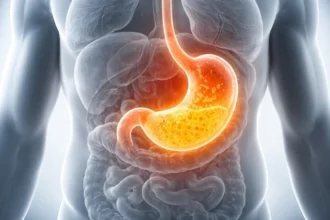
But your body is constantly communicating. A tension headache isn’t just a lack of aspirin; it’s often a physical manifestation of mental tension. Acid reflux isn’t always about the spicy food you ate; it can be the stomach reacting to a life that feels hard to swallow. When we ignore these signals, we allow the “dis-ease” to settle into our tissues.
The problem with ignoring these early red flags is that the body eventually stops whispering and starts screaming. By the time a doctor finds elevated liver enzymes or a blockage in an artery, the internal environment has been out of balance for a long time. Recognizing Disease Dis Ease as a legitimate state of health is the first step in preventing the descent into chronic illness.
The Role of Inflammation in the Stress Cycle
One of the primary ways that mental and emotional turmoil turns into physical damage is through systemic inflammation. Scientists now believe that inflammation is the common denominator in almost every modern chronic condition, from Alzheimer’s to heart disease.
When you are under constant pressure, your body stays in a pro-inflammatory state. It’s as if your immune system is looking for a fight that never comes, so it starts attacking your own healthy tissues. This is the physiological “wear and tear” that converts Disease Dis Ease into something a specialist would call a disease.
| Stress Level | Physiological Impact | Potential Outcome |
| Acute (Short) | Increased Heart Rate, Focus | Peak Performance |
| Episodic (Frequent) | Tension Headaches, Irritability | Burnout, Migraines |
| Chronic (Constant) | High Cortisol, Inflammation | Heart Disease, Autoimmune Issues |
This table illustrates the progression clearly. We can move back and forth between acute and episodic stress, but once we cross into the chronic territory, the “dis-ease” becomes a permanent resident. At this point, lifestyle changes become medical necessities rather than “self-care” options.
Breaking the Pattern of Disease Dis Ease
So, how do we stop the slide? How do we prevent a stressful life from becoming a sick life? The answer lies in intentional “interruption.” Since our stress is constant, our relaxation must be intentional. We cannot wait for a vacation to find peace; we have to find it in the middle of the chaos.
Mindfulness is often touted as a buzzword, but its biological impact is profound. By engaging in deep breathing or meditation, you are manually overriding your sympathetic nervous system. You are telling your brain, “The threat is over,” which allows cortisol levels to drop and your body to begin the repair process. This is the direct antidote to Disease Dis Ease.
Nutrition and movement also play huge roles. When the body is in a state of unease, it craves high-sugar, high-fat “comfort” foods. Unfortunately, these foods only increase inflammation, fueling the fire of potential disease. Choosing anti-inflammatory foods like leafy greens, fatty fish, and berries can help dampen the physiological fire that stress creates.
The Psychological Weight of Modern Life
It’s also worth looking at the “why” behind our stress. Many of us are living lives that don’t align with our values. This creates a different kind of Disease Dis Ease an existential one. When your daily actions feel meaningless or go against your core beliefs, it creates a friction that your body feels.
Psychoneuroimmunology is the field of study that looks at exactly this: how our thoughts and feelings affect our immune system. It’s a fascinating area of research that confirms what many ancient healing traditions have said for millennia. A joyful, connected heart is more resistant to illness than a lonely, stressed one. If we want to move away from a state of Disease Dis Ease, we have to look at our social connections and our sense of purpose as much as we look at our blood pressure readings.
Case Study: The Corporate Executive’s Wake-Up Call
Consider the story of a 45-year-old executive named Mark. Mark was the picture of success, but he lived in a constant state of Disease Dis Ease. He had high-functioning anxiety, drank six cups of coffee a day, and hadn’t slept more than five hours a night in a decade. He felt “fine,” though he had some chronic back pain and occasional indigestion.
One day, his body simply stopped. He didn’t have a heart attack, but he experienced such severe vertigo and fatigue that he couldn’t get out of bed for a week. His doctors couldn’t find a specific “virus,” but his inflammatory markers were through the roof. This was his Disease Dis Ease finally tipping over into a functional illness. It took Mark six months of radical lifestyle shifts yoga, a Mediterranean diet, and strict work boundaries to bring his body back into a state of “ease.”
Practical Tips to Transition from Dis-Ease to Ease
If you feel like you are currently teetering on the edge, there are actionable steps you can take today to reverse the trend. You don’t need a complete life overhaul to start seeing results.
- The 5-Minute Reset: Set a timer three times a day to just breathe. No phone, no music, just focus on the air entering and leaving your lungs.
- Audit Your Inputs: What are you consuming? This includes food, but also media. If the news makes your stomach knot up, turn it off.
- Prioritize Sleep Hygiene: Your body does 90% of its repair work while you sleep. If you are cutting sleep to gain productivity, you are trading your long-term health for short-term output.
- Move for Joy, Not Just Calorie Burning: Walking in nature has been shown to lower cortisol more effectively than a high-intensity workout in a loud gym for some people.
By making these small adjustments, you are actively combating the Disease Dis Ease that leads to chronic conditions. You are choosing to prioritize the “ease” in your life, giving your body the space it needs to heal and maintain itself.
The Power of Social Support
We often forget that humans are tribal creatures. Isolation is a significant stressor that contributes to Disease Dis Ease. When we feel alone in our struggles, our body enters a heightened state of alert. Sharing your burdens with a friend or a therapist can literally lower your heart rate and reduce the production of stress hormones.
In fact, some studies show that social isolation can be as damaging to your health as smoking 15 cigarettes a day. Community is a powerful buffer against the physical effects of stress. If you want to avoid chronic disease, invest time in your relationships. A good laugh with a friend is more than just fun; it’s a biological reset.
Final Thoughts on Disease Dis Ease
At the end of the day, your health is your most valuable asset. While modern medicine is incredible at treating acute issues, it often struggles with the slow-moving train of lifestyle-related illness. That is why the concept of Disease Dis Ease is so important. It gives us a name for that middle ground where we still have the power to turn things around.
We don’t have to be victims of our schedules or our environments. By acknowledging the lack of ease in our lives and taking proactive steps to address it, we can prevent the transition into serious physical illness. It starts with listening to the quiet signals your body is sending you right now. Don’t wait for a crisis to start caring for your nervous system.
Whether it is through better nutrition, more movement, or simply learning to say “no” to things that drain you, you have the power to shift your internal environment. You can move from a state of constant friction to one of flow. Remember, the goal isn’t just to be “not sick.” The goal is to live with a sense of vitality and peace. By clearing out the Disease Dis Ease in your life, you pave the way for a future of true, vibrant health.
In a world that constantly demands your attention, the most radical thing you can do is give that attention back to yourself. Take care of your mental state, and your physical body will thank you. The journey from “dis-ease” back to “ease” is one of the most important paths you will ever walk. It is a path that leads away from the hospital and toward a life of longevity and joy.
Ultimately, we must recognize that our bodies are not machines that can be run at redline indefinitely. We are organic systems that require rest, nourishment, and a sense of safety. When we deny these needs, we invite illness. When we honor them, we cultivate resilience. Let us choose to live in a way that promotes harmony, effectively silencing the internal noise of Disease Dis Ease before it ever has a chance to become a diagnosis. This is the true essence of preventative mental health in the modern age.