


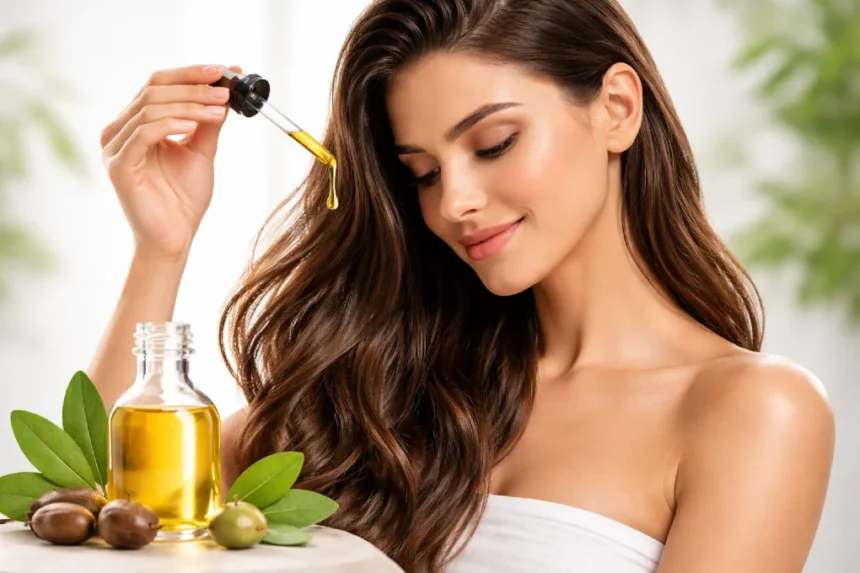
If your hair feels rough by midday, turns frizzy the second humidity shows up, or looks dull no matter what serum you try, there is a good chance your routine is missing one simple thing: lasting moisture. That is where Hair Oil With Jojoba can make a visible difference. Unlike heavier oils that can leave strands greasy or flat, Hair Oil With Jojoba is often loved for how lightweight, smoothing, and scalp friendly it feels.
- What Is Hair Oil With Jojoba?
- Why Jojoba Oil Works So Well for Dry Hair
- Top Benefits of Hair Oil With Jojoba for Dry, Frizzy, and Damaged Hair
- 1. Helps lock in softness without a heavy feel
- 2. Smooths frizz and flyaways
- 3. Supports a drier, irritated scalp
- 4. Adds shine to dull, damaged strands
- 5. May reduce breakage from dryness
- 6. Works well in low-maintenance routines
- Hair Oil With Jojoba vs Other Popular Hair Oils
- How to Use Hair Oil With Jojoba the Right Way
- Best Hair Types for Jojoba Hair Oil
- What Hair Oil With Jojoba Can and Cannot Do
- Common Mistakes to Avoid
- How Often Should You Use Hair Oil With Jojoba?
- Simple Routine for Dry, Frizzy, and Damaged Hair
- FAQ About Hair Oil With Jojoba
- Final Thoughts
A good Jojoba Hair Oil does more than add shine. It helps soften dry lengths, smooth flyaways, reduce the look of frizz, and support a healthier scalp environment. Because jojoba oil is chemically similar to the natural sebum your scalp produces, many people find it easier to tolerate than richer oils. That makes it especially appealing for dry, frizzy, damaged, color treated, or easily weighed-down hair.
In this article, you will learn what makes jojoba oil different, how it helps stressed hair, the best ways to use it, and what to expect if your strands are brittle, overprocessed, or constantly dehydrated.
What Is Hair Oil With Jojoba?
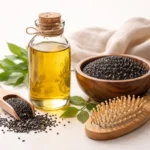
Hair Oil With Jojoba is a hair care oil that contains jojoba oil as a primary ingredient or a major active component. Jojoba oil is actually a liquid wax ester extracted from jojoba seeds, which is one reason it behaves differently from many traditional plant oils. It tends to feel lighter, spread more easily, and sit on the hair without creating as much heaviness.
That texture matters. Dry and damaged hair usually needs moisture retention, cuticle smoothing, and protection from further stress. A quality Jojoba Hair Oil can help with all three when used correctly.
Many formulas combine jojoba with other nourishing ingredients such as argan oil, coconut oil, vitamin E, castor oil, or rosemary extract. Even then, jojoba often stands out because it gives softness and slip without making the hair look overly oily.
Why Jojoba Oil Works So Well for Dry Hair
Dry hair usually has one or more of these problems:
- It loses moisture too quickly
- The cuticle is rough or raised
- The scalp is dry or irritated
- Styling damage has weakened the strand surface
Jojoba oil helps because it acts mainly as an emollient, which means it softens the hair shaft and helps reduce moisture loss. Cleveland Clinic notes that jojoba oil can help block water loss and also acts as an emollient and humectant, which is part of why it is so widely used in skin and hair care. The American Academy of Dermatology also emphasizes that healthy hair care depends heavily on reducing practices that strip natural oils and cause damage.
For dry hair, that translates into better softness, improved manageability, and less of that straw-like texture people often notice after heat styling, coloring, or overwashing.
Top Benefits of Hair Oil With Jojoba for Dry, Frizzy, and Damaged Hair
1. Helps lock in softness without a heavy feel
One of the biggest reasons people switch to Hair Oil With Jojoba is texture. Some oils are simply too rich for fine or medium hair. They may coat the strands, but they can also leave them limp. Jojoba tends to feel lighter, which makes it easier to use regularly.
That lighter feel is useful if your hair is:
- Dry at the ends but oily near the roots
- Fine and easily flattened
- Wavy or curly with frizz
- Damaged from bleaching or heat styling
Instead of making your hair feel coated, jojoba often leaves it smoother and more touchable.
2. Smooths frizz and flyaways
Frizz is often a sign that the outer layer of the hair is not lying flat. Humidity gets in, the cuticle lifts, and the hair expands unevenly. A Jojoba Hair Oil helps coat the strand lightly, which can make the hair surface look smoother and shinier.
This is especially helpful for:
- Post-wash puffiness
- Humid weather frizz
- Brushed-out waves or curls
- Dry ends that stick out after styling
Applied in small amounts, jojoba oil can make hair look polished rather than greasy.
3. Supports a drier, irritated scalp
A dry scalp can make hair care much more frustrating. Flaking, tightness, and itchiness often get worse when shampoos are too harsh or when the scalp barrier is already stressed. The American Academy of Dermatology notes that dry scalp can be linked to moisture loss and irritating products, while Cleveland Clinic highlights jojoba oil’s moisturizing properties.
That does not mean jojoba oil is a cure for dandruff or scalp conditions. But for basic dryness, many people find that a gentle scalp massage with jojoba oil before washing makes the scalp feel calmer and less stripped afterward.
4. Adds shine to dull, damaged strands
Damaged hair tends to scatter light instead of reflecting it. That is why it can look tired, rough, and faded. Hair oils improve shine by smoothing the outer surface of the strand. Jojoba oil is especially useful here because it gives gloss without always creating that overly slick, product-heavy finish.
If your hair looks dull from:
- Frequent blow drying
- Hair coloring
- Sun exposure
- Hard water
- Repeated washing
a few drops of Hair Oil With Jojoba on mid-lengths and ends can instantly improve the finish.
5. May reduce breakage from dryness
Hair that bends without moisture often snaps more easily. While jojoba oil does not repair split ends permanently, it can reduce the brittle feel that makes breakage worse. Keeping the hair more flexible and lubricated helps during detangling and styling.
This is one of the most practical benefits. Softer hair is usually easier to comb, less likely to snag, and less likely to break during everyday handling.
6. Works well in low-maintenance routines
Not everyone wants a ten-step hair routine. One reason Jojoba Hair Oil stays popular is that it fits into simple routines very easily. You can use it as a pre-shampoo treatment, a finishing oil, an overnight treatment on dry ends, or a scalp massage oil.
That flexibility makes it a realistic option for busy people who want visible results without buying a shelf full of products.
Hair Oil With Jojoba vs Other Popular Hair Oils
Here is a quick comparison to show where jojoba fits best:
| Oil Type | Best For | Texture | Common Concern |
|---|---|---|---|
| Jojoba Oil | Dry, frizzy, damaged, fine to medium hair | Light | Needs regular use for best results |
| Coconut Oil | Thick, coarse, very dry hair | Rich | Can feel heavy on some hair types |
| Argan Oil | Shine, smoothing, styling finish | Light to medium | Premium formulas can be costly |
| Castor Oil | Scalp massage, thicker texture routines | Very thick | Too heavy for many people |
| Olive Oil | Deep conditioning for coarse hair | Heavy | Can weigh down softer textures |
For many hair types, Hair Oil With Jojoba hits a sweet spot between moisture and manageability.
How to Use Hair Oil With Jojoba the Right Way
Using too much oil is one of the biggest reasons people think hair oil does not suit them. With jojoba oil, a little usually goes a long way.
As a pre-shampoo treatment
This method works well for dry, frizzy, or damaged hair.
How to do it:
- Section dry hair.
- Apply a small amount from mid-lengths to ends.
- Massage a little into the scalp if it feels dry.
- Leave it on for 20 to 30 minutes.
- Shampoo and condition as usual.
This can help reduce that stripped feeling after washing.
As a finishing oil
This is the easiest method for daily styling.
How to do it:
- Rub 2 to 4 drops between your palms.
- Smooth lightly over damp or dry mid-lengths and ends.
- Avoid the roots unless your hair is very coarse or curly.
This method is best for shine, frizz control, and softness.
As an overnight treatment for damaged ends
If your ends feel crispy from heat or color, apply a small amount only to the last few inches before bed. Wash in the morning if needed.
As a scalp massage oil
If your scalp feels dry, massage a small amount into the scalp before wash day. Be gentle and do not scratch with your nails.
Best Hair Types for Jojoba Hair Oil
Hair Oil With Jojoba tends to work especially well for:
- Dry hair
- Frizzy hair
- Wavy and curly hair
- Color treated hair
- Heat damaged hair
- Fine hair that cannot handle very heavy oils
- Medium texture hair needing softness without buildup
It can also work for coarse hair, although some people with very thick hair prefer mixing jojoba with a richer oil for extra nourishment.
What Hair Oil With Jojoba Can and Cannot Do
This is where realistic expectations matter.
What it can do
- Improve softness
- Add shine
- Reduce frizz
- Help hair feel smoother
- Make detangling easier
- Support a dry scalp routine
- Reduce the rough look of damaged strands
What it cannot do
- Permanently repair split ends
- Reverse severe chemical damage overnight
- Guarantee hair growth
- Treat medical causes of hair loss
Hair loss can happen for many reasons, including stress, illness, hormonal changes, genetics, and scalp conditions. Cleveland Clinic advises that treatment should match the cause, which is why oils should not be treated as a substitute for proper diagnosis when shedding is significant or persistent.
Common Mistakes to Avoid
Even a good Jojoba Hair Oil can disappoint if you use it the wrong way.
Applying too much
This is the fastest way to make hair look greasy. Start with a few drops and add only if needed.
Using it only once and expecting dramatic repair
Dry and damaged hair usually improves through consistent care. Think weeks, not one wash day.
Putting too much on the scalp
If your scalp is naturally oily, focus more on the lengths and ends.
Skipping heat protection
Hair oil is not always a replacement for a dedicated heat protectant. If you use hot tools often, keep a proper heat protectant in your routine.
Ignoring the cause of damage
If your hair is constantly dry, look at the bigger picture:
- Are you washing too often?
- Is your shampoo harsh?
- Are you heat styling daily?
- Are you brushing aggressively?
- Is your hair overdue for a trim?
The American Academy of Dermatology recommends avoiding damaging hair practices and using gentler daily care methods to protect the hair shaft.
How Often Should You Use Hair Oil With Jojoba?
There is no one-size-fits-all answer, but here is a practical starting point:
- Very dry hair: 3 to 4 times a week on ends, 1 pre-shampoo treatment weekly
- Frizzy hair: small finishing amount after each wash
- Damaged hair: 2 to 4 times a week depending on porosity and styling habits
- Fine hair: 1 to 2 drops only, mainly on ends
- Curly hair: after wash day and whenever refresh moisture is needed
Consistency matters more than quantity.
Simple Routine for Dry, Frizzy, and Damaged Hair
If you want a practical plan, this is an easy one:
Wash day
- Use a gentle shampoo
- Condition thoroughly
- Apply a few drops of Hair Oil With Jojoba to damp ends
Midweek
- Use 1 to 2 drops on dry ends if they start feeling rough
- Smooth a tiny amount over frizz if needed
Once weekly
- Do a pre-shampoo jojoba oil treatment for 20 to 30 minutes
This routine is easy to maintain and usually enough for noticeable improvement.
FAQ About Hair Oil With Jojoba
Is Hair Oil With Jojoba good for frizzy hair?
Yes, it can help smooth the hair shaft, reduce flyaways, and improve softness, especially when used on damp or lightly dry hair.
Can Jojoba Hair Oil help damaged hair?
It can improve the feel and appearance of damaged hair by softening rough strands and reducing dryness, but it cannot permanently repair structural damage.
Can I use Hair Oil With Jojoba every day?
Yes, in small amounts. Daily use works best on dry ends or frizzy lengths. Use less if your hair is fine.
Is it suitable for oily scalp and dry ends?
Yes, that is actually one of the situations where jojoba oil often works well. Apply it mainly to the mid-lengths and ends.
Does it help hair grow faster?
There is not enough evidence to say jojoba oil directly makes hair grow faster. It may support healthier looking hair and a better scalp routine, but it is not a proven growth treatment.
Final Thoughts
If your hair is dry, frizzy, damaged, or simply harder to manage than it used to be, Hair Oil With Jojoba is one of the most practical options to try. It is lightweight, versatile, and easy to fit into real routines. More importantly, it helps address the visible problems most people actually care about: roughness, dullness, flyaways, and ends that feel dry all the time.
A good Jojoba Hair Oil will not perform miracles overnight, but it can absolutely make your hair feel softer, look smoother, and behave better with consistent use. For many people, that is the difference between hair that feels constantly stressed and hair that starts looking healthy again.
In the world of jojoba oil, the real strength of this ingredient is balance. It gives moisture support without excessive heaviness, shine without a greasy finish, and daily manageability without turning your routine into a complicated project. If your goal is healthier looking hair that feels softer and less frizzy, this is one ingredient worth keeping in rotation.