



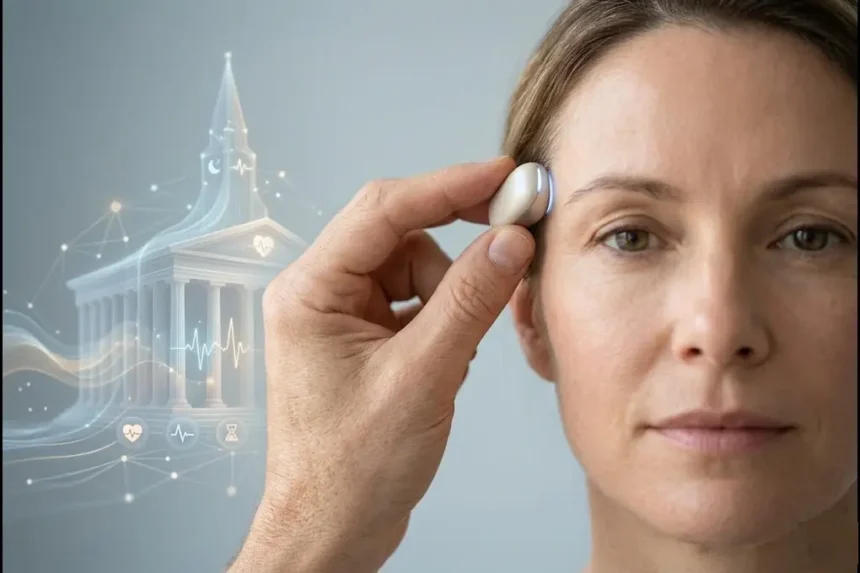
The world of healthcare is rapidly evolving, and one innovation gaining serious attention is the Temple Scan. As technology becomes more personal and data-driven, new ways to monitor health are emerging that are faster, smarter, and less invasive. Among these, Temple Scan stands out as a promising approach that could reshape how we track brain health, detect early warning signs, and improve overall wellness.
- What Is a Temple Scan?
- Why Temple Scan Matters in Modern Healthcare
- Temple Scan and Smart Health Monitoring Systems
- Key Benefits of Temple Scan Technology
- Real-World Applications of Temple Scan
- Challenges and Limitations
- Temple Scan vs Traditional Health Monitoring
- The Future of Temple Scan Technology
- How to Prepare for This Shift in Healthcare
- Common Questions About Temple Scan
- Conclusion
In today’s fast-paced lifestyle, people are looking for solutions that are quick, accurate, and easy to access. Temple Scan fits perfectly into this need by offering a potential window into neurological and physiological conditions without complex procedures. But what exactly is it, and why is it being considered the future of smart health monitoring?
What Is a Temple Scan?
A Temple Scan refers to a non-invasive method of analyzing signals from the temporal region of the head to assess various health indicators. This area, located on the sides of the forehead, is rich in blood vessels and neural activity, making it an ideal spot for monitoring subtle physiological changes.
While the term is still emerging in mainstream healthcare discussions, it is often associated with wearable health devices, biometric sensors, and AI-powered diagnostic tools. These systems collect data such as:
- Blood flow patterns
- Brainwave activity
- Temperature variations
- Pulse signals
By analyzing this data, Temple Scan technologies aim to provide insights into cognitive health, stress levels, and even early signs of neurological conditions.
Why Temple Scan Matters in Modern Healthcare
Healthcare is shifting from reactive treatment to proactive monitoring. Instead of waiting for symptoms to appear, modern systems aim to detect issues early. Temple-Scan plays a key role in this transition.
Here’s why it matters:
- It offers real-time health tracking
- It reduces the need for invasive procedures
- It enables early detection of potential issues
- It supports personalized healthcare decisions
With the rise of smart devices, people are becoming more involved in managing their own health. Temple-Scan technologies align perfectly with this trend.
Temple Scan and Smart Health Monitoring Systems
Smart health monitoring is all about using technology to continuously track and analyze health data. Temple Scan is becoming an important part of this ecosystem.
How It Integrates with Smart Devices
Many wearable devices are now incorporating advanced sensors that can be placed near the temple area. These devices use artificial intelligence to process large amounts of data and provide actionable insights.
Common integrations include:
- Smart glasses with built-in sensors
- Headbands designed for sleep and stress tracking
- Ear-worn devices that monitor brain signals
- Fitness trackers with expanded biometric capabilities
These devices are not just collecting data; they are interpreting it in real time.
The Role of AI and Machine Learning
Artificial intelligence plays a crucial role in Temple-Scan systems. Raw data alone is not enough. It needs to be analyzed, compared, and translated into meaningful information.
AI helps by:
- Detecting patterns in brain activity
- Identifying anomalies early
- Predicting potential health risks
- Personalizing recommendations
According to research from Stanford University and MIT, AI-driven health monitoring systems can significantly improve early diagnosis rates and reduce healthcare costs.
Key Benefits of Temple Scan Technology
Temple Scan offers several advantages that make it attractive for both individuals and healthcare providers.
Non-Invasive and Comfortable
Unlike traditional scans that require hospital visits, Temple-Scan methods are designed to be simple and comfortable. Users can monitor their health without disrupting their daily routine.
Early Detection of Health Issues
One of the biggest benefits is early detection. By continuously monitoring signals, Temple Scan can identify subtle changes that might indicate underlying problems.
Real-Time Feedback
Users receive instant insights into their health. This allows them to make quick decisions, whether it’s managing stress or seeking medical attention.
Personalized Health Insights
Every individual is different. Temple-Scan systems use data to create personalized health profiles, helping users understand their unique needs.
Real-World Applications of Temple Scan
Temple Scan is not just a concept. It is already being explored in various fields.
Mental Health Monitoring
Stress and anxiety are major concerns worldwide. Temple-Scan devices can track brain activity and detect patterns associated with mental fatigue or emotional stress.
Sleep Analysis
Sleep quality plays a crucial role in overall health. Devices using Temple Scan technology can monitor sleep cycles and provide insights into sleep patterns.
Neurological Disorder Detection
Early detection of conditions like migraines, epilepsy, or cognitive decline can be life-changing. Temple Scan offers a non-invasive way to monitor neurological health.
Workplace Productivity
Companies are exploring ways to improve employee well-being. Temple-Scan tools can help monitor stress levels and enhance productivity in high-pressure environments.
Challenges and Limitations
While Temple Scan holds great promise, it is not without challenges.
Accuracy and Reliability
Since the technology is still evolving, ensuring consistent accuracy is a key concern. Small errors in data interpretation can lead to incorrect conclusions.
Data Privacy Concerns
Health data is highly sensitive. Users need assurance that their information is secure and not misused.
High Development Costs
Advanced sensors and AI systems require significant investment. This can limit accessibility for some users.
Regulatory Hurdles
Healthcare technologies must meet strict regulatory standards. Temple-Scan systems will need approval from authorities before widespread adoption.
Temple Scan vs Traditional Health Monitoring
To better understand its impact, it helps to compare Temple Scan with traditional methods.
| Feature | Temple Scan | Traditional Monitoring |
|---|---|---|
| Invasiveness | Non-invasive | Often invasive |
| Accessibility | High | Limited |
| Real-Time Data | Yes | Limited |
| Cost | Moderate | High |
| Convenience | High | Low |
This comparison highlights why Temple Scan is gaining attention as a future-focused solution.
The Future of Temple Scan Technology
The future of Temple Scan looks promising as technology continues to advance. Experts predict significant improvements in accuracy, accessibility, and integration.
Emerging Trends
- Integration with smartphones and mobile apps
- Use of advanced AI algorithms
- Expansion into remote healthcare services
- Increased adoption in developing countries
Potential Breakthroughs
Researchers are working on making Temple-Scan devices even more precise. Future systems may be able to detect complex conditions like Alzheimer’s disease at very early stages.
According to the World Health Organization, early detection and preventive care are key to reducing global healthcare burdens. Temple Scan aligns perfectly with this vision.
How to Prepare for This Shift in Healthcare
As Temple Scan becomes more common, individuals and organizations need to adapt.
For Individuals
- Stay informed about new health technologies
- Choose devices from reputable brands
- Prioritize data privacy and security
For Healthcare Providers
- Invest in training and education
- Integrate smart monitoring systems into practice
- Focus on patient-centered care
Adapting early can provide a significant advantage in this rapidly evolving landscape.
Common Questions About Temple Scan
Is Temple Scan safe?
Yes, most Temple-Scan technologies are designed to be non-invasive and safe for regular use. However, users should follow manufacturer guidelines.
Can Temple Scan replace traditional medical tests?
Not entirely. While it offers valuable insights, it is best used as a complementary tool rather than a complete replacement.
Who can benefit from Temple Scan?
Anyone interested in proactive health monitoring can benefit, especially those managing stress, sleep issues, or neurological conditions.
Conclusion
Temple-Scan represents a major step forward in smart health monitoring. It combines advanced sensors, artificial intelligence, and real-time data analysis to provide a deeper understanding of human health.
As healthcare continues to evolve, the focus is shifting toward prevention and personalization. Temple Scan fits perfectly into this future by offering a convenient and effective way to monitor health continuously.
Understanding concepts like brain function helps highlight the importance of monitoring neurological activity and how innovations like Temple Scan can make a real difference.
The journey is just beginning, but one thing is clear. Temple-Scan has the potential to transform how we approach health, making care more accessible, efficient, and personalized for everyone.